Japan dracula mangas in 90s
Gallery
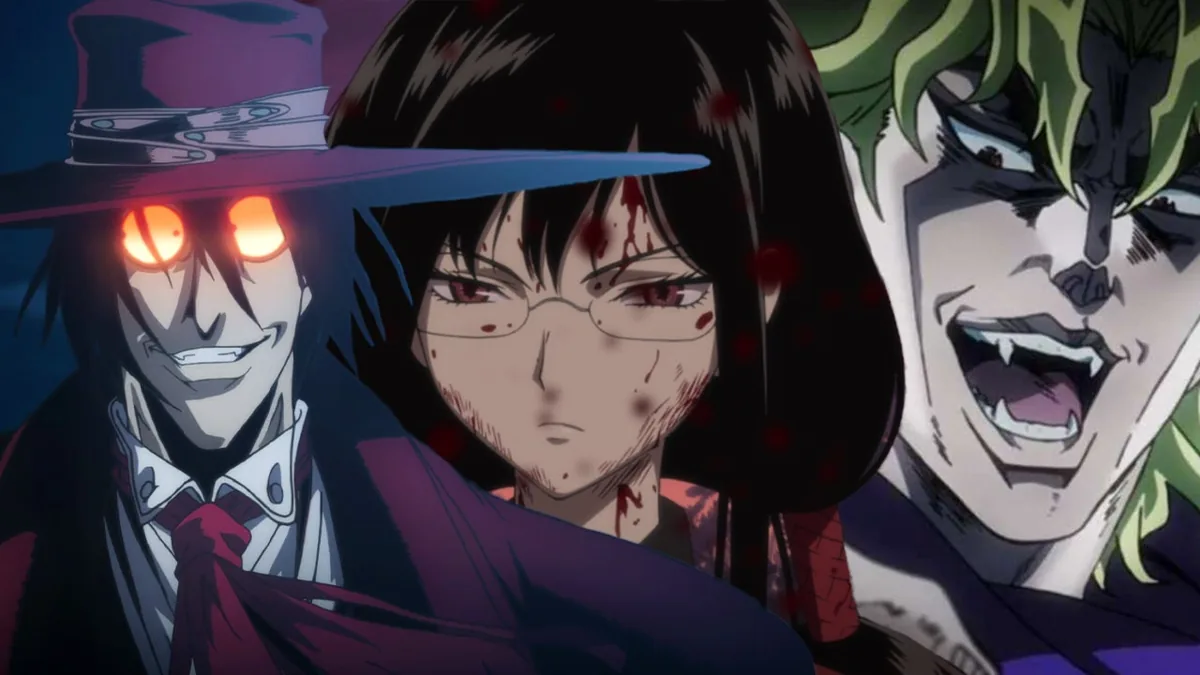
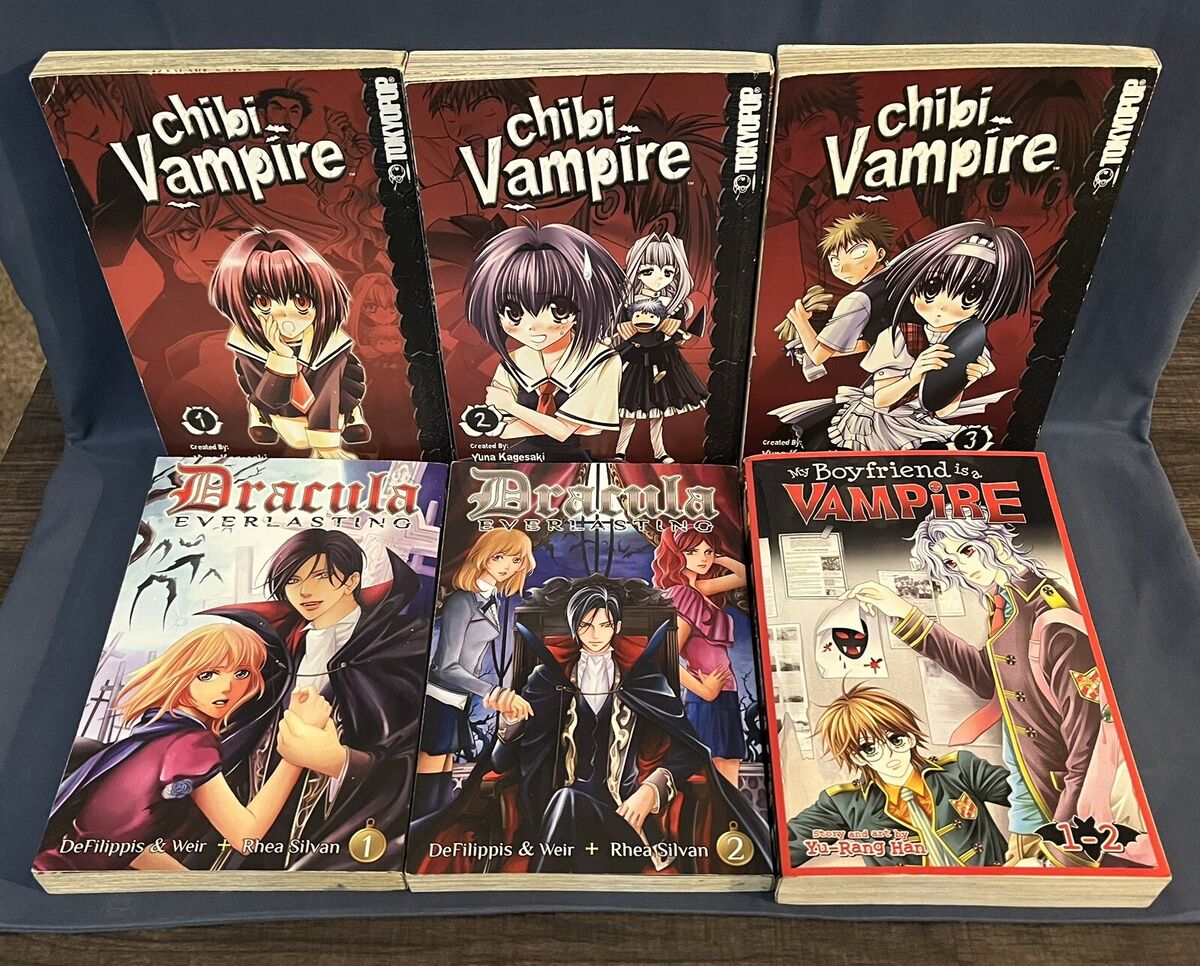
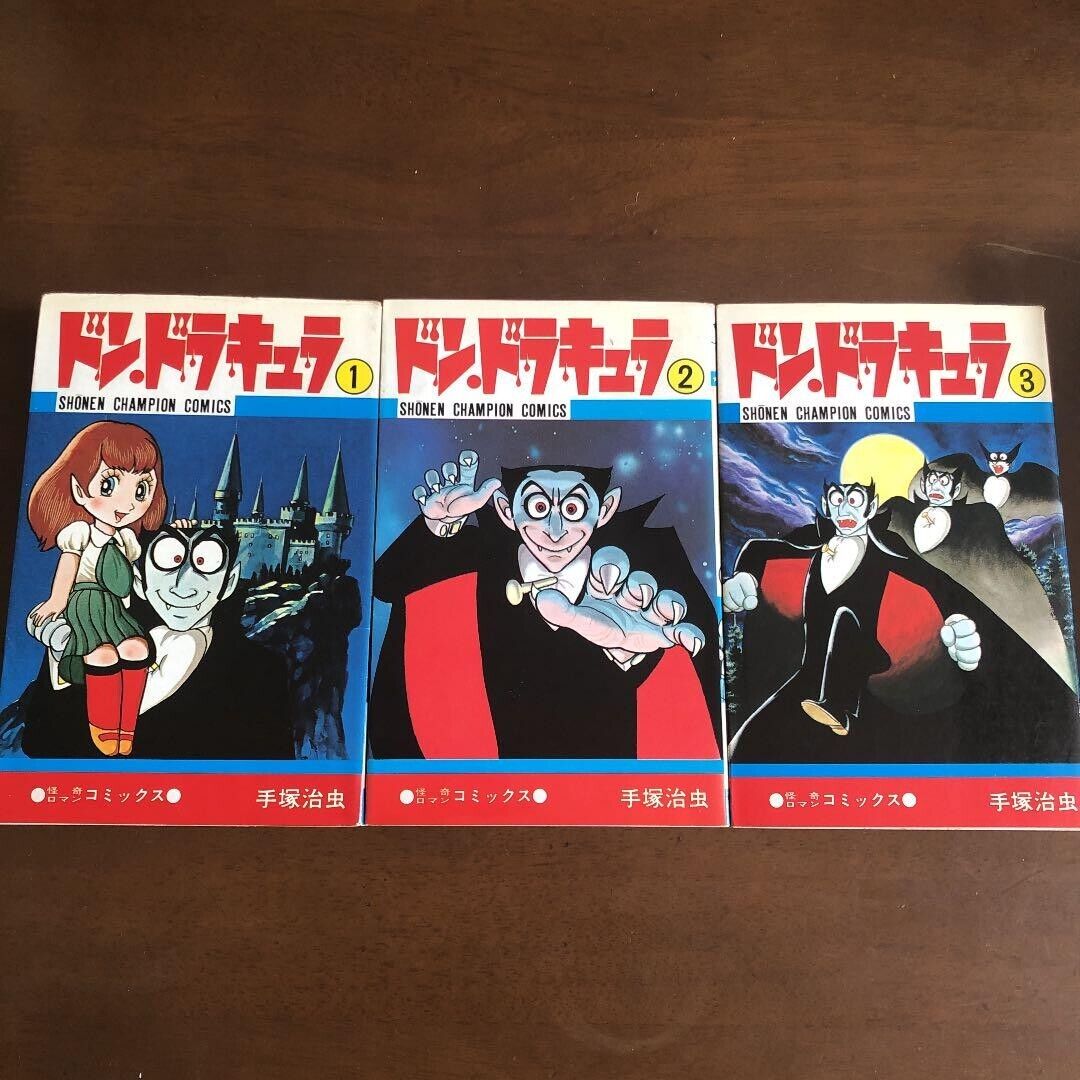
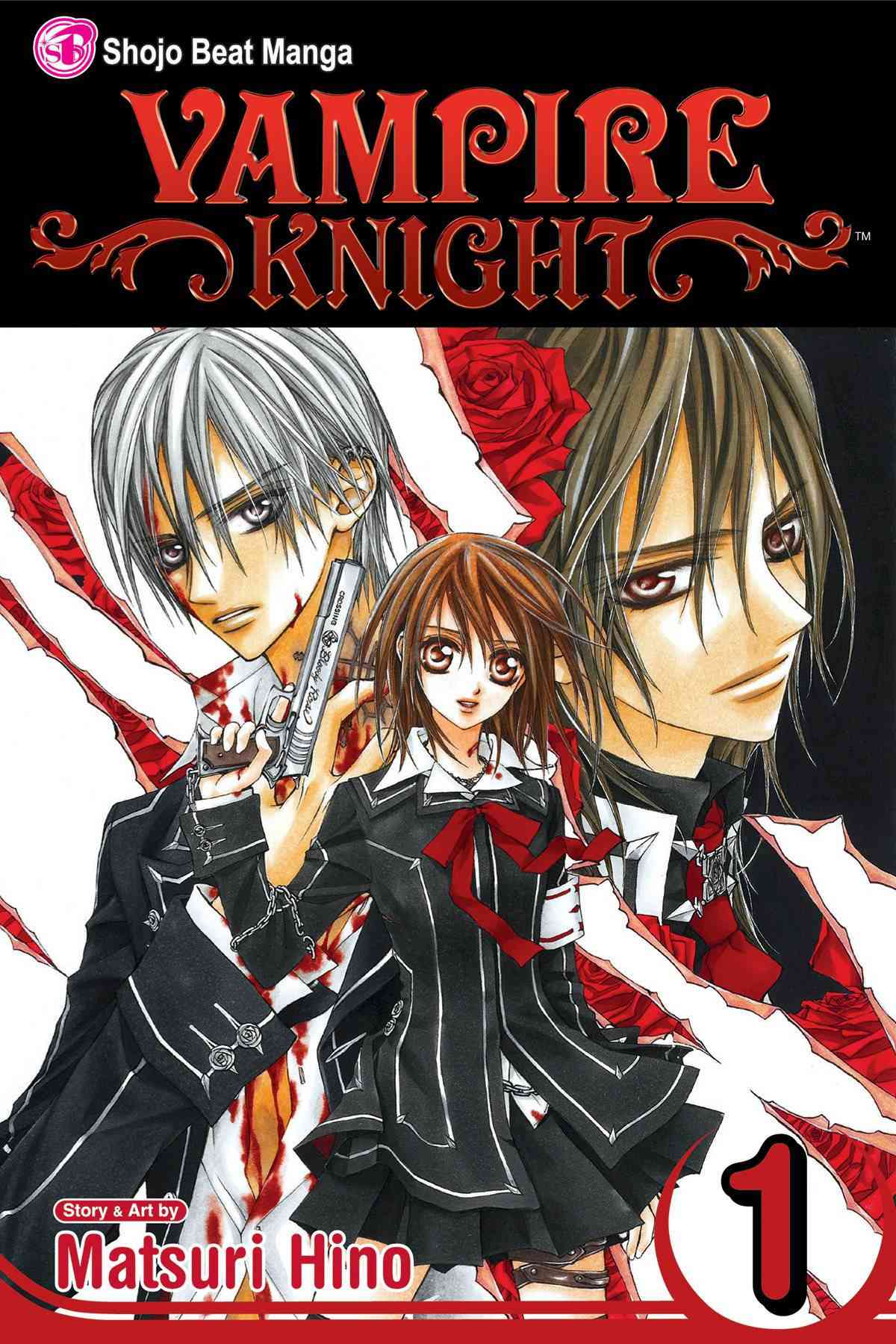
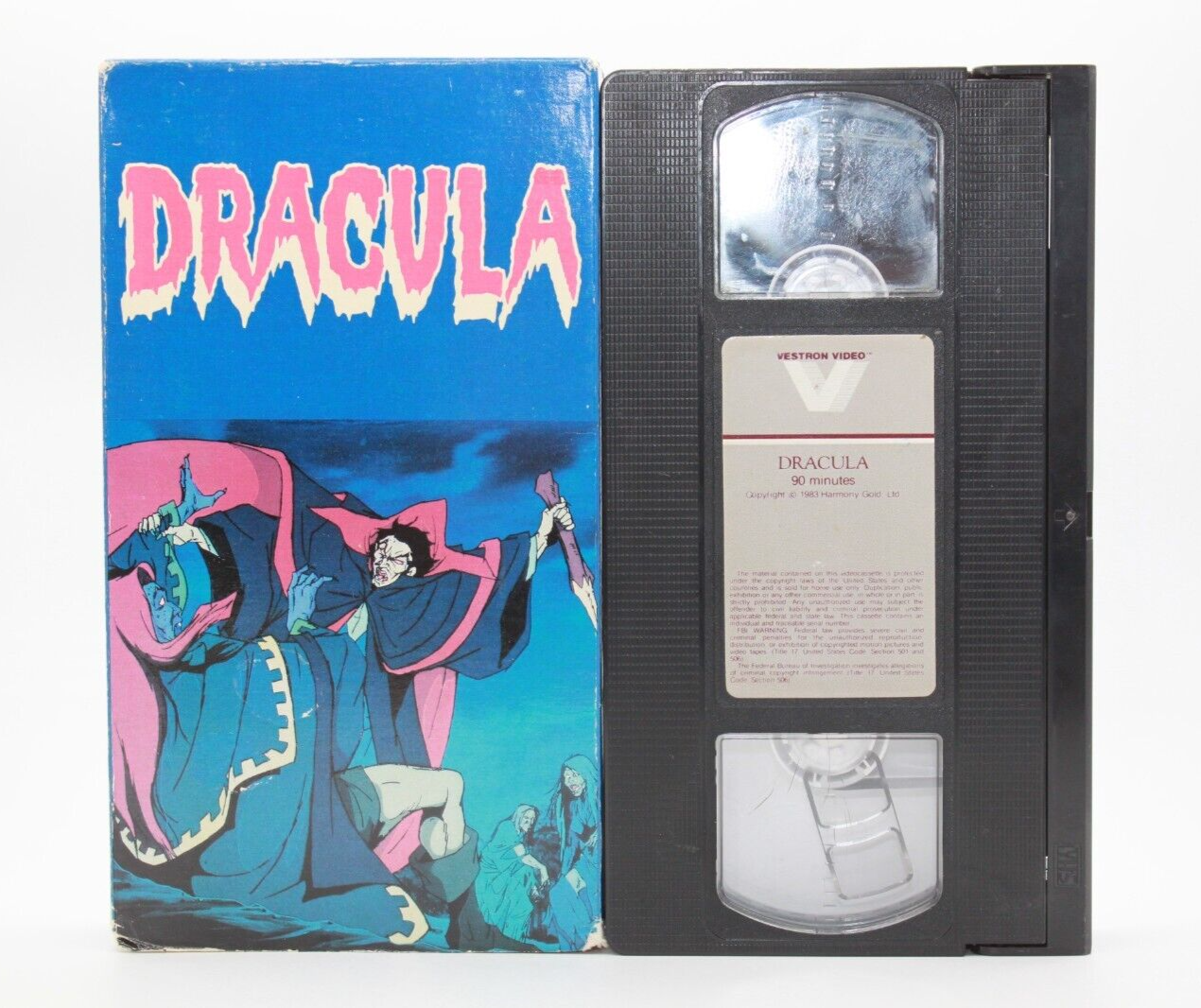
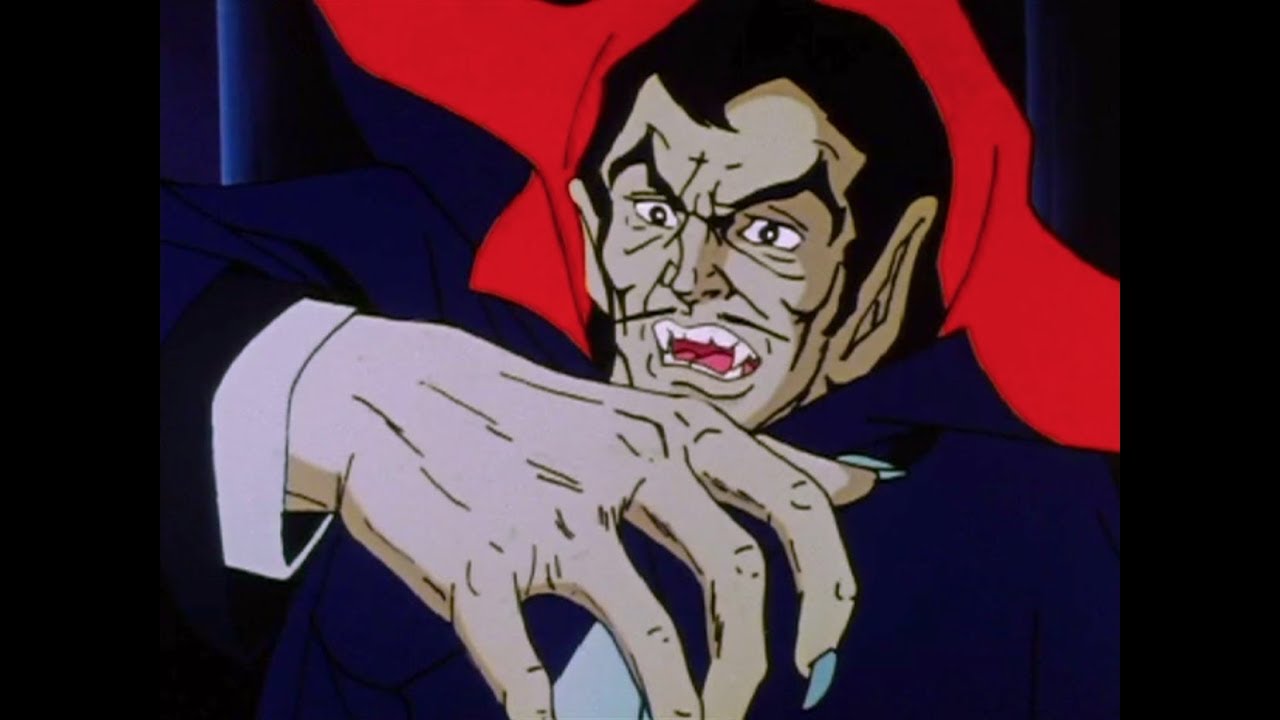
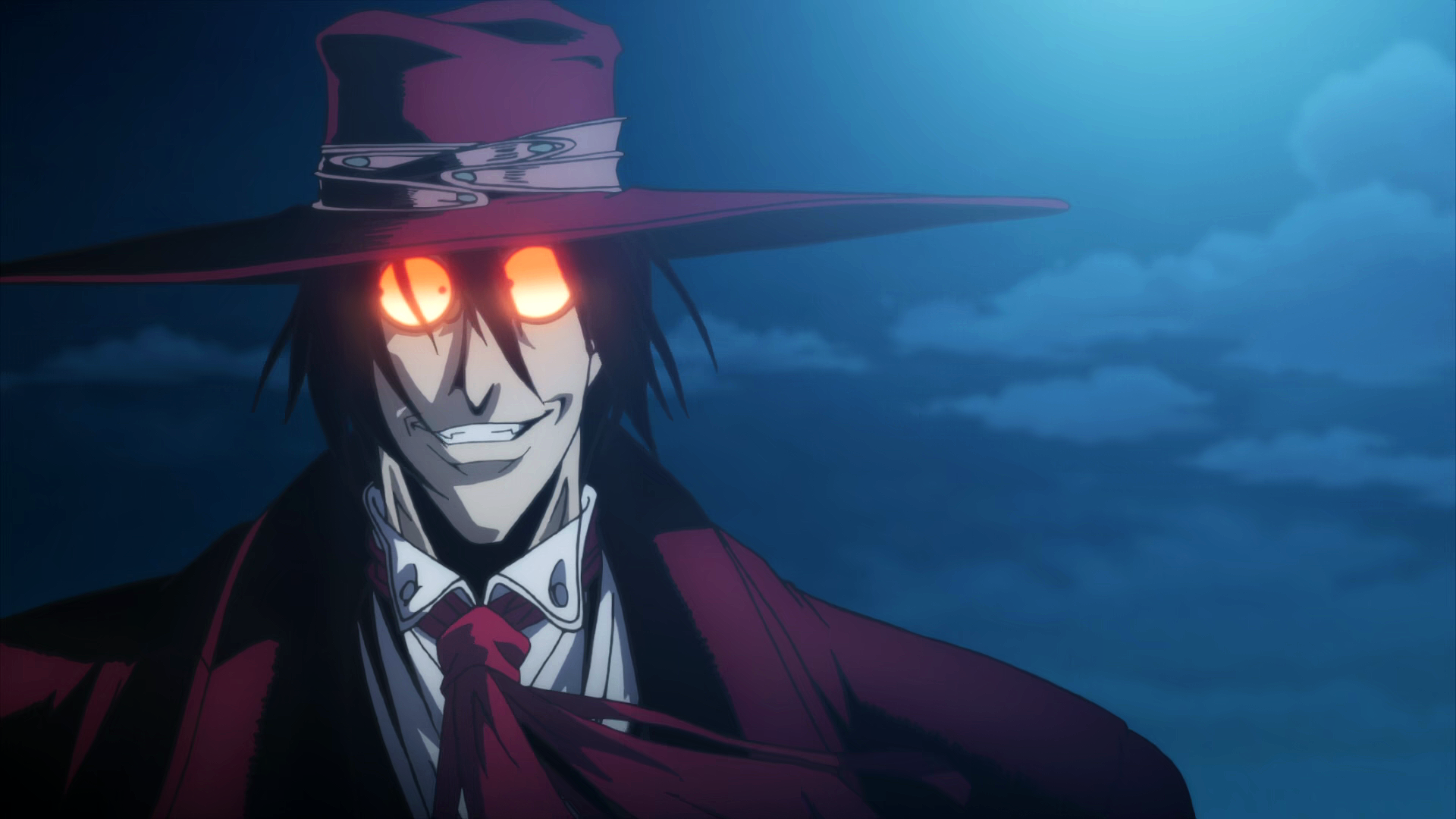
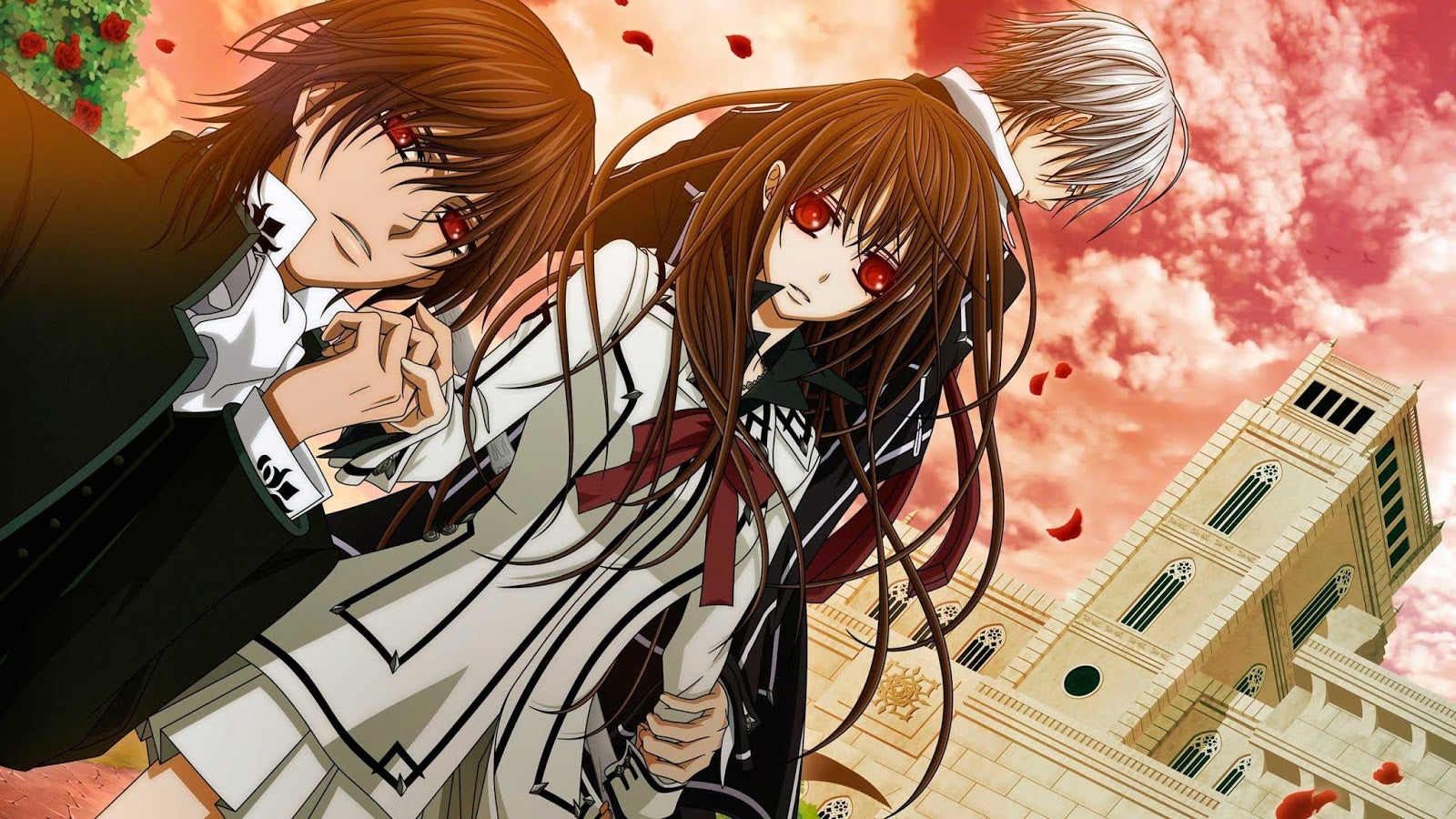
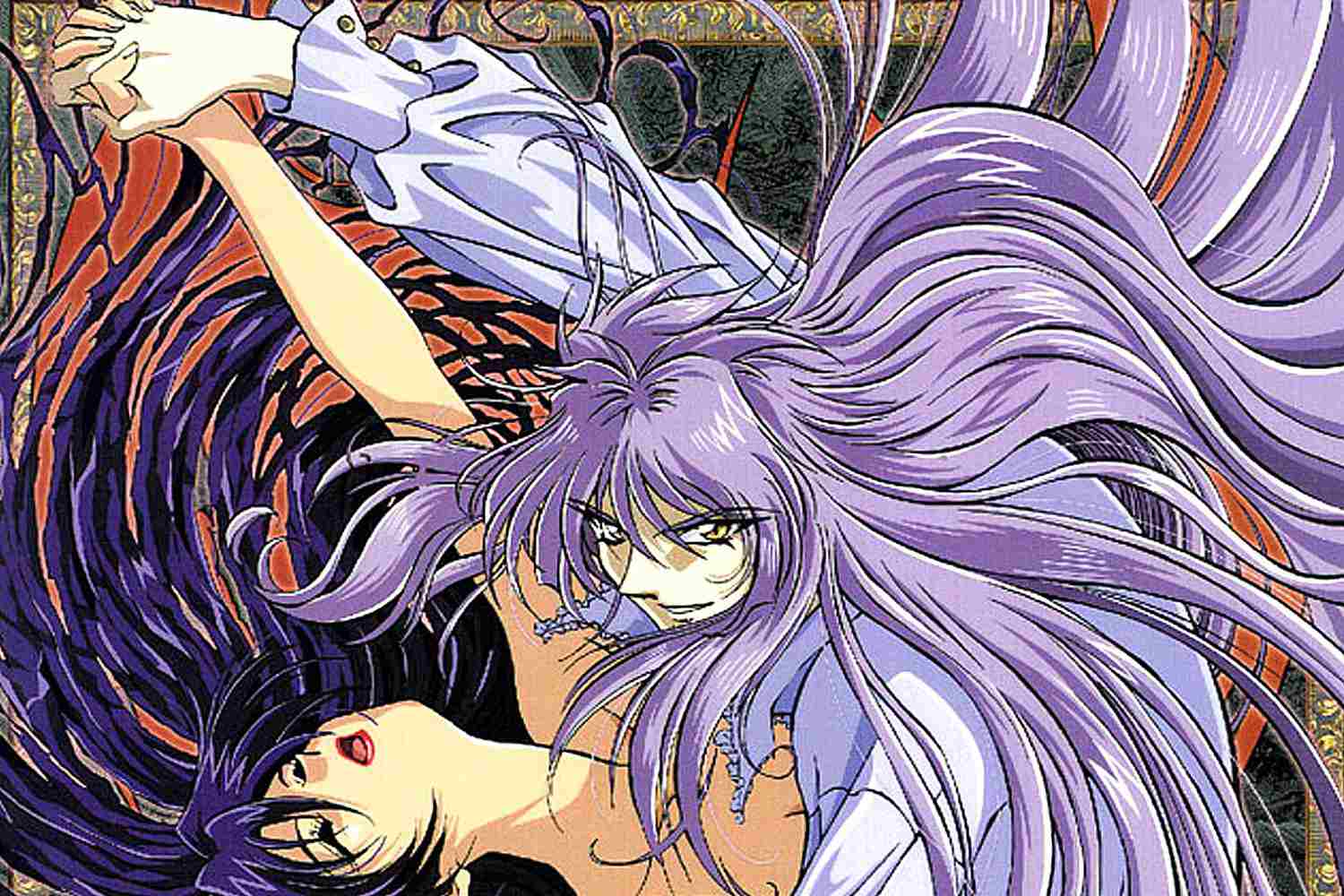
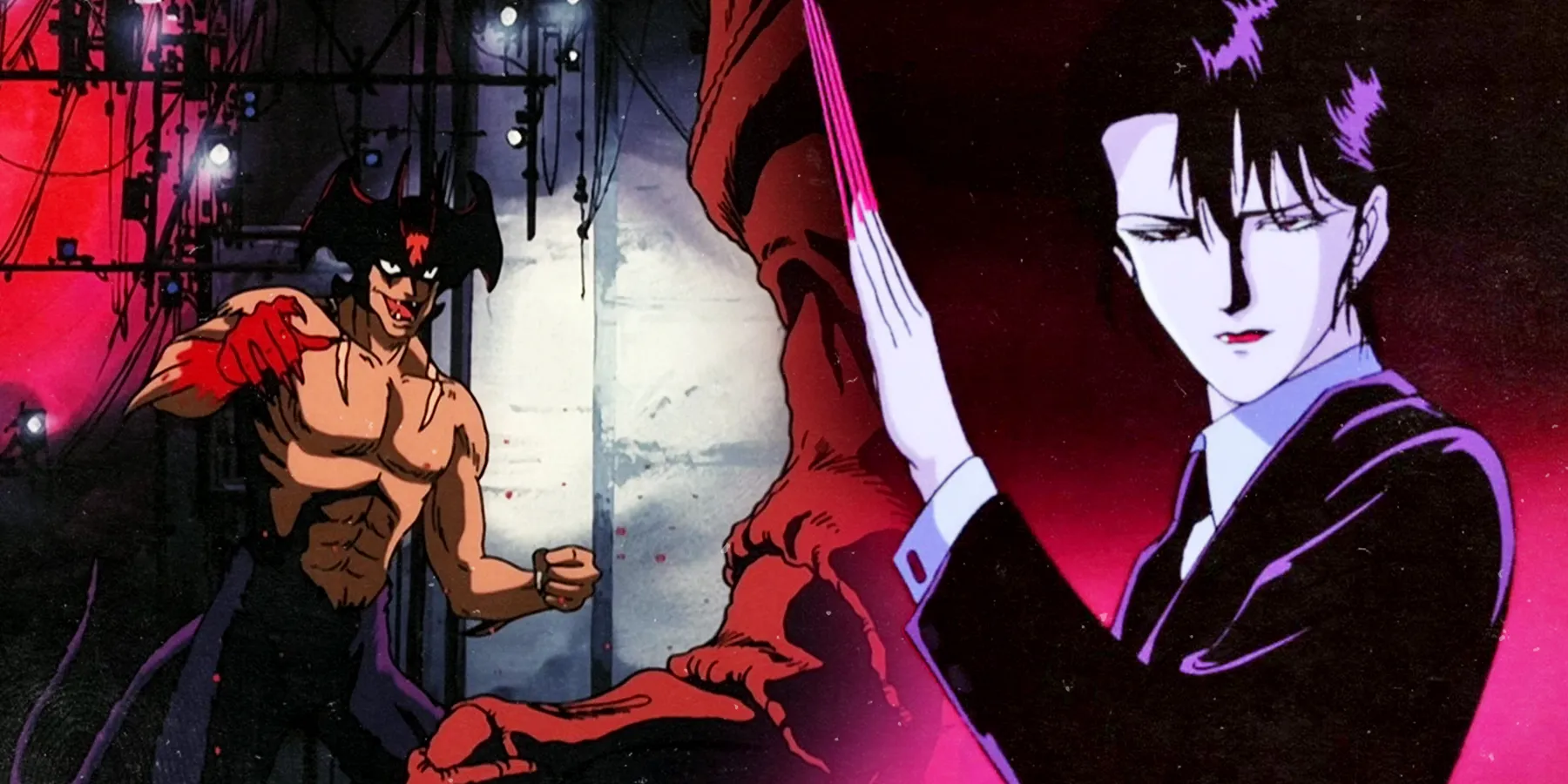
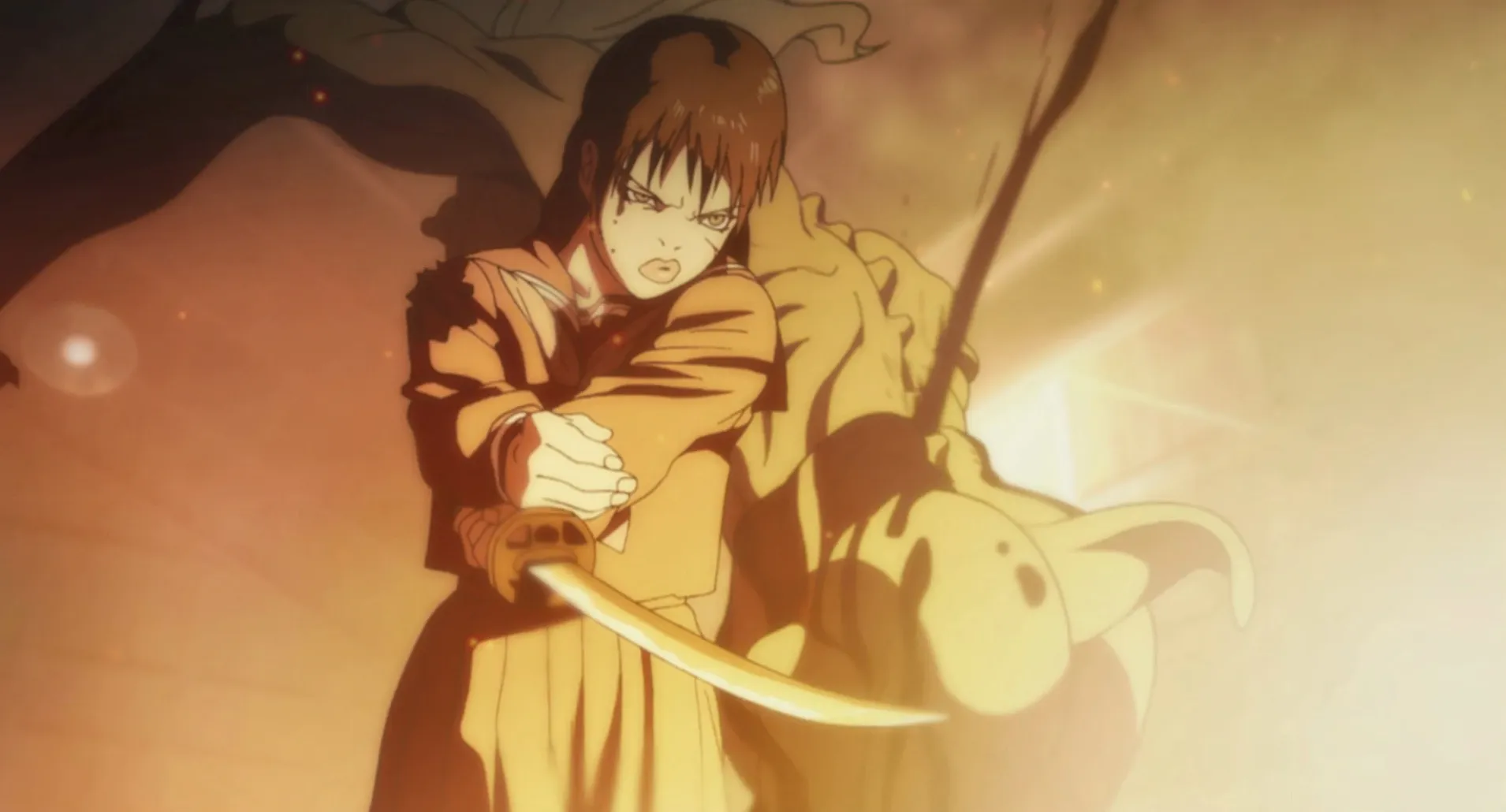
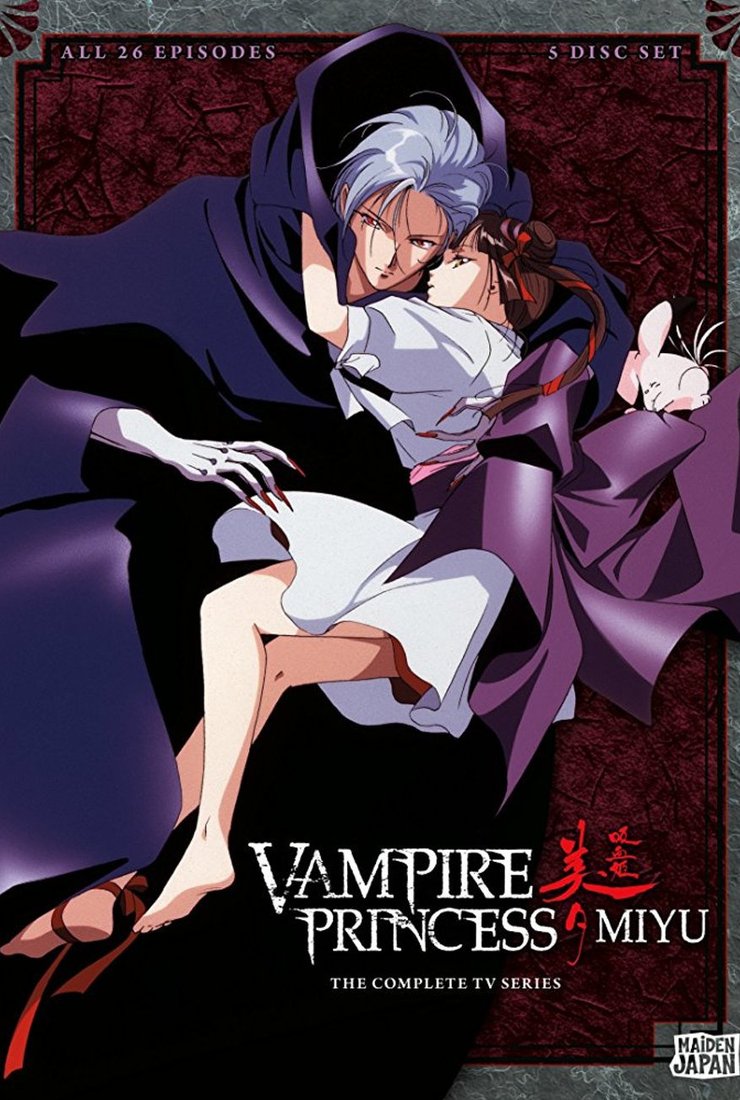
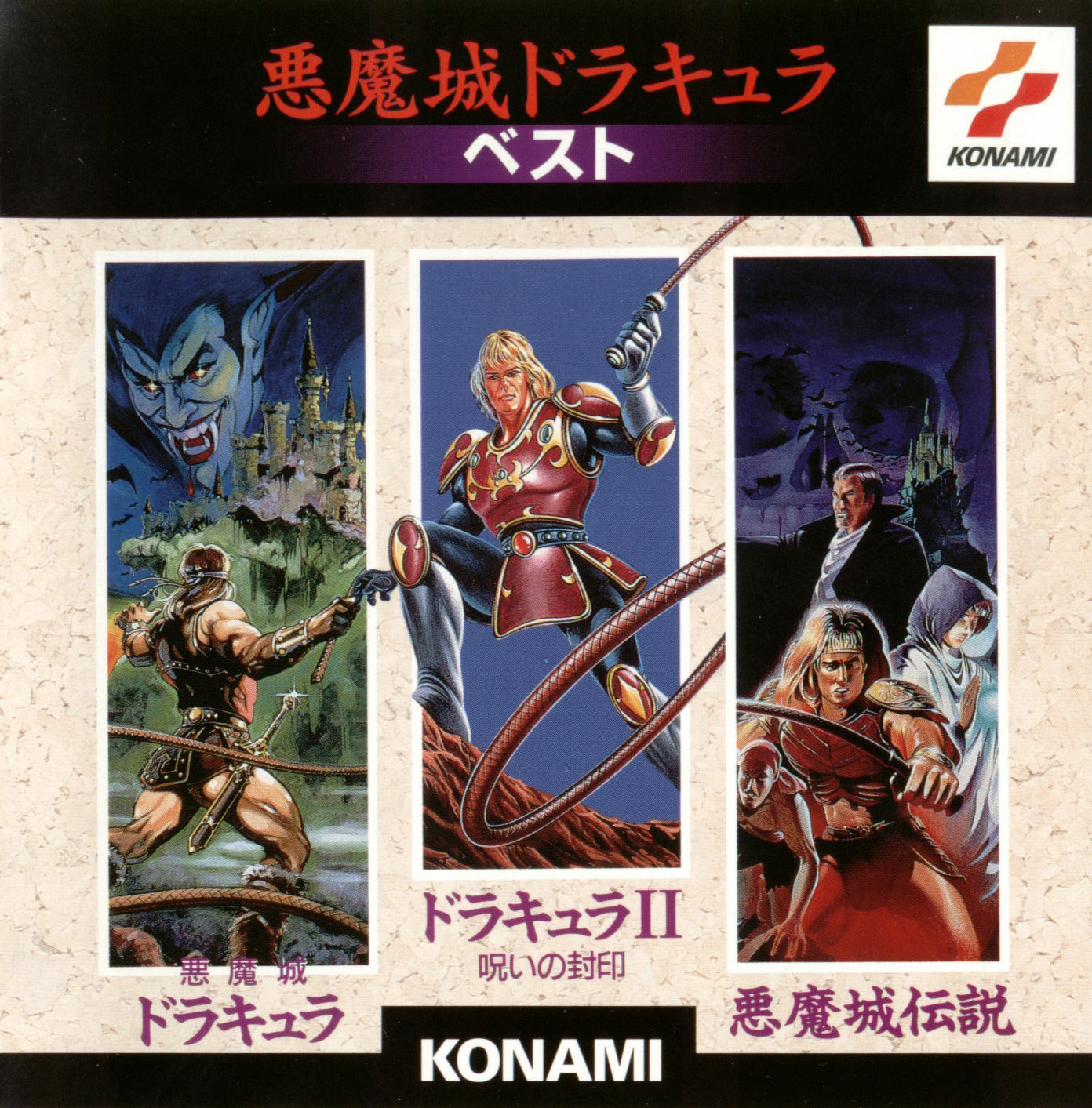
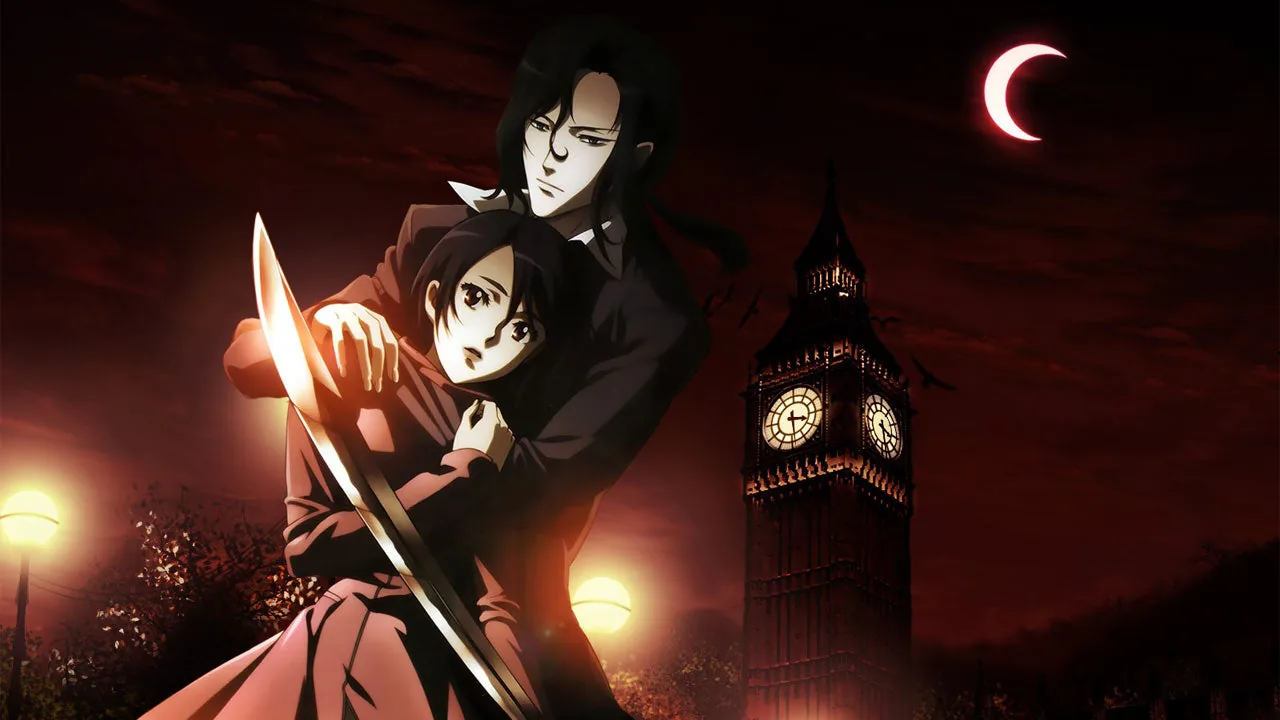
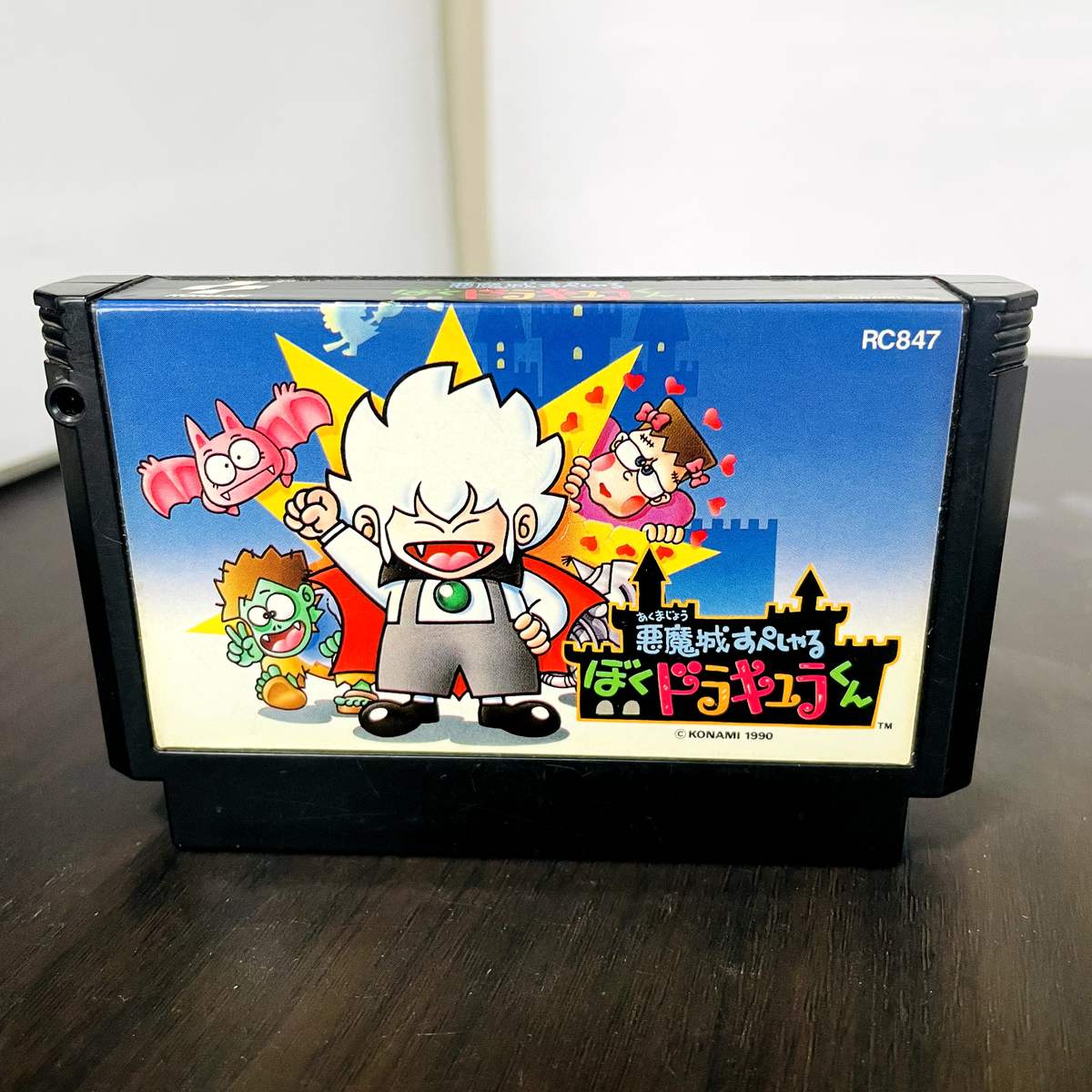
While Chocola attends night classes at Matsutani Junior High School, Dracula is desperate to drink the blood of beautiful virgin women; an appropriate meal for a vampire of his stature. However, each night that Dracula goes out on the prowl he finds himself getting involved in some kind of disturbance which leads to him causing various trouble for the local residents. With nobody in Japan believing in vampires, his very presence causes trouble amongst the people in town.
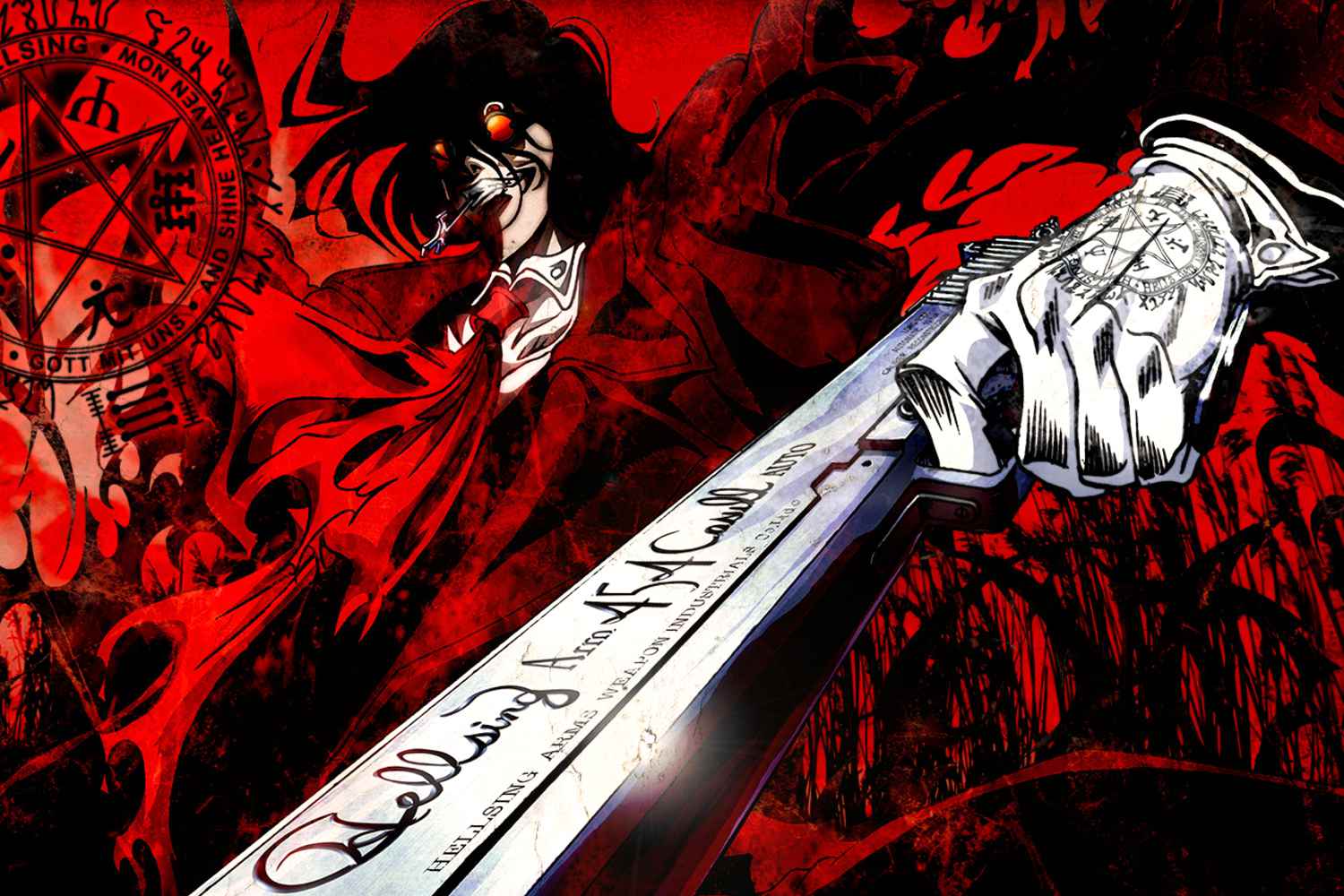
The slapstick comedy of the proud vampire adjusting to life in Japan is compounded by Professor Hellsing, Earl Dracula’s nemesis for the past ten years. He has come to Japan to exterminate Dracula, but has the tragic flaw of suffering from . In addition, Dracula is also pursued by Blonda, the first woman Dracula was able to drink blood from when he arrived in Japan. Because Blonda has a face only a mother could love, Dracula wants to get as far away from her as possible.
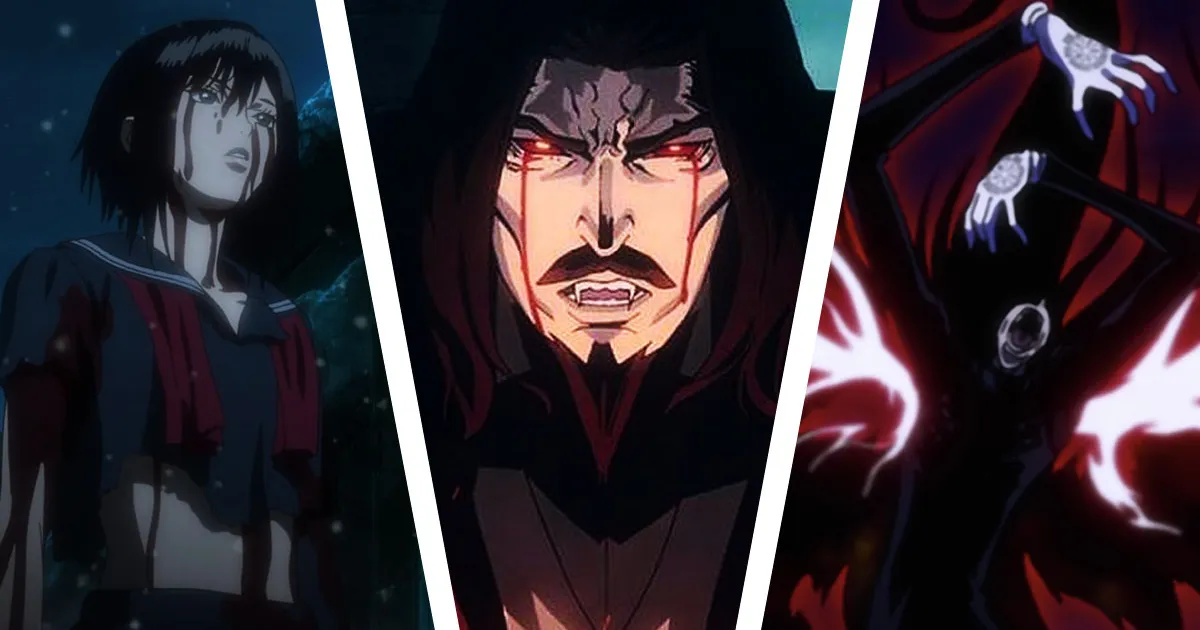
Just as interesting, Miyu is cast as a Japanese figure, not an exotic European one. Japan does not have any clear vampire figures in its mythology or folk tradition, so vampires and the vampire genre were largely inspired from imported Western movies. “Originally, there seemed to be no blood-sucking, immortal creatures in Japanese folktales or legends,” explains Shimokusu Masaya in his introduction to Vampiric: Tales of Blood and Roses in Japan. “With the huge influx of Western cultures, however, [vampires] started entering the mind-set of the Japanese. … In the 1950s and 1960s the film Dracula had a strong impact … the image of an aristocratic dark figure represented vampires for the Japanese in the late 20th century.”
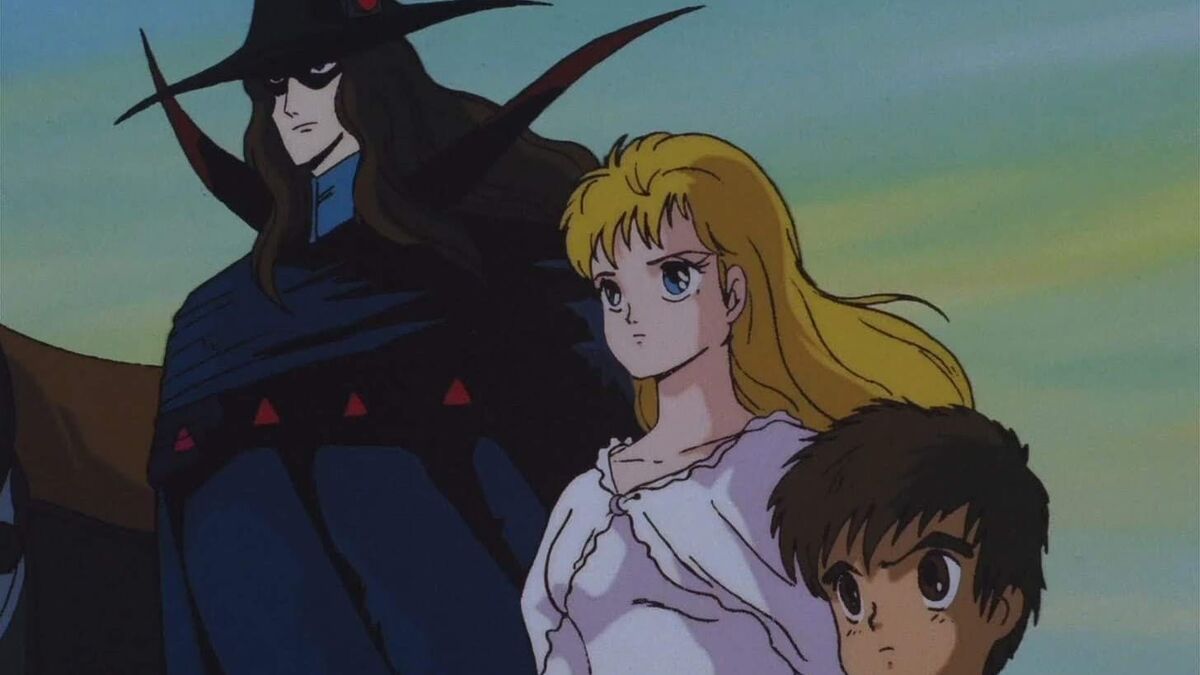
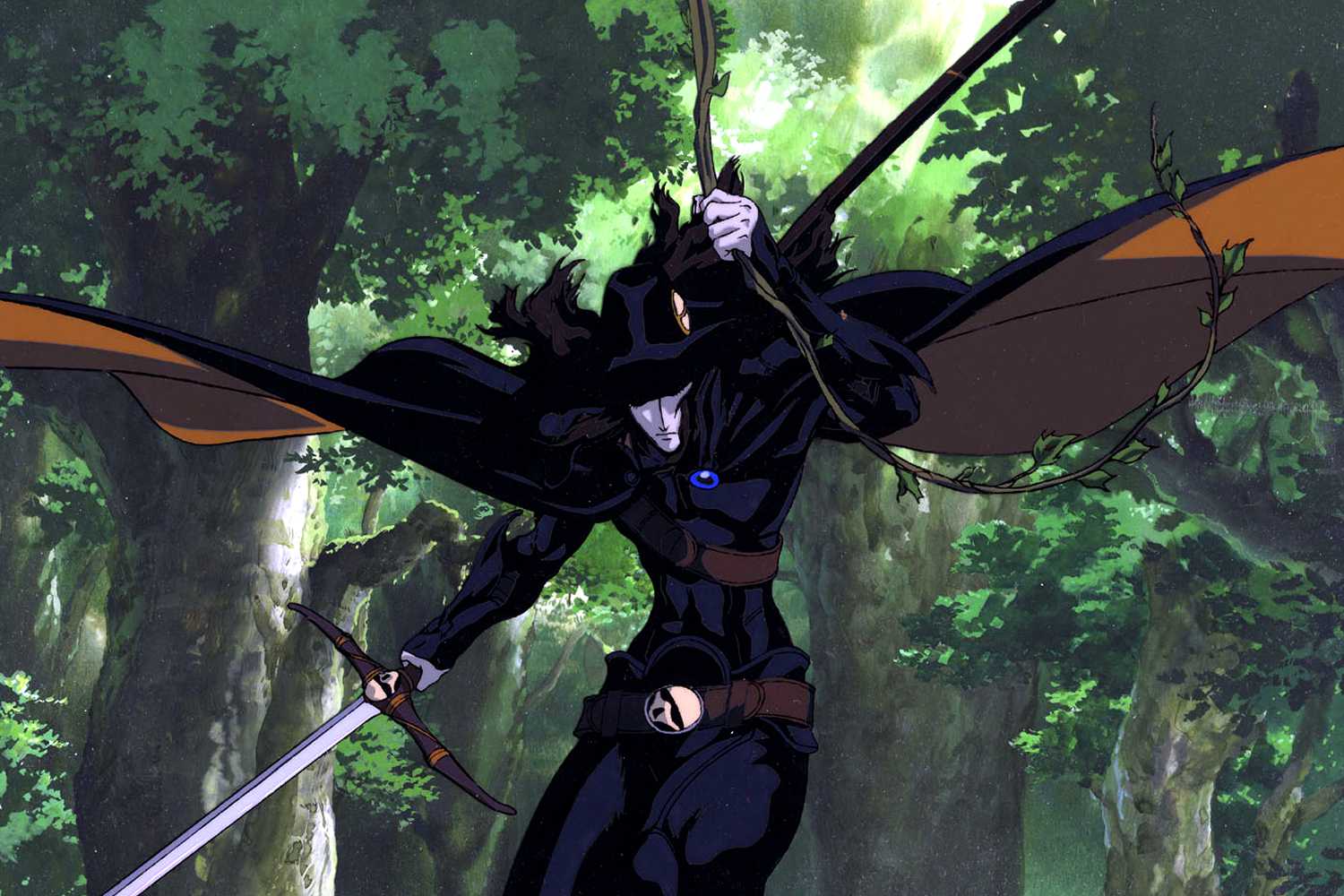
Born in Chiba prefecture in 1949, Hideyuki Kikuchi has garnered a stellar reputation as one of Japan’s leading horror authors. Both the work of manga artist Osamu Kishimoto and Hammer studio’s Dracula (1958) served as a major influence for what would become Vampire Hunter D, the first novel landing on shelves in January 1983. Under the impression that the series would not be published as a horror alone, Kikuchi set D’s tale in the far-flung future of 12,090 AD, thus making it a more marketable sci-fi story.
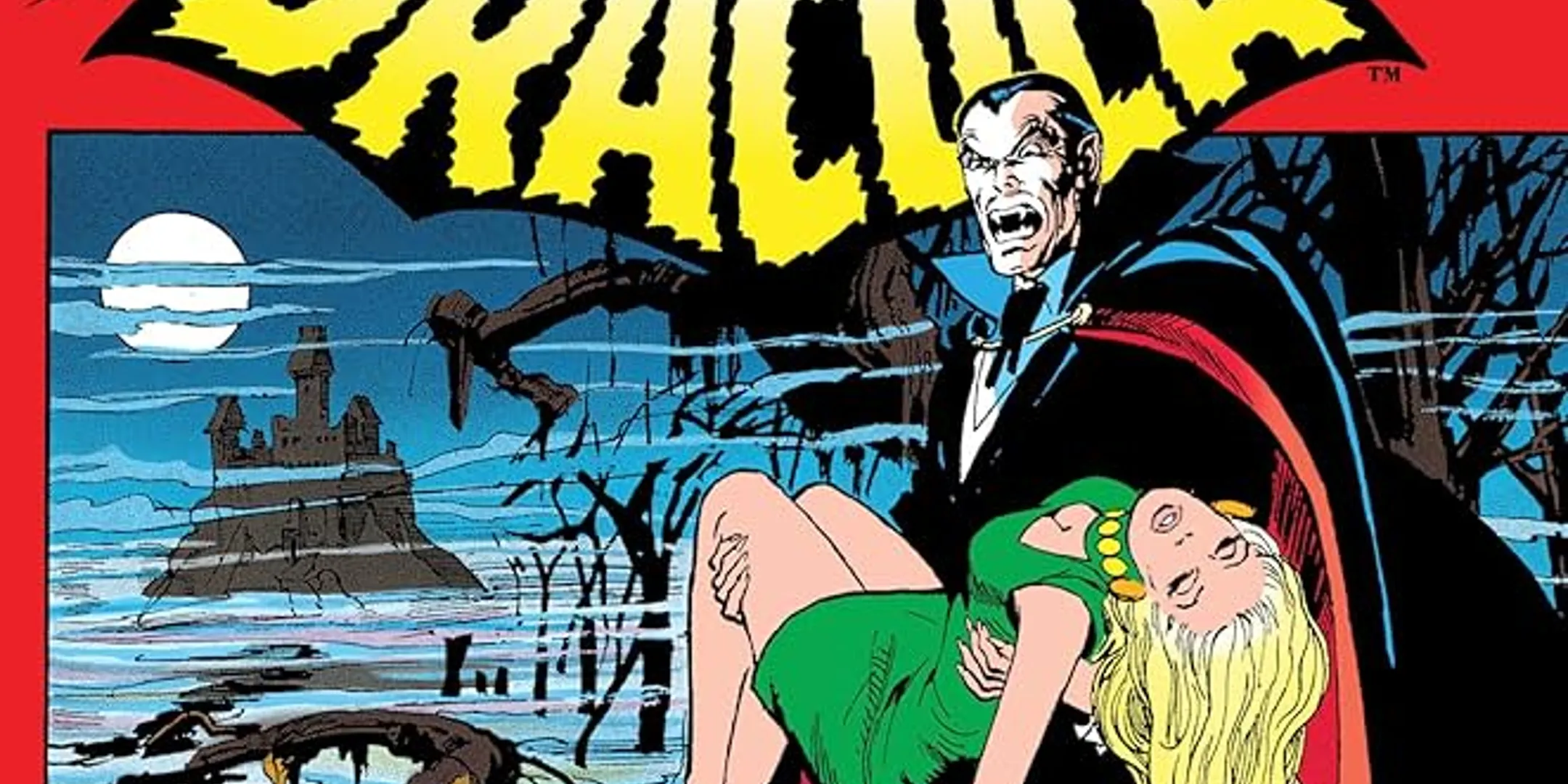
Dracula: Sovereign of the Damned was Marvel’s first foray into anime, but it was far from the last for the acclaimed comic book publisher. Just as original anime and manga in Japan continued picking up the popular trappings and tropes of Western superhero stories throughout the ’80s and ’90s, Marvel would similarly pick up on those of their overseas contemporaries. This eventually led to the introduction of the Marvel Mangaverse in 2002, which reimagined the likes of Spider-Man, the X-Men, and the Hulk into manga-fied versions of themselves. While the Mangaverse wasn’t all that well received, it would be followed up by a series of Marvel anime films and television series beginning with 2010’s Iron Man.