Mangalyam
Gallery
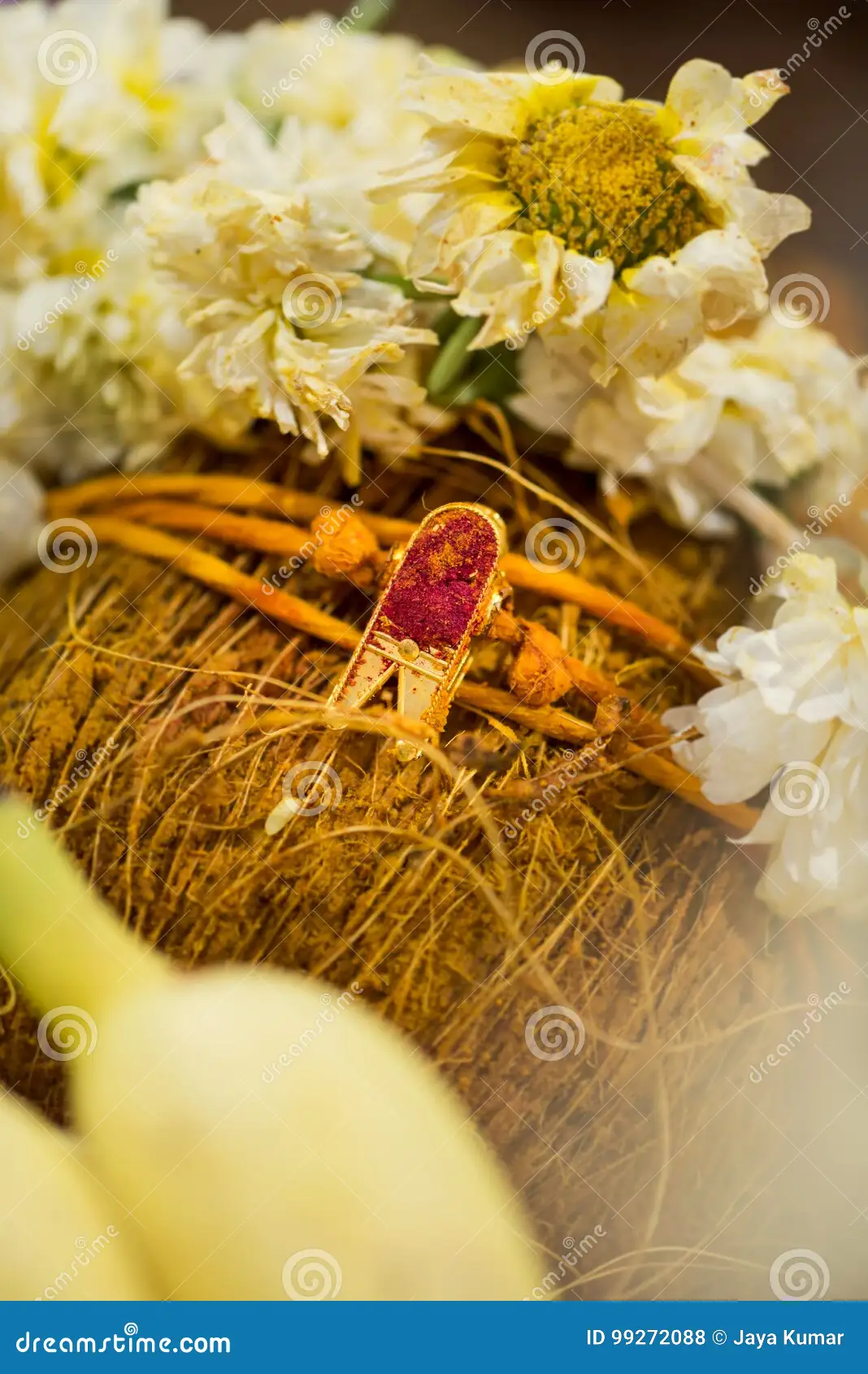


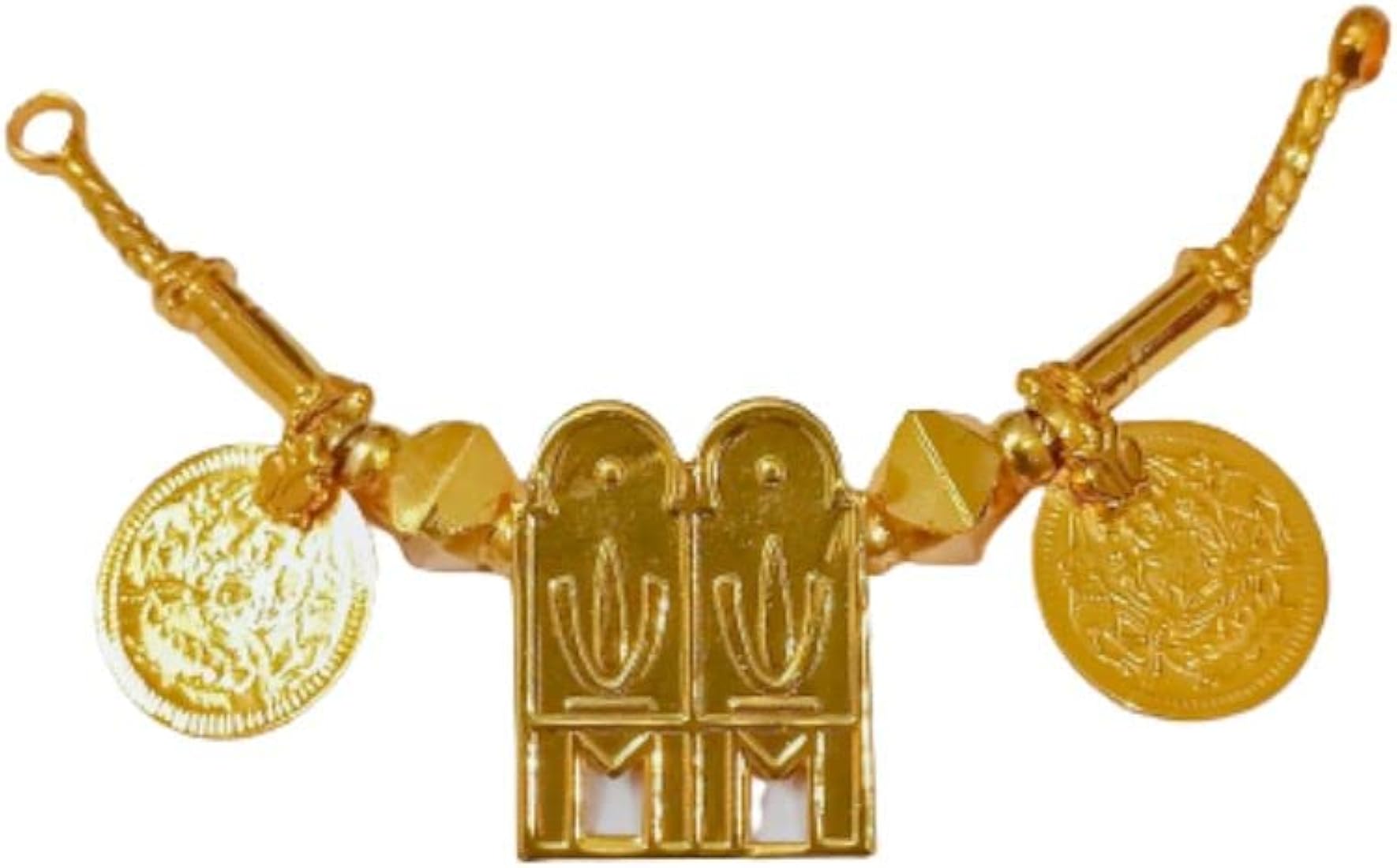
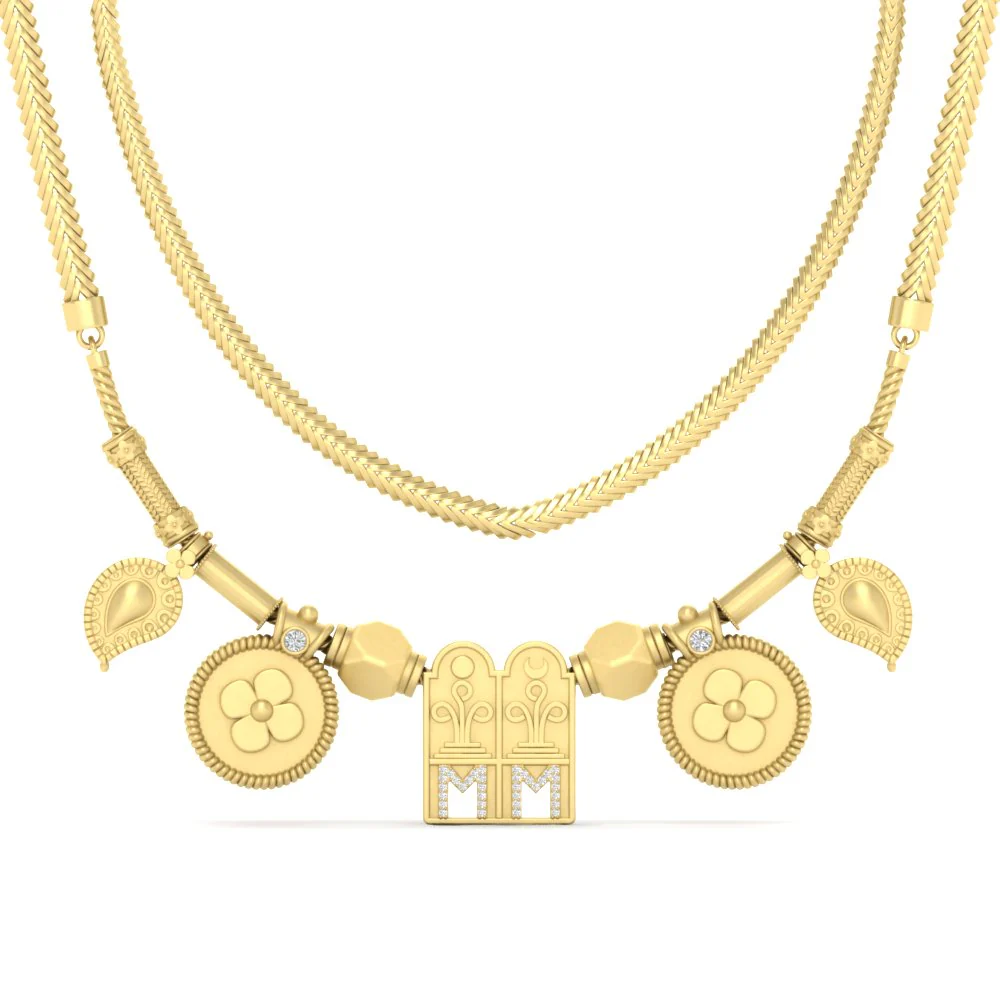

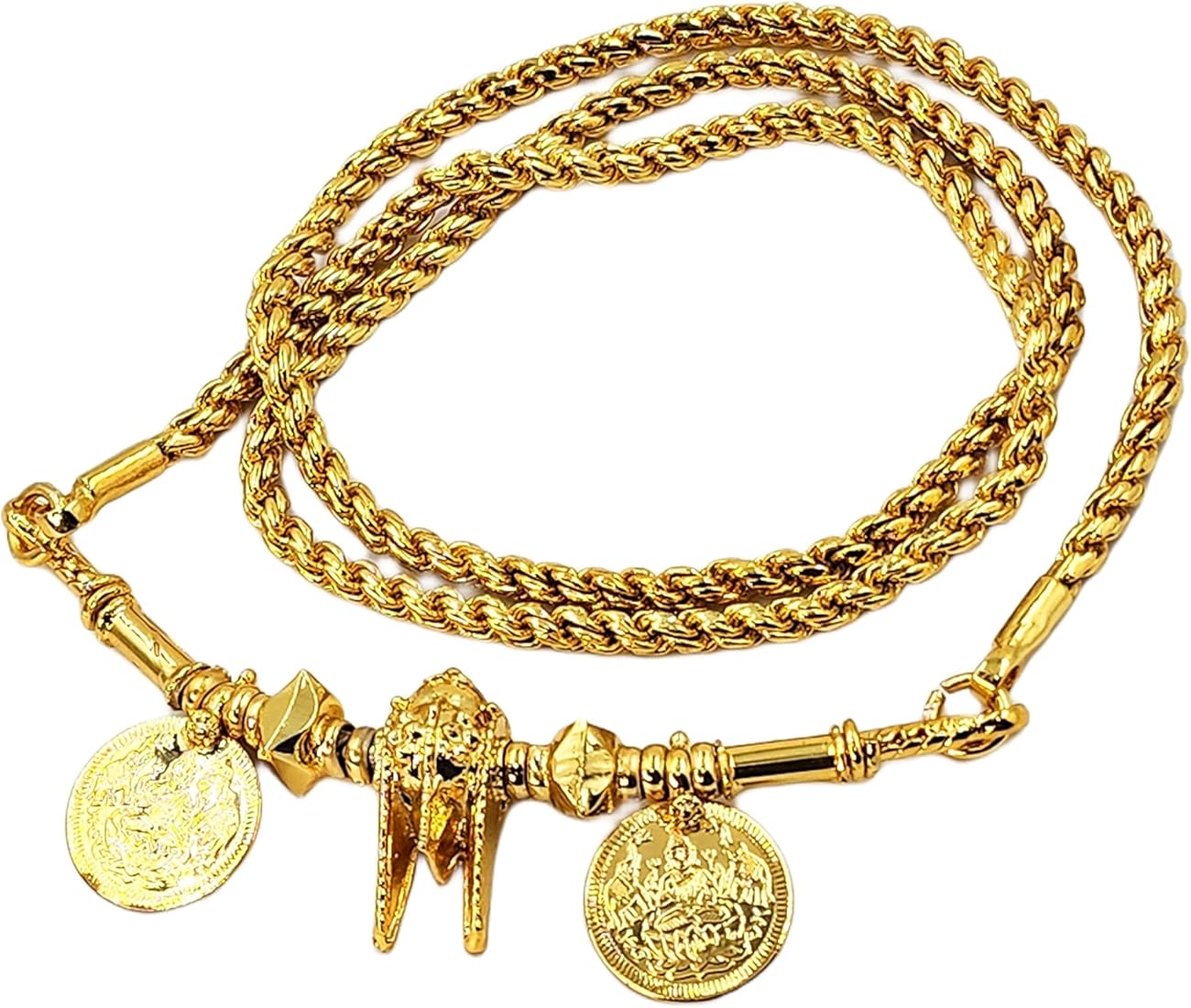


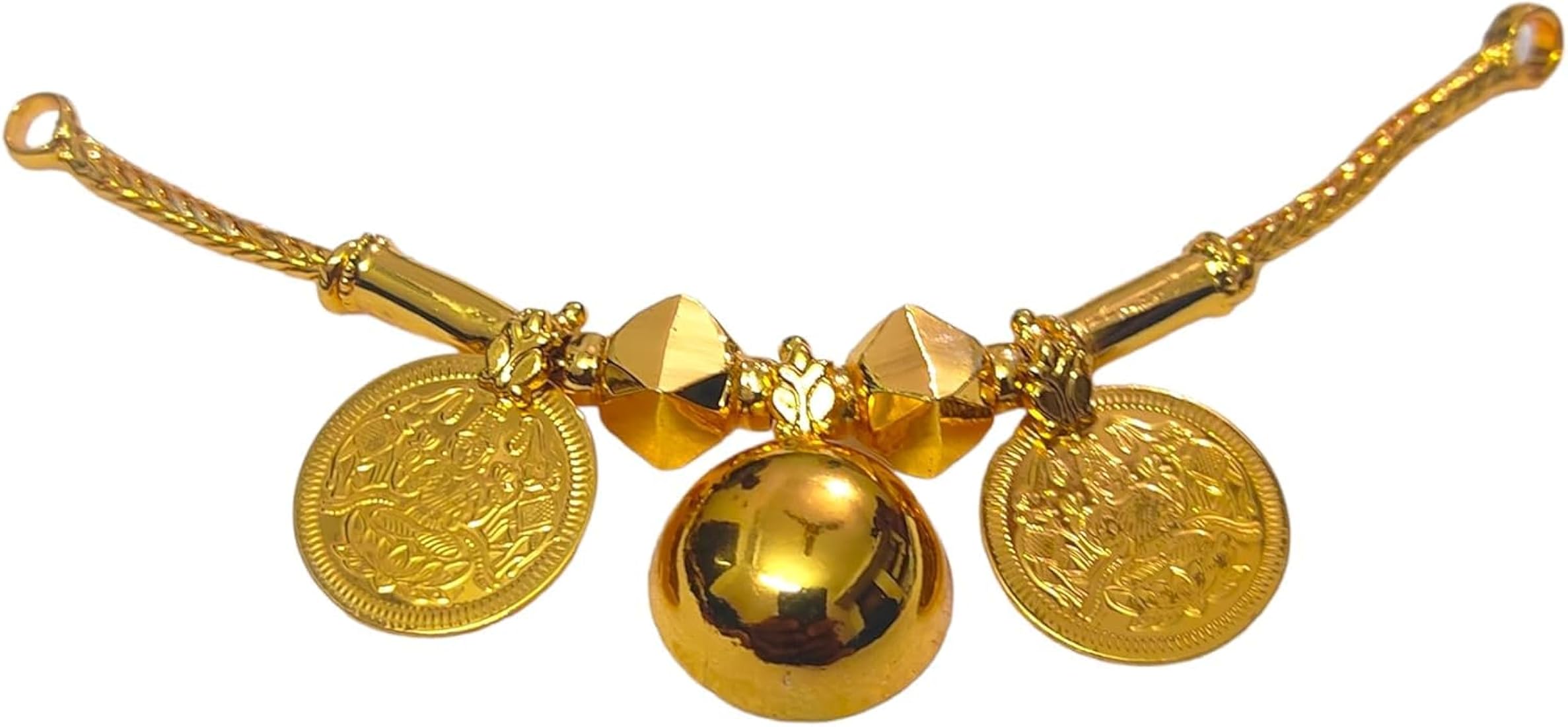
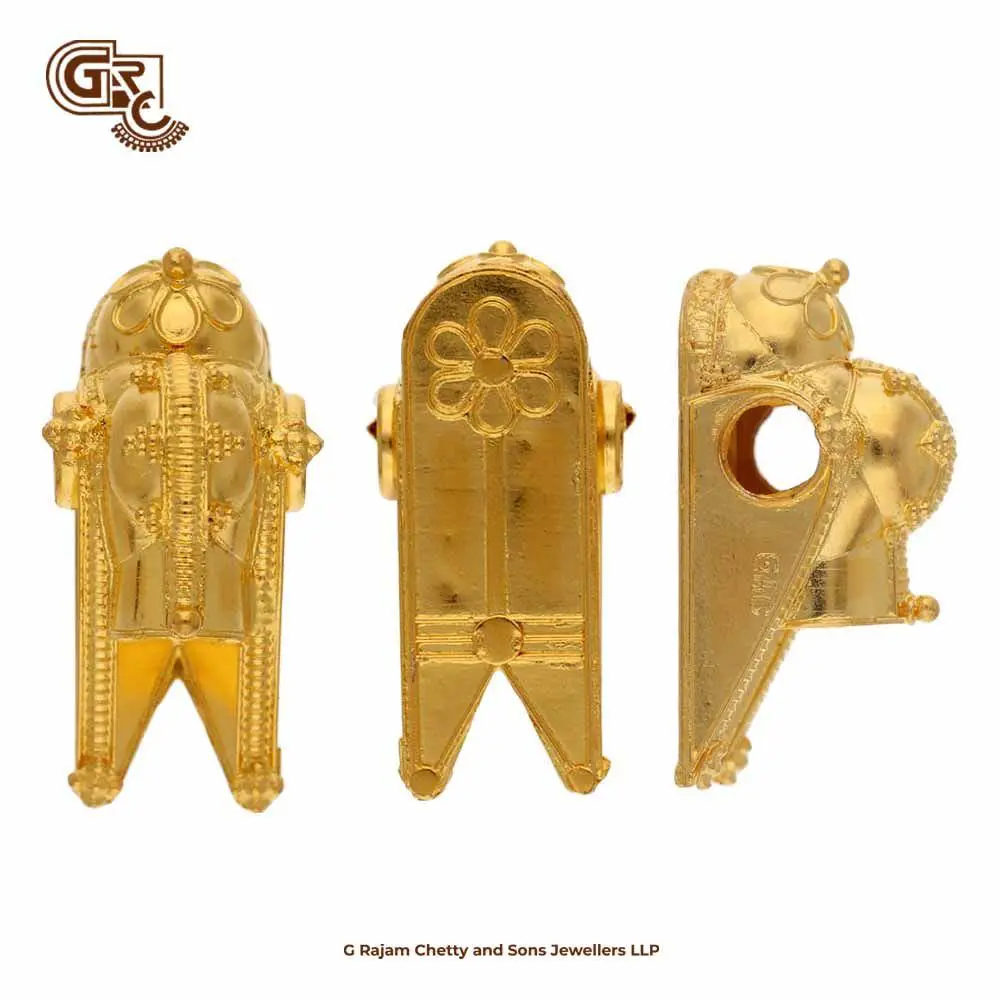
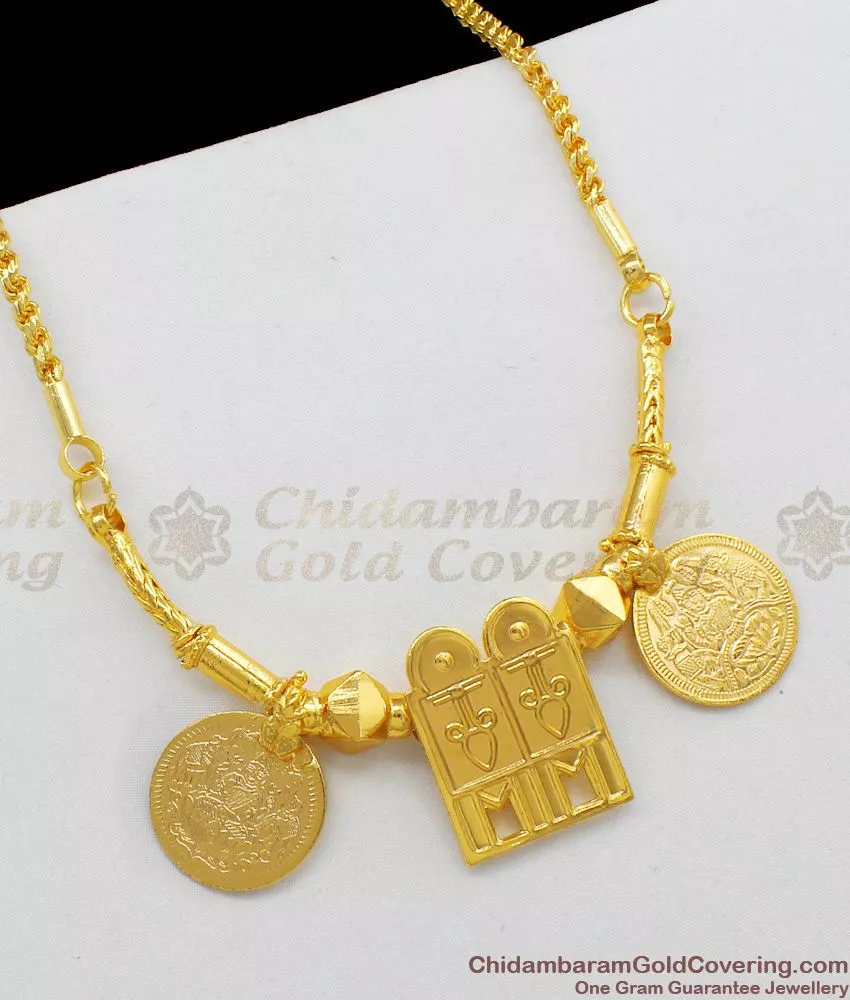
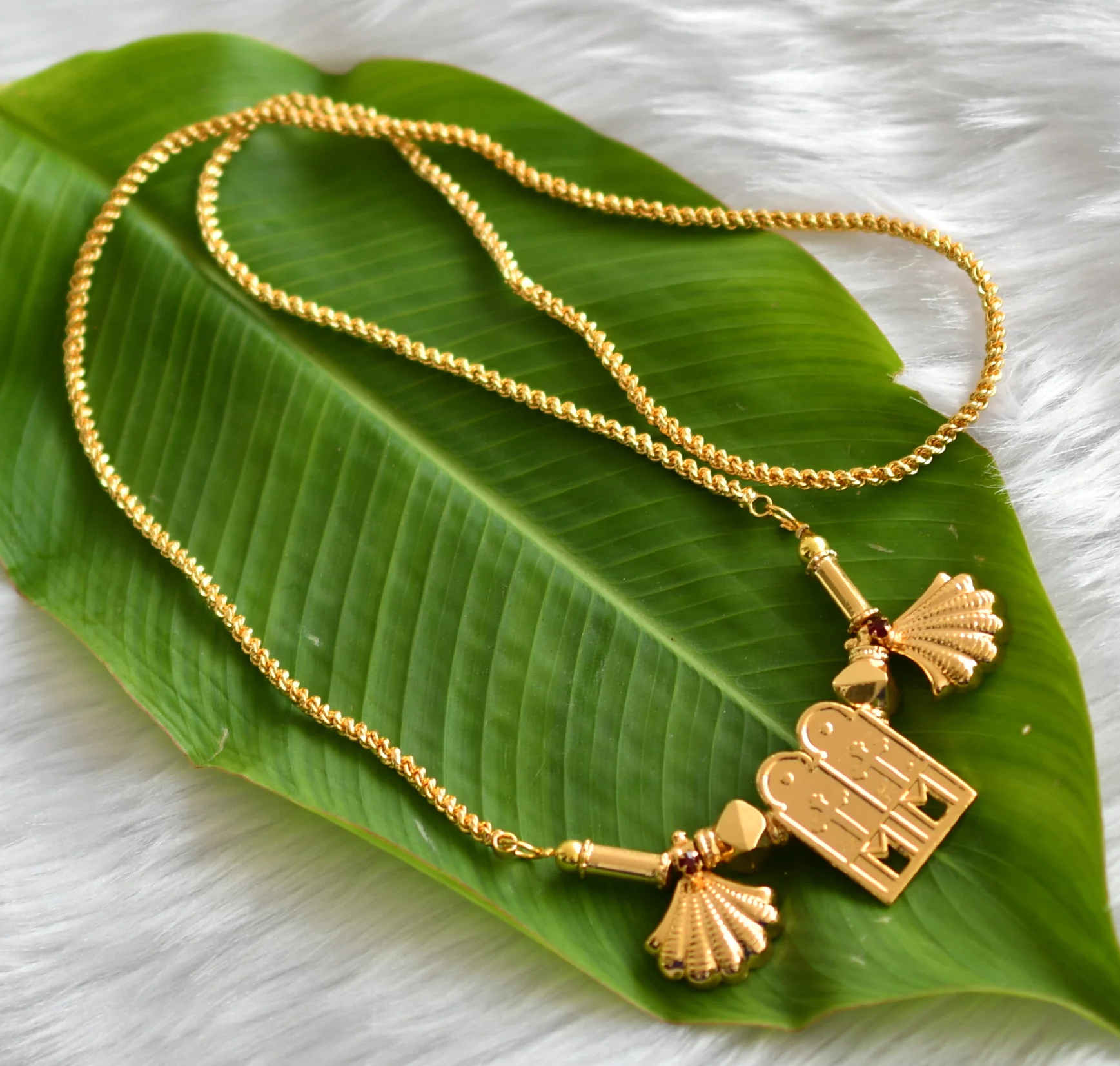
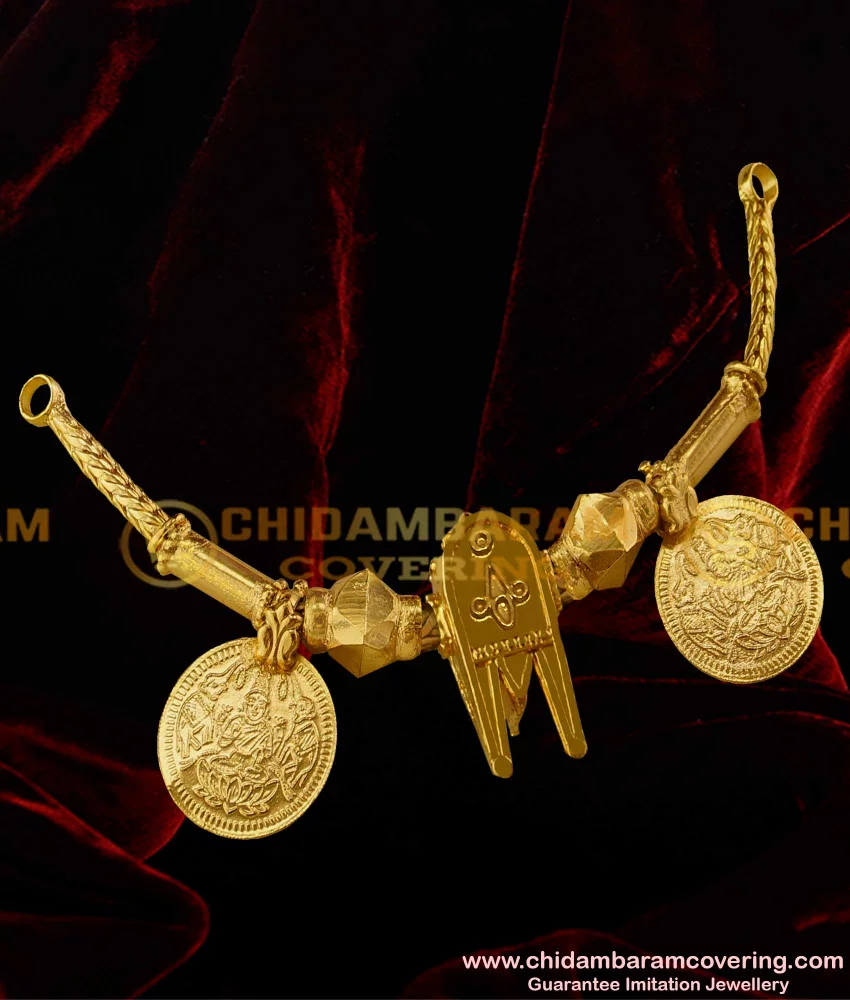
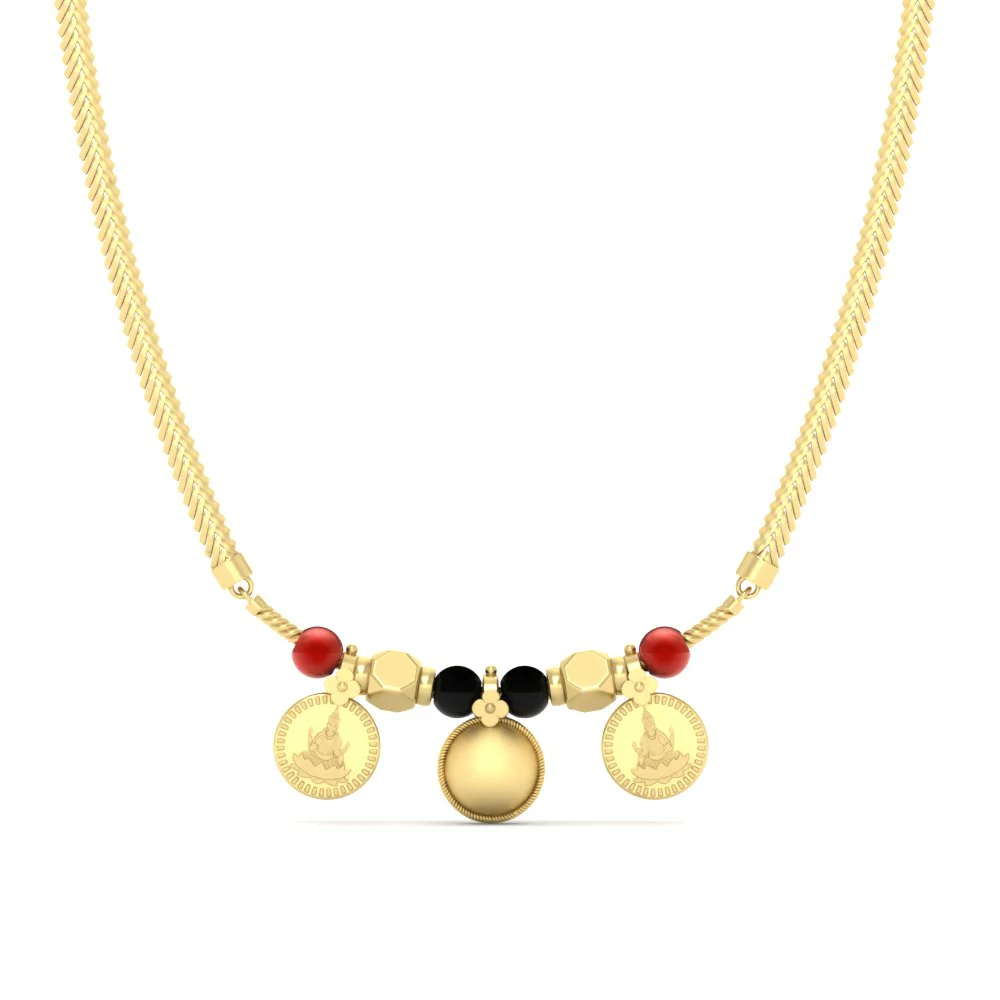
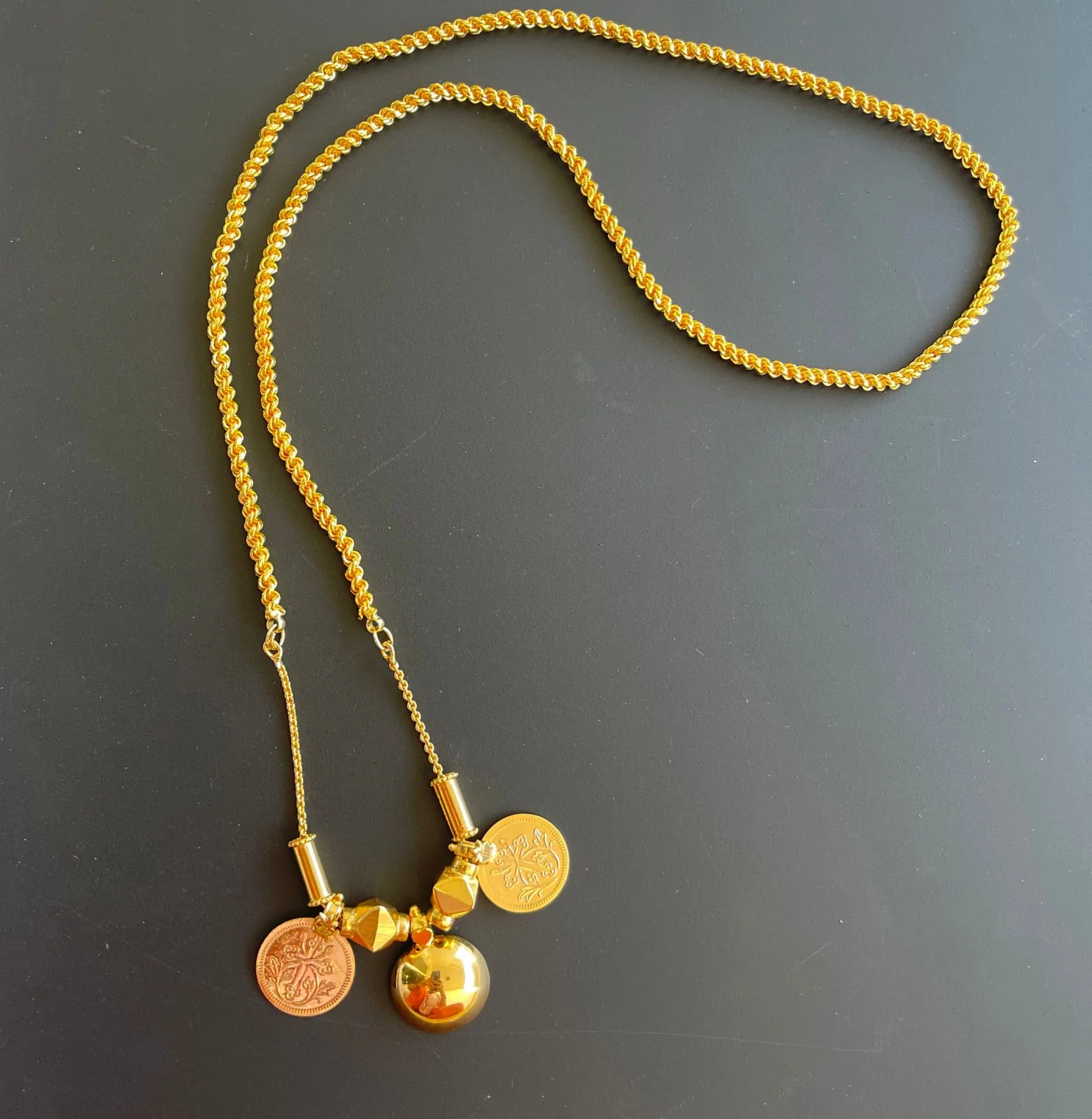
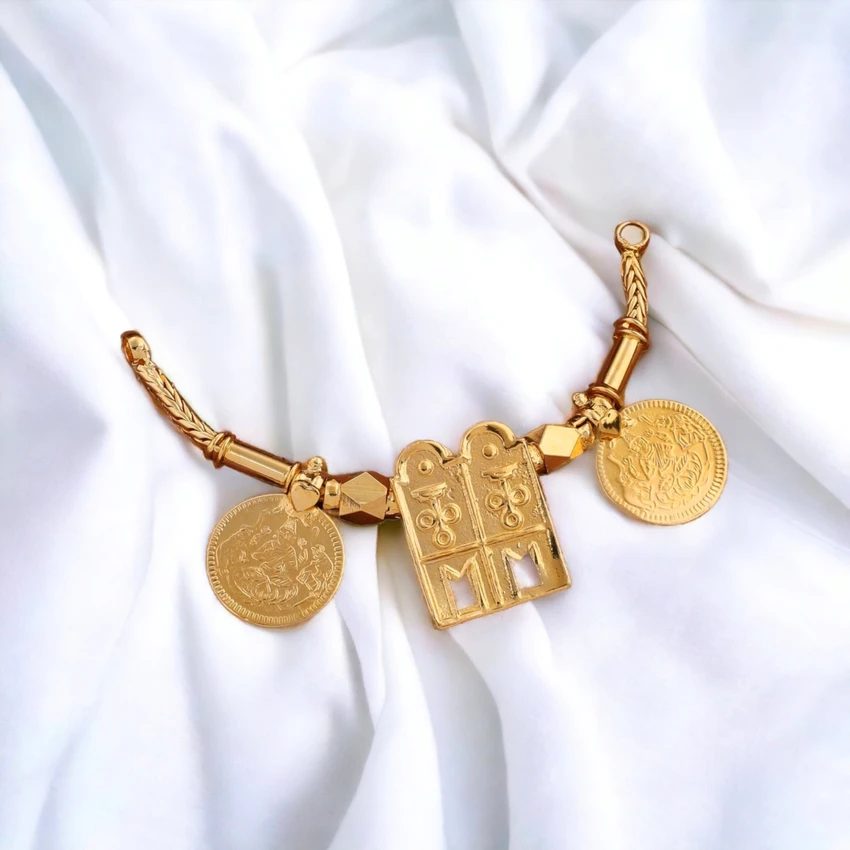
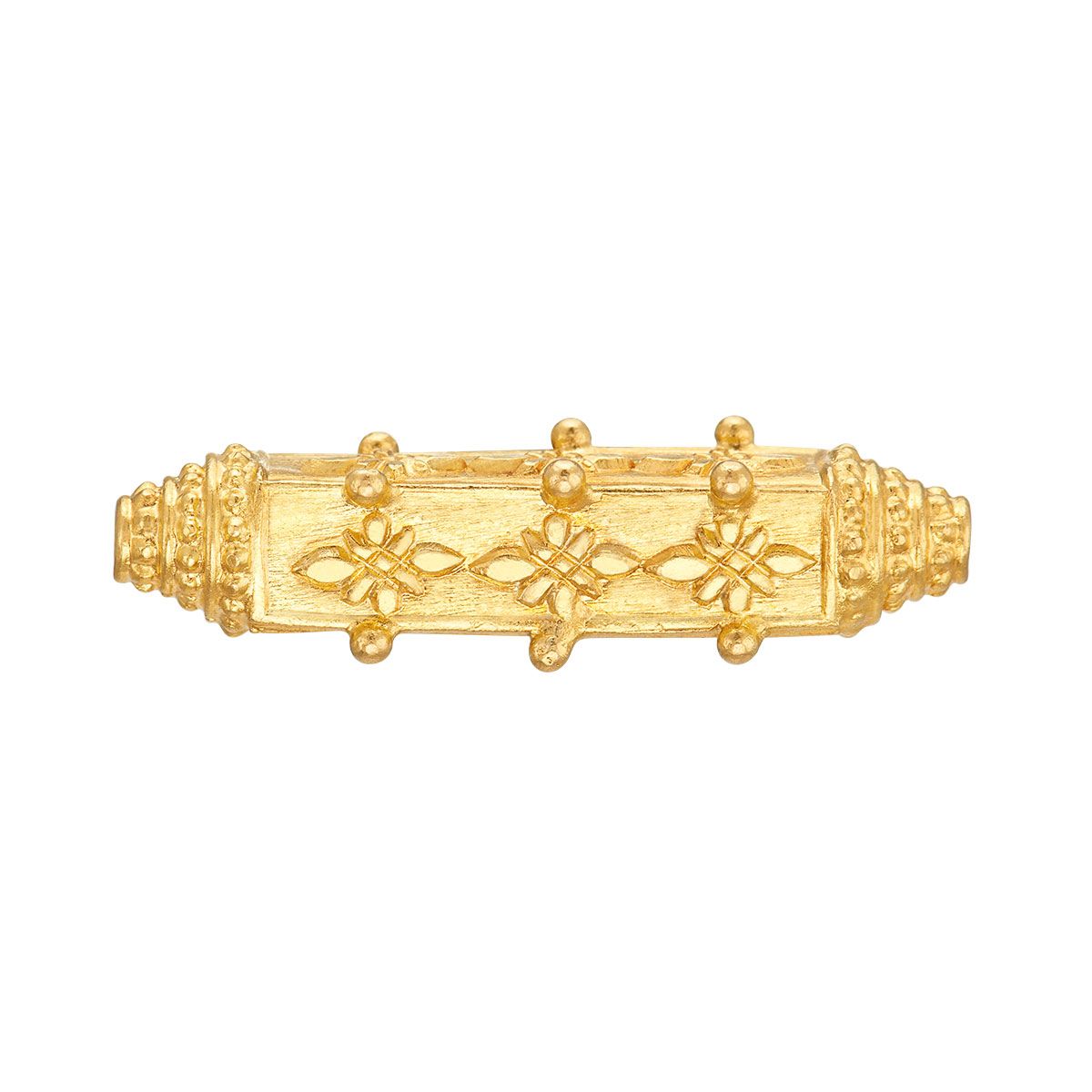
A beautiful traditional thali kodi with mangalyam pendant ideal for women. This design comes with one mangalyam pendant, two thali kundu, two naanal and two lakshmi coin.
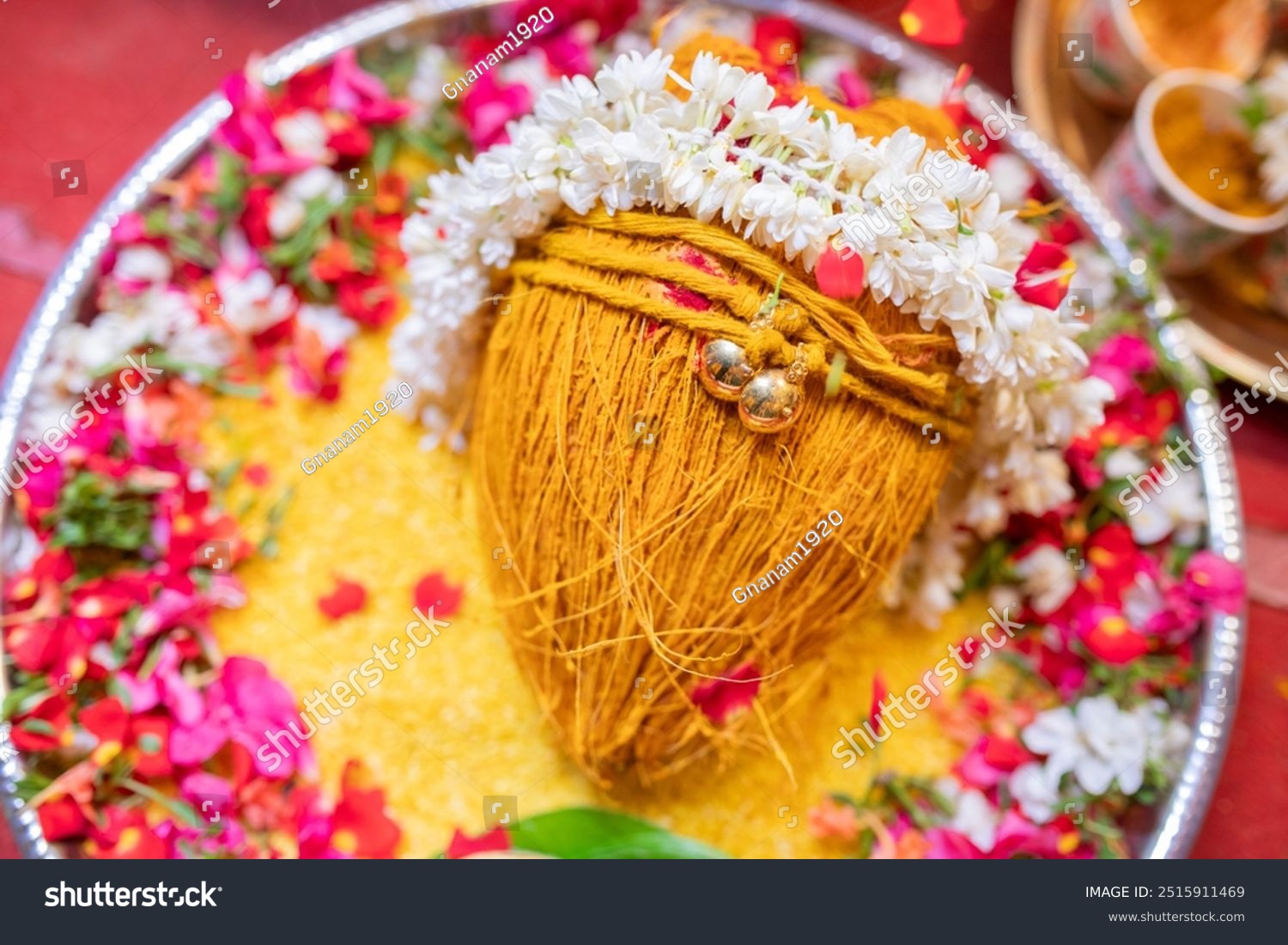
In Tamil culture, the mangalyam, also known as the thali or mangalsutra, is a sacred thread that is tied around the bride’s neck during the wedding ceremony. The mangalyam is an essential part of the Tamil wedding, and its historical significance can be traced back to ancient times.
The mangalyam is believed to have originated during the Tamil Sangam period, which lasted from 300 BCE to 300 CE. During this period, the mangalyam was a simple thread made of grass or leaves, and it was tied around the bride’s neck by the groom as a symbol of their union. The thread was believed to have magical powers, and it was considered a way of protecting the bride from evil spirits.
Over time, the mangalyam evolved and became more elaborate. During the Chola period, which lasted from the 9th century to the 13th century CE, the mangalyam was made of gold and was adorned with precious stones. The Cholas were known for their love of gold, and the mangalyam became a symbol of the bride’s family’s wealth and status.
During the Nayak period, which lasted from the 16th century to the 18th century CE, the mangalyam became even more elaborate. It was often made of gold and was adorned with intricate designs and precious gems. The mangalyam was also used as a way of showcasing the groom’s family’s wealth and status.