Mangalica1
Gallery
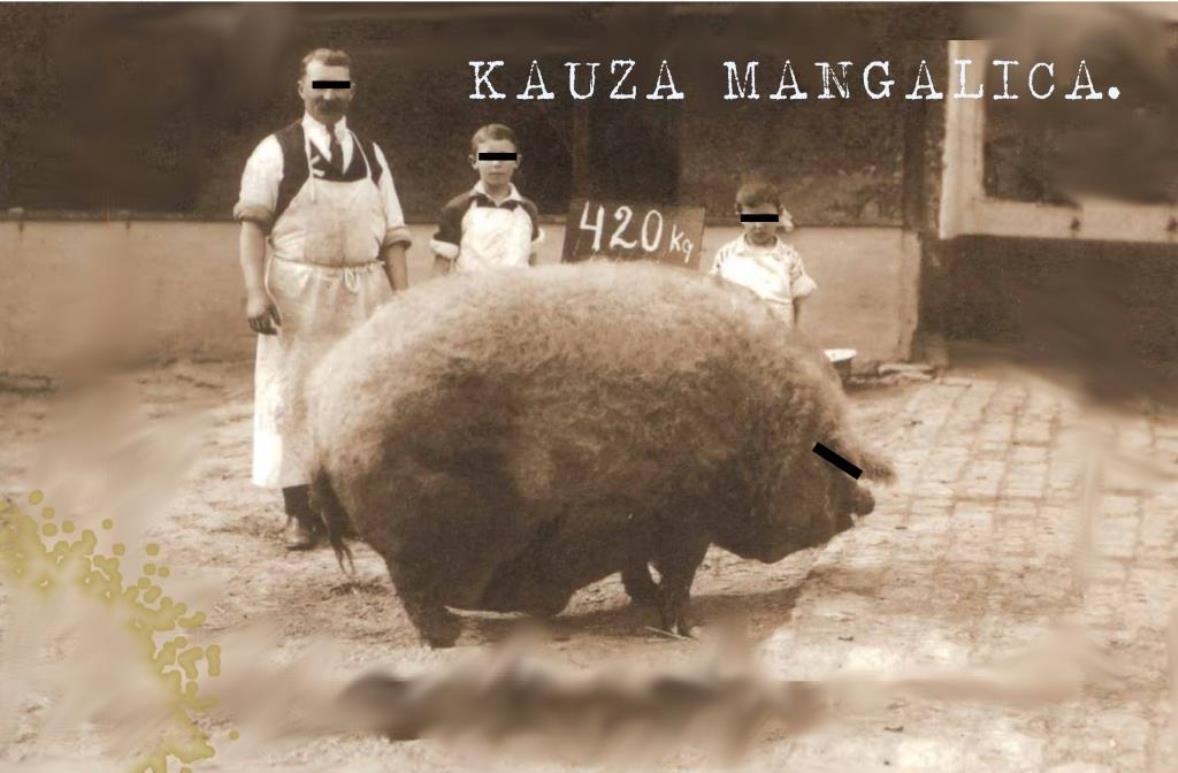
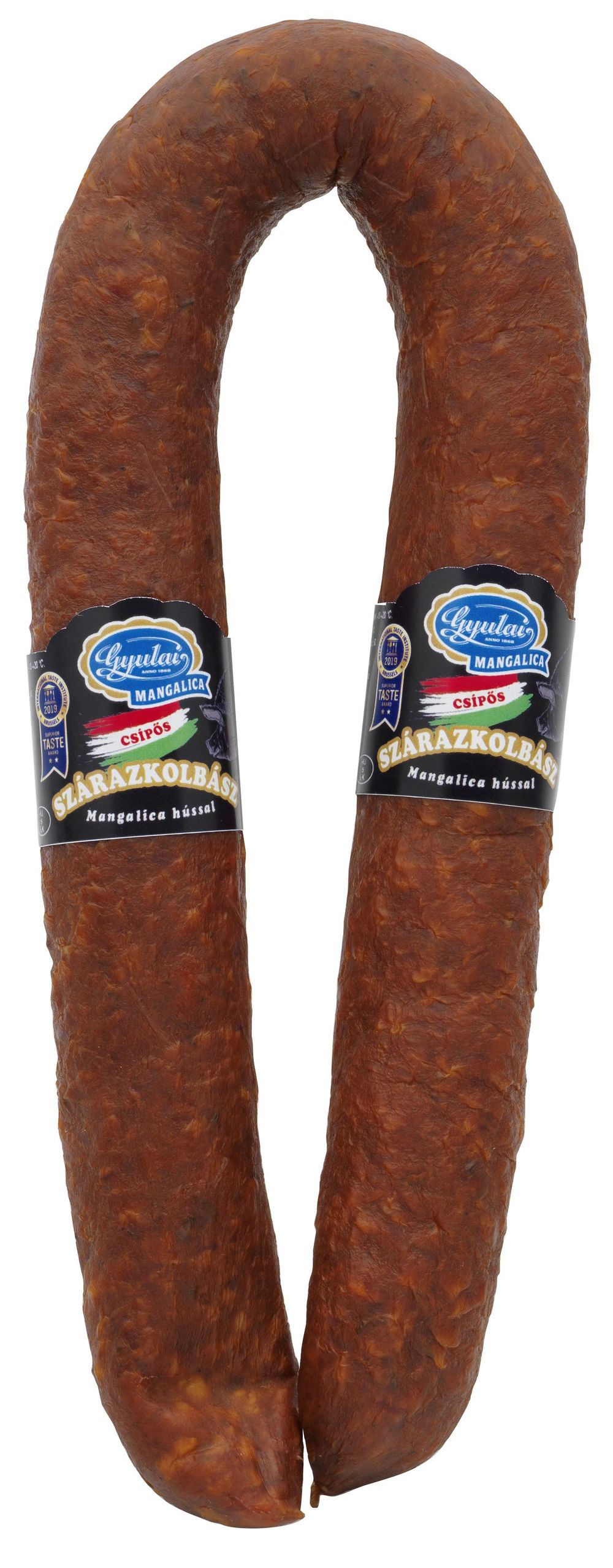



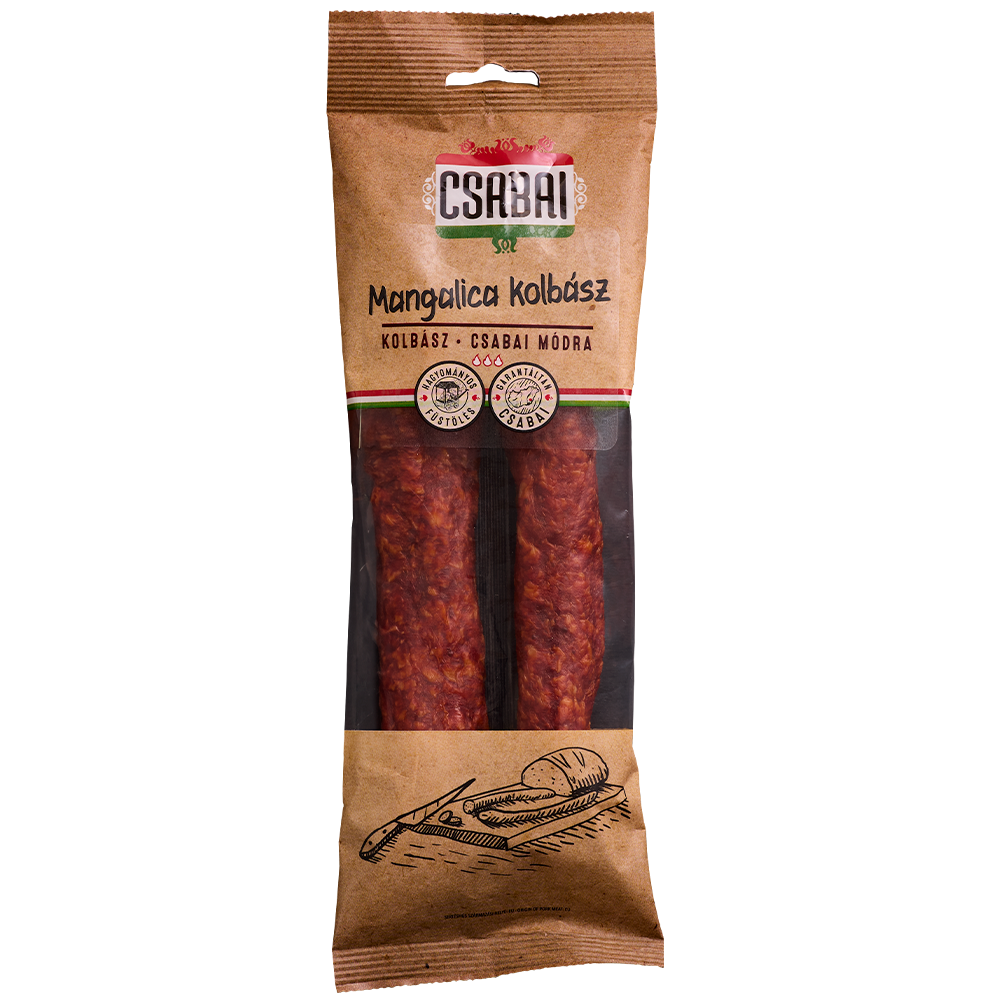

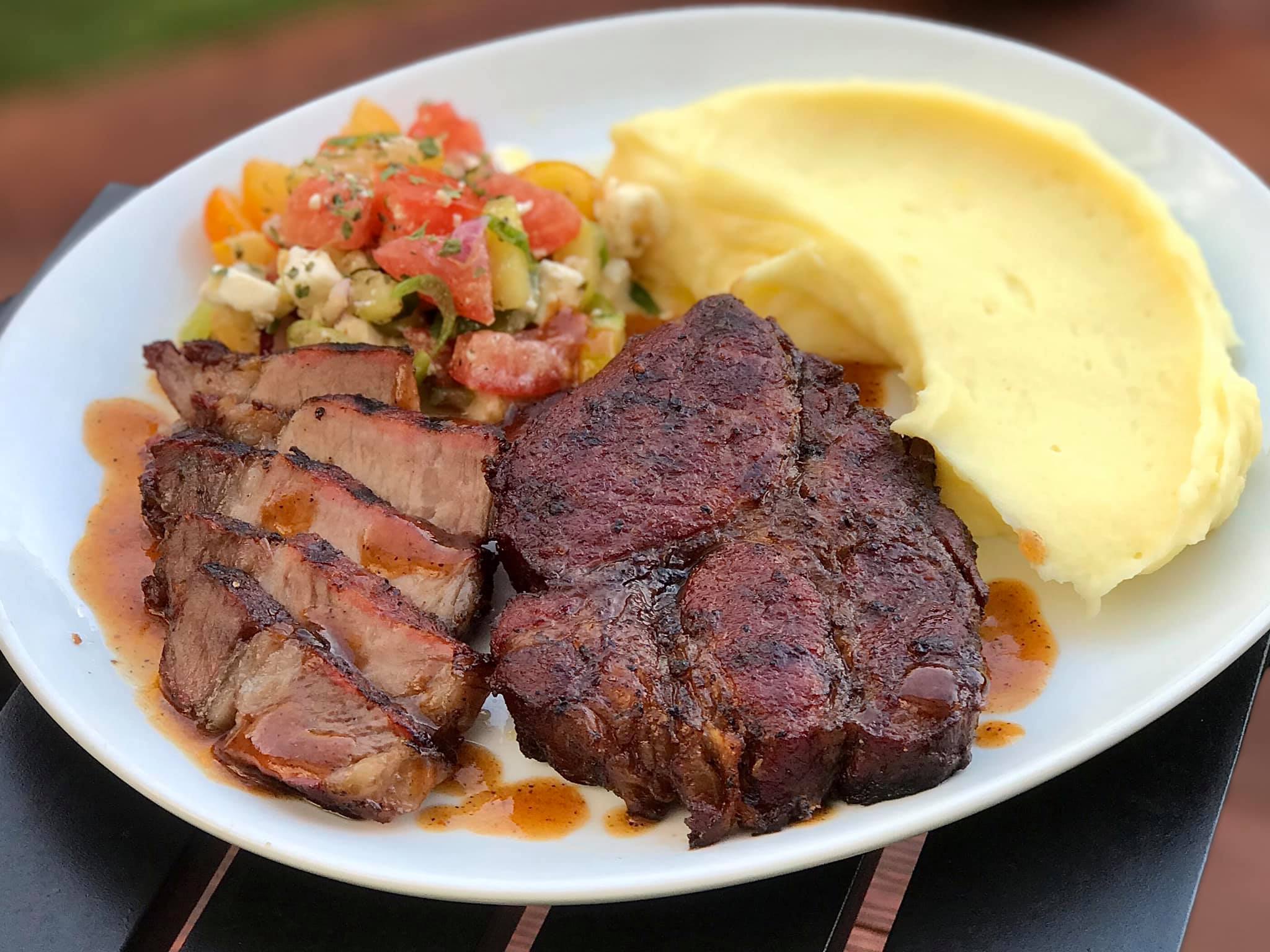

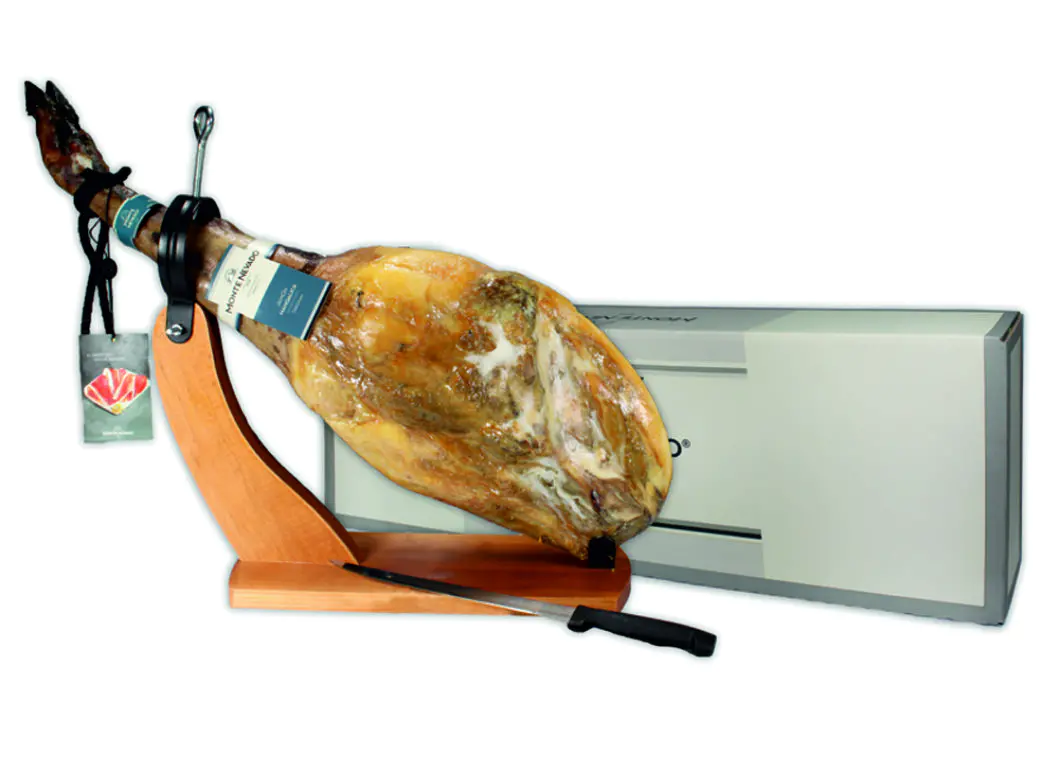

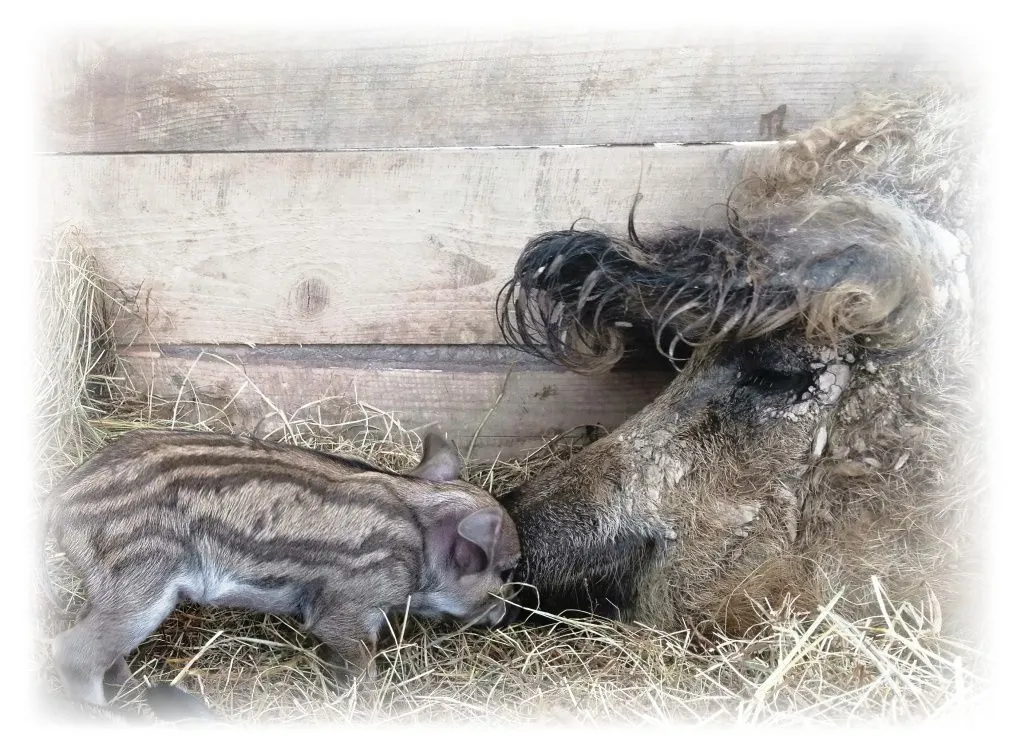






Who is the most sought after dinner guest at hot-spots from California to Seville these days? We will give you a hint: he is hairy, fat as all get out, and known for his exquisite taste. Yes, we are talking about a certain pig that, while fairly well known around these parts, has become a delicacy abroad, especially at very high-class, expensive restaurants. Introducing Hungary’s latest star: the Mangalica! You can always spot a Mangalica because, unlike most pigs, our celebrity swine is dressed to the nines in a fleecy coat of fur. Mangalica is quickly becoming a foodie ‘must try’ and with good reason. But if you are dining out, bring a full wallet, because this pig is not a cheap date.
It is a curious fact that the Mangolica pig was almost extinct, having fallen out of favor with the bland tastes of Hungary’s previous socialist regime. Descended from the wild boar, Mangalica are also referred to as the ‘curly-hair hog’ because of their unique coat. They are also known for their pungent, rich flavor, primarily due to the fatty marbling of the meat. Because of this high fat content, the pig is sought after for premium sausages and salami, as well as hams and chops.
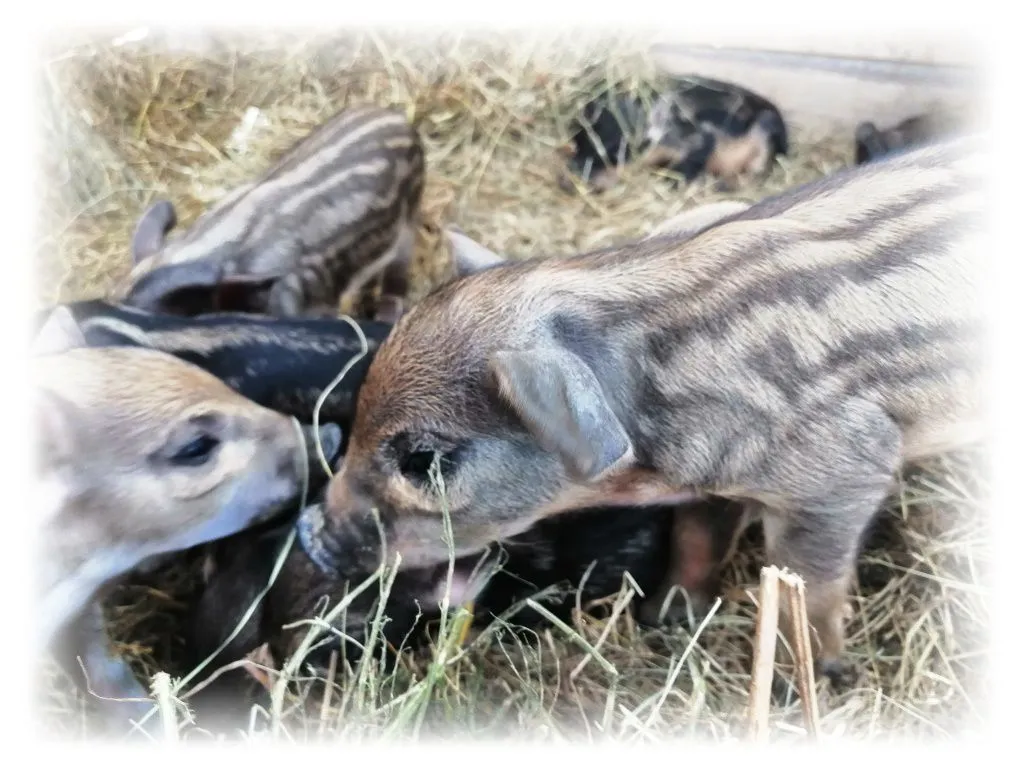
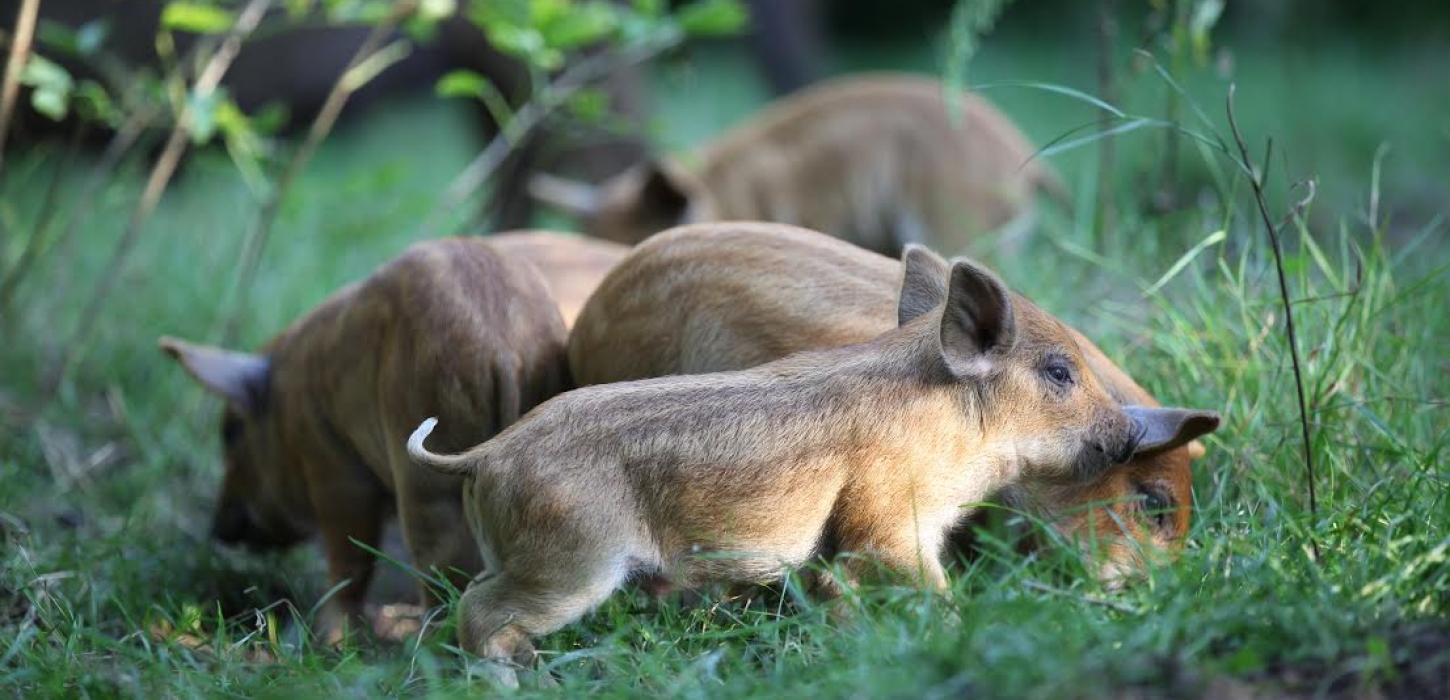
The prolificacy of the Mangalica pigs is low: it only has between 4-8 young per litter (instead of 12 or 14 as the rest of the common breeds). They are born with a weight of between 600 and 1,000 grams, reach 6-8 kg in 7-8 weeks, and develop more slowly than modern pig species.
The skin of the area of the eyes and the nasal disc has a black pigmentation (in fact, the animals that do not exhibit this are removed from the breeding). And the color of its nails is also black, that is, it also has a black foot similar to that of the Spanish Iberian pig. In addition, depending on the color, there are four types of Mangalica: red, blond (to which 80% correspond), swallowtail Mangalica (a combination of black and white) and black (extinct today).
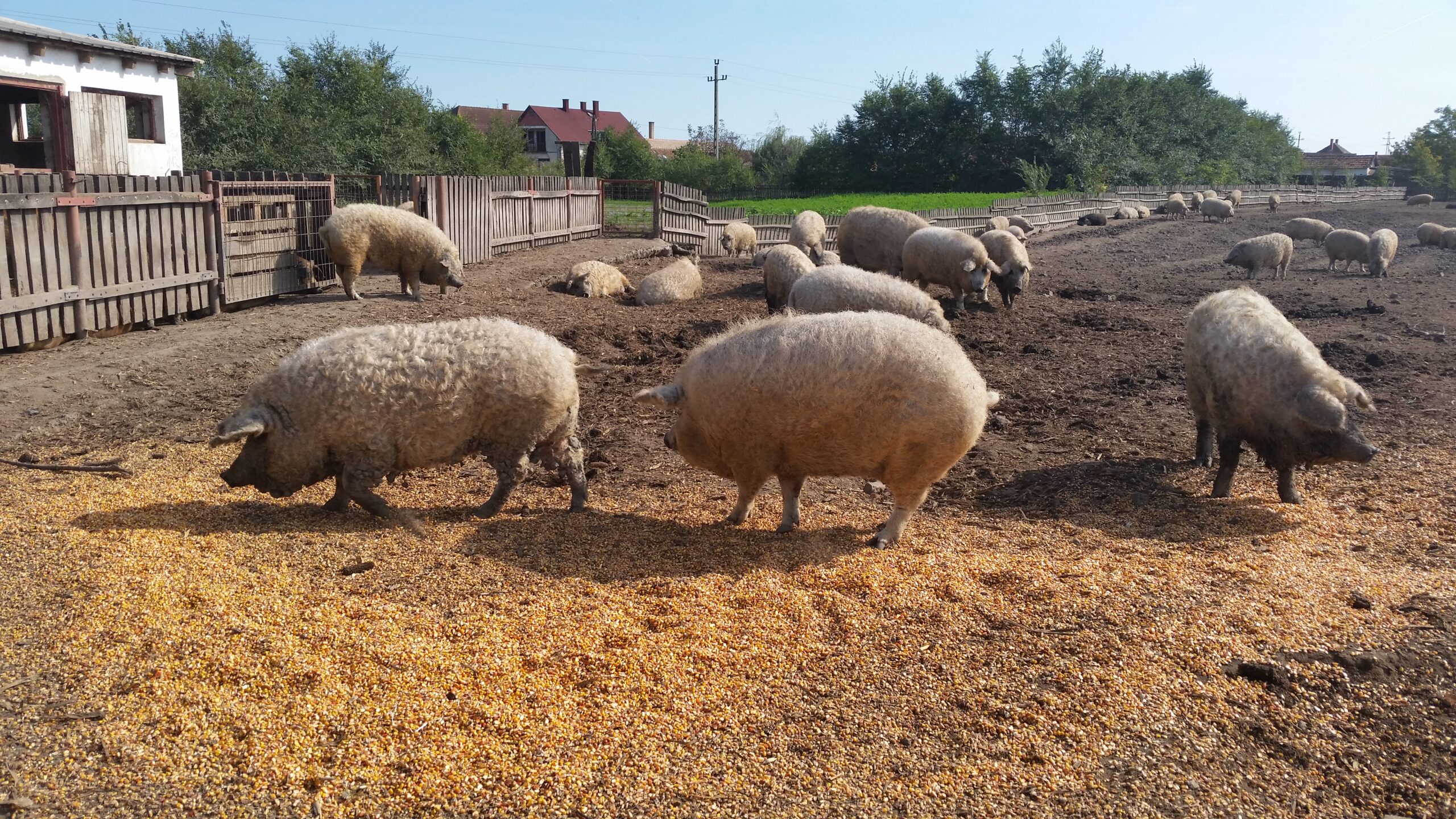
The most remarkable characteristic of Mangalica is that its whole body is covered with abundant thick blonde hair and thus it is known colloquially as “the pig-sheep”.