Gilbert oscar manga
Gallery
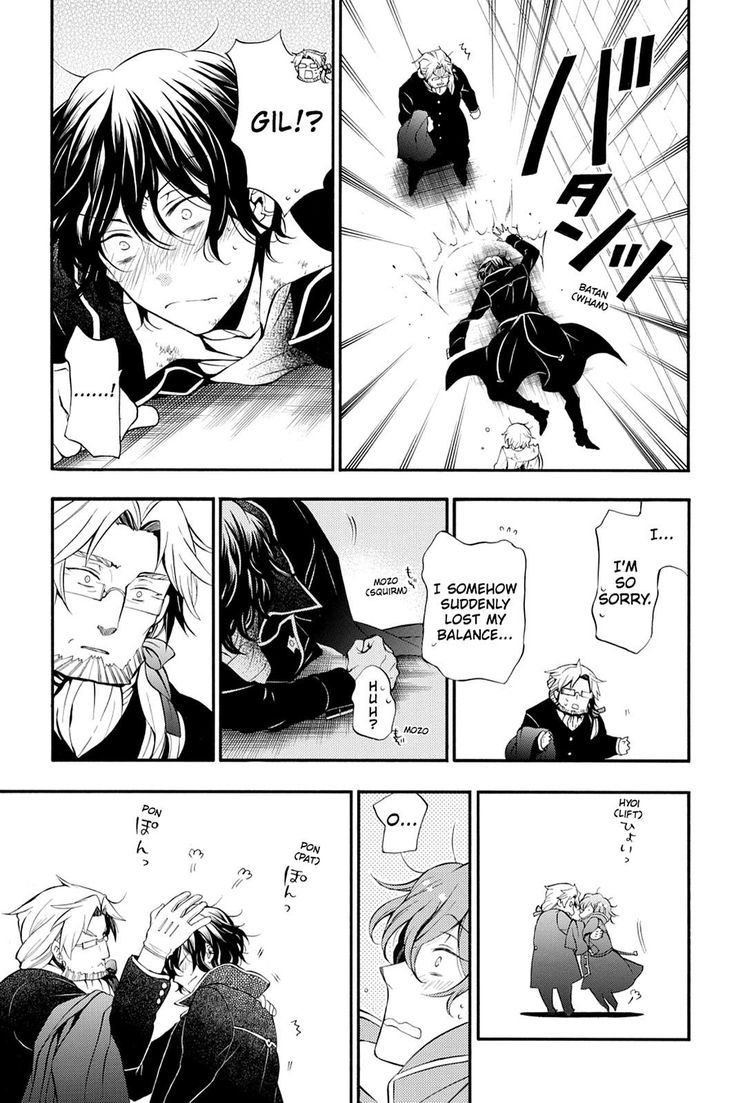
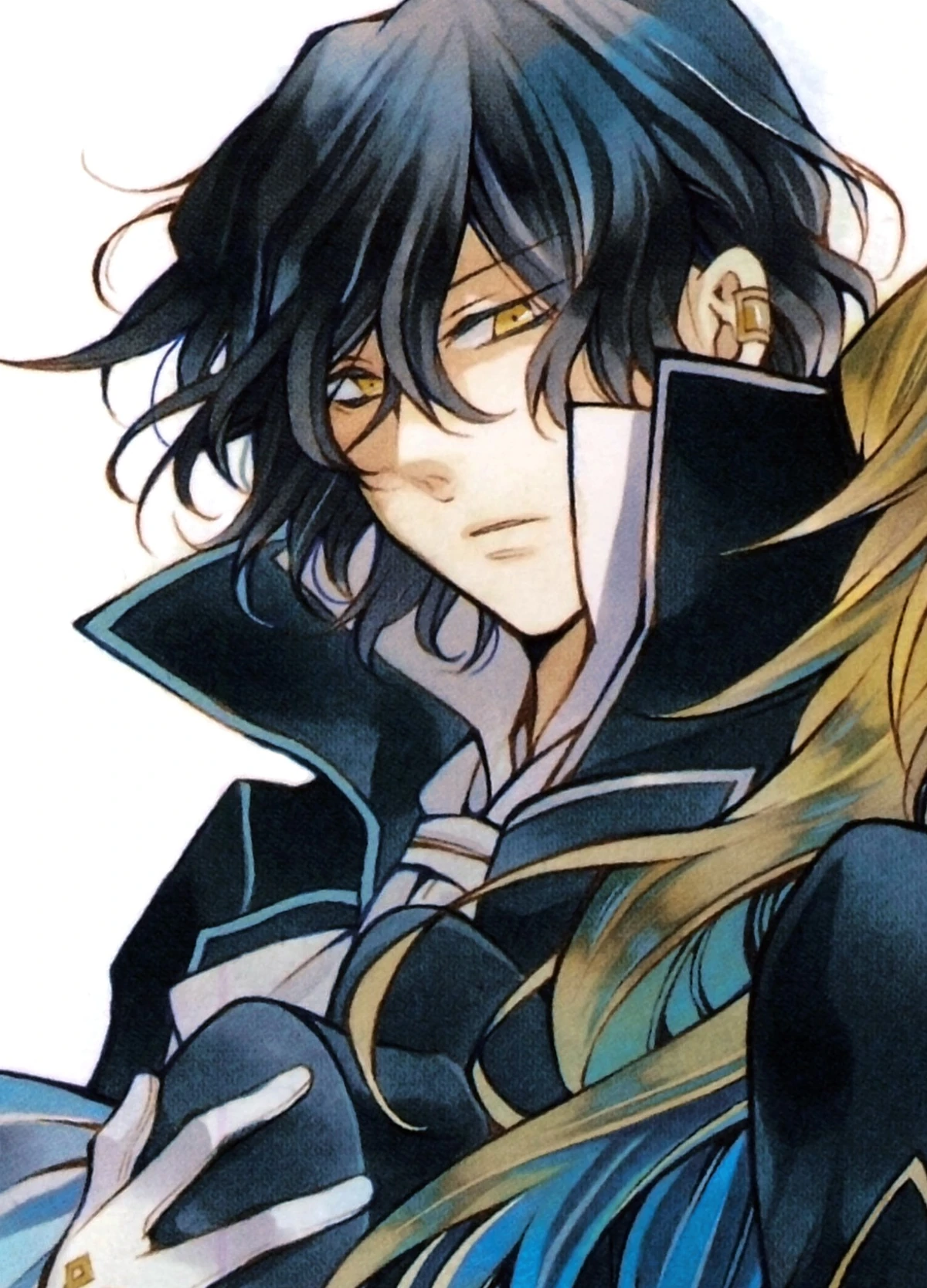
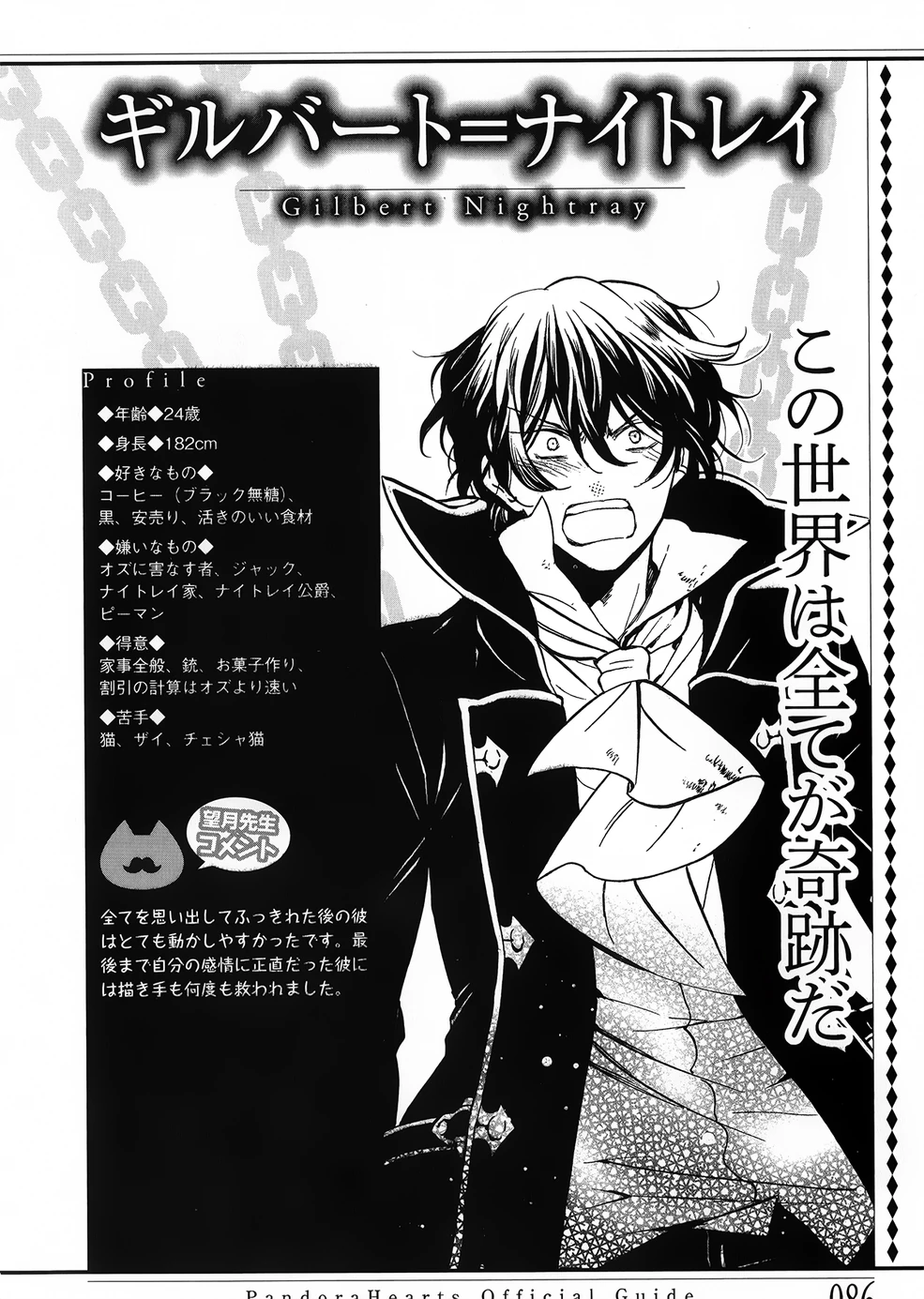


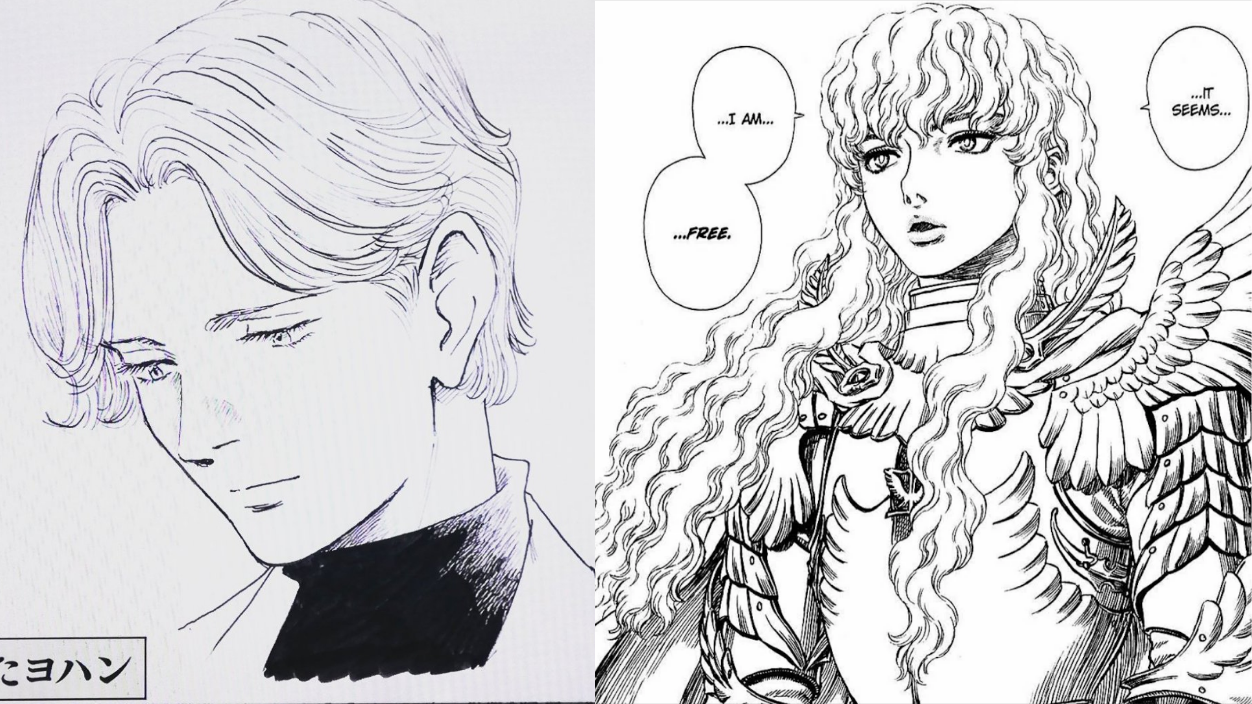
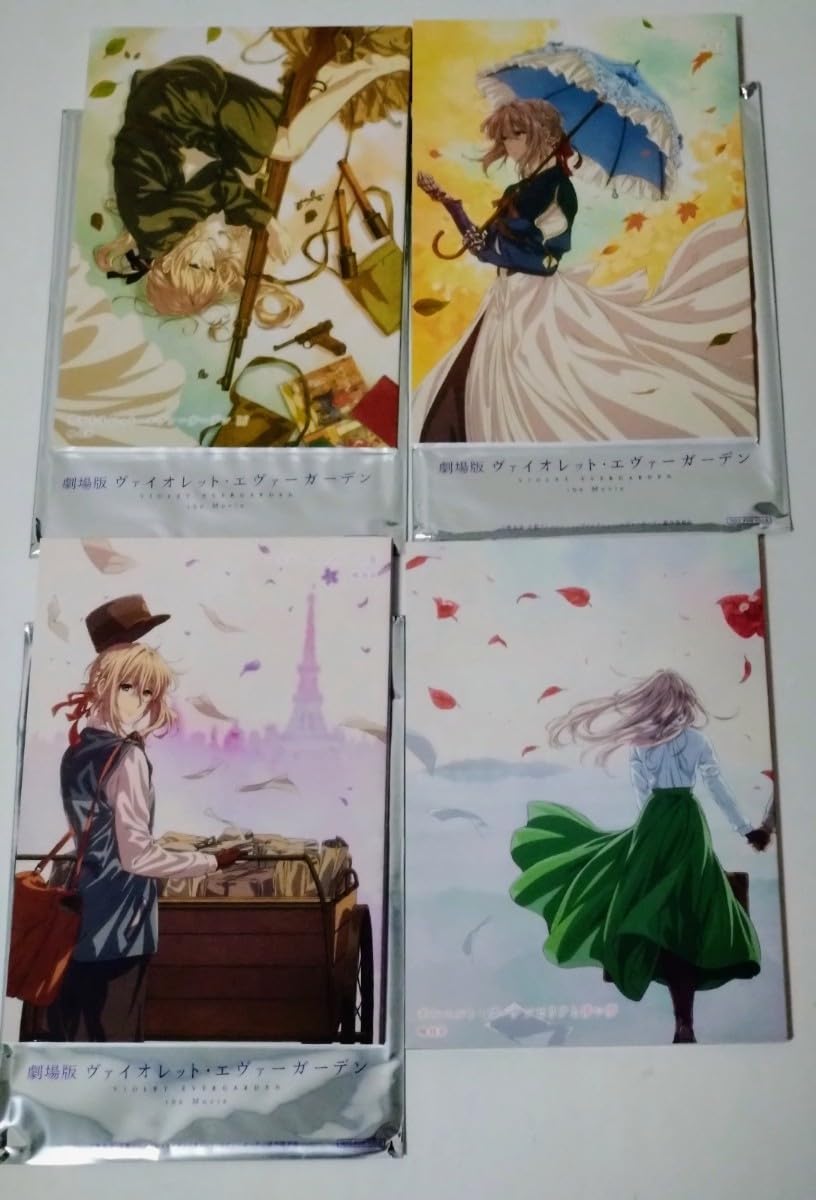
The one thing I definitely could have lived without was the tacked on extra chapter at the end of the story showing the history between Rosemarine and Jules. Although it did give insight into why these two did the things they did in the main story, it just felt forced and unnatural. I’m guessing it was one of those stretch-out-the-story things that manga magazines love when they have a popular series ending, but it actually made the end less meaningful to me. Rather than leaving us at the moment when Serge takes to the piano and realizes Gilbert lives on in his heart, we are shown a Serge who is basically done with grieving, just so we can get the back story on Jules and Rosemarine.
Particularly impressive is the chaotic shock of the carriage accident, which in many ways is the climax to the whole series. Gilbert, delirious, high, hallucinating, in nothing but his nightclothes, stumbles through the rain toward a carriage he imagines holds Auguste. The angles of the panels twist and turn, inked drawings are combined with rougher pencils, and everything is skewed so that it is nearly impossible to follow. It feels like an accident. It pulls you through as if were the one being hit, not Gilbert. These pages only confirmed for me Takemiya’s genius. She has a perfect understanding of how manga works, how it reads, how to use panels and spacing for maximum effect on her readers. The pages of the accident are a story in and of themselves, perfectly encapsulated.
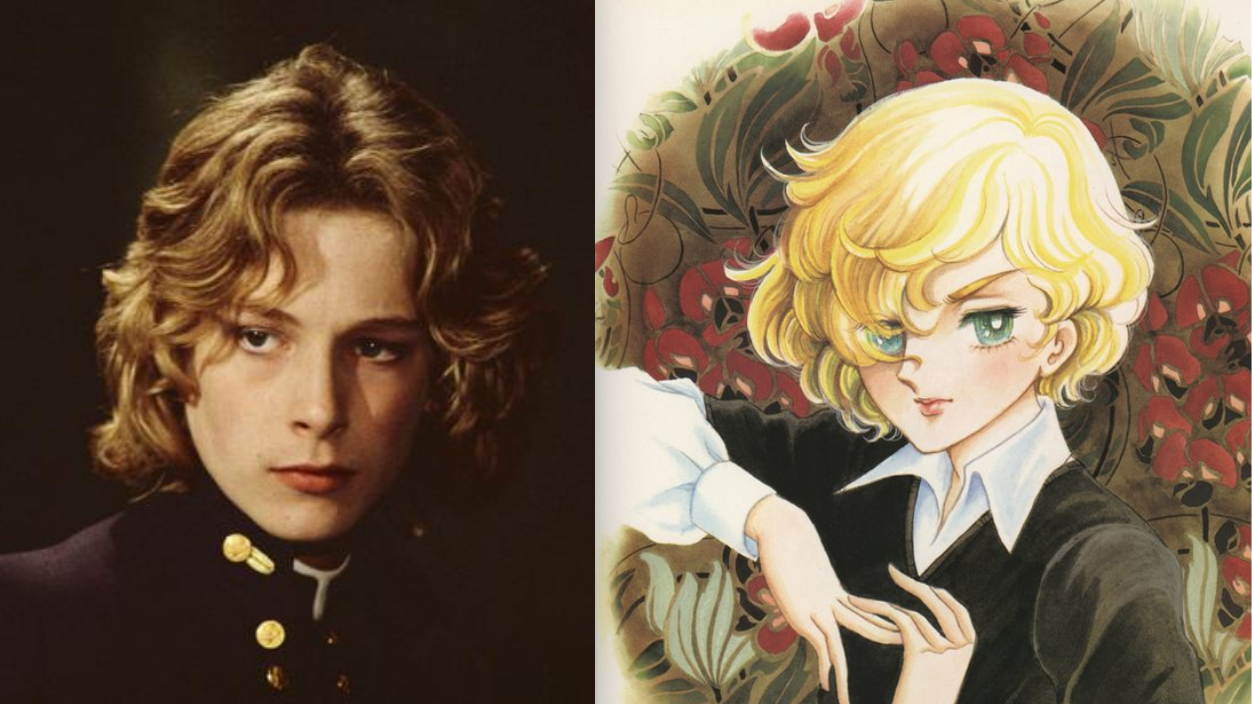
Ikeda modeled her depiction of Antoinette on typical heroines of the era: lively, sentimental, and seeking love, with her rivalry with mirroring stories that focus on rivalries between schoolgirls. The exotic Western setting marked by a style was also similarly aligned with typical manga settings of the 1970s. Oscar is initially introduced as a supporting character, with Ikeda’s decision to make the commander of the Royal Guard a woman rooted in her belief that she could not convincingly write a character who was a male soldier. Ikeda based the character’s appearance on Swedish actor , who became immensely popular in Japan in the early 1970s after starring in the film . Oscar became immediately popular, with her characterization as a strong and charismatic woman resonating with the audience; in response to positive feedback from readers, Oscar shifted to become the primary protagonist of the series as it progresses.
Manga critic has praised as “a classic” of the medium, describing Ikeda’s creation of Oscar as a “stroke of genius” and foundational to manga archetype of “a woman who plays the role of a man, sometimes struggling with the burden, but mostly surpassing men at their own game”. Thompson notes that while this archetype was established in ‘s manga series , he favorably compares the “elegant and tragic” Oscar to Tezuka’s “childlike and cute” series. Reviewing the first two English-language volumes of for , Danica Davidson similarly praises as a series that “helped revolutionize manga”, drawing specific attention its “elegant, detailed and Rococo-infused” artwork.
The series contributed significantly to the development of manga as a medium. notes that Oscar’s characterization as a “complex and three-dimensional” female character who contrasted the “traditional demure and subdued idea of Japanese womanhood” heavily influenced how female characters were portrayed in media subsequent to release. Oscar inspired multiple other “feisty heroines” in manga and anime, in series such as and . The series was additionally one of the primary works responsible for manga’s shift from a genre aimed at children to a genre aimed at adolescents. This shift is reflected directly in the plot of the story itself, which progresses from a frivolous and light-hearted tone to a serious tone focused on political and social issues. Notably, the often brutal and violent deaths of the series’ characters are permanent; this was a new paradigm in manga at the time, where it was common to using plot contrivances.