Ai sex manga
Gallery


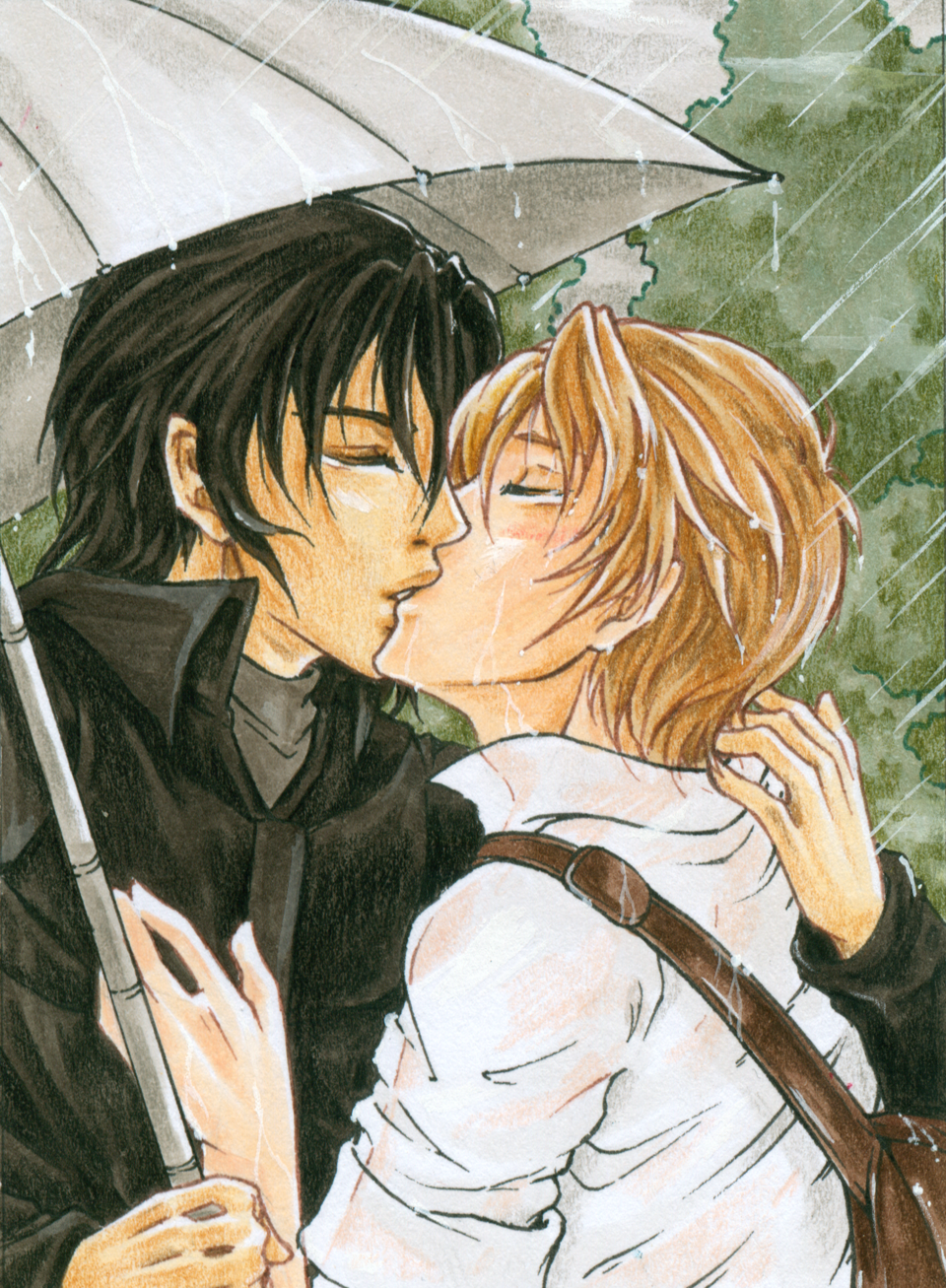


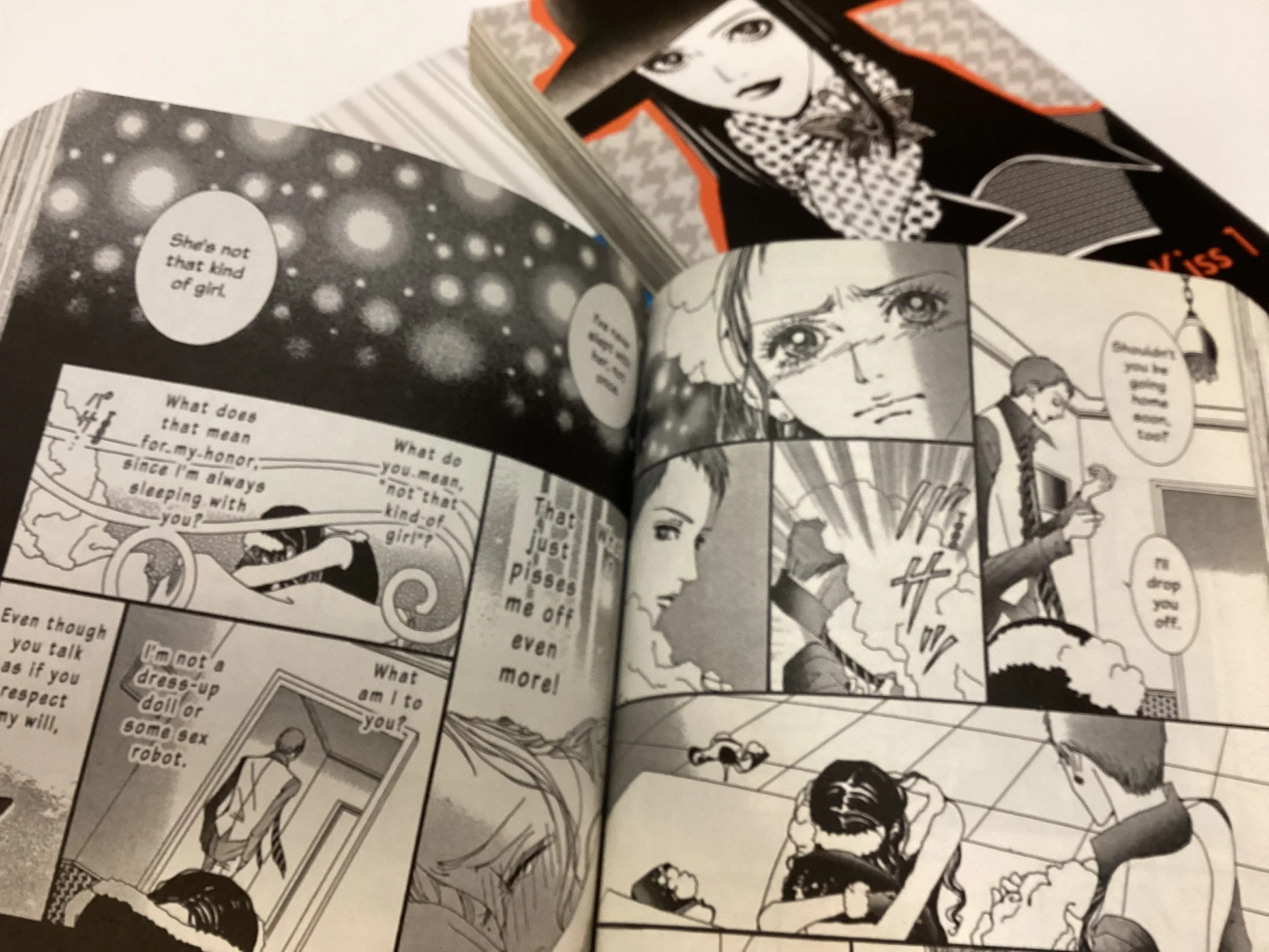



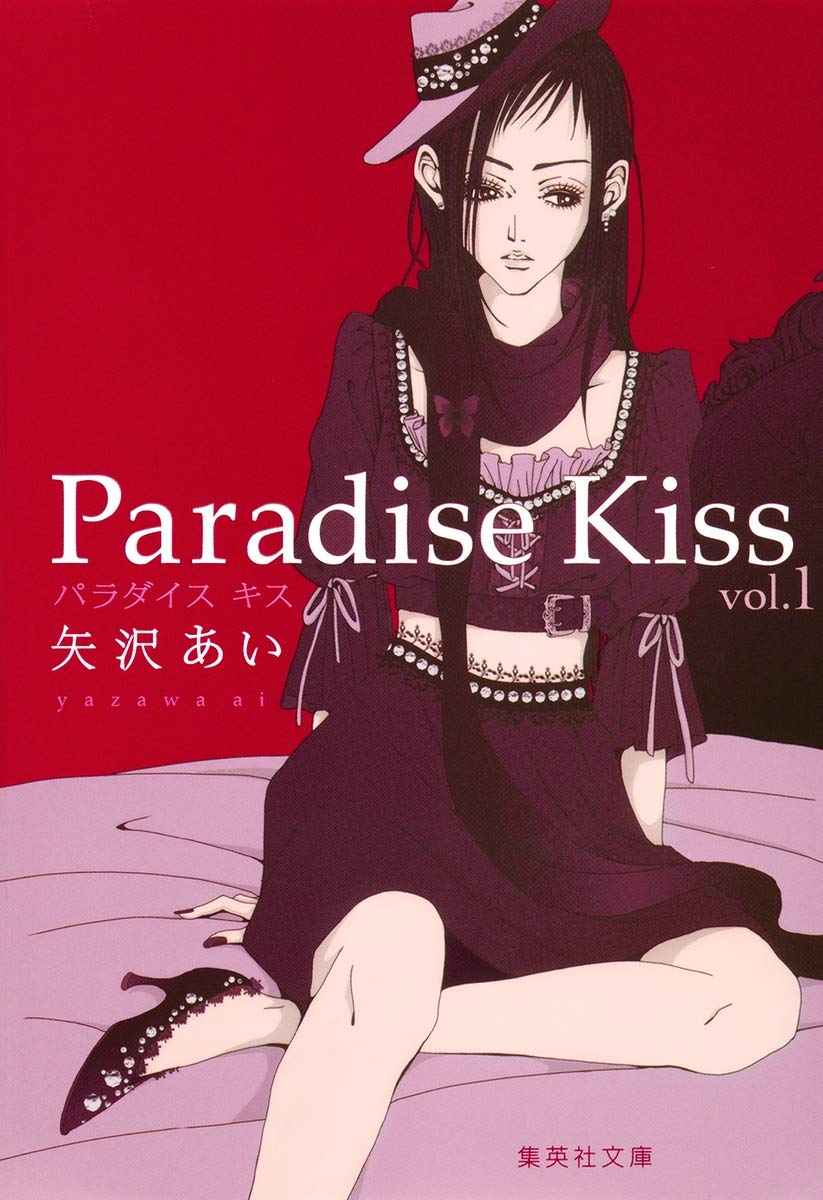
Though depictions of homosexuality in Japanese media have a history dating to ancient times, contemporary BL traces its origins to male-male romance manga that emerged in the 1970s, and which formed a new subgenre of (comics for girls). Several terms were used for this genre, including , , and . The term ( ; : ) emerged as a name for the genre in the late 1970s and early 1980s in the context of ( works) culture as a portmanteau of (“no climax, no point, no meaning”), where it was used in a self-deprecating manner to refer to amateur fan works that focused on sex to the exclusion of plot and character development, and that often mainstream manga and anime by depicting male characters from popular series in sexual scenarios. “Boys’ love” was later adopted by Japanese publications in the 1990s as an umbrella term for male-male romance media marketed to women.
In Suzuki’s investigation of these subgenres, she notes that “there is no appropriate and convenient Japanese shorthand term to embrace all subgenres of male-male love fiction by and for women.” has been used as an in the West for Japanese-influenced comics with male-male relationships, and was preferentially used by American manga publishers for works of this kind due to the belief that the term “boys’ love” carries the implication of . In Japan, is used to denote and works that focus on sex scenes. In all usages, and boys’ love excludes , a genre which also depicts gay male sexual relationships, but is written for and mostly by gay men.
, also known as gay manga or is a genre focused on male , as created primarily by for a gay male audience. Gay manga typically focuses on men with varying degrees of muscle, body fat, and , in contrast to the androgynous of BL. writes in that while BL can be understood as a primarily phenomenon, in that it depicts sex that is free of the trappings of heterosexual pornography, gay manga is primarily an expression of gay male identity. The early 2000s saw a degree of overlap between BL and gay manga in -themed publications: the BDSM anthology magazine had several male contributors, while several female BL authors have contributed stories to BDSM-themed gay manga anthologies or special issues, occasionally under male .
Outside of Japan, the 2000 broadcast of in North America on is noted as crucial to the development of Western BL fan works, particularly . As BL fan fiction is often compared to the Western fan practice of , it is important to understand the subtle differences between them. Levi notes that “the youthful teen look that so easily translates into androgyny in boys’ love manga, and allows for so many layered interpretations of sex and gender, is much harder for slash writers to achieve.”
While Japanese BL manga has been adapted into live action films and since the early 2000s, these works were marketed towards a niche audience of rather than towards a general audience. When these works were adapted for a general audience, same-sex romance elements were typically downplayed or removed entirely, as in the live-action television adaption of that aired on in 2001. The development of Japanese live-action television dramas that focus on BL and same-sex romance themes explicitly was spurred by the critical and commercial success of the television drama (2016), which features an all-male as its central plot conceit. While is an original series, it influenced the creation of live-action BL works adapted from manga that are marketed towards mass audiences; notable examples include the television dramas (2018) on , (2019) on , (2020) on TV Tokyo, and the live-action film adaptation of (2020).