Manga basketball
Gallery

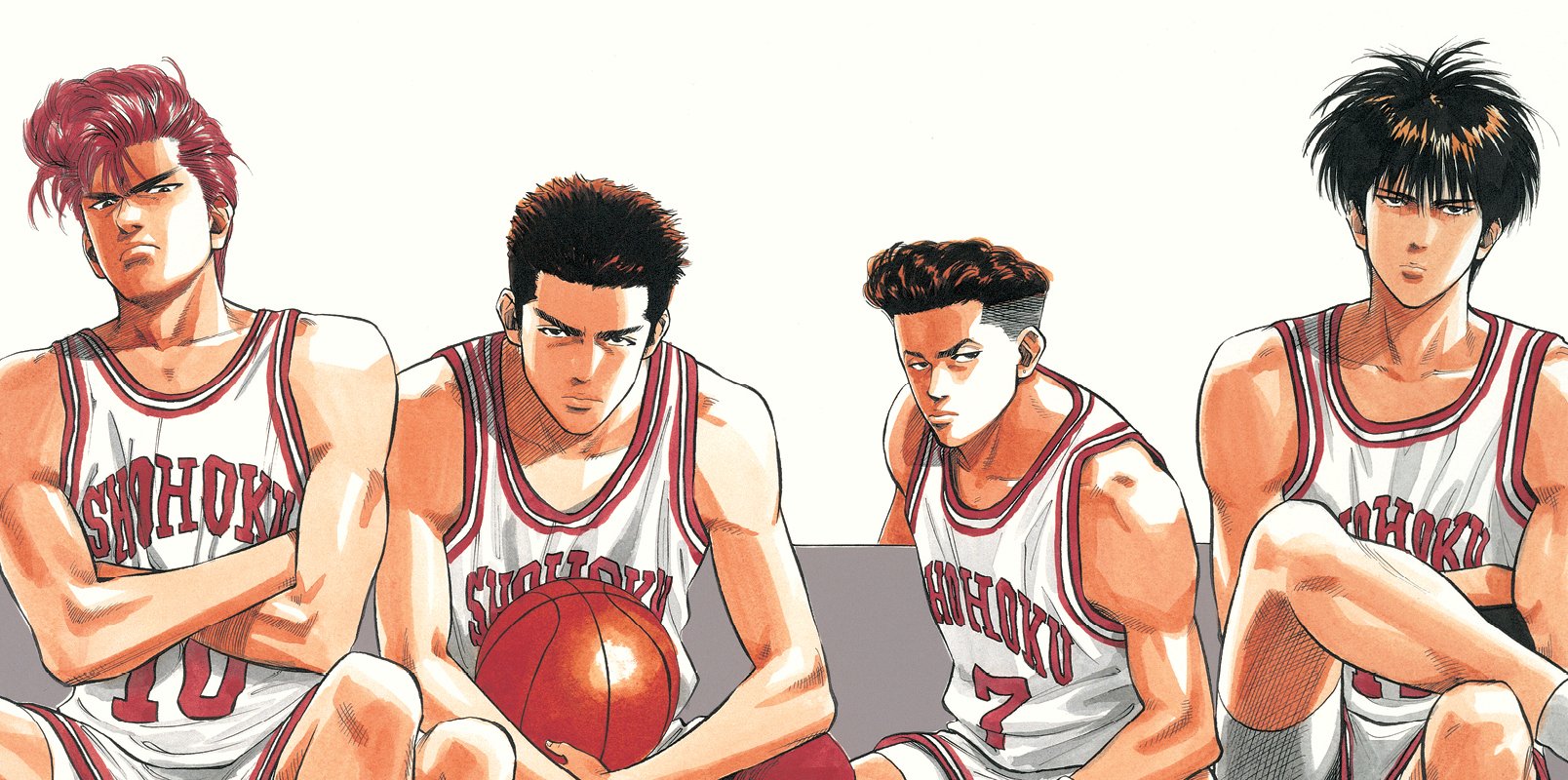
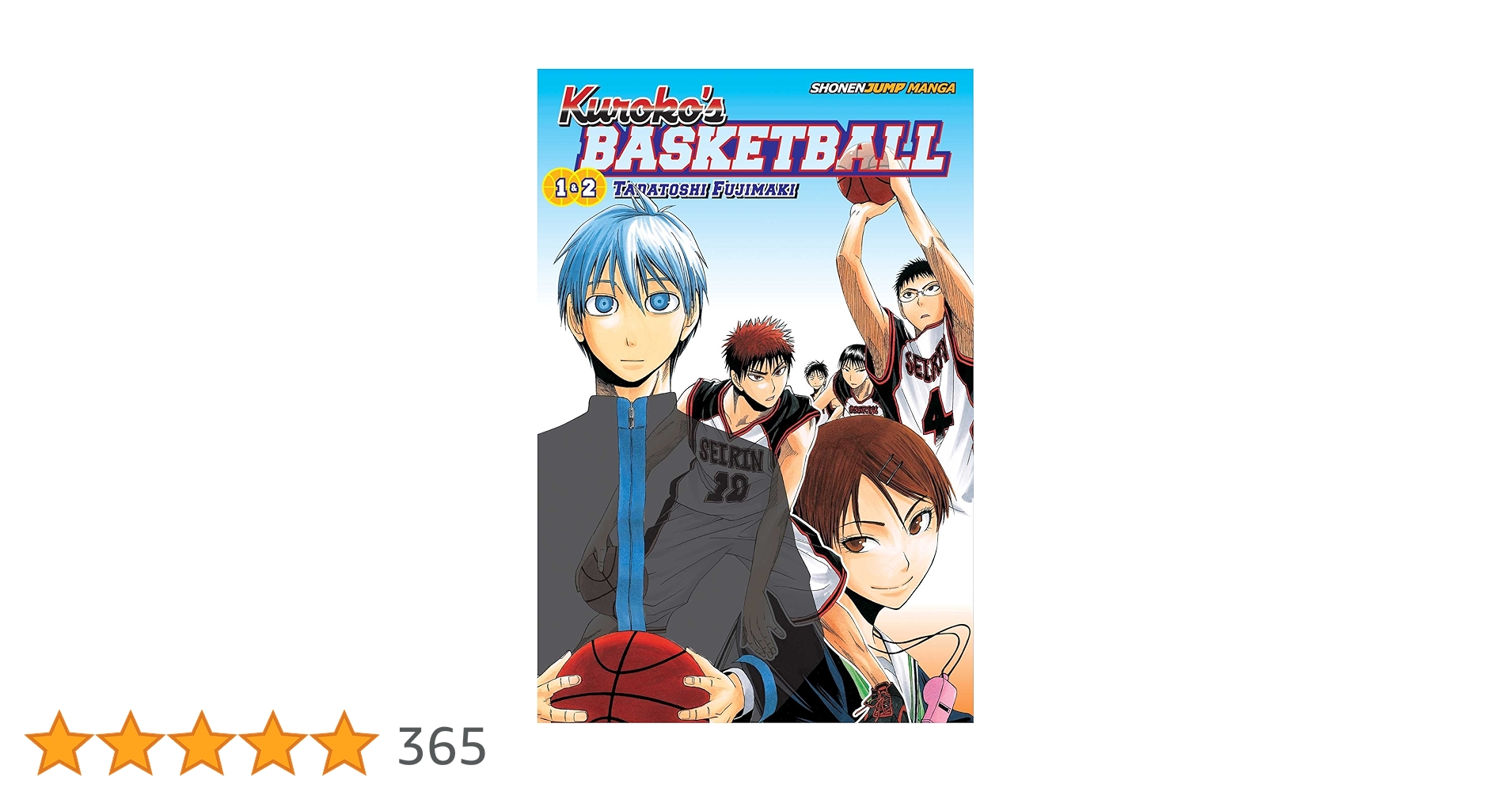
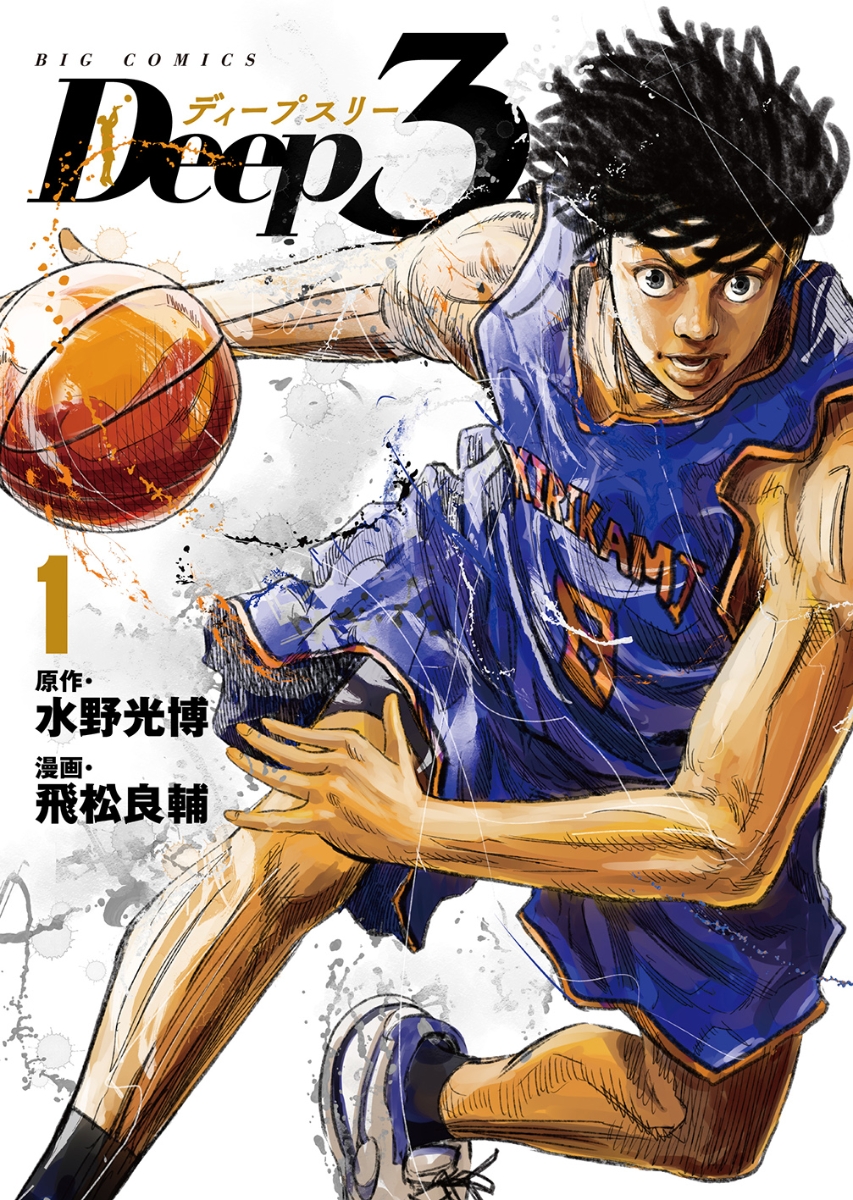
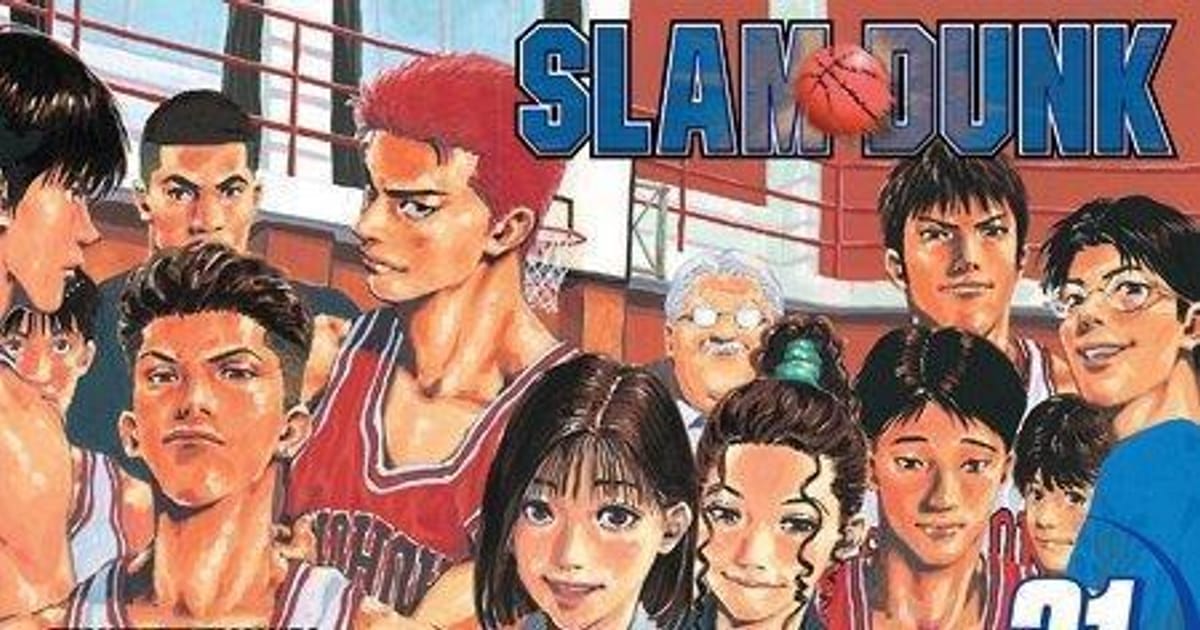

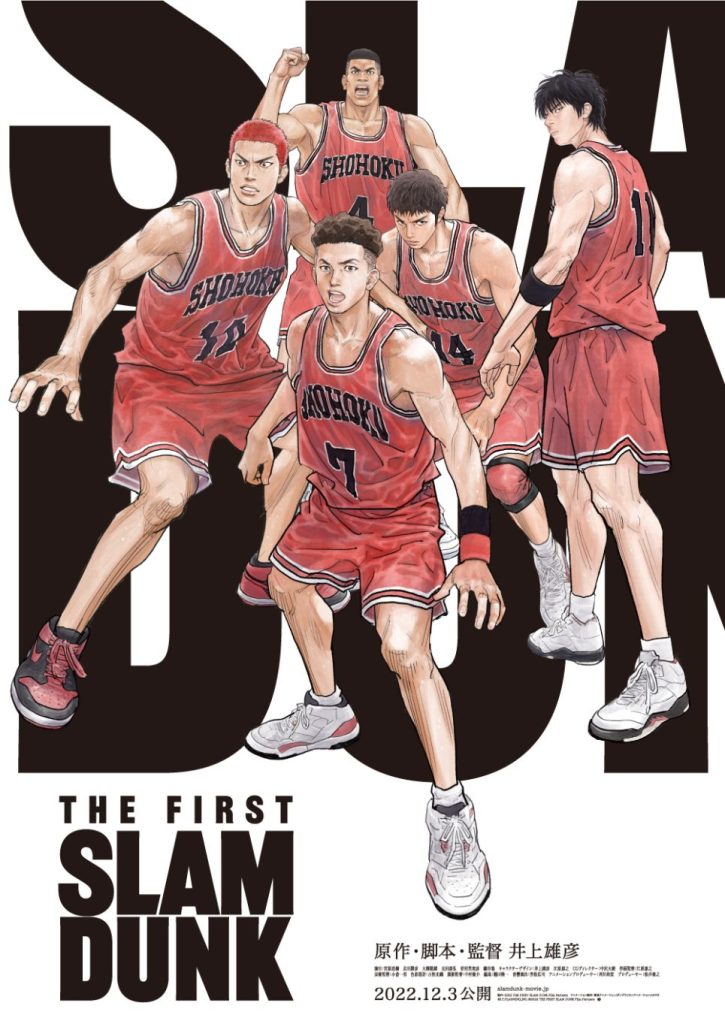

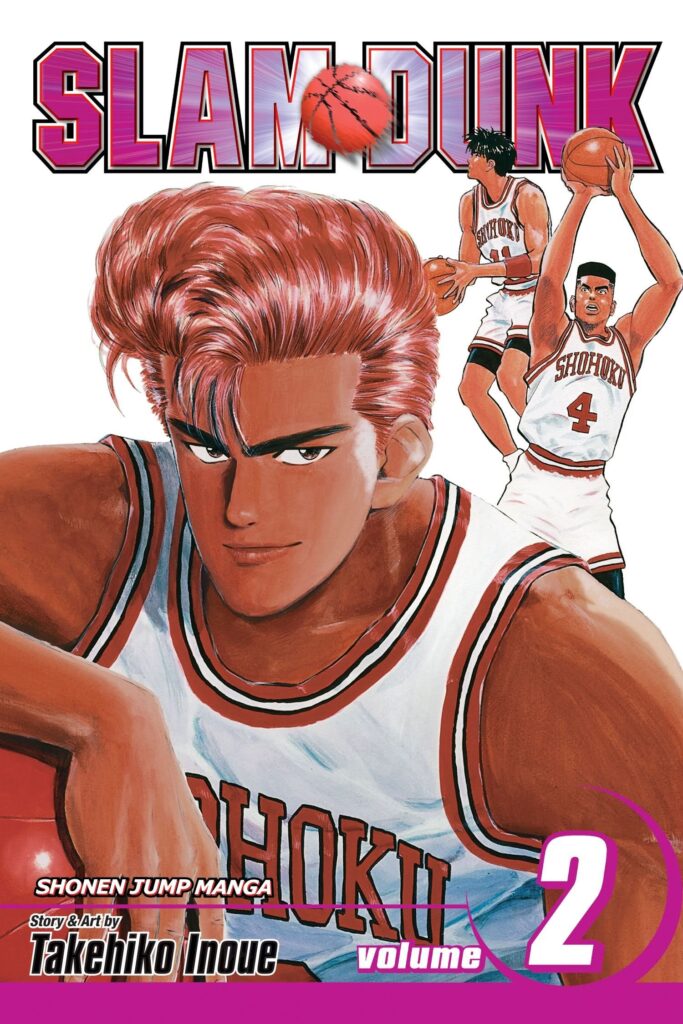
has 185 million copies in circulation, making it one of the in history. In 1994, it received the 40th for the category. In Japan, has been regarded as one of the greatest sports manga series of all time and has been cited as a contributor in popularizing basketball among Japanese youth during the 1990s. In 2010, Inoue received special commendations from the for helping popularize .
was inspired to create from his love of basketball, which he has had since high school. Before starting , he created a one-shot manga titled , which was published in in 1990. The one-shot featured an early prototype of Hanamichi Sakuragi and Haruko Akagi, with a story and character dynamics that laid the groundwork for . After he began working on the series, Inoue was surprised to receive letters from readers who had begun playing the sport due to his manga. His editor told him “basketball was a taboo in this world.” Due to these letters, Inoue decided he wanted to draw better basketball games in the series. With the series, the author wanted to demonstrate the feelings and thoughts that some athletes might have when they win, lose or improve at their sport. When he began work on , Inoue noted that his work on had a simpler perspective on life as he focused more on victories and success.
With the series, Inoue wanted readers to feel achievements and love for the sport. Thinking that his success as a manga artist was largely due to basketball, Inoue organized a scholarship for Japanese students as he wanted to give back to the sport by increasing its popularity in Japan. However, when asked about the response from readers to basketball, Inoue commented that although is technically a basketball manga, its story could have been told with other sports such as . He added that the manga’s artwork was more “mangalike” compared to his newer works such as . His experiences with basketball also influenced the story of . As a youth, Inoue began playing basketball to become popular with girls, but later developed an interest in the sport itself. This experience is mirrored in the character Hanamichi Sakuragi, who began playing basketball to impress a girl, only to later grow truly fond of the game. Inoue attended the in the United States and the in as “research” for the manga.
Carlo Santos of wrote that “With solid characters, eye-popping action, and a classic underdog story, is what all manga series (and basketball players) should aspire to be: the complete package.” Based on the first volume however, his colleague Carl Kimlinger said it came off as more of a than a as it focused on establishing the cast. Santos opined that its the stuff that happens off the court that really makes up the manga’s heart and soul as each character has a story to tell and a goal to reach, with the court simply providing a stage for them to “act out these universal struggles.” Similarly, Kris Kosaka of wrote that is not your typical sports story dominated by on-the-court heroics, but Inoue’s love of basketball is evident on every page.
is often considered as one of the most influential manga series in Japan and one of the greatest sports manga series of all-time. Its success is cited as a cause for the increased popularity of basketball among the Japanese youth during the 1990s. Alex Wong of wrote that the work “inspired an entire generation of basketball players in Japan.” In a dissertation, PhD student Dexter Thomas of stated “The first wave of basketball in Japan was pushed forward by .” Professional basketball players and have cited as inspiring them. When he became a naturalized Japanese citizen, partially took his surname from the Hanamichi Sakuragi character.