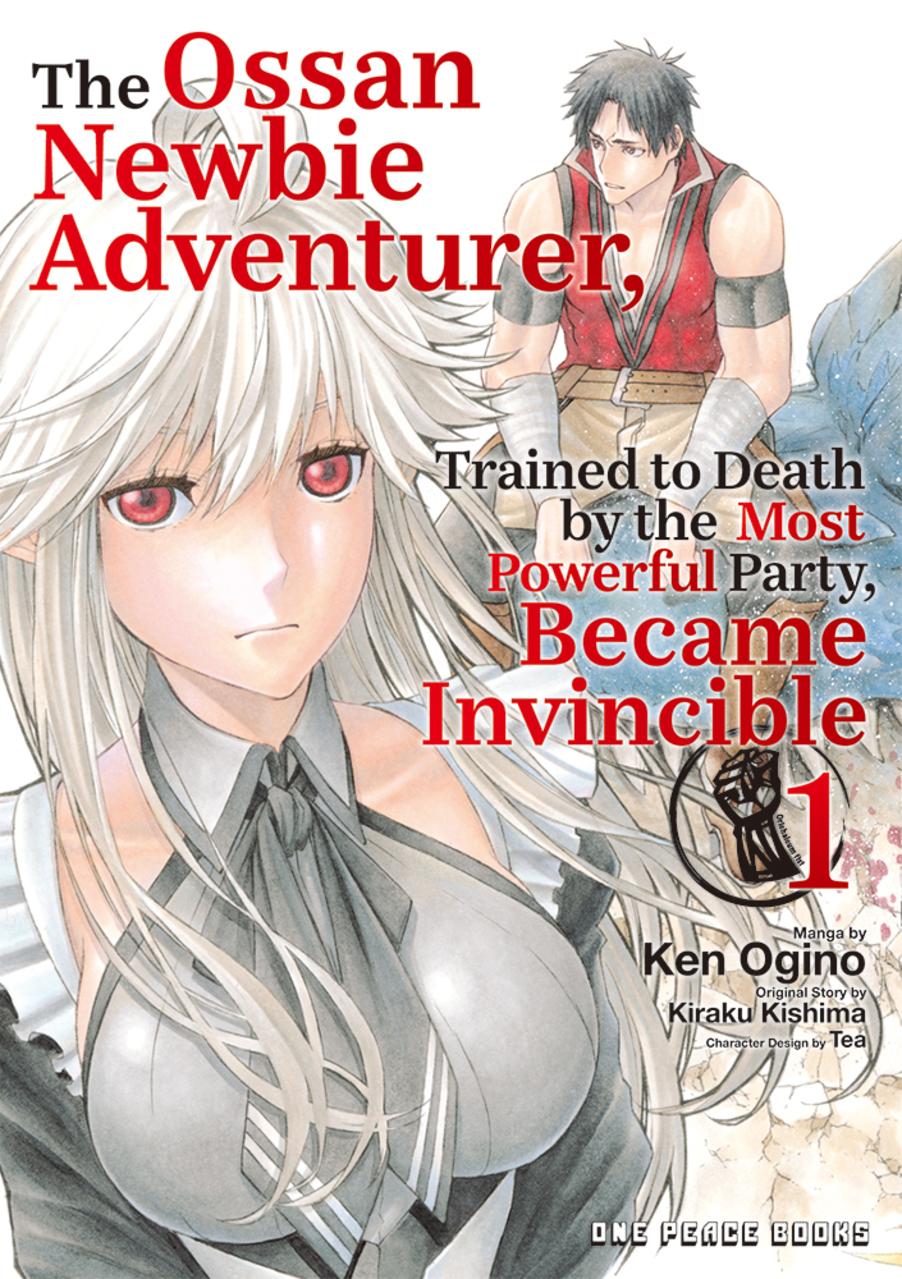
Manga by
Gallery
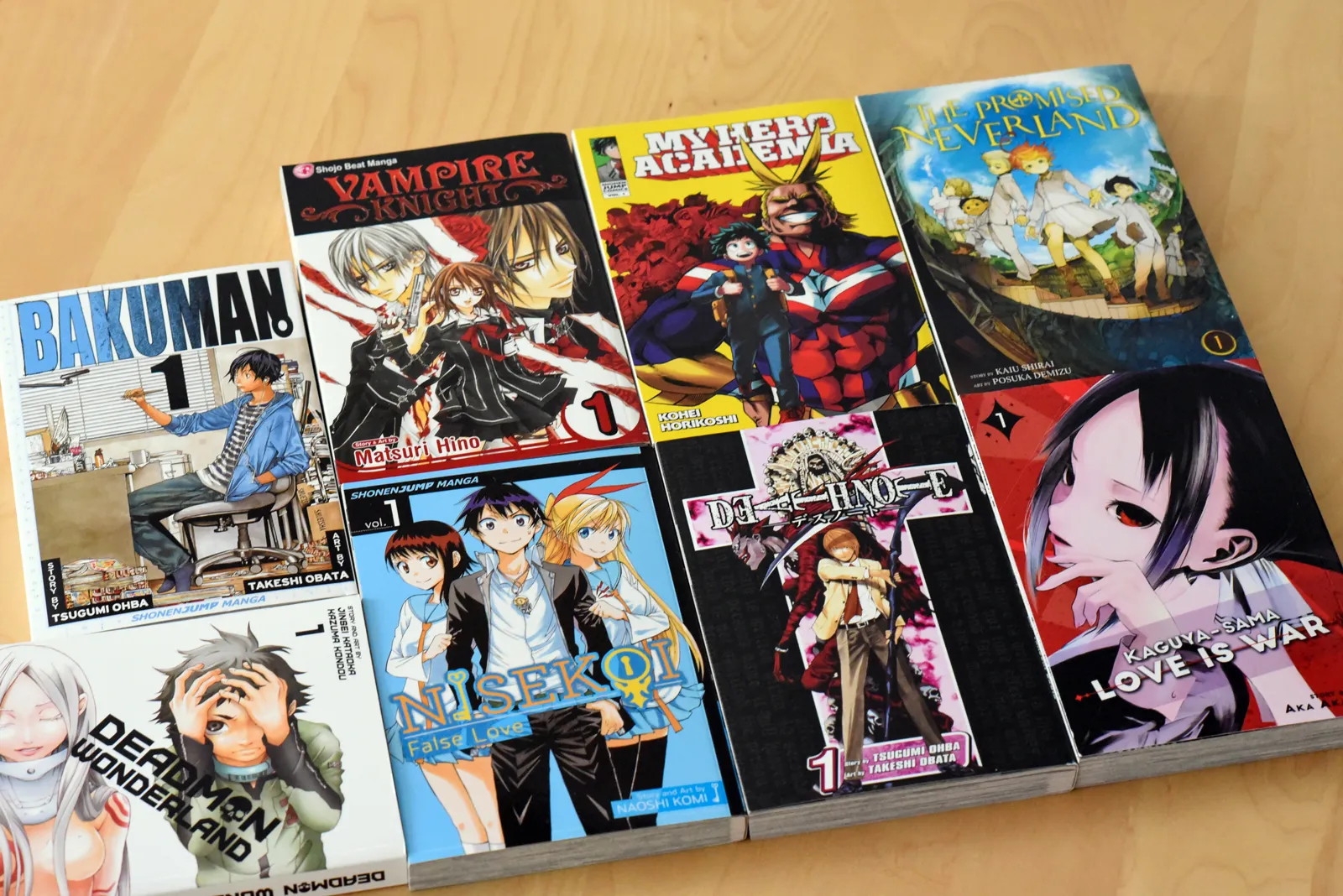
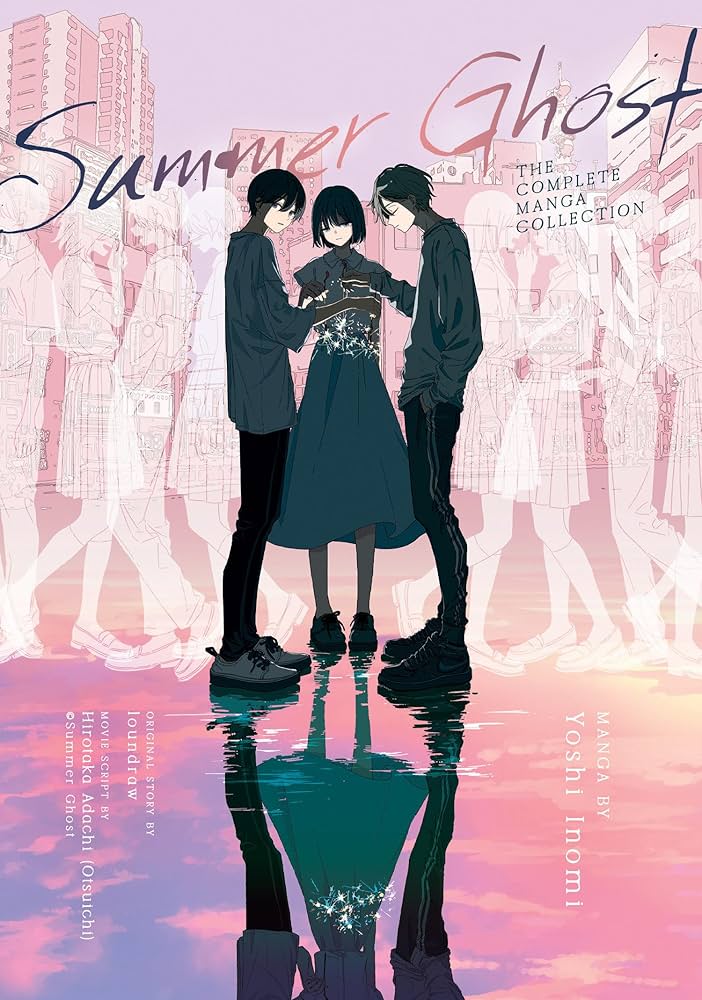
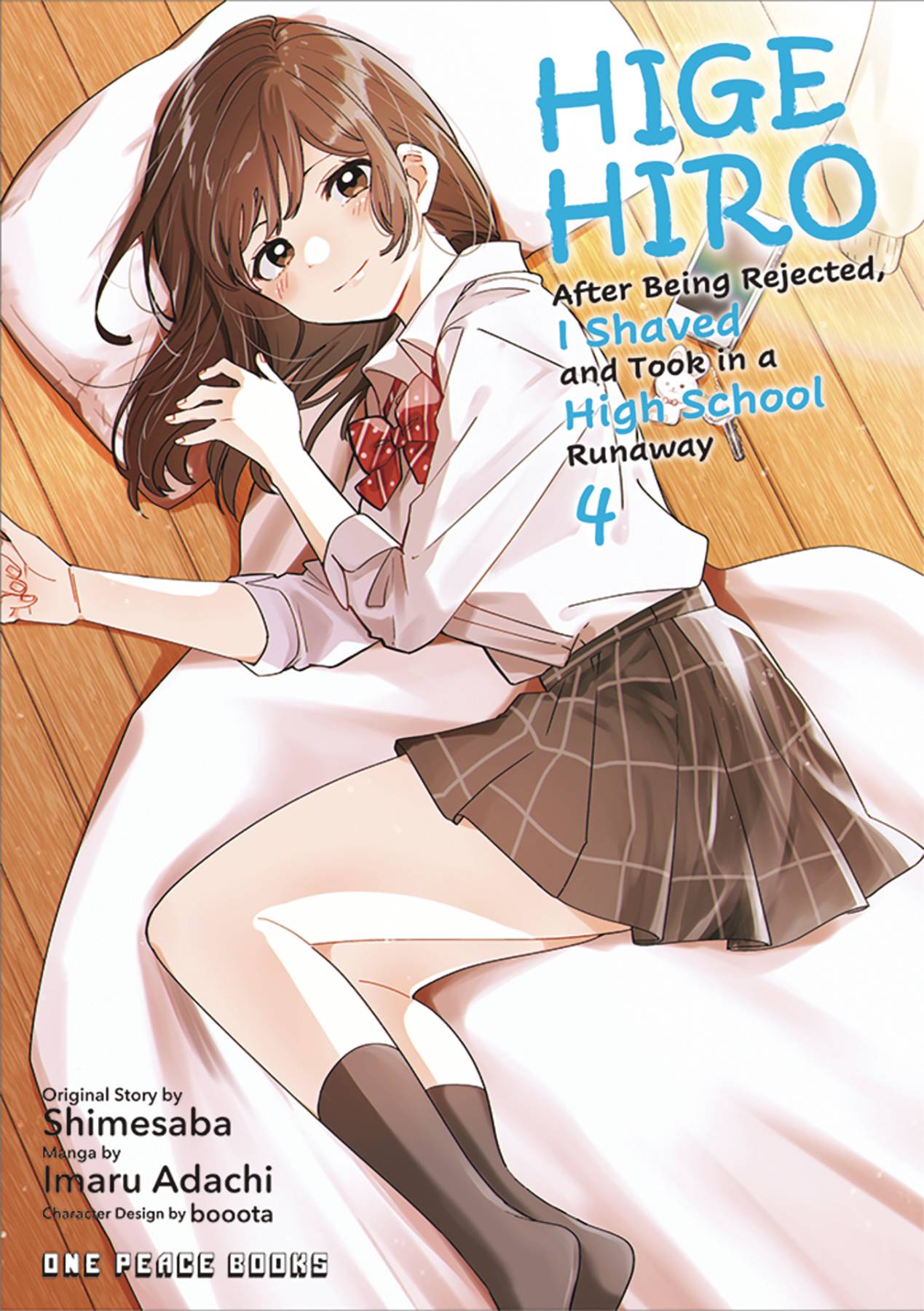
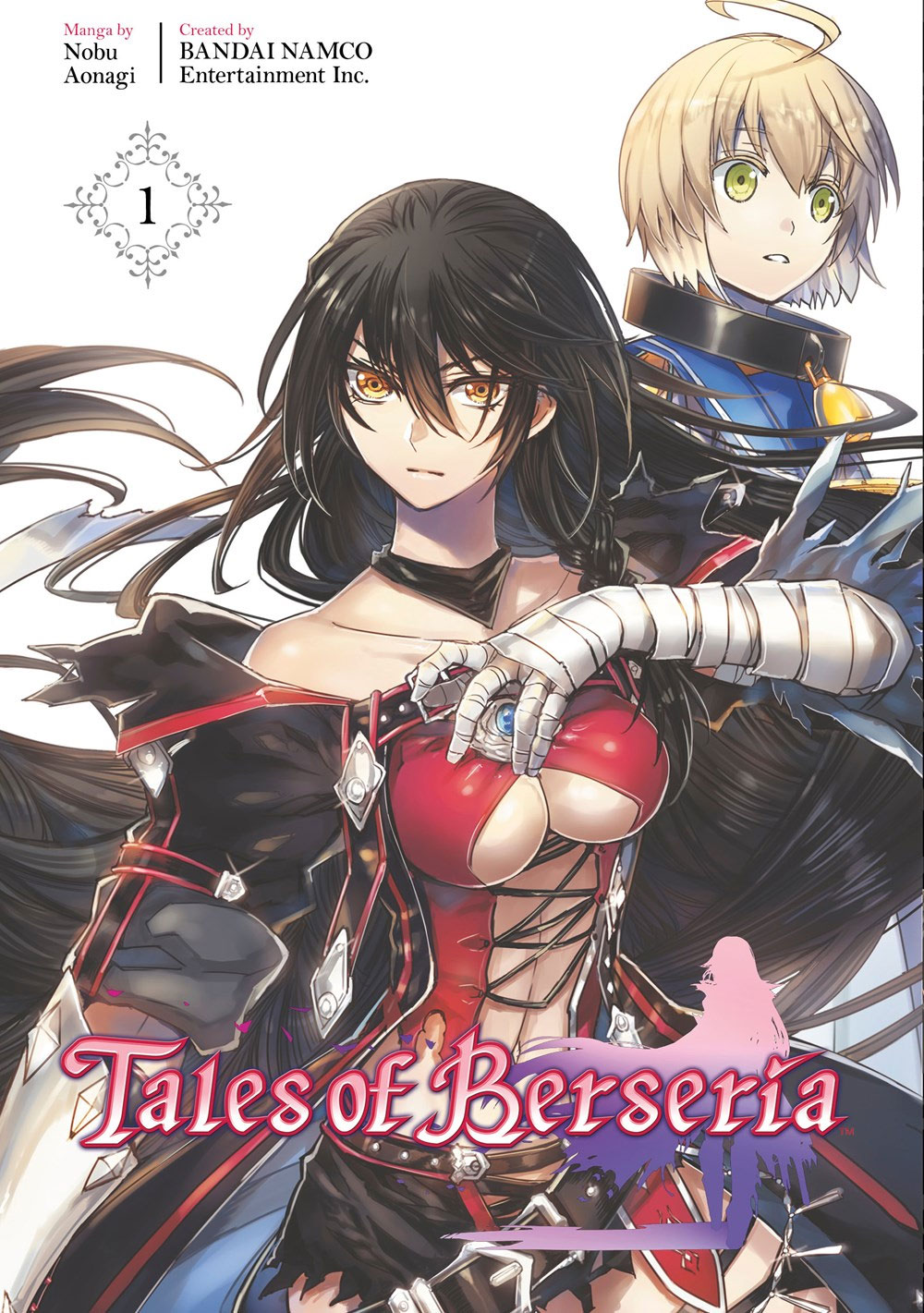
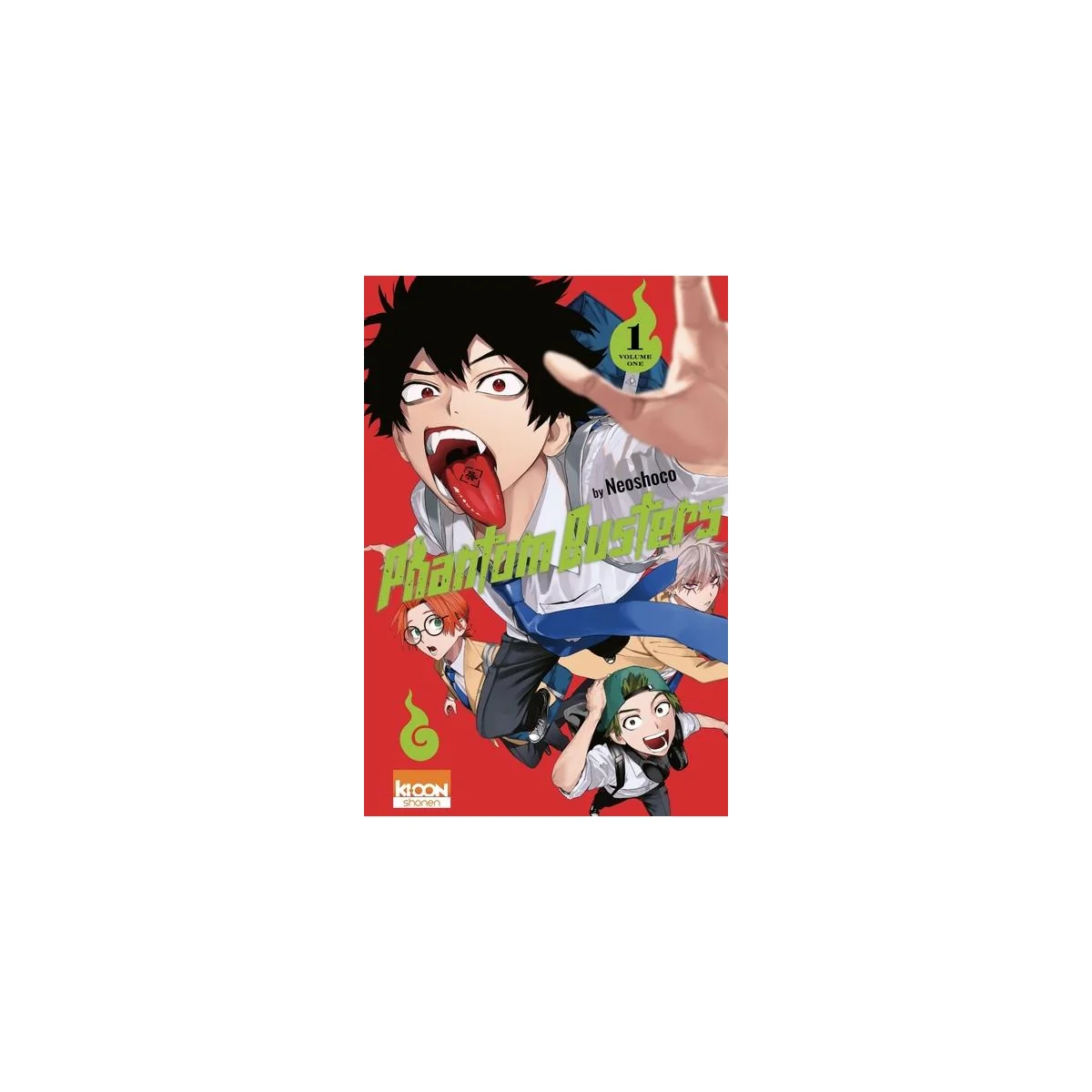
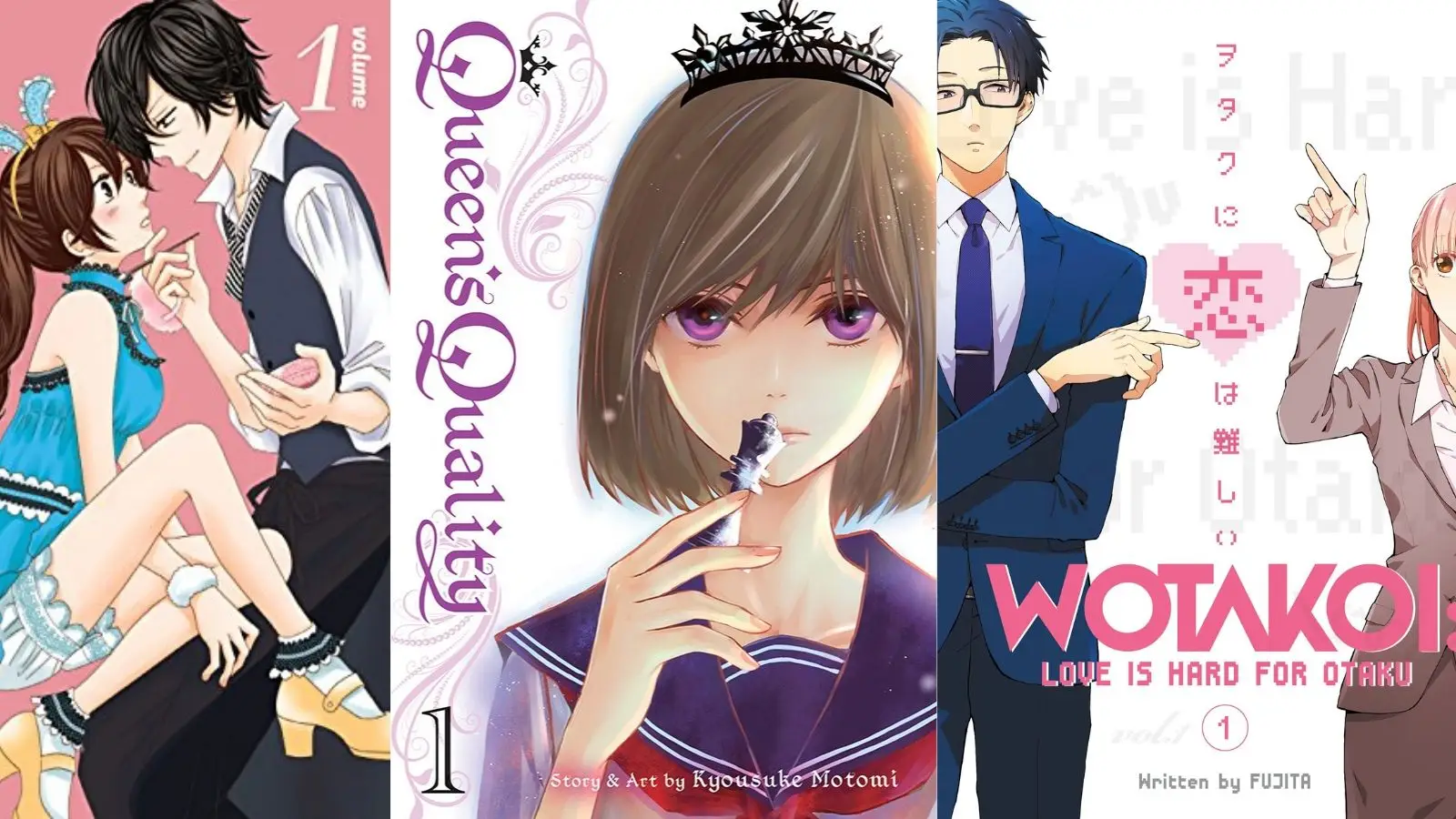
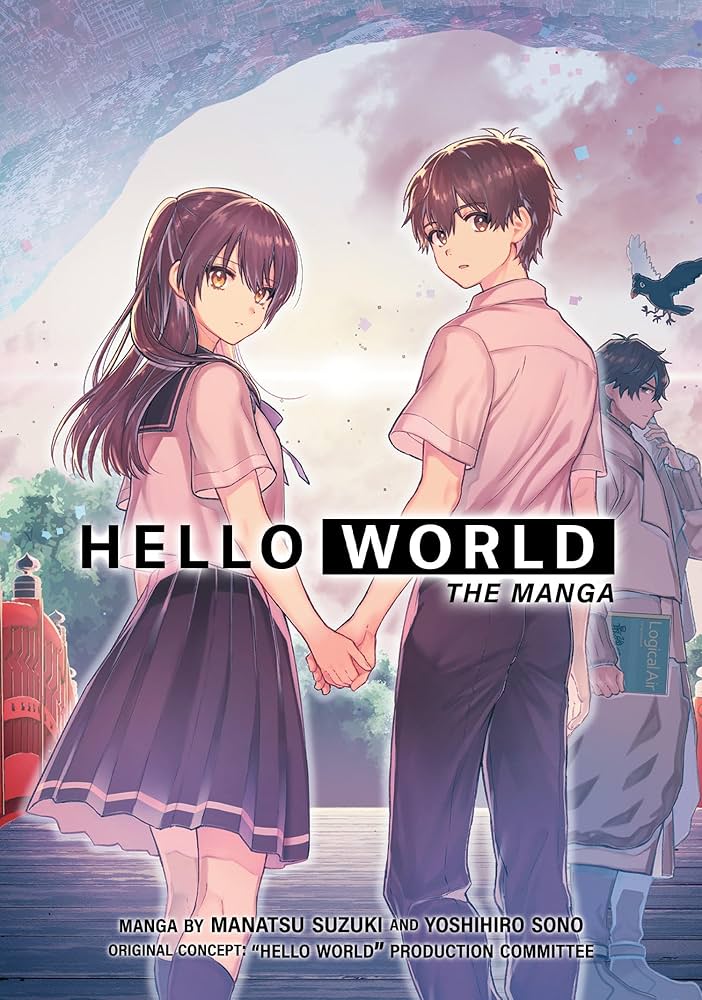
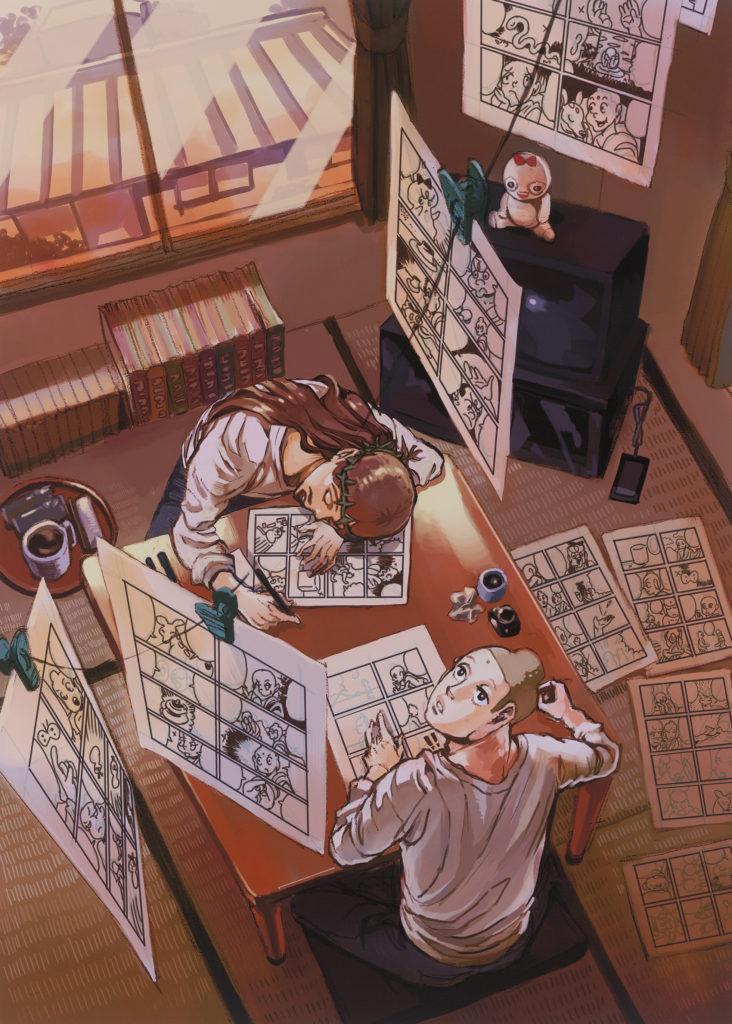
comic strip: Asia and the manga
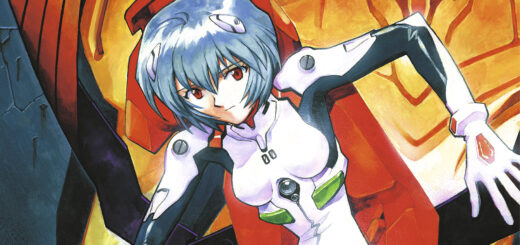
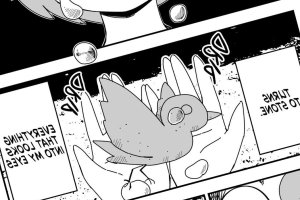
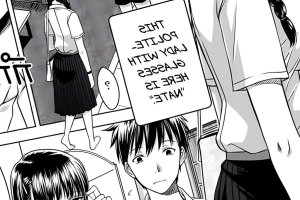
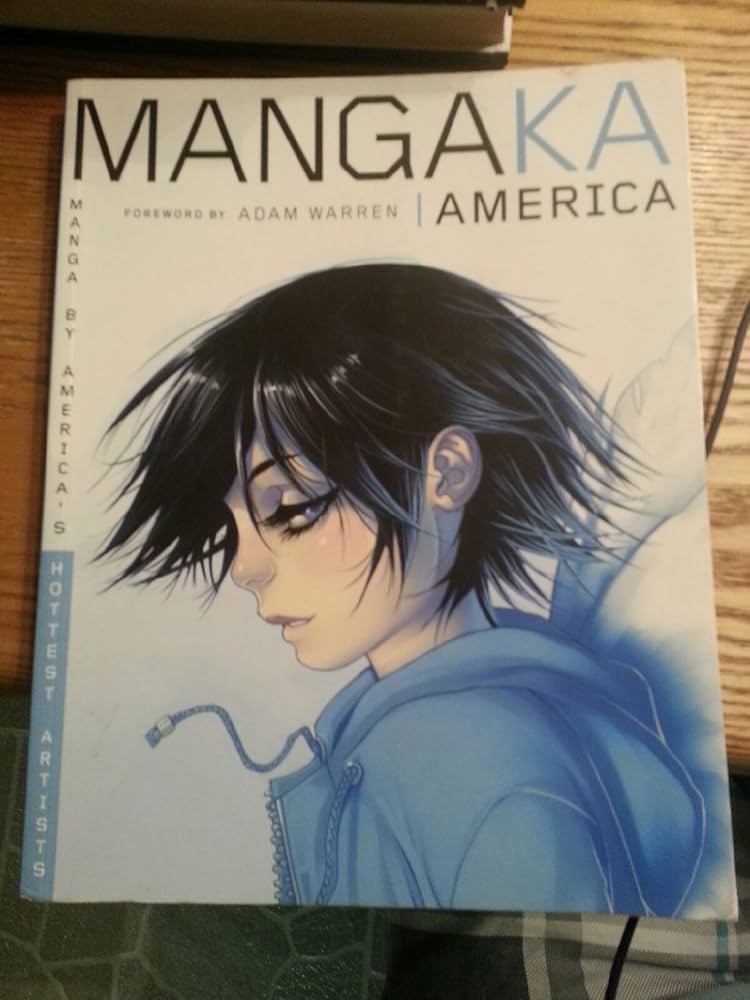
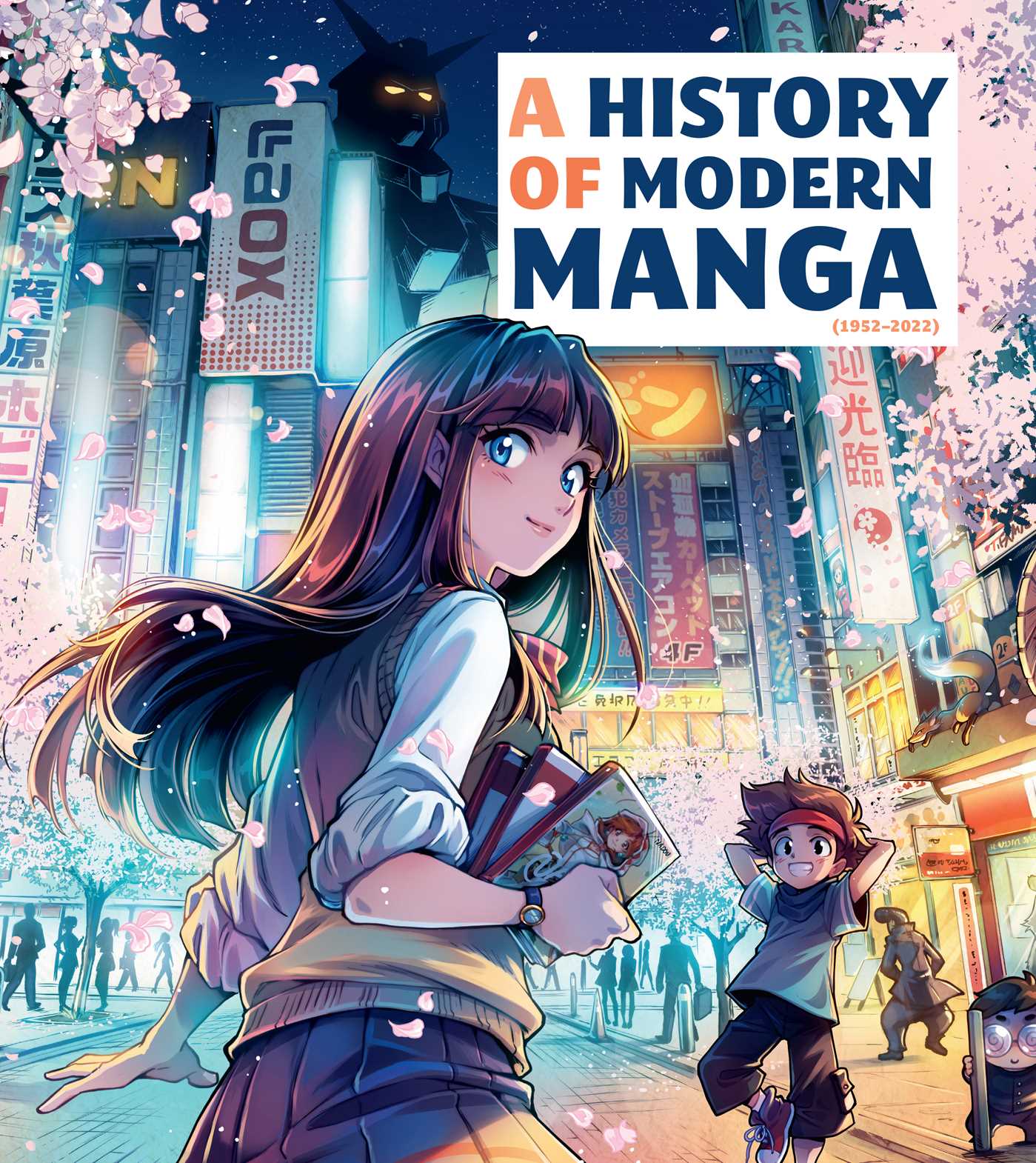
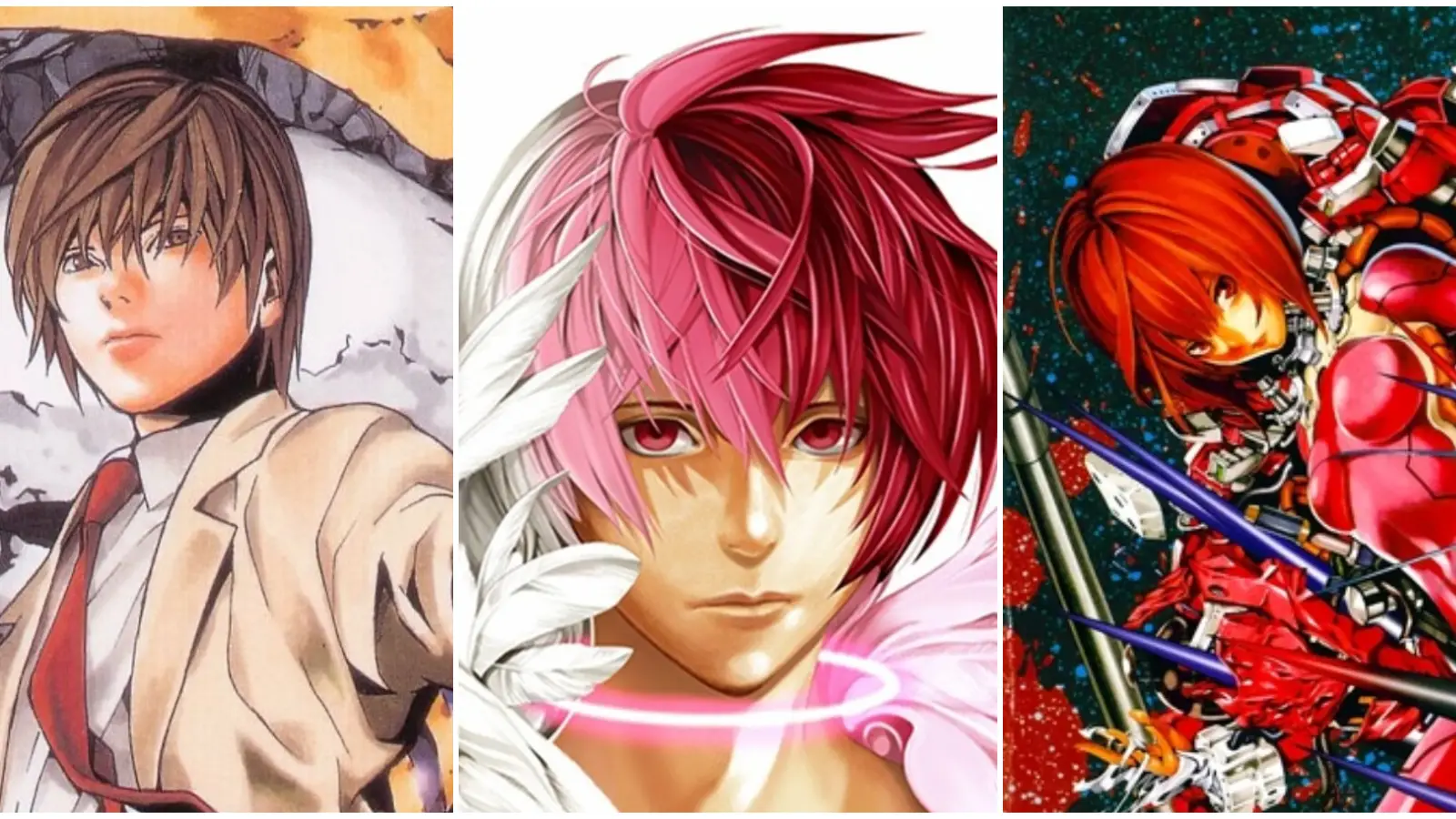
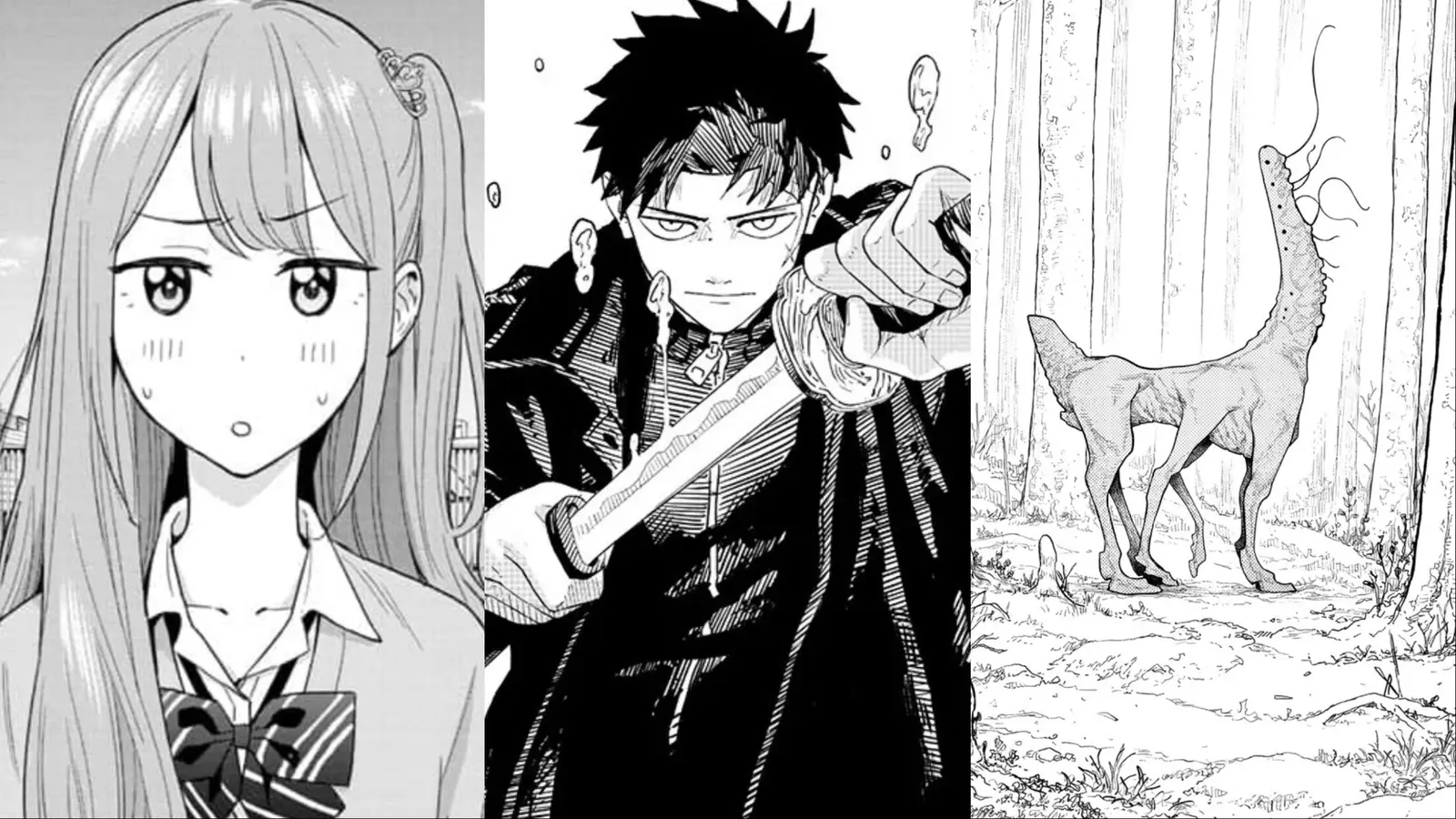
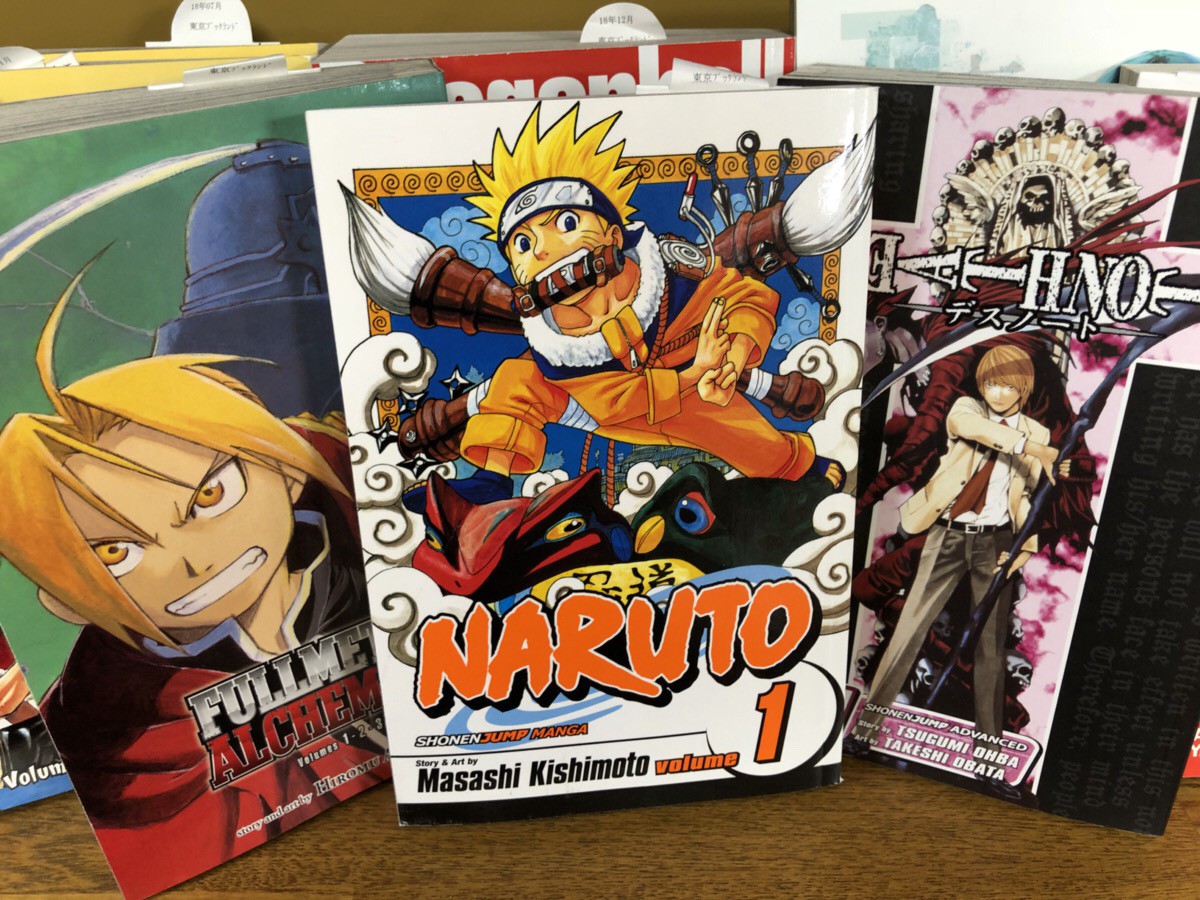
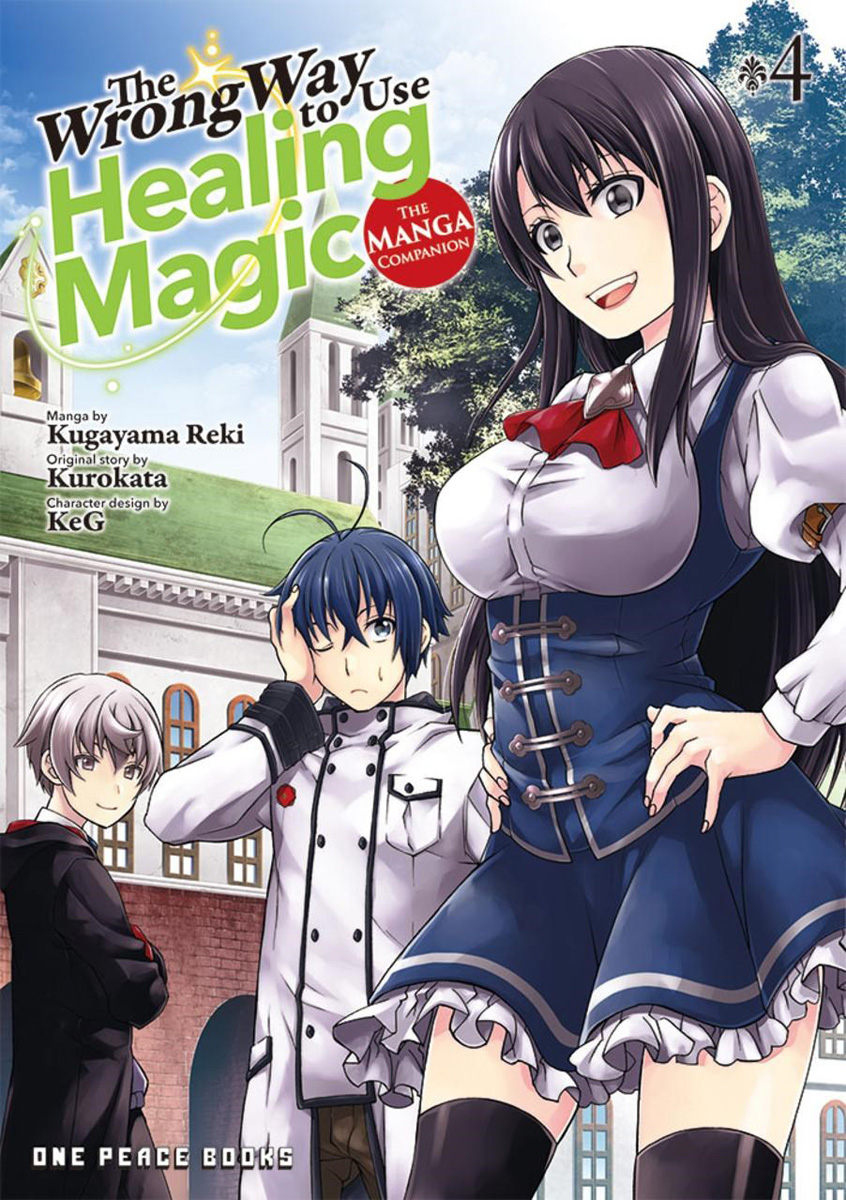
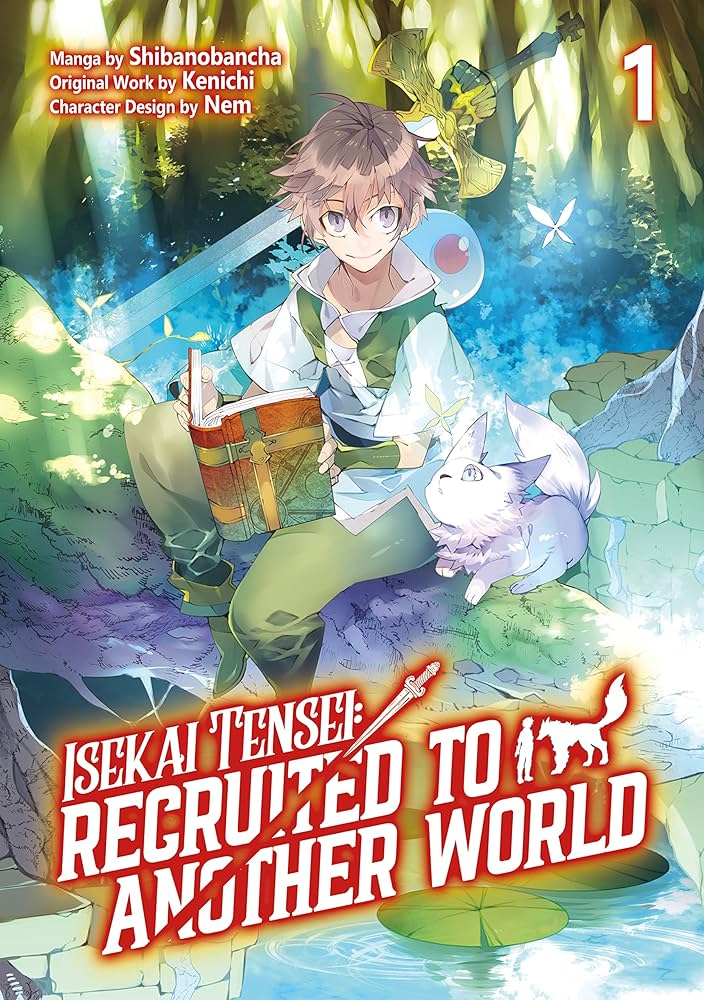
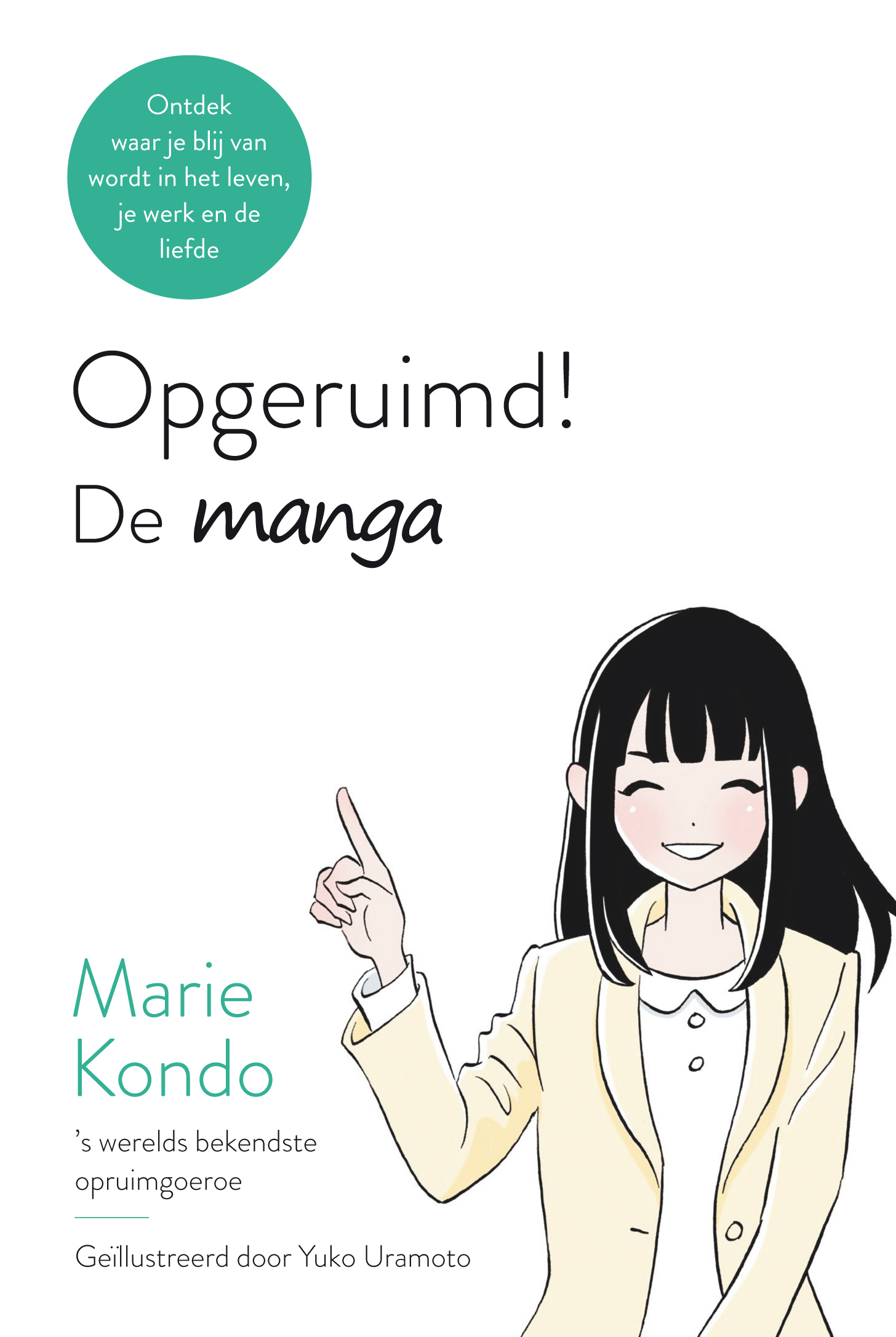
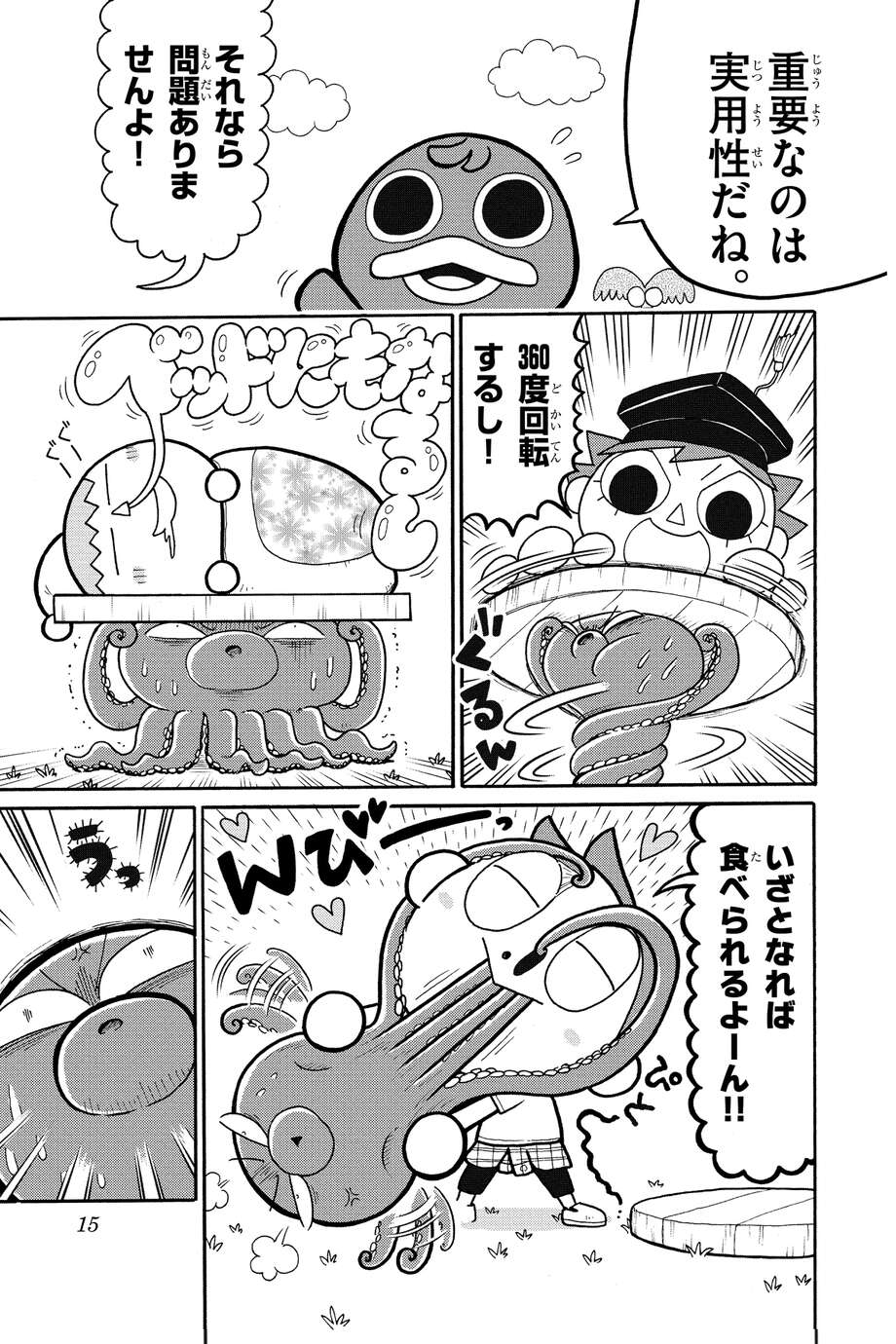
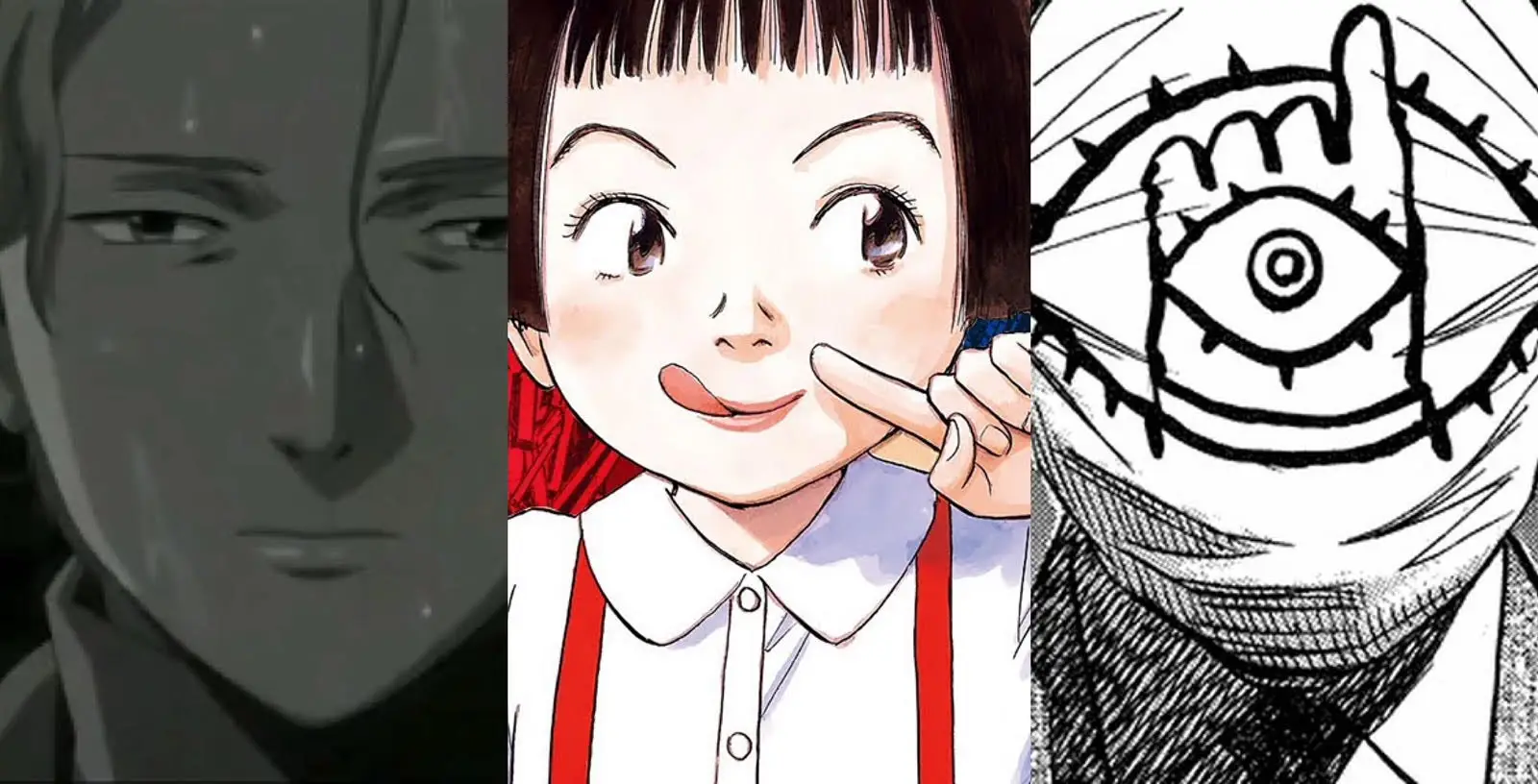
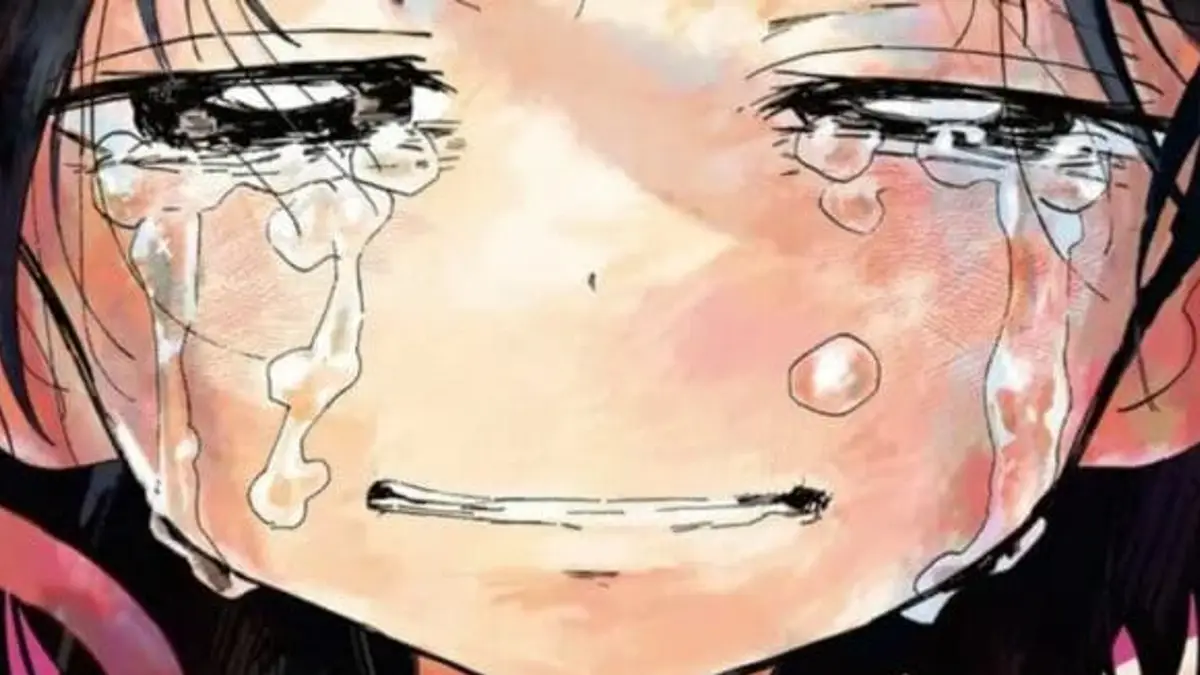
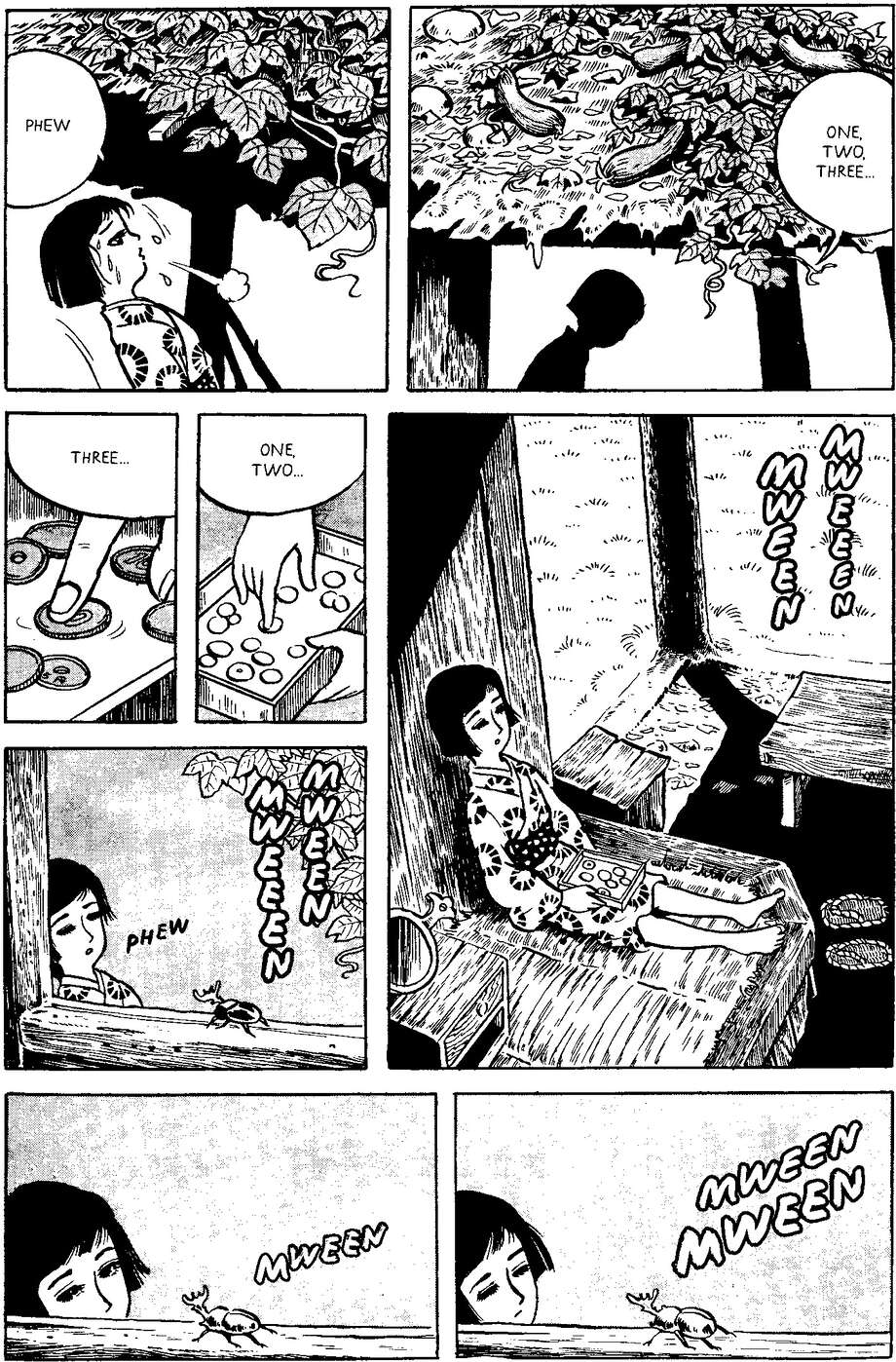
Manga differ from Western comics in several ways beyond their country of origin. While many Western consist of color images, manga are typically printed in black-and-white. Manga are also frequently printed on poor-quality paper, which helps keep production costs down and make manga inexpensive to buy. Characters are often drawn with oversized heads and large, expressive eyes. Facial features are usually drawn with simple lines. A variety of panel shapes are used, along with different angles and perspective effects, to create a cinematic sense of action. Artists often draw the characters with large eyes in order to show emotion more easily. Compared with Western comic books, manga stories are longer and the action is depicted at a slower pace. For example, it is not unusual for a single fight in an action manga to spread over 30 pages.
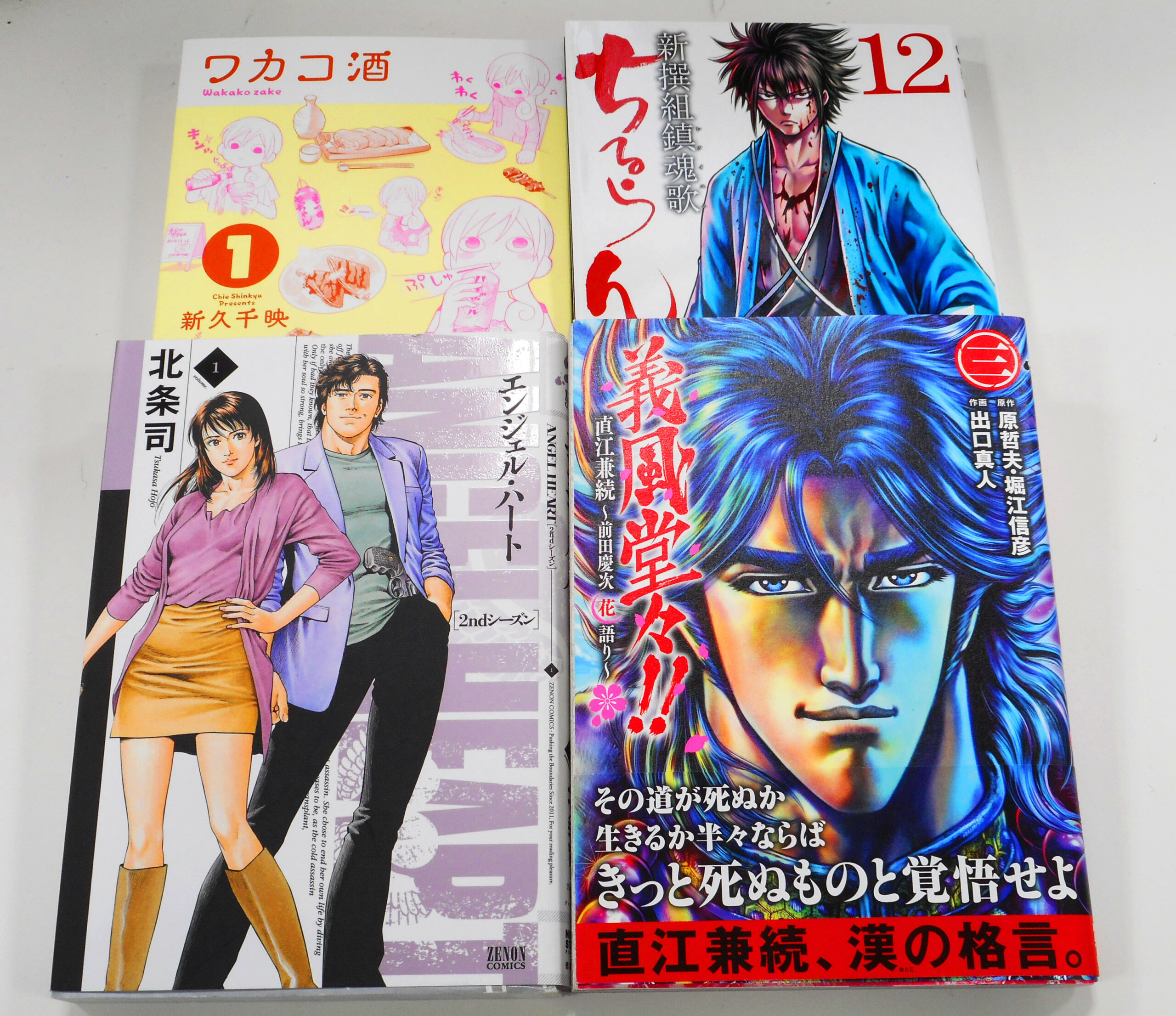
Manga a wide variety of subject matter. Common include action-adventure, , , , , , and . They are often divided by the for which they are intended. Shonen and shojo manga are created for adolescent audiences, the former genre for boys and the latter for girls. Shonen manga frequently revolve around action, while romance is a much more common theme in shojo manga. Seinen manga are intended for an adult male audience and often feature grittier, more-serious versions of the themes seen in shonen manga. Josei manga are aimed at adult women and typically revolve around romance and other personal relationships. Finally, kodomomuke manga are for young children.
In the 21st century most manga in are meant to be read from right to left, as they are in their Japanese originals. Prior to this time manga were often mirrored in the translation and localization process so that the comic could be read from left to right. This “flopping” of the images, as it was often called, required further retouching of the drawings. This changed in 2002 when the publisher TOKYOPOP announced it would begin selling its manga in their original right-to-left format. VIZ Media followed suit a few months later, and the industry almost entirely abandoned the practice of flopping.
The term manga was first used in the 19th century by the artist to describe a set of wood-block-printed copybooks he published. However, these books consisted of unrelated images, rather than sequences of images to tell a story. While Japanese appeared in the early 20th century, modern manga is a product of the post- era. With the U.S. came an of Western comics and animated films. These inspired a number of new artists, including Tezuka Osamu, author of Astro Boy and a number of other influential manga. Tezuka, who cited American cartoons—particularly those by —as his inspiration, developed a number of conventions of modern manga (such as the large eyes prevalent in the medium) and began telling a variety of stories through his manga.