Manga doujin
Gallery




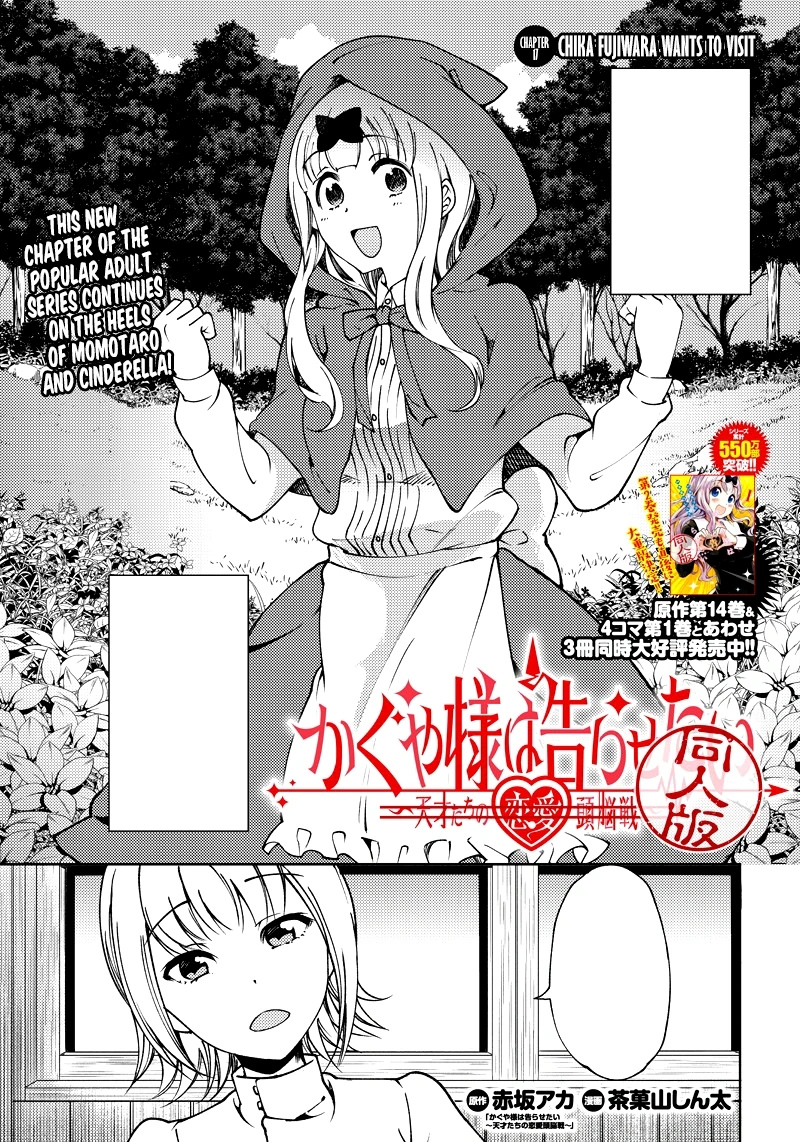

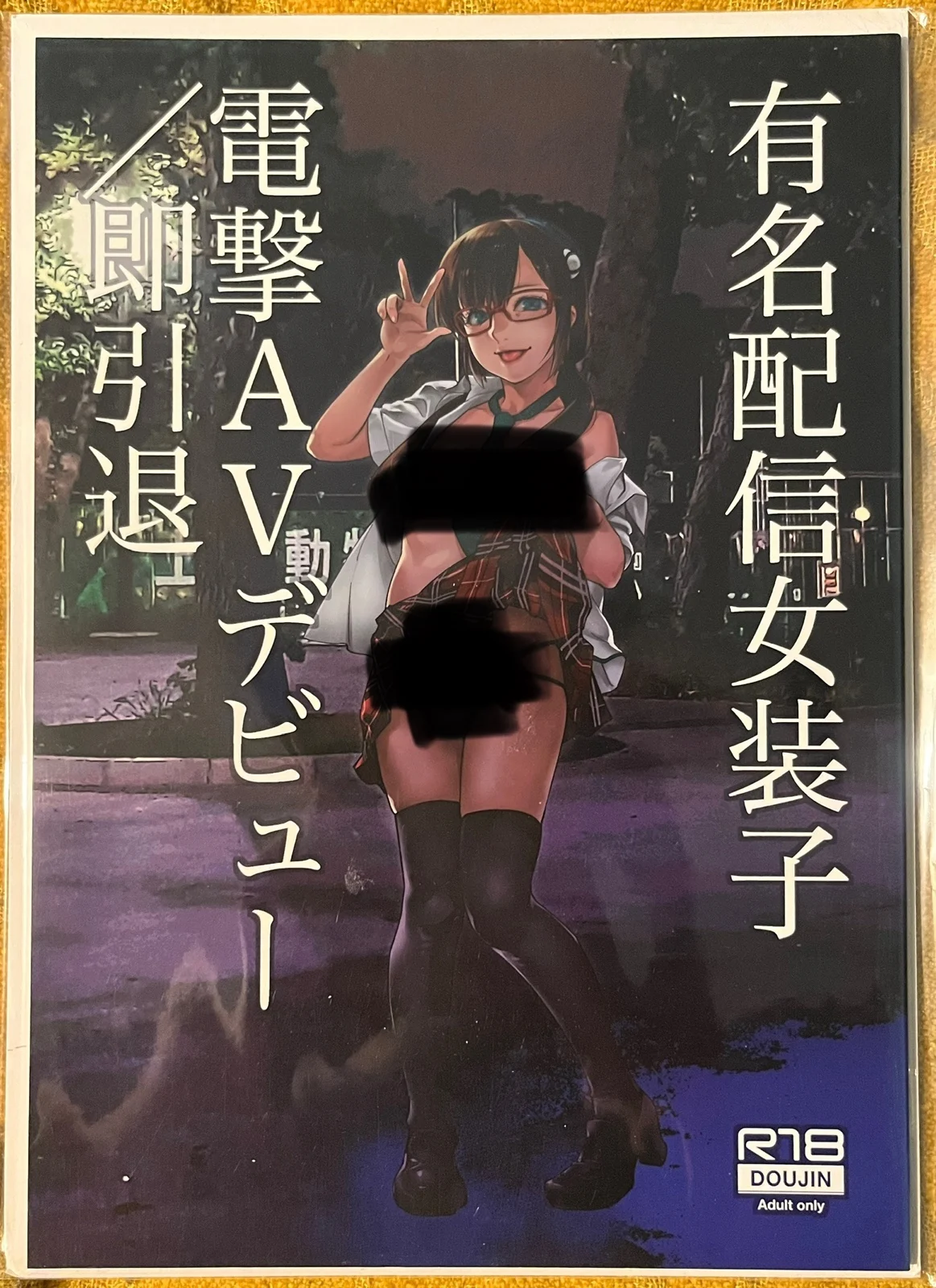



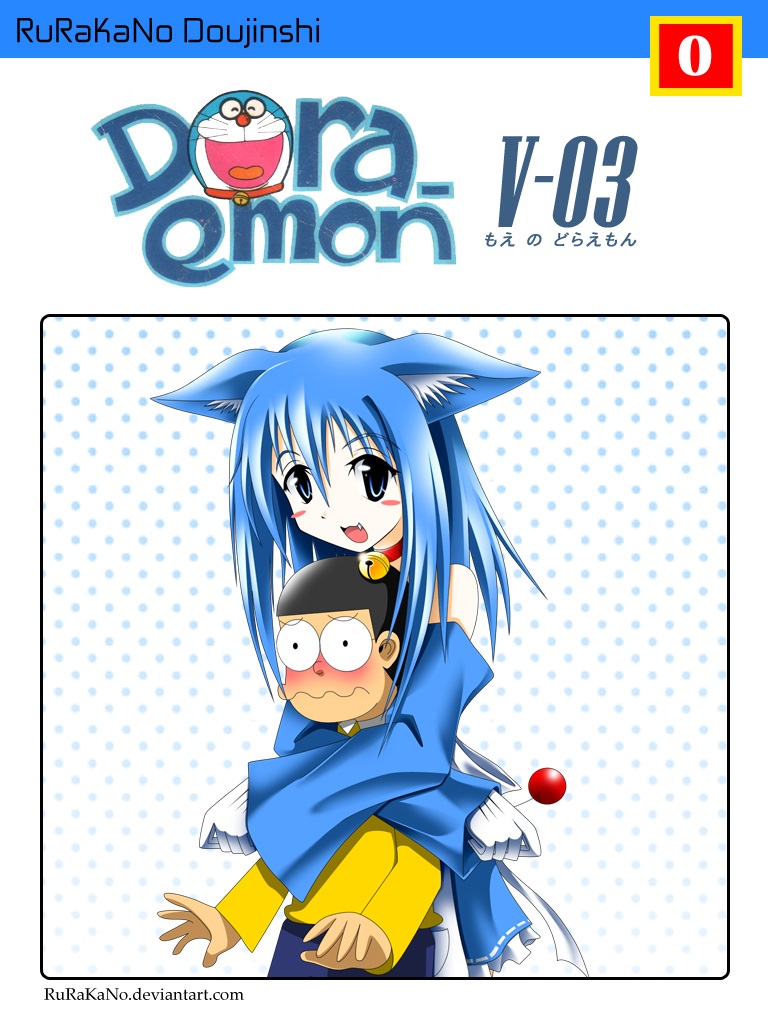




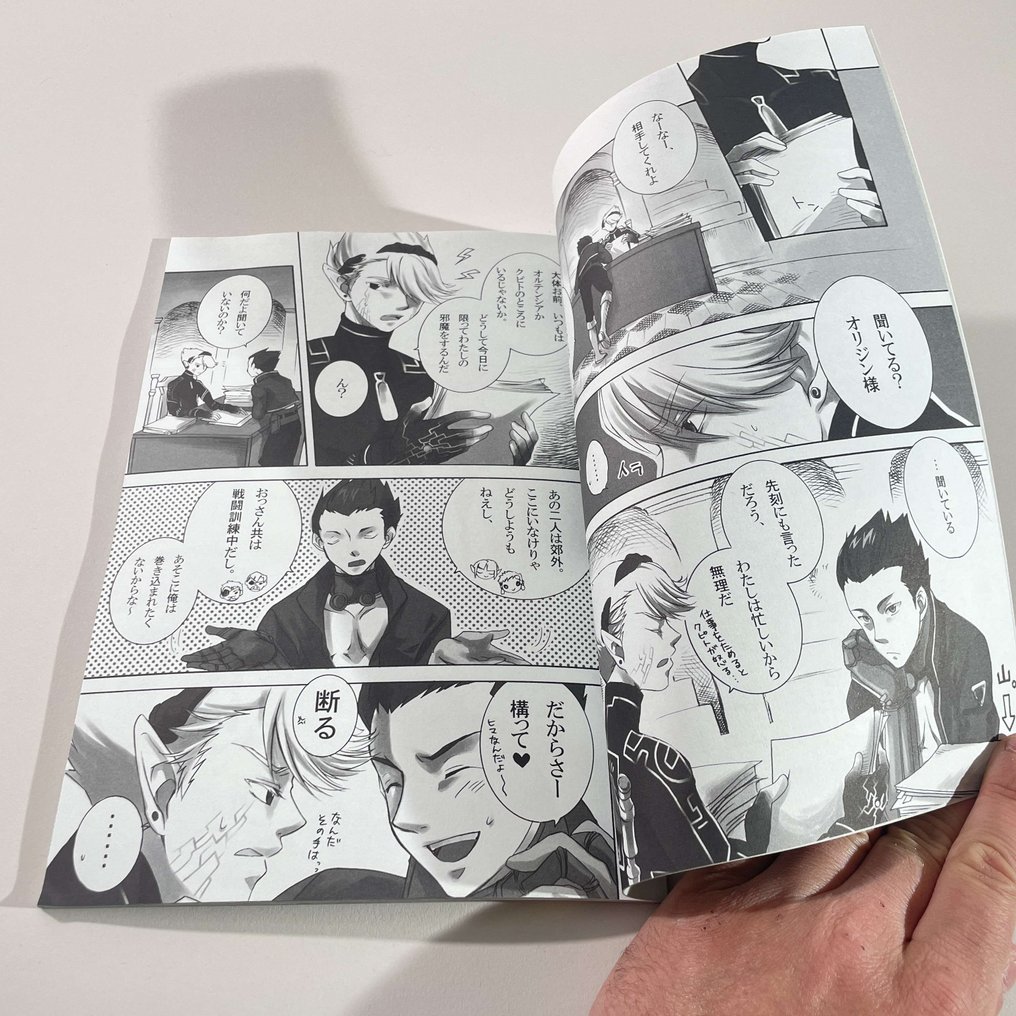

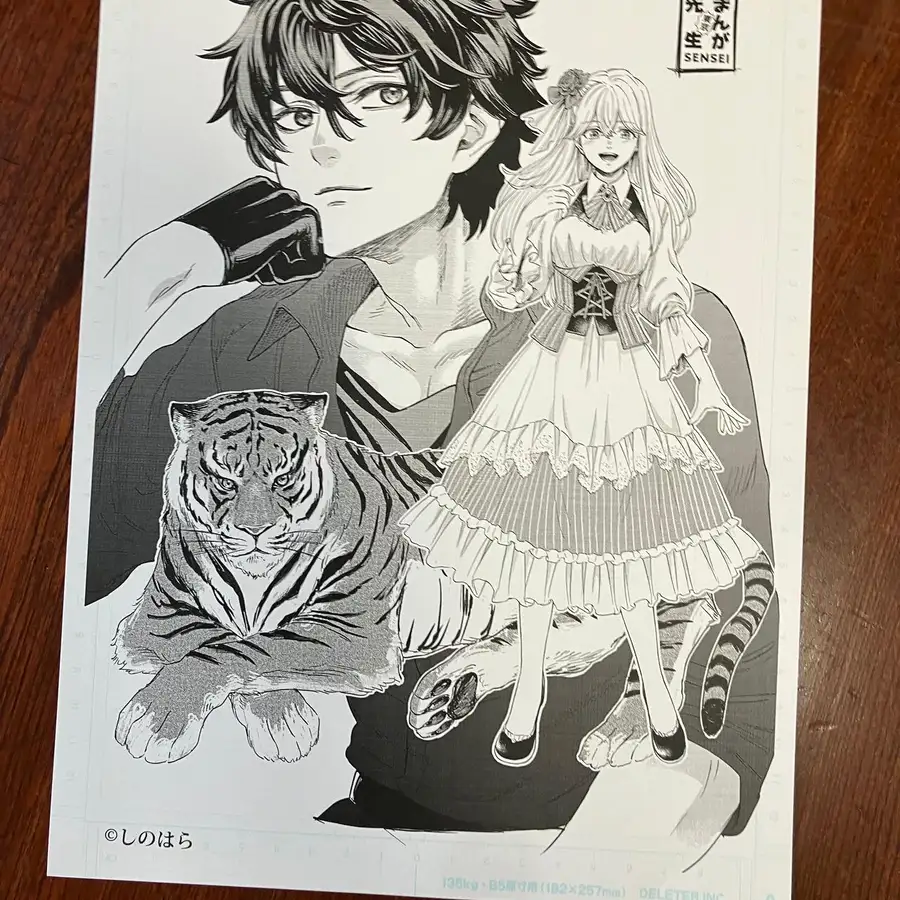
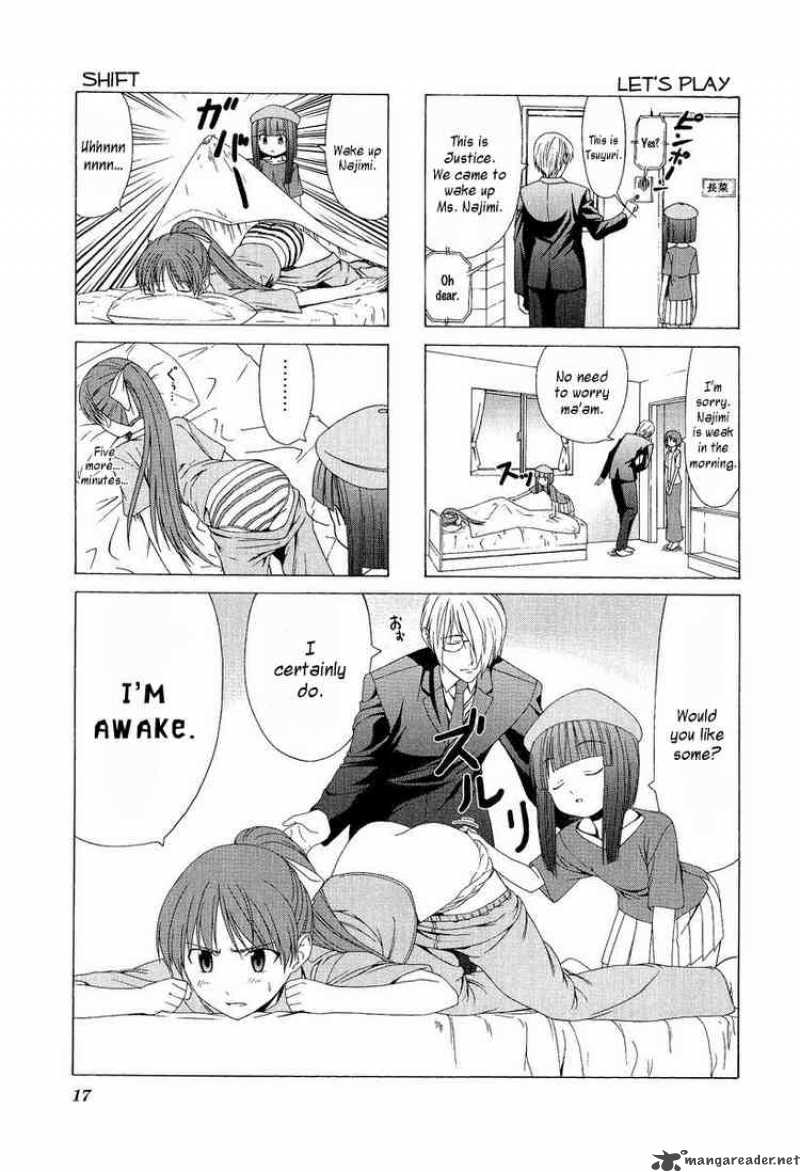



Brimming with fan passion and bursting with creativity, Yamamoto doujin is another independent manga series featuring familiar characters in new storylines. This artistic expression sits comfortably atop the popularity scale in terms of fan engagement and passionate audience returning for more unique twists in the tale. Through this blog post, we explore the origins and significance of doujins and how these fan-fiction comics evolved into hentai manga.
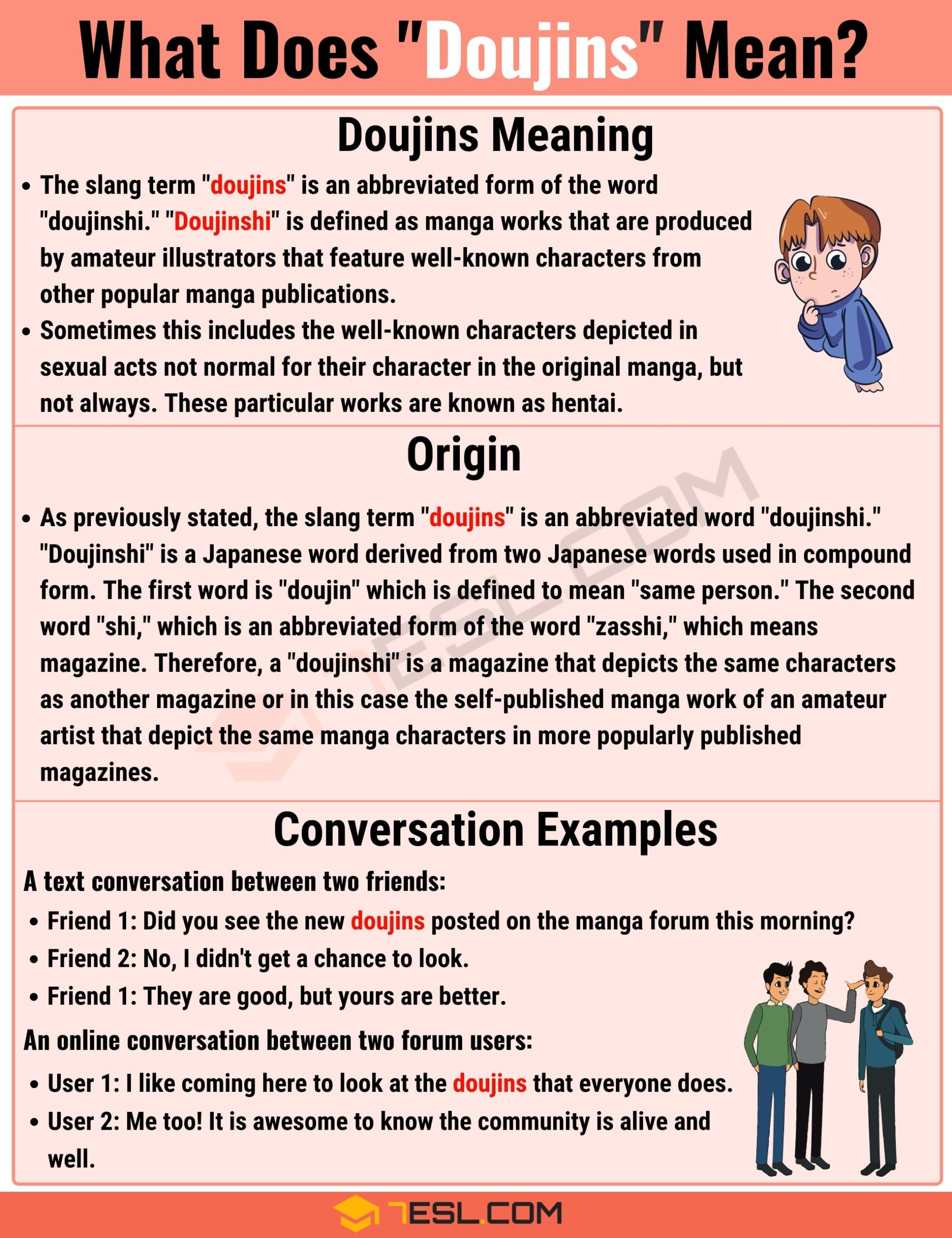
Doujin, also known as fan comics or fanzines, is a cornerstone of fan expression within the realm of manga. These independent creations are essentially self-published comics featuring characters or concepts inspired by existing manga or anime series but not officially endorsed by the original creators. Doujin boasts a rich history in Japan, dating back to the late 19th century when fans began crafting their versions of beloved stories.
Over time, doujin evolved beyond mere adaptations. Original characters, narratives, and themes found their place within this creative outlet, showcasing fan artists’ immense talent and imagination. The 1970s and 80s witnessed a surge in doujin popularity, fostering a thriving community of creators and collectors. Today, doujin remains a significant facet of Japanese pop culture, cherished by fans, and even serves as a launchpad for some artists entering professional manga careers.
The influence of doujin extends beyond Japan’s borders. With a global fanbase for manga and anime, doujin has become a celebrated form of fan creativity, adding a unique voice to the art form. These independent works continue to shape and inspire the development of manga and anime, solidifying their place as a vital part of this creative ecosystem.
While doujinshi is traditionally represented as self-published documents such as short stories or manga, it literally means “amateur publication” and has come to be used as a synonym for any independently published . Doujinshi produced by a team is usually credited as a “doujin circle” rather than an individual’s .