Manga in
Gallery
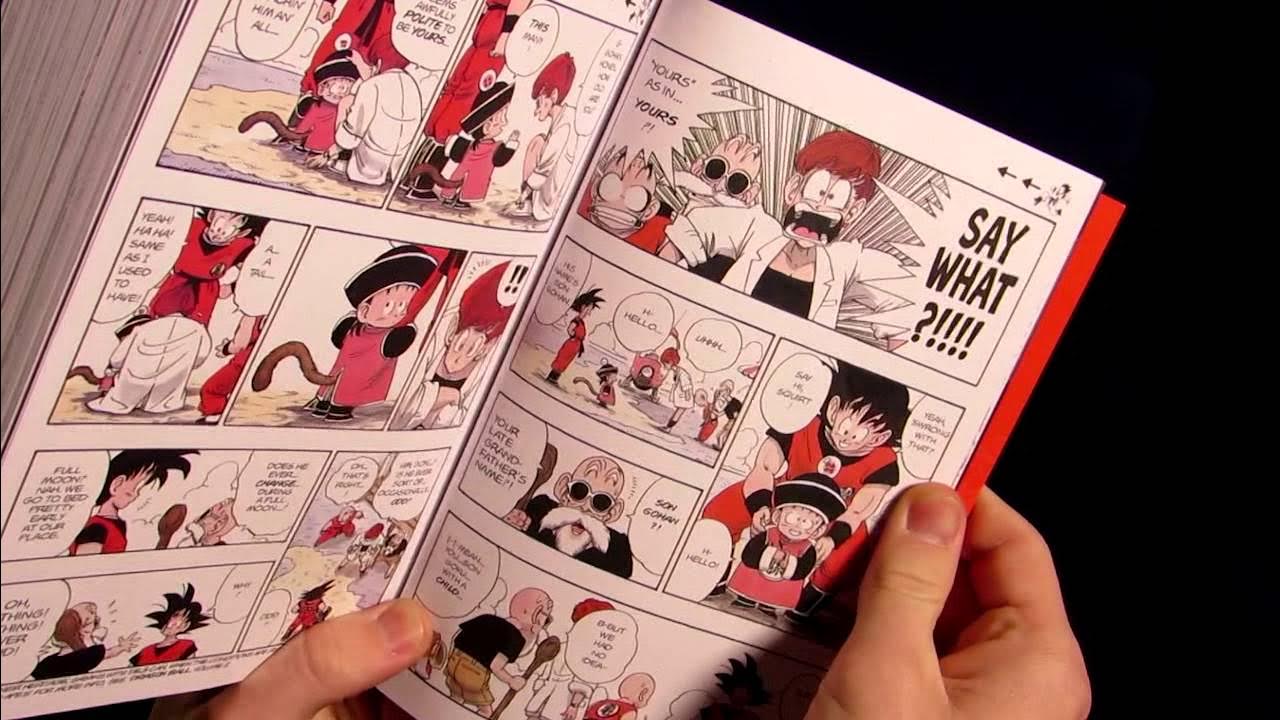
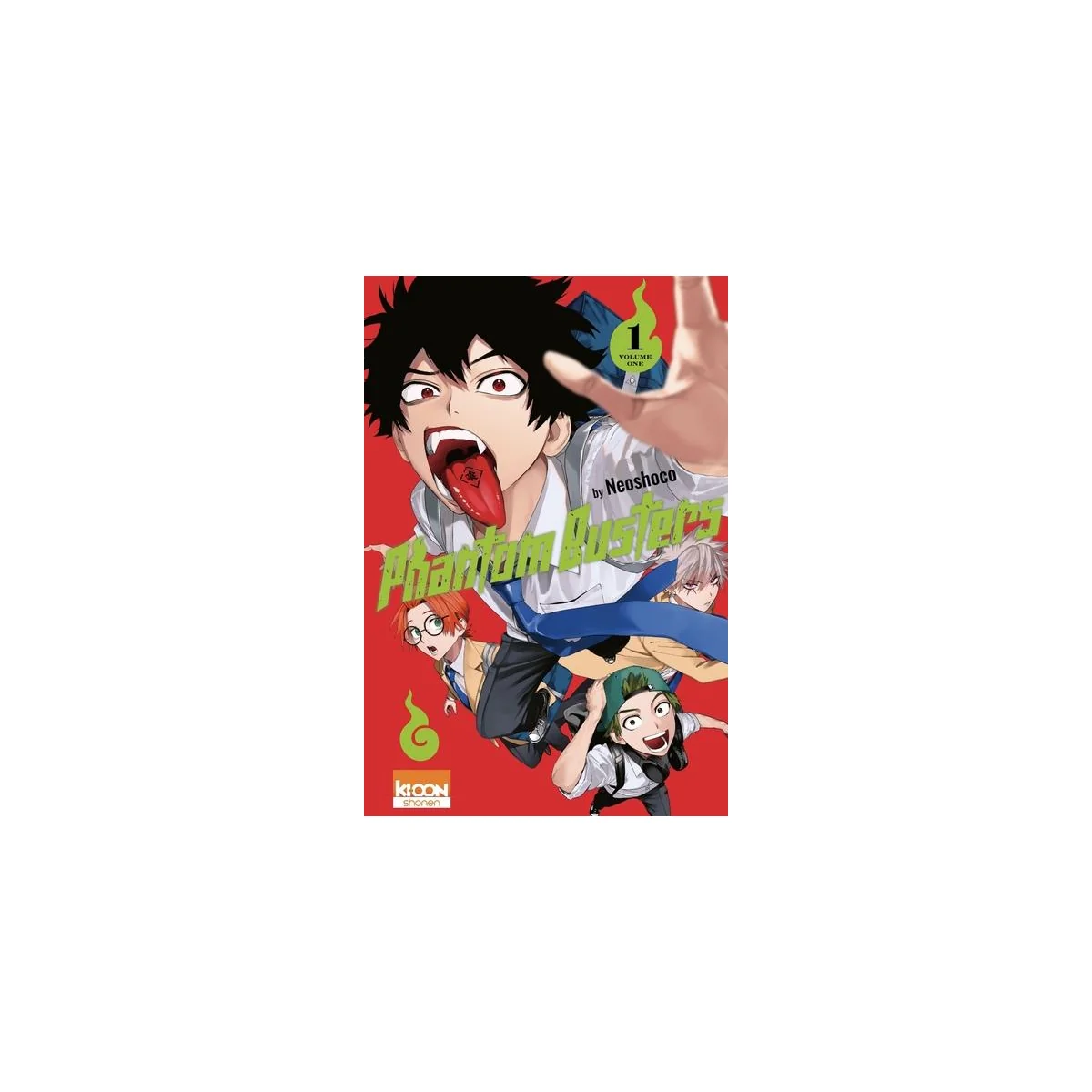
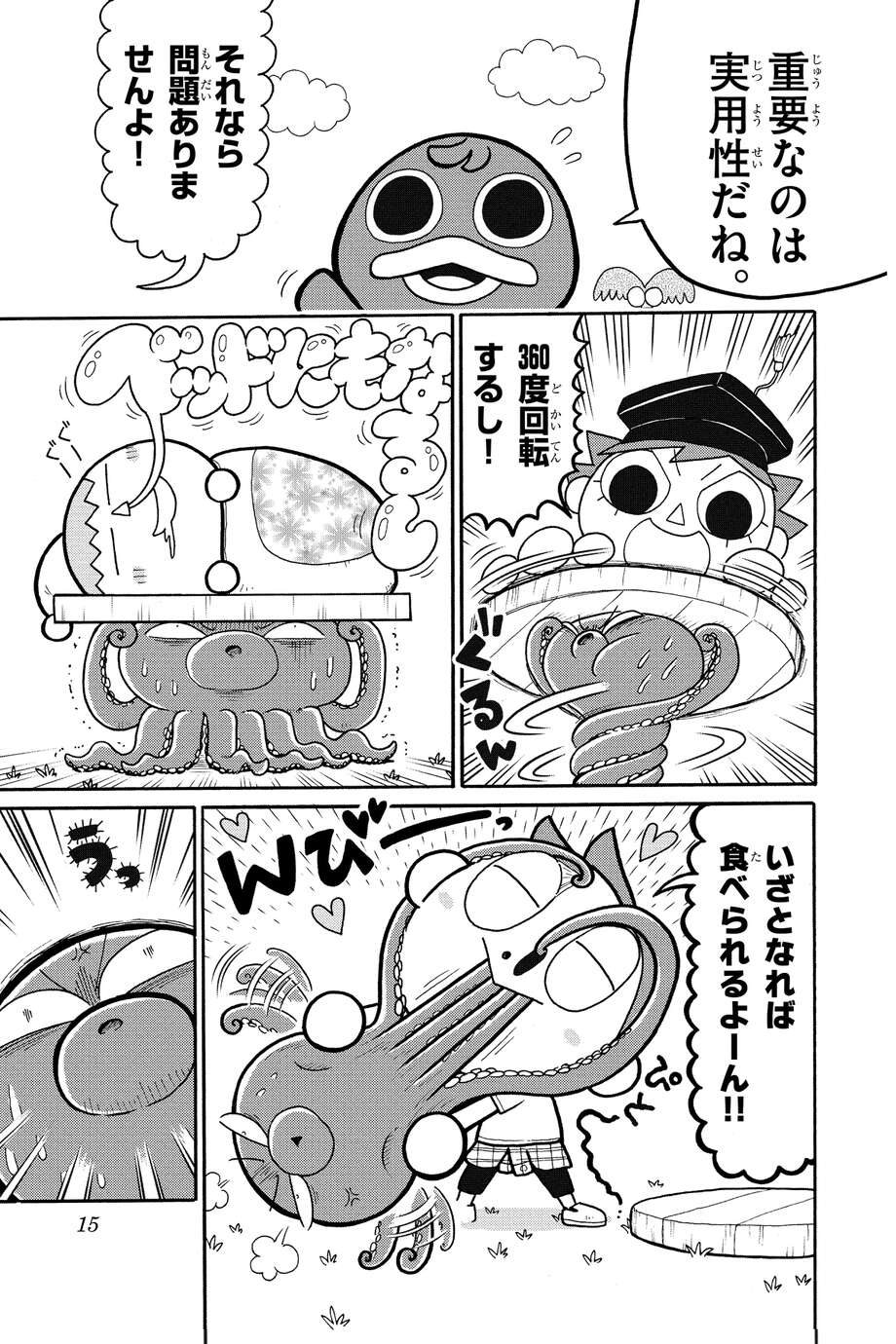


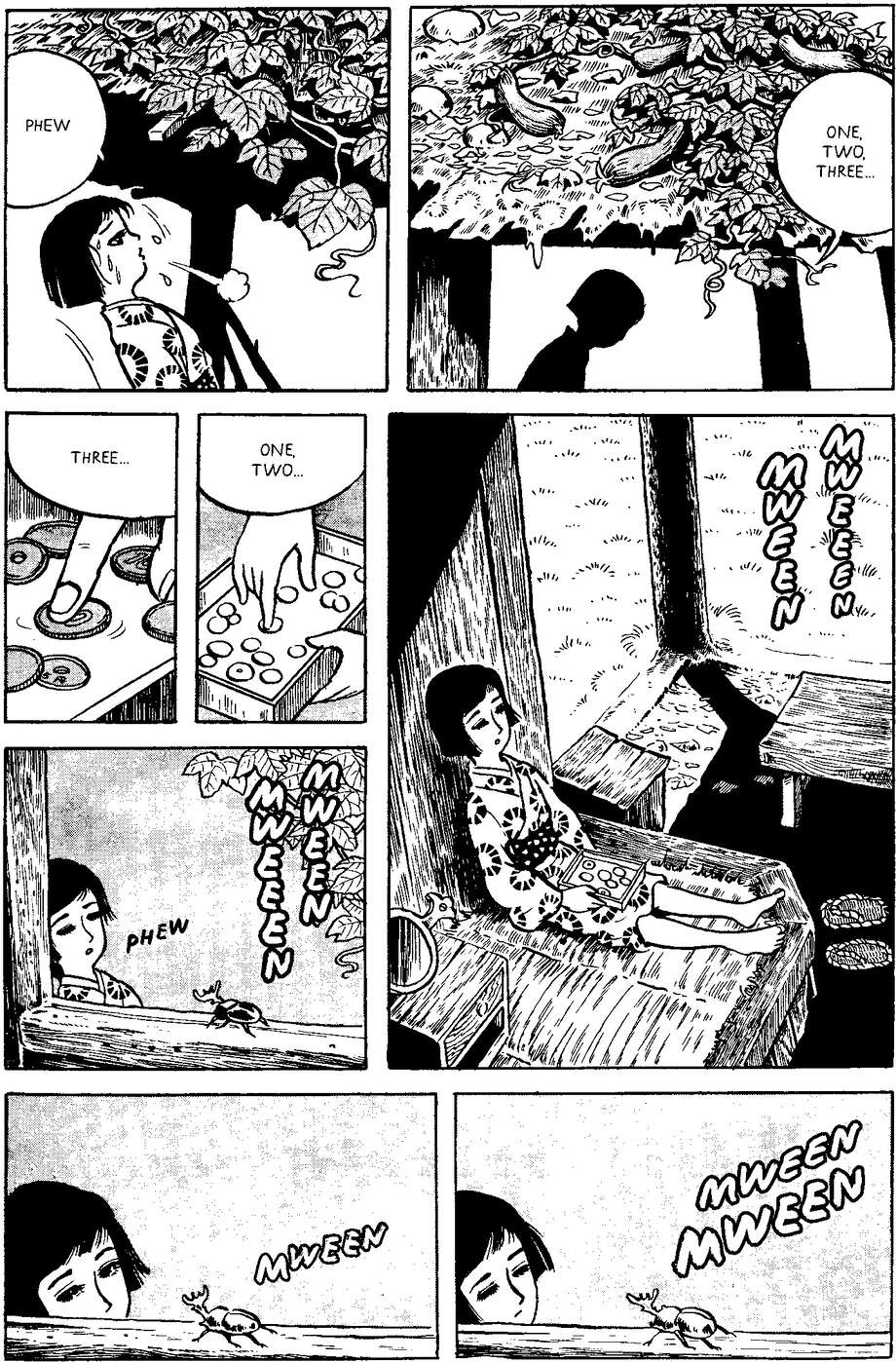


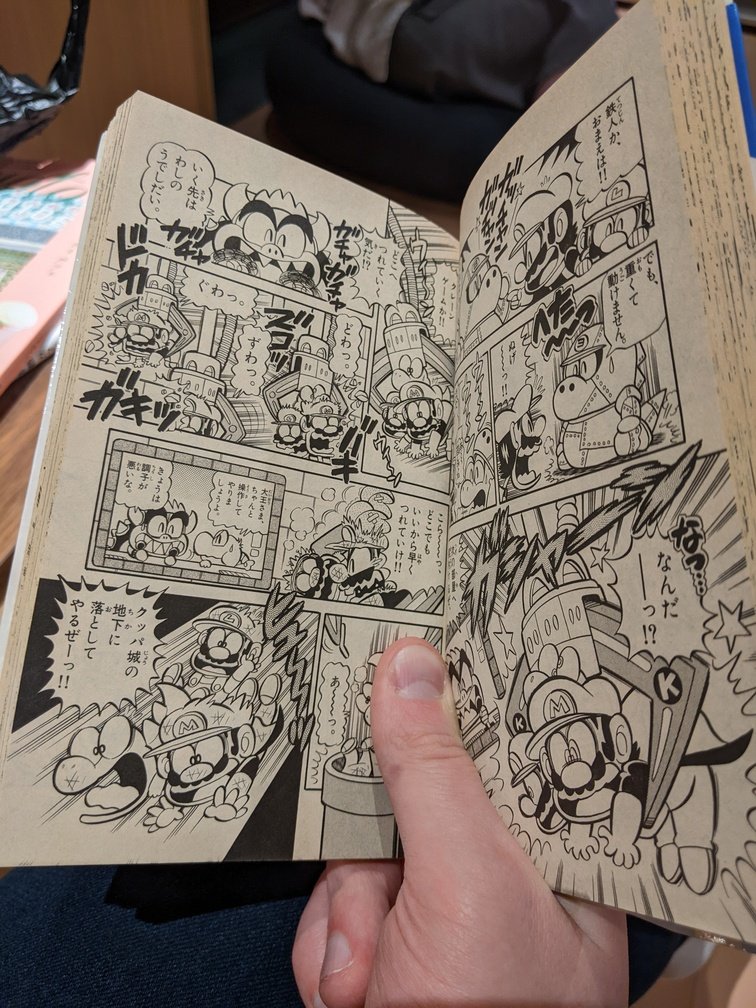
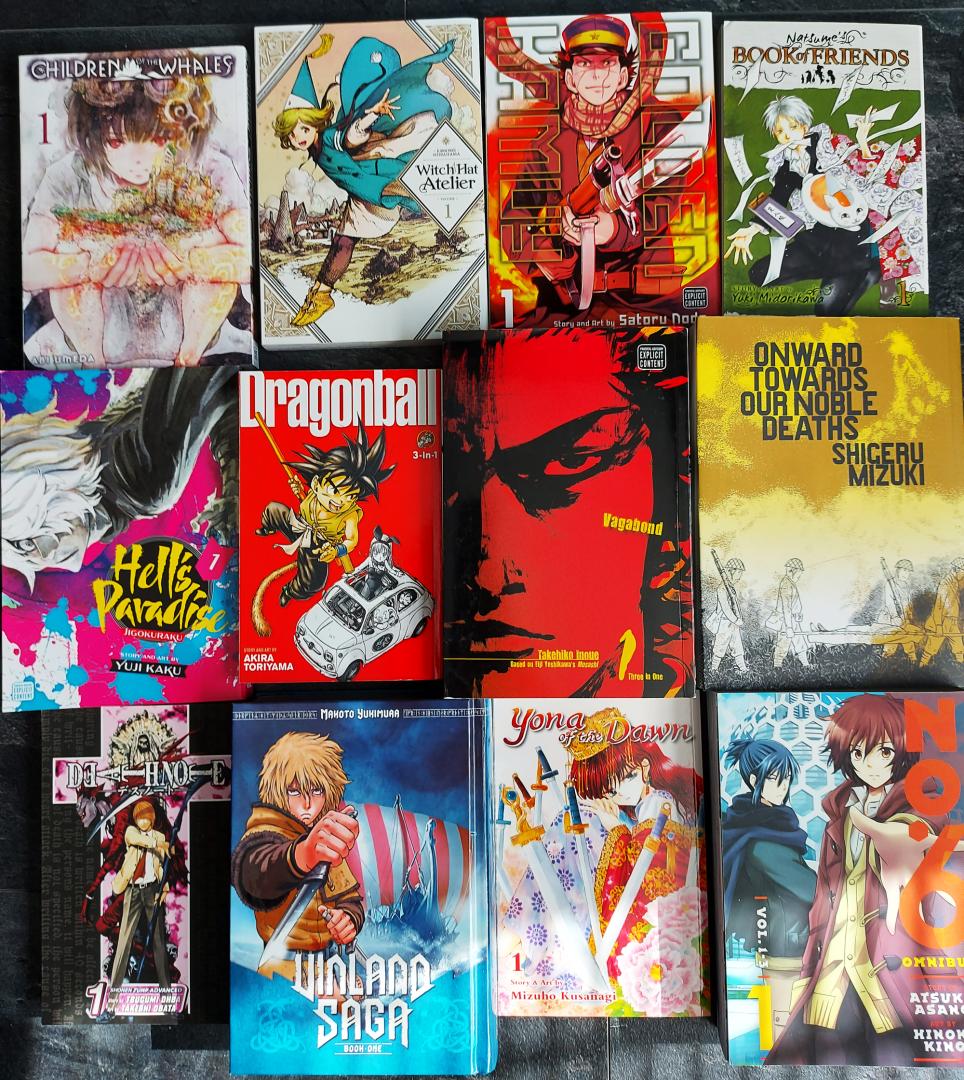
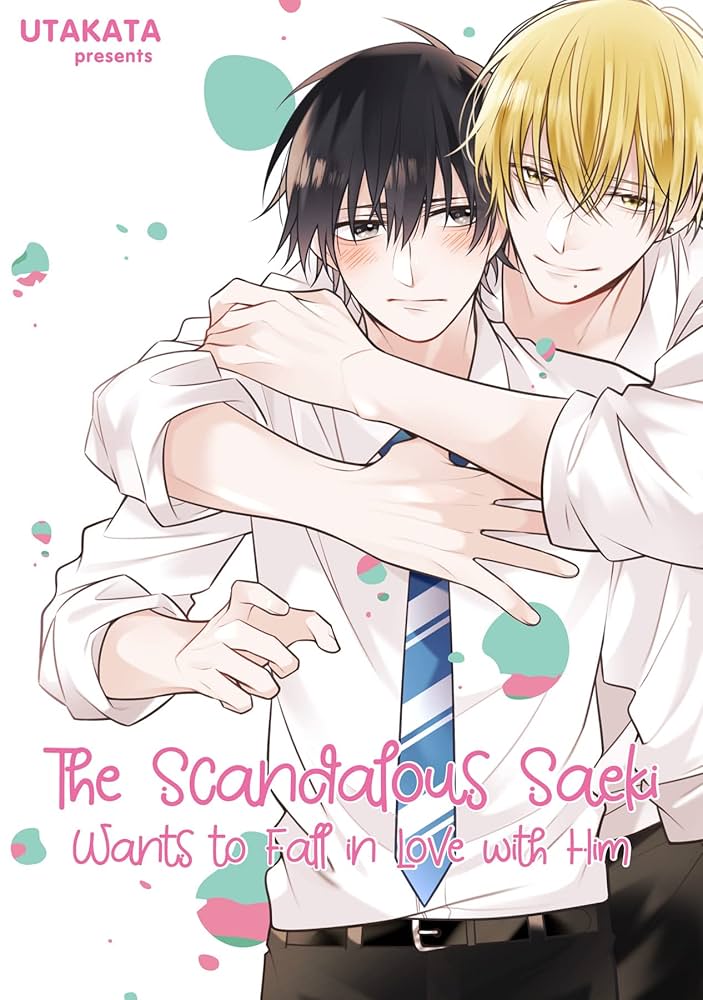

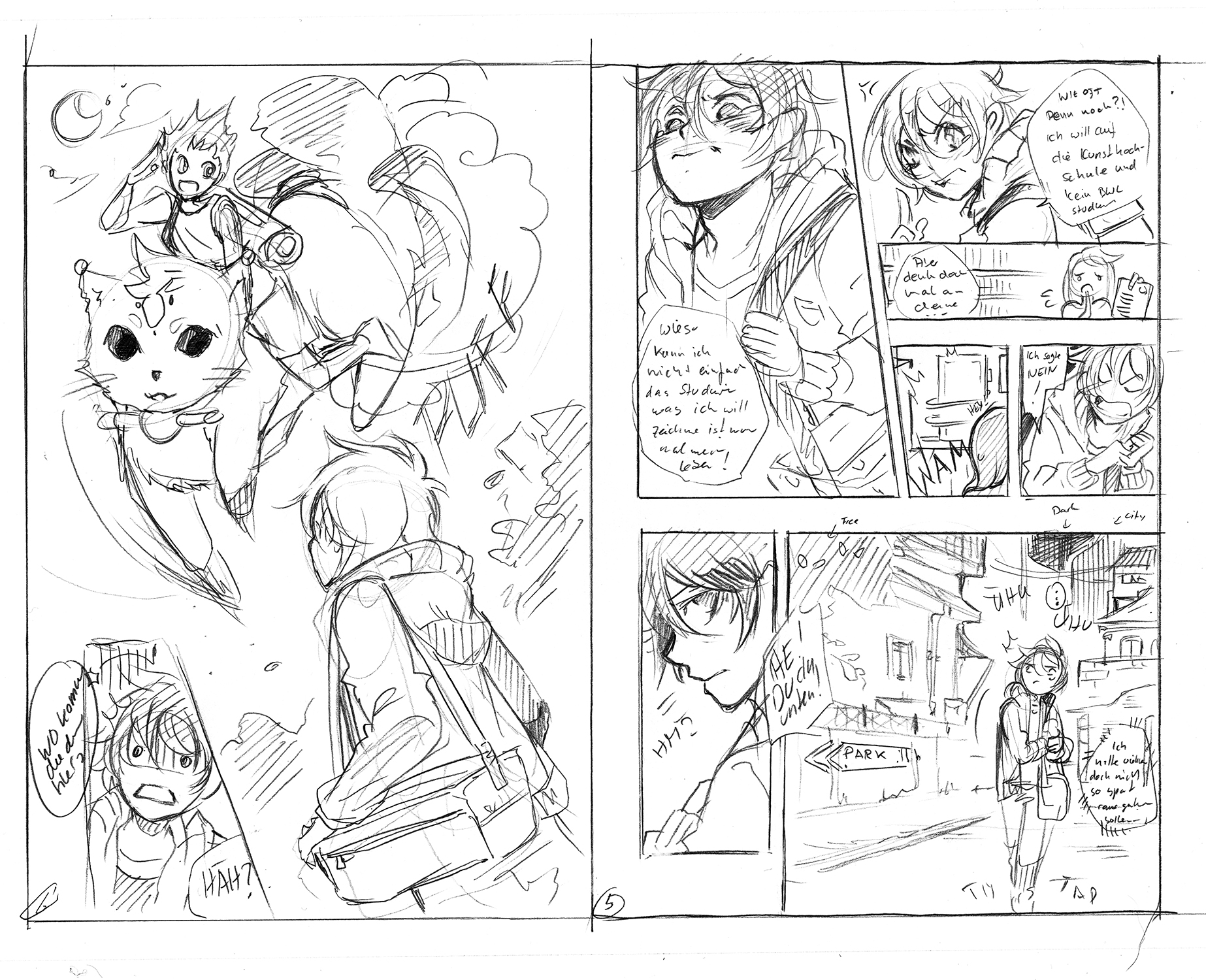

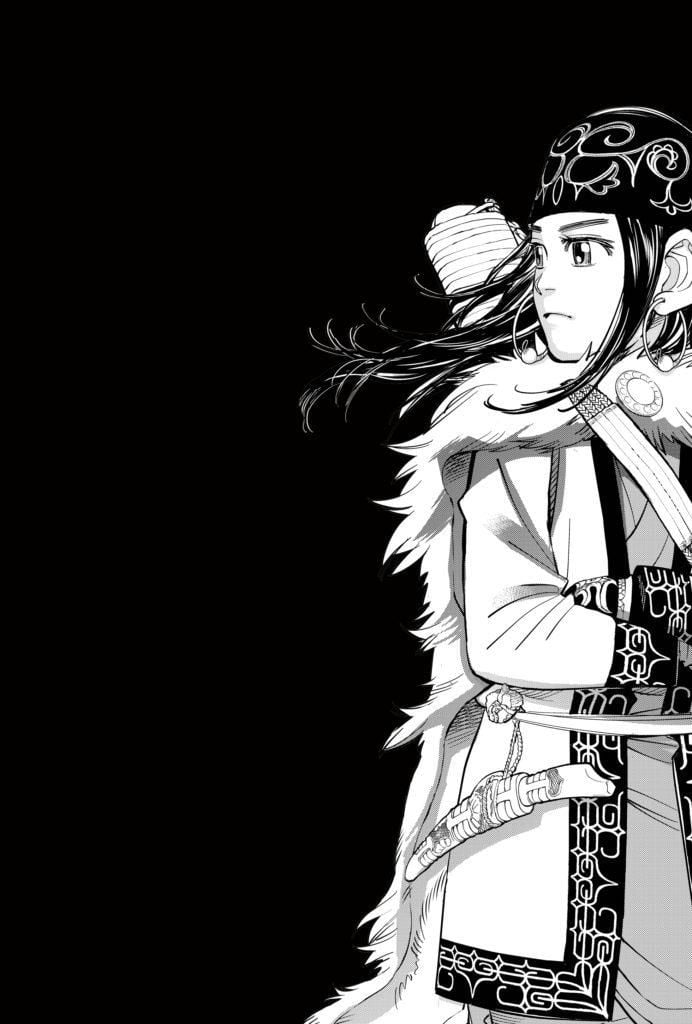
That’s because manga begins where all Japanese books do: on what, to Western readers, would be the last page.
Try reading manga in the Western way and you’re likely to spoil a great ending.
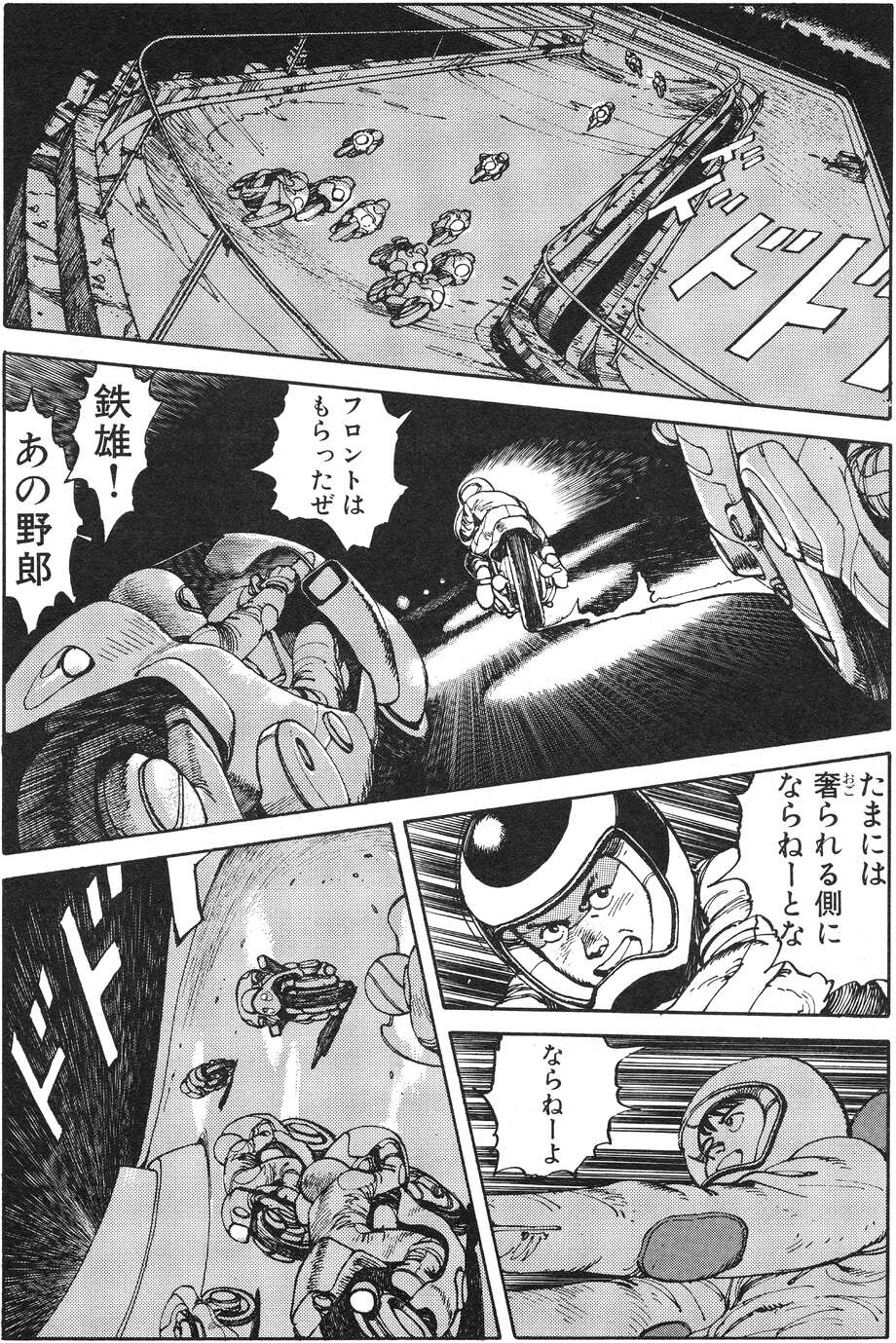
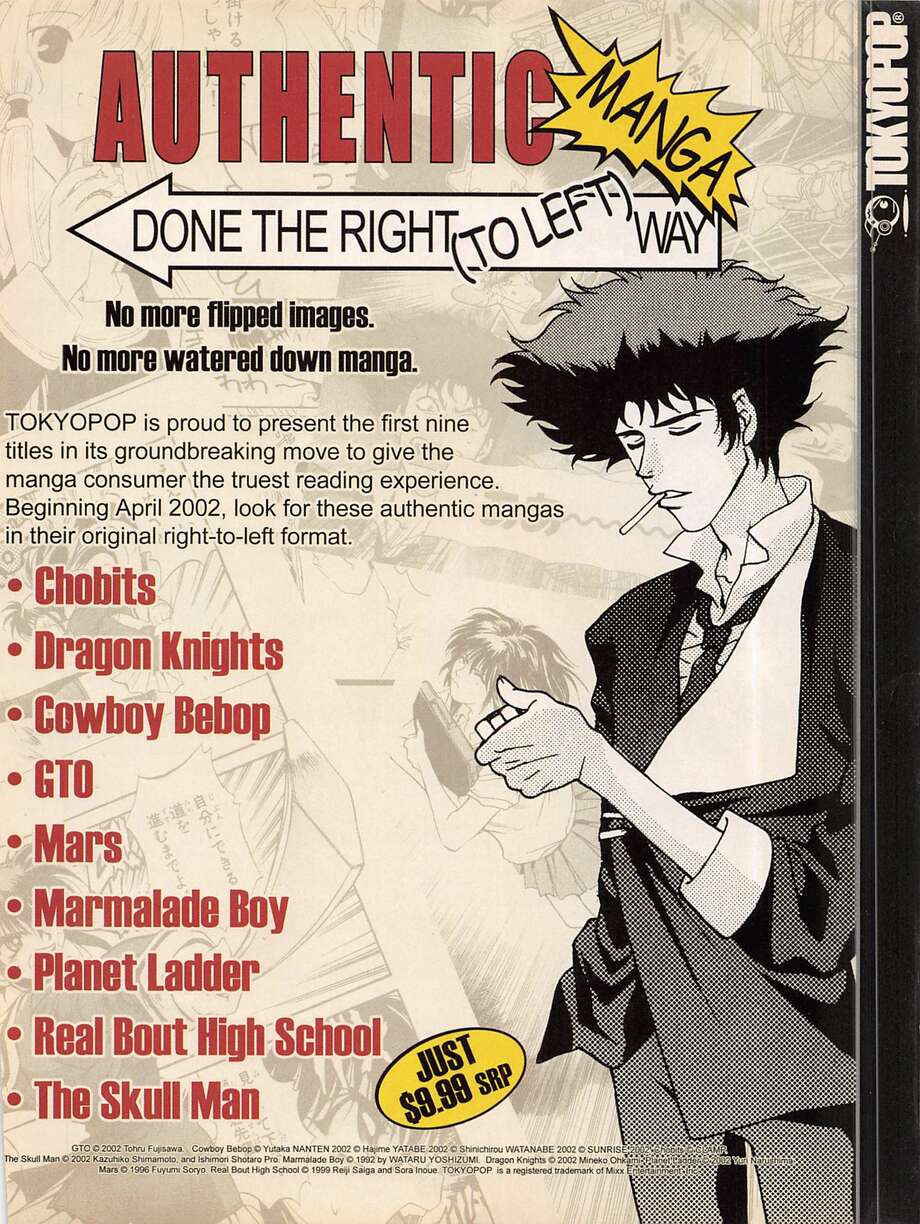
Since manga was first introduced to the U.S. in the 1980s, American companies have wrestled with how to adapt the genre for their readers. It requires taking into account not only art and visual concepts that are unique to Japanese, but also an entirely different system of reading.
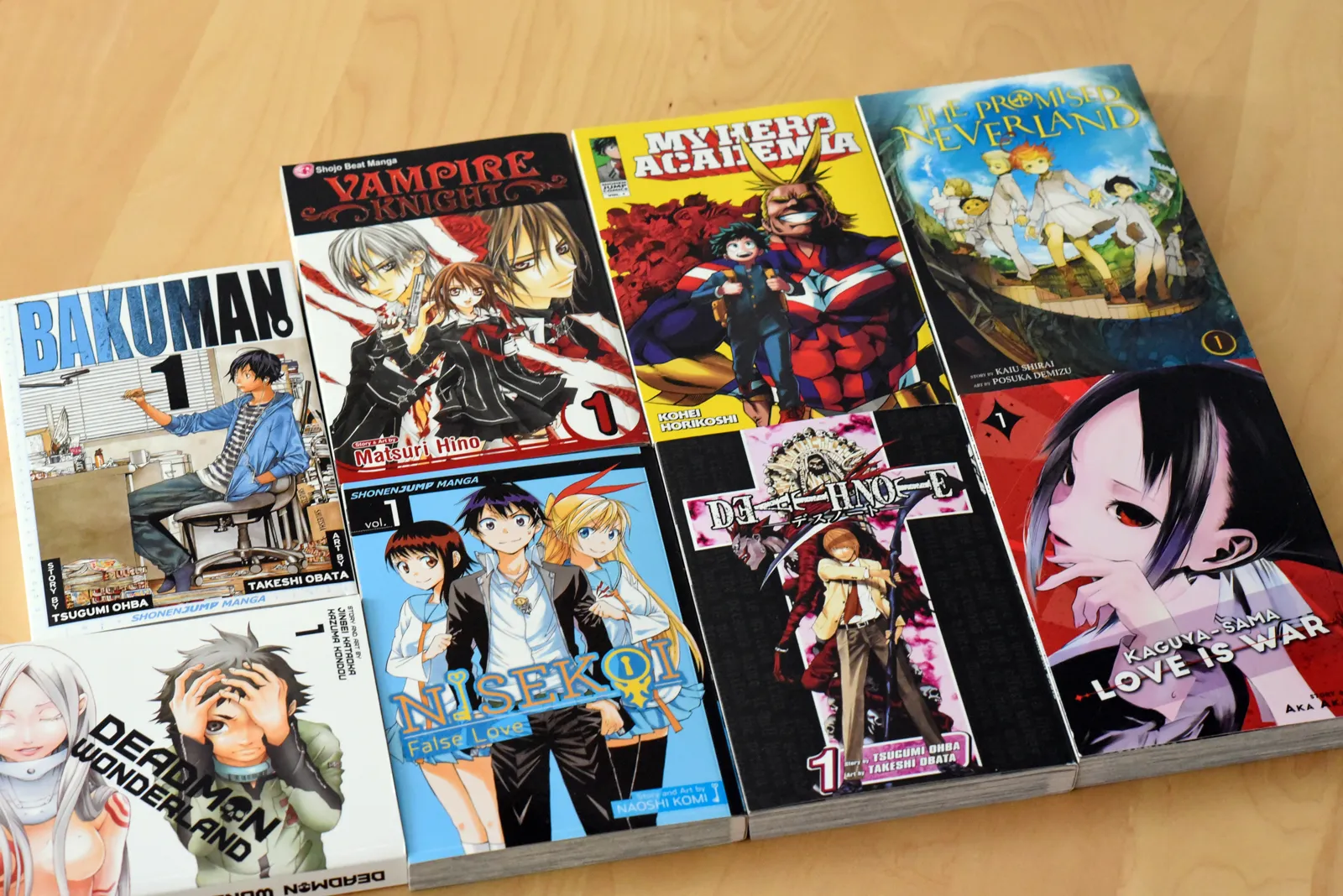
Today manga is enormously popular in the U.S. and is published in something close to its original form: in black and white, on inexpensive paper stock, to be read in the Japanese style. But this wasn’t always the case.
The history of manga translation in the U.S. has been one of fits and starts, as publishers grappled with questions about how to present it to fans outside of Japan. When should they cater to American audiences? And when should they be more concerned about being faithful to the Japanese originals?