Japanese manga cafe
Gallery
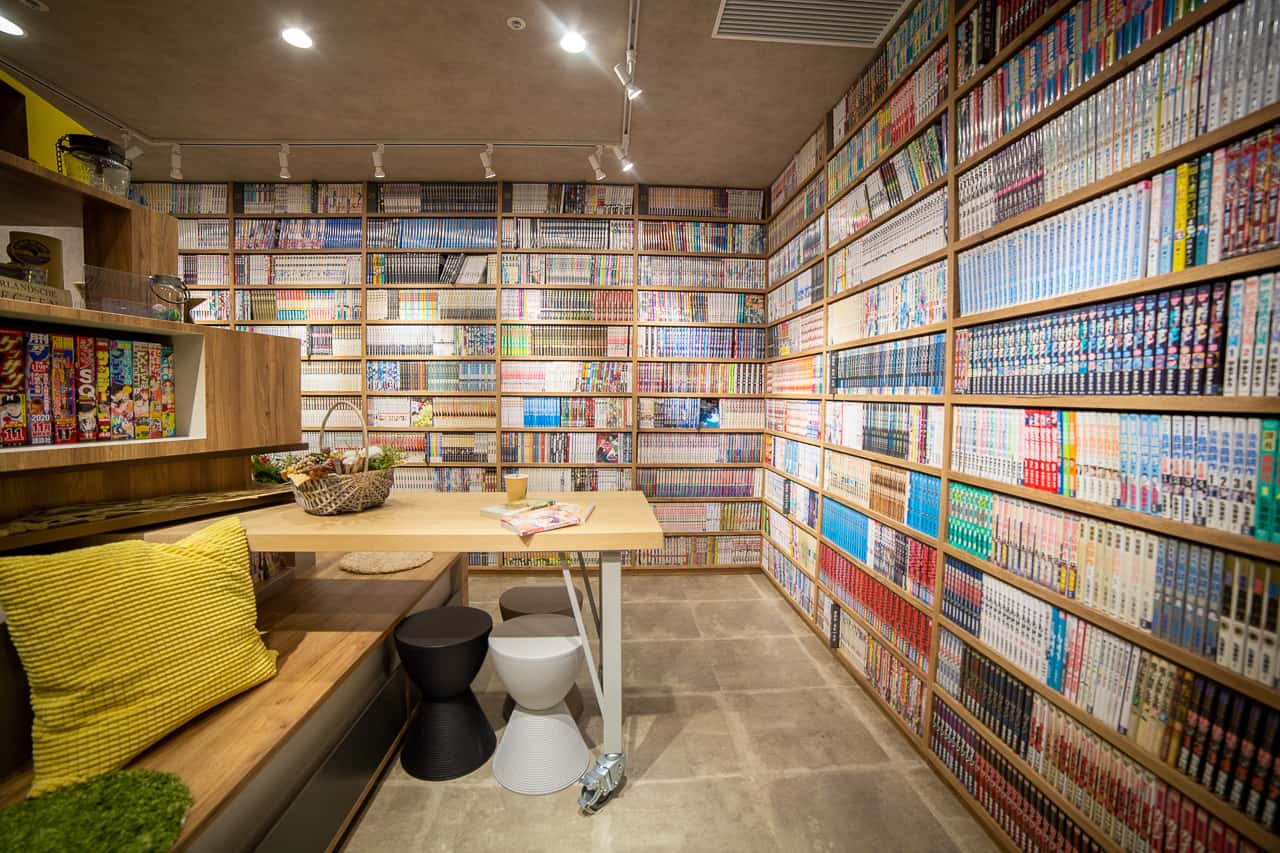
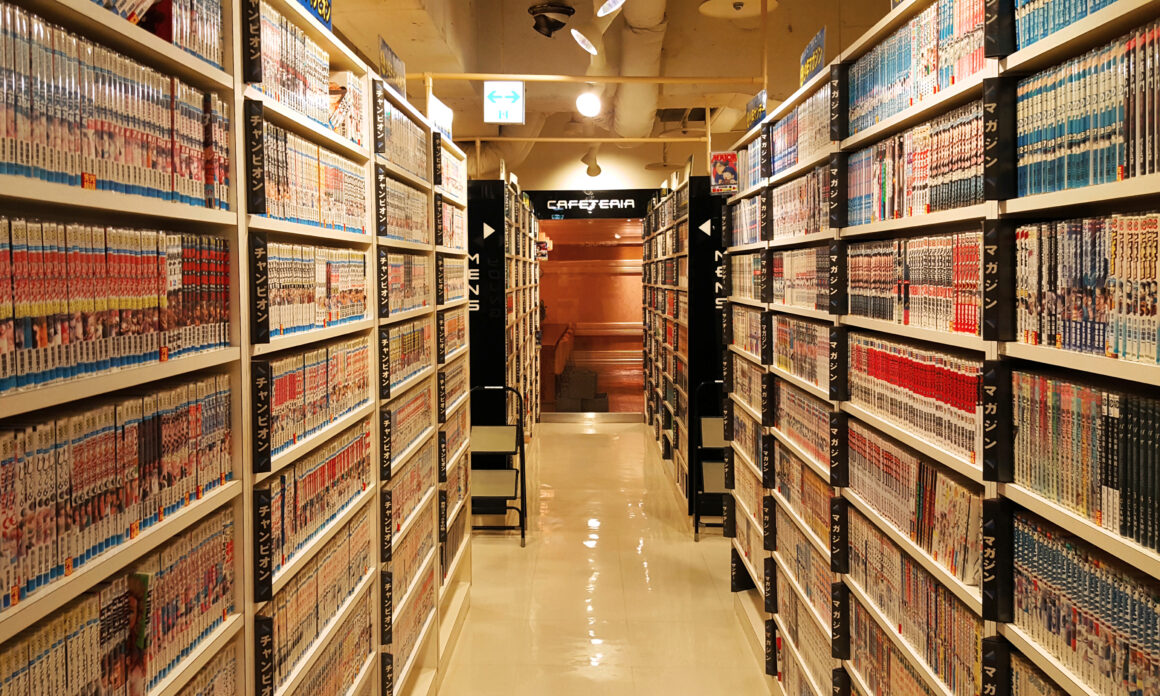
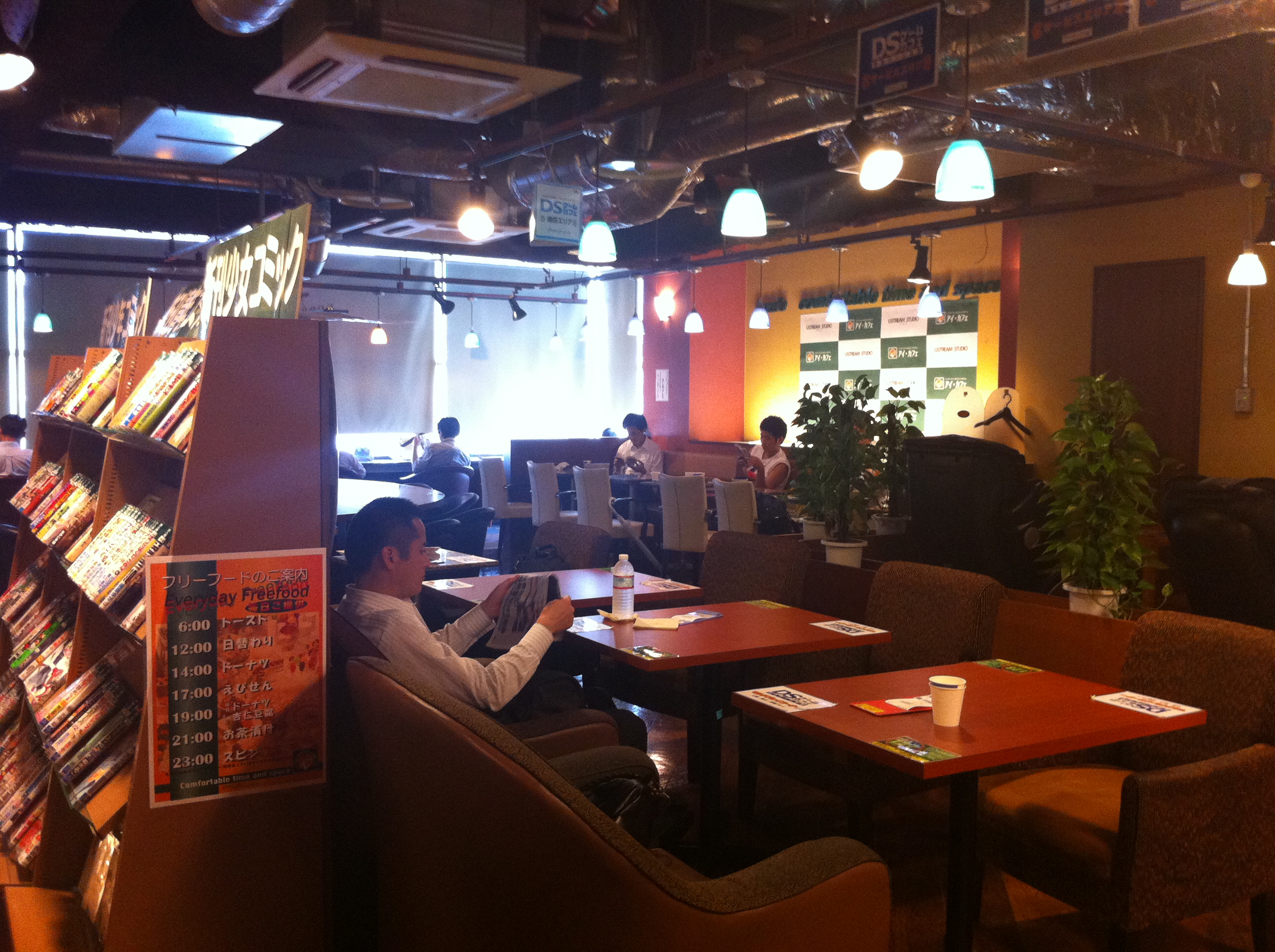
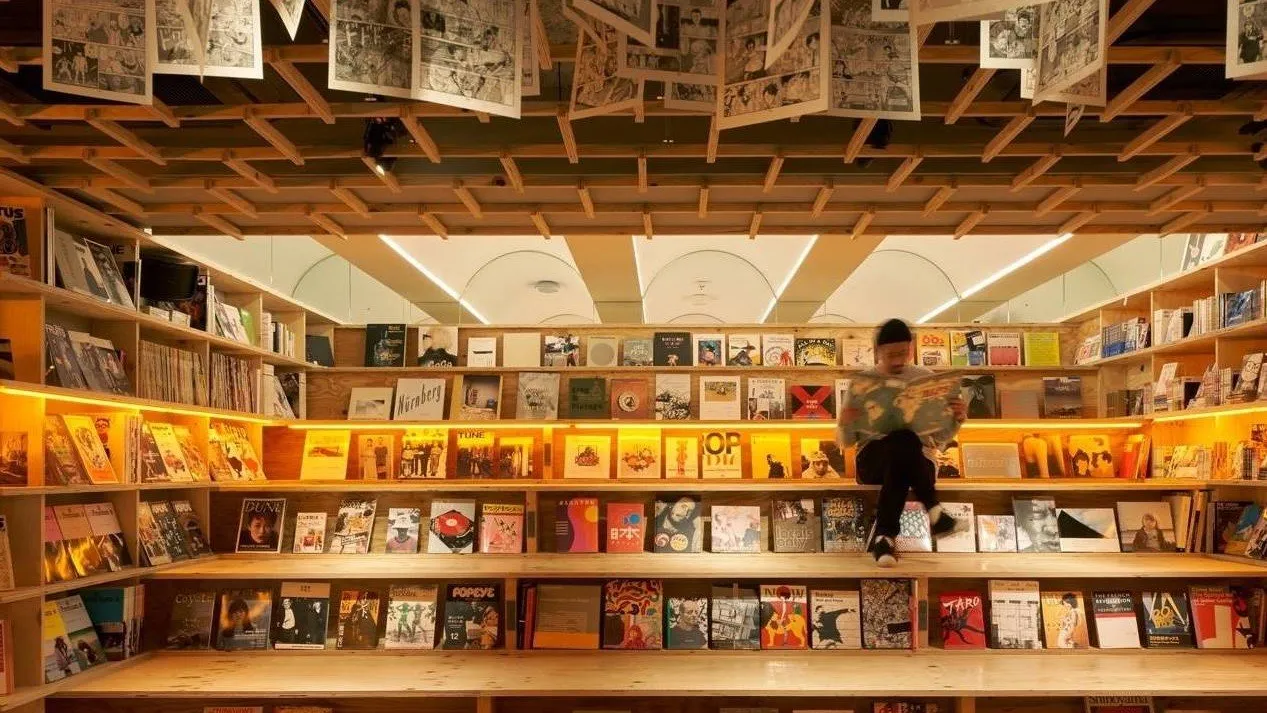
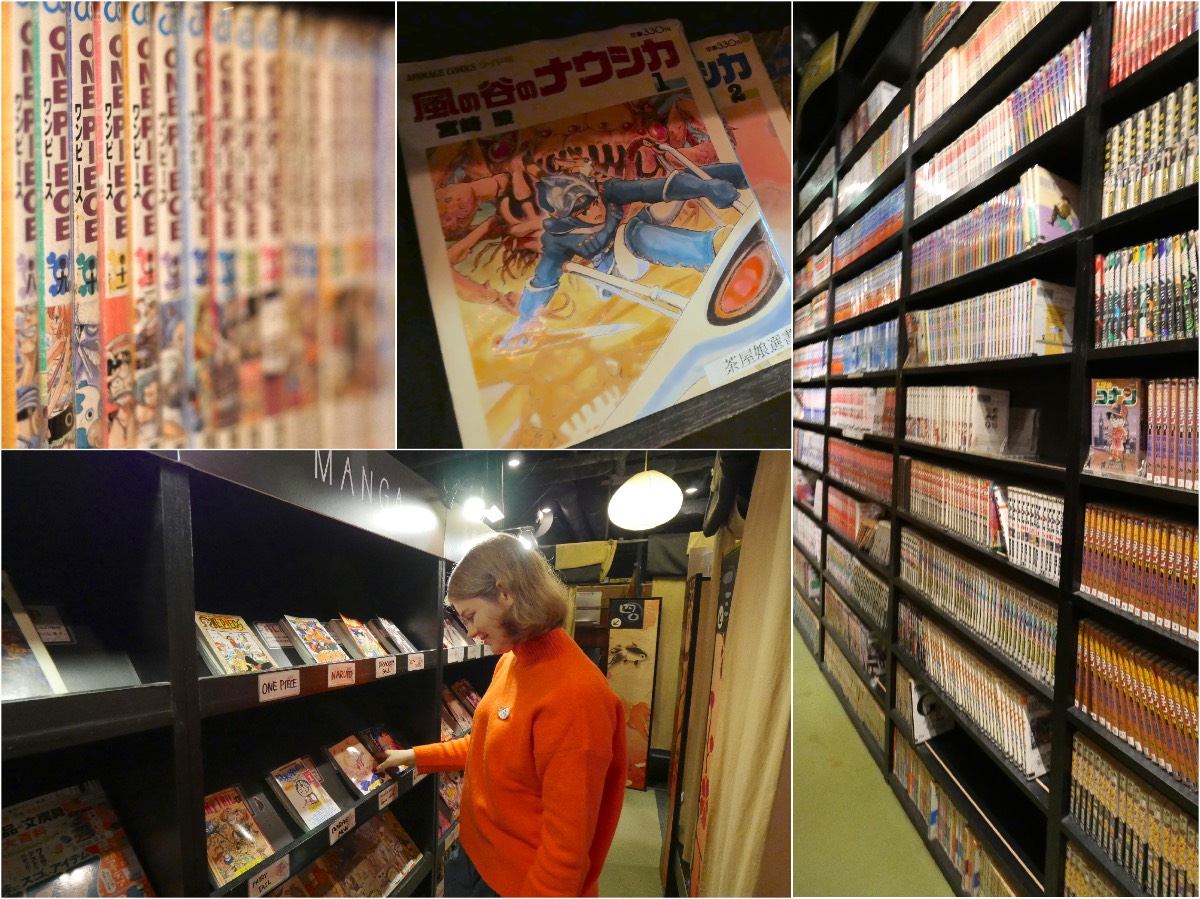
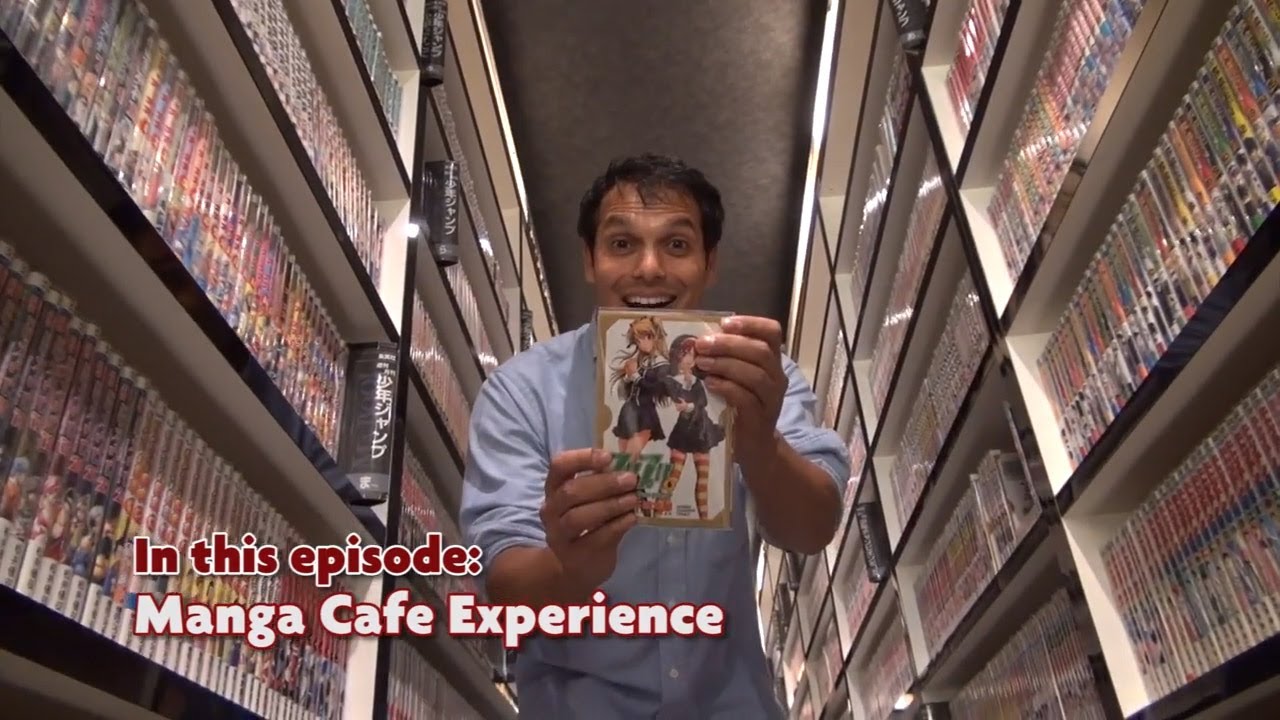
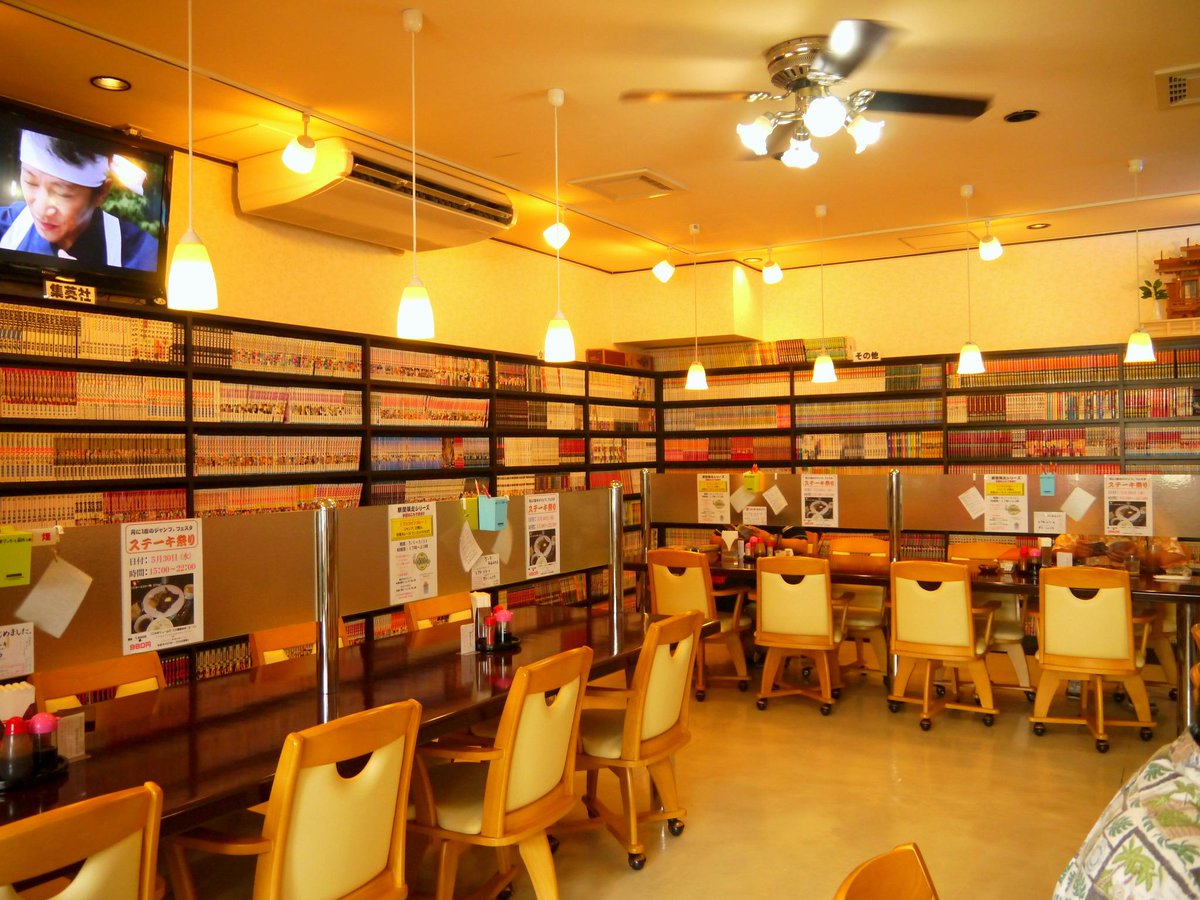
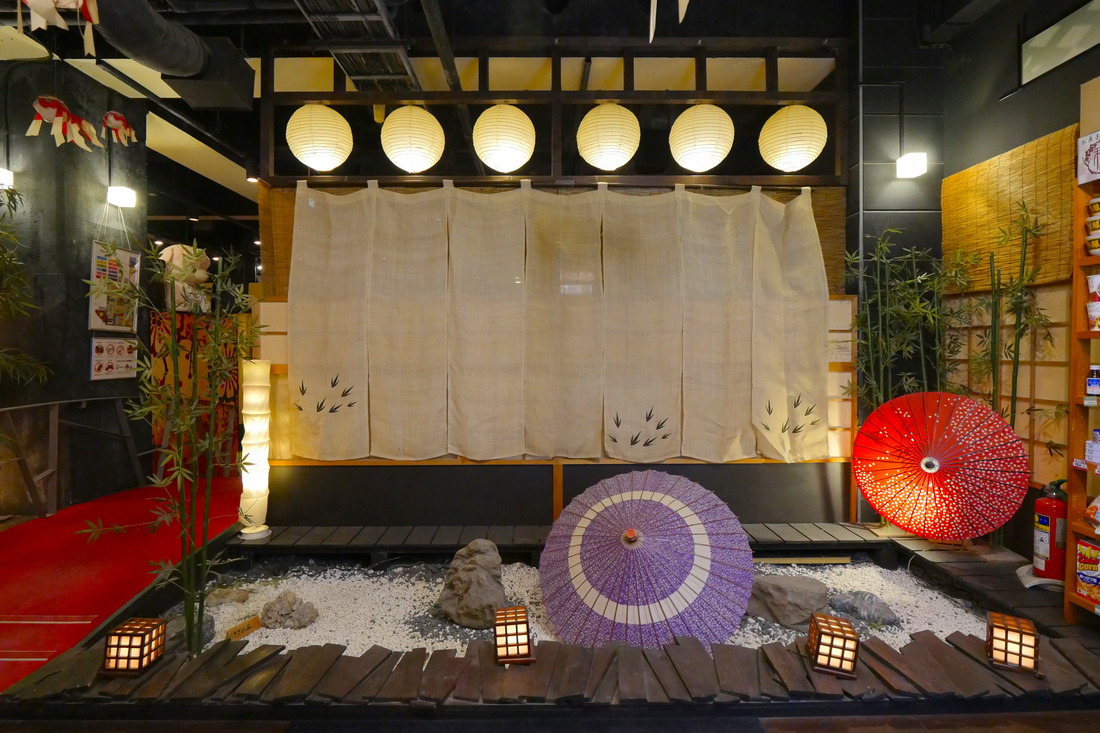
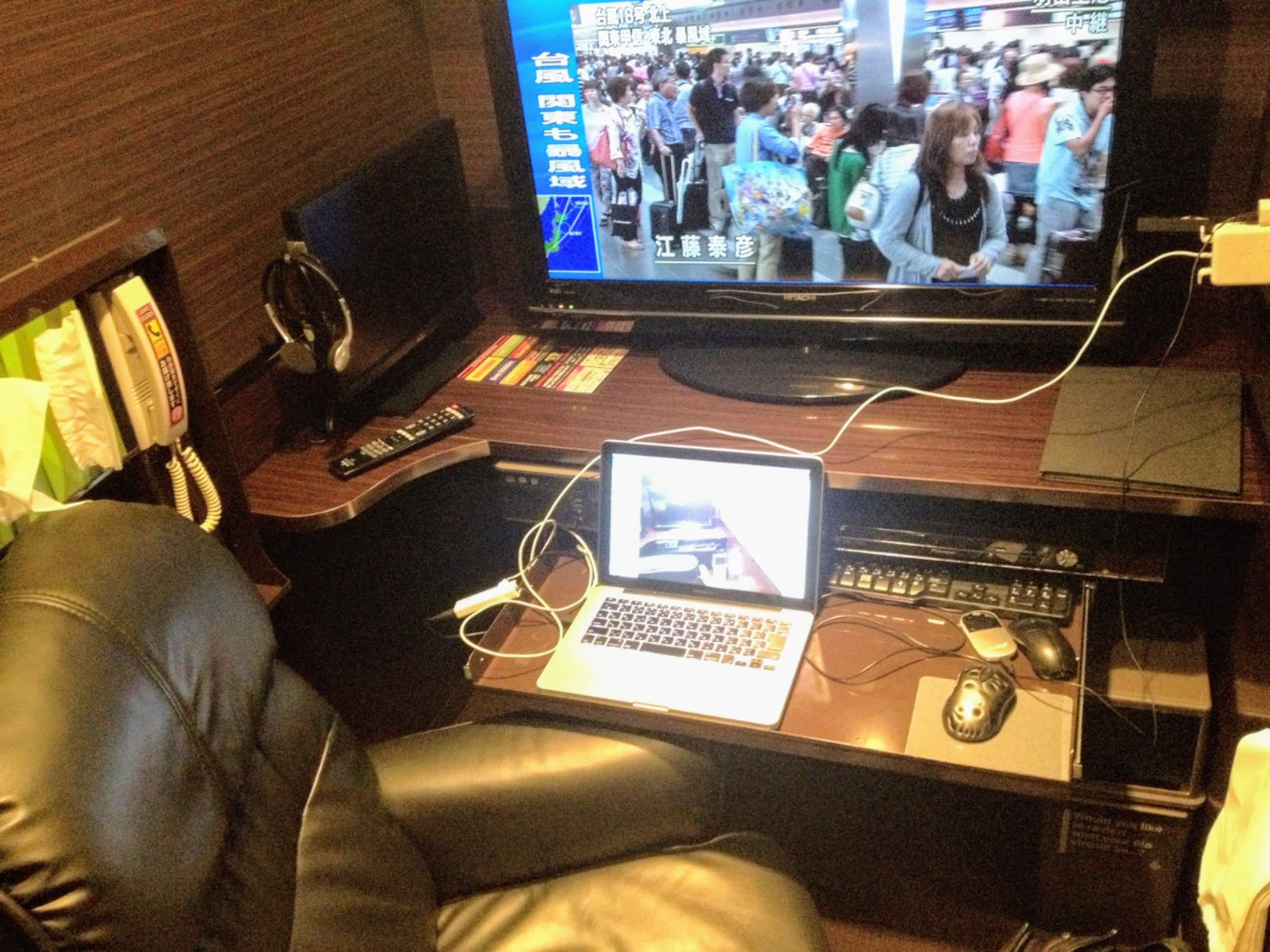
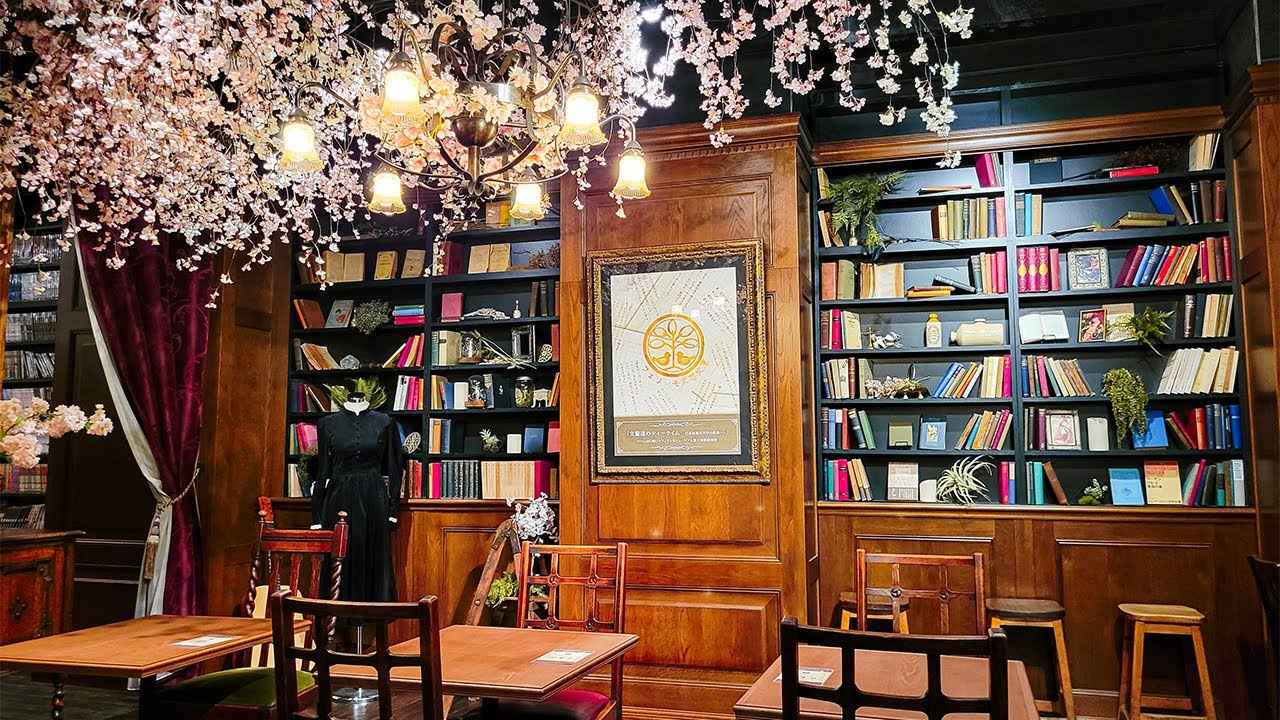
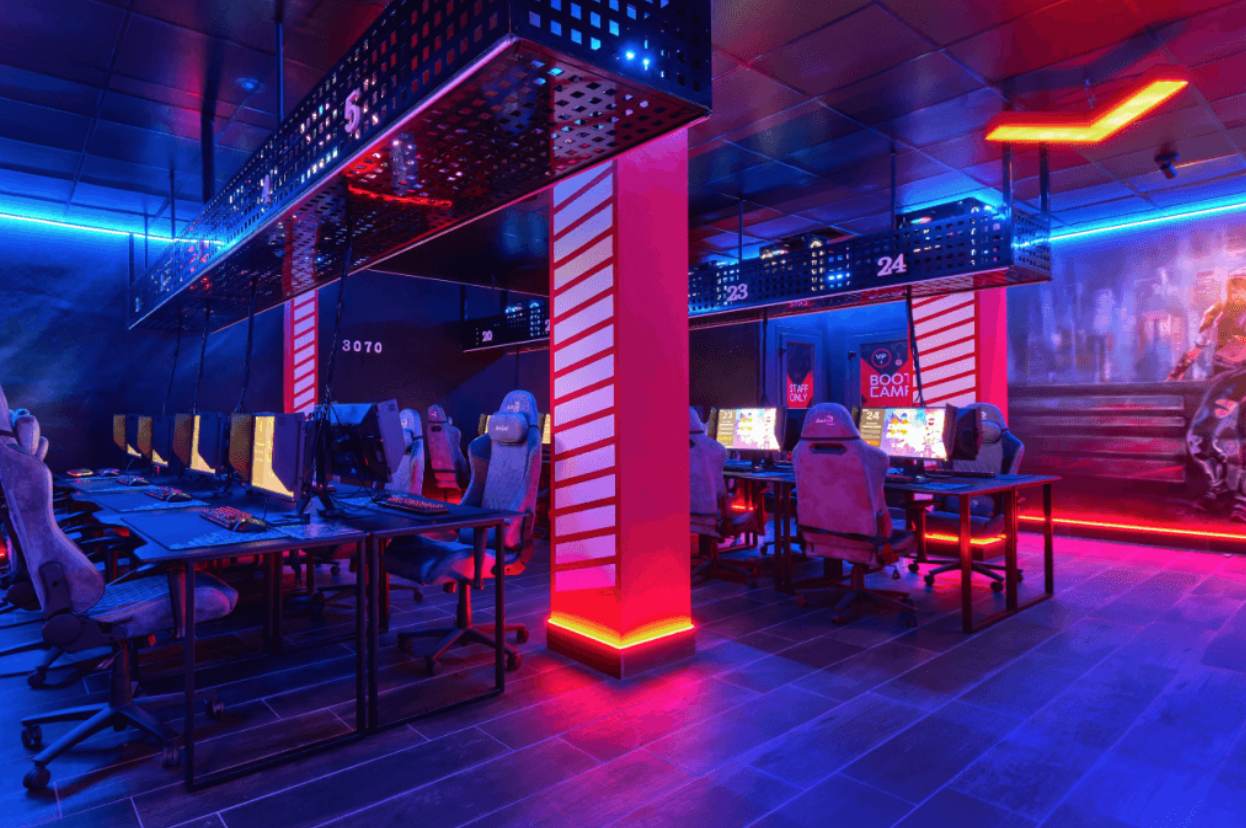
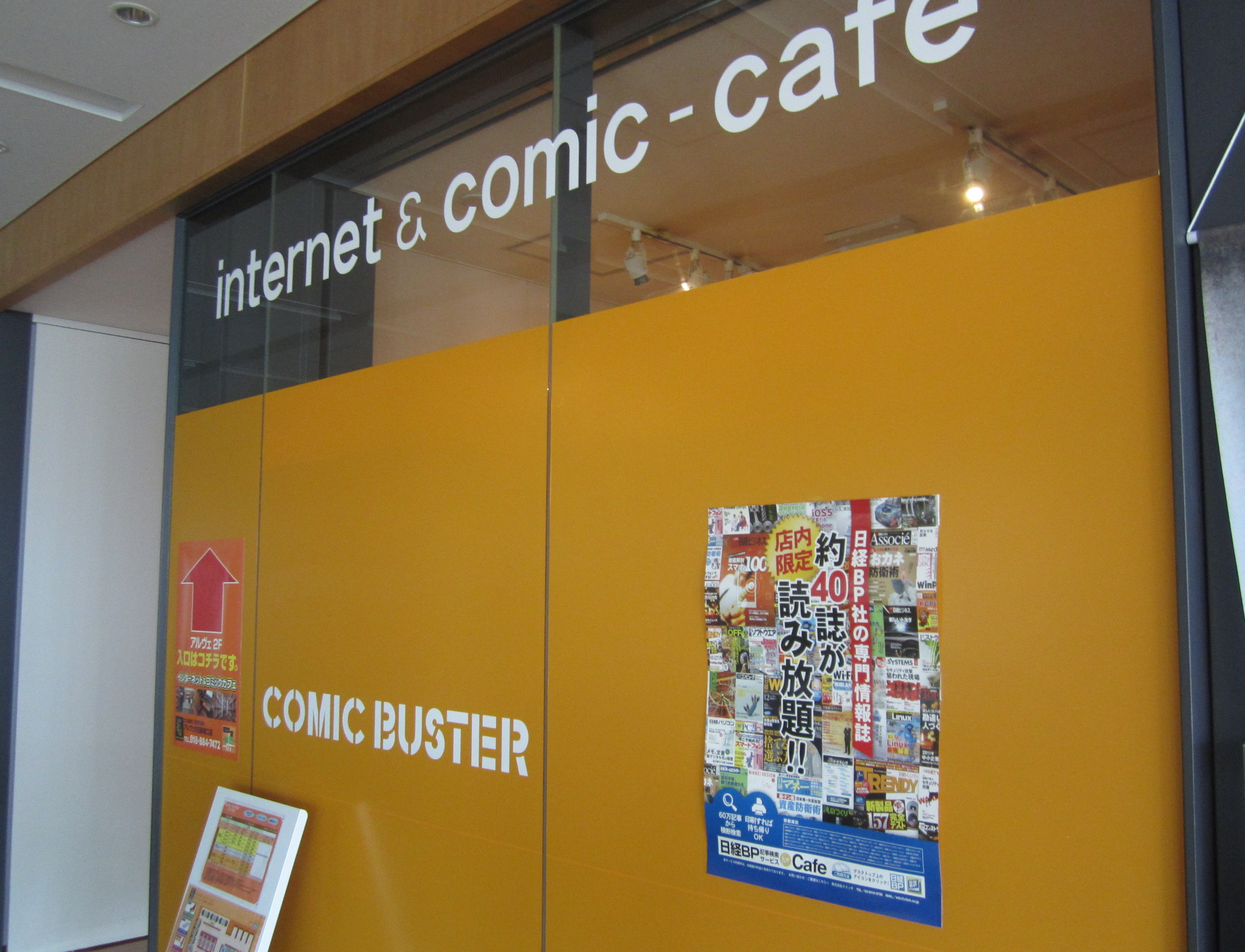
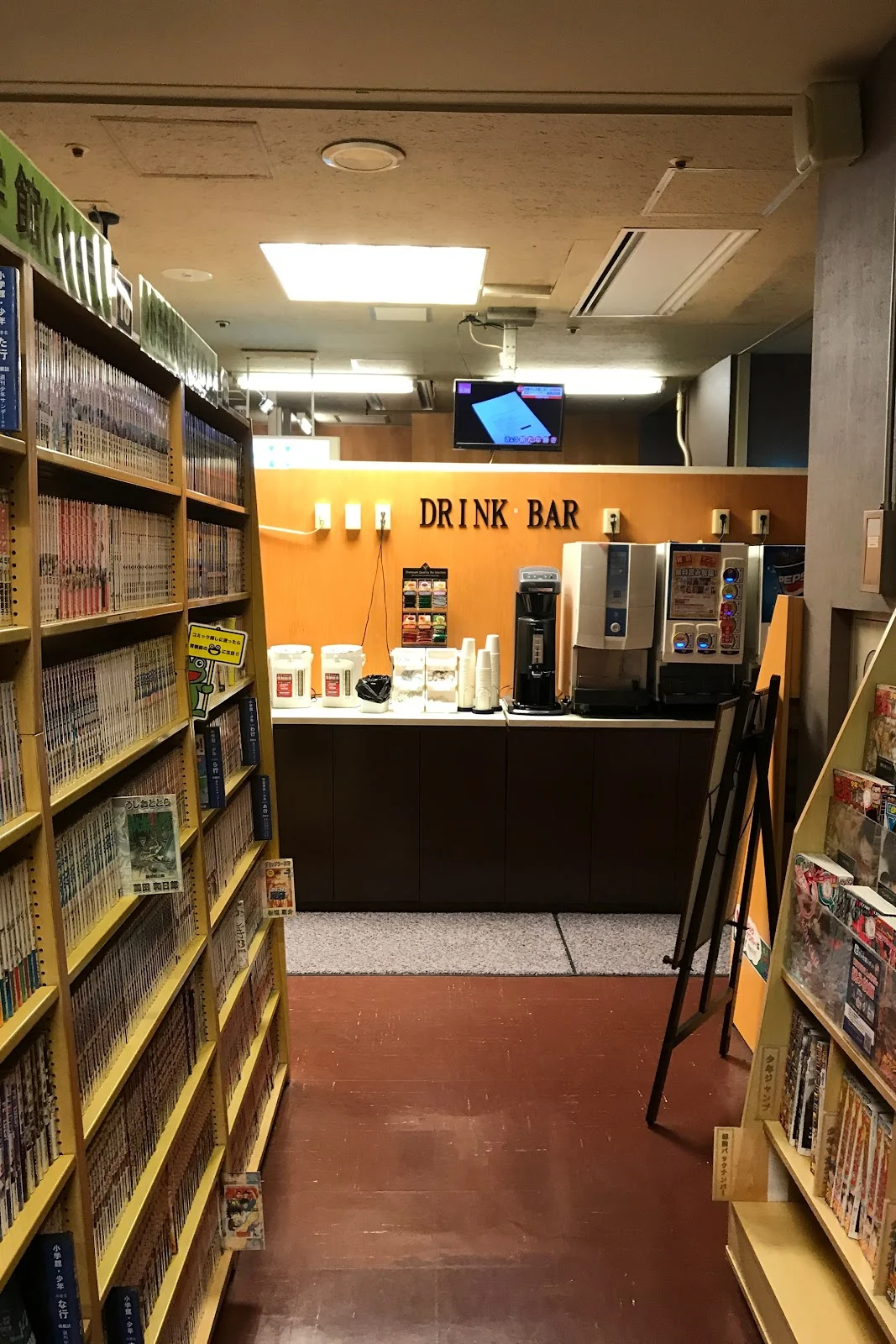
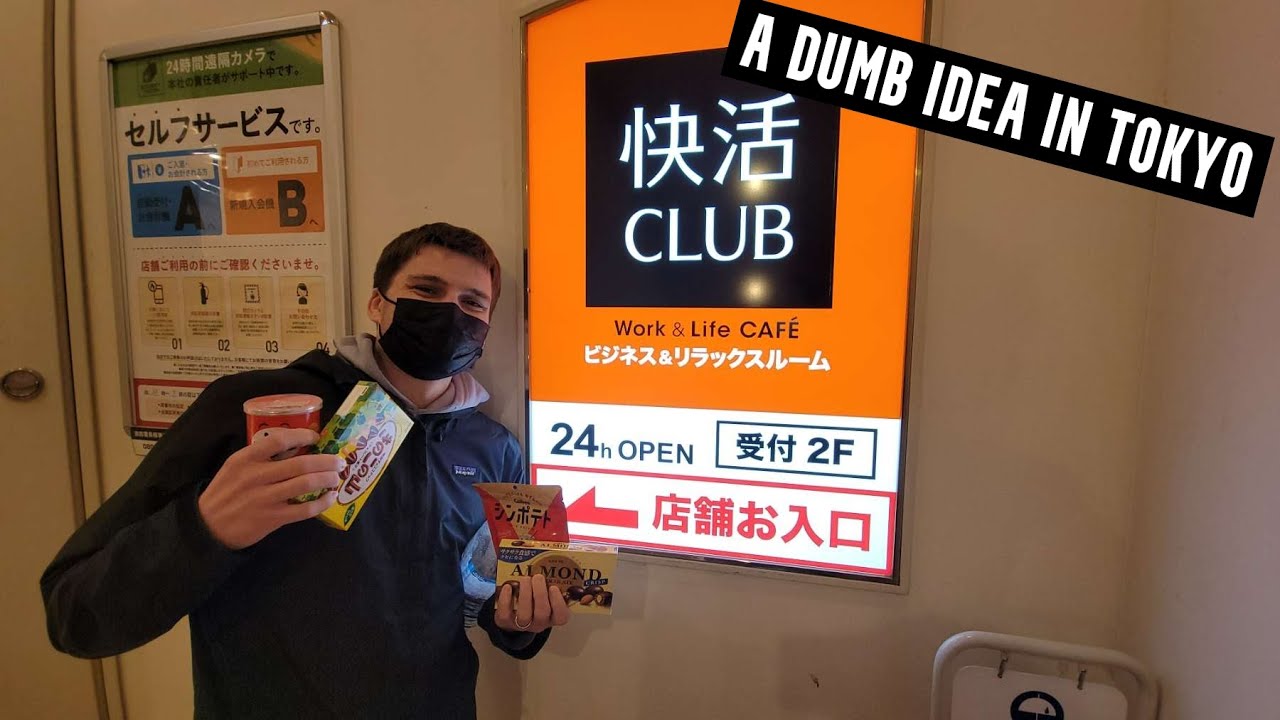
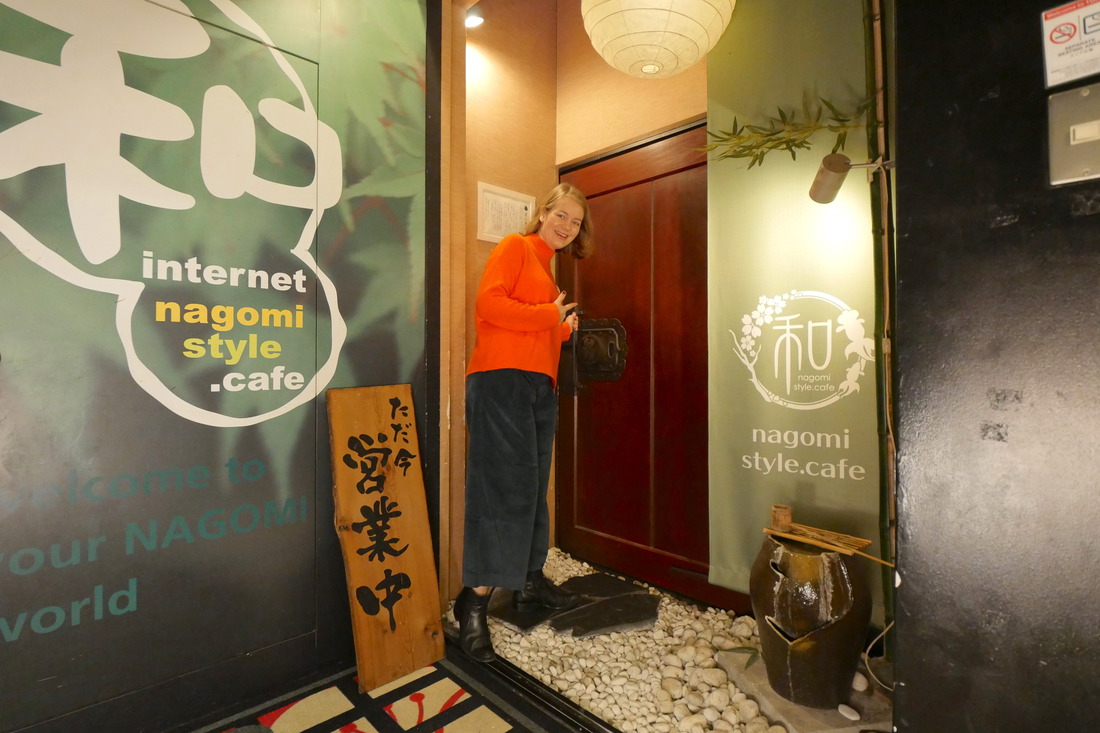
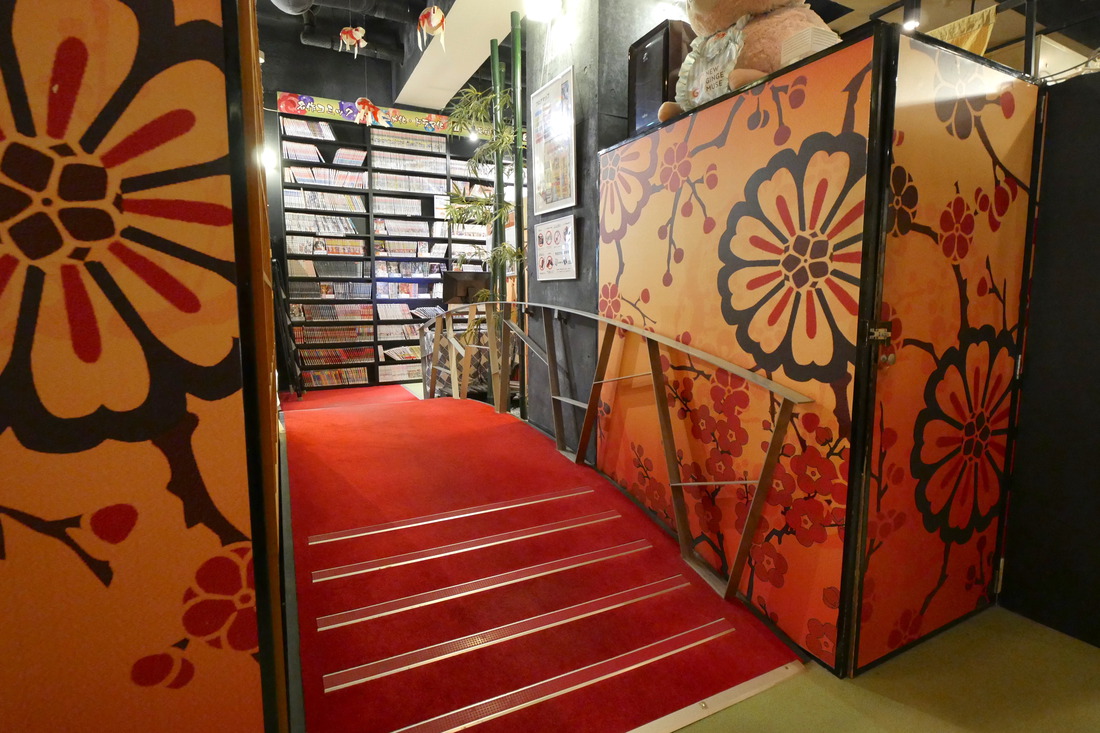
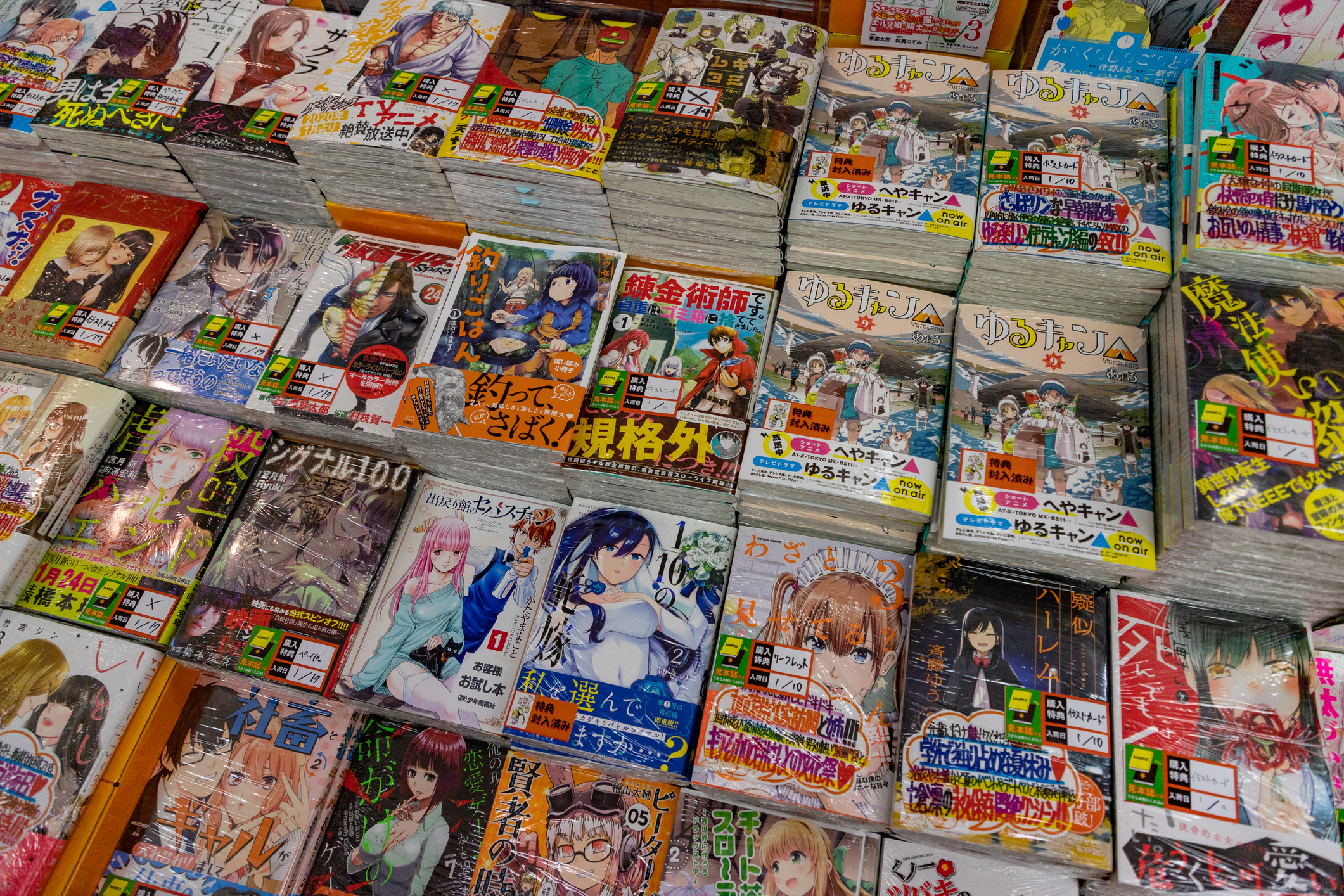
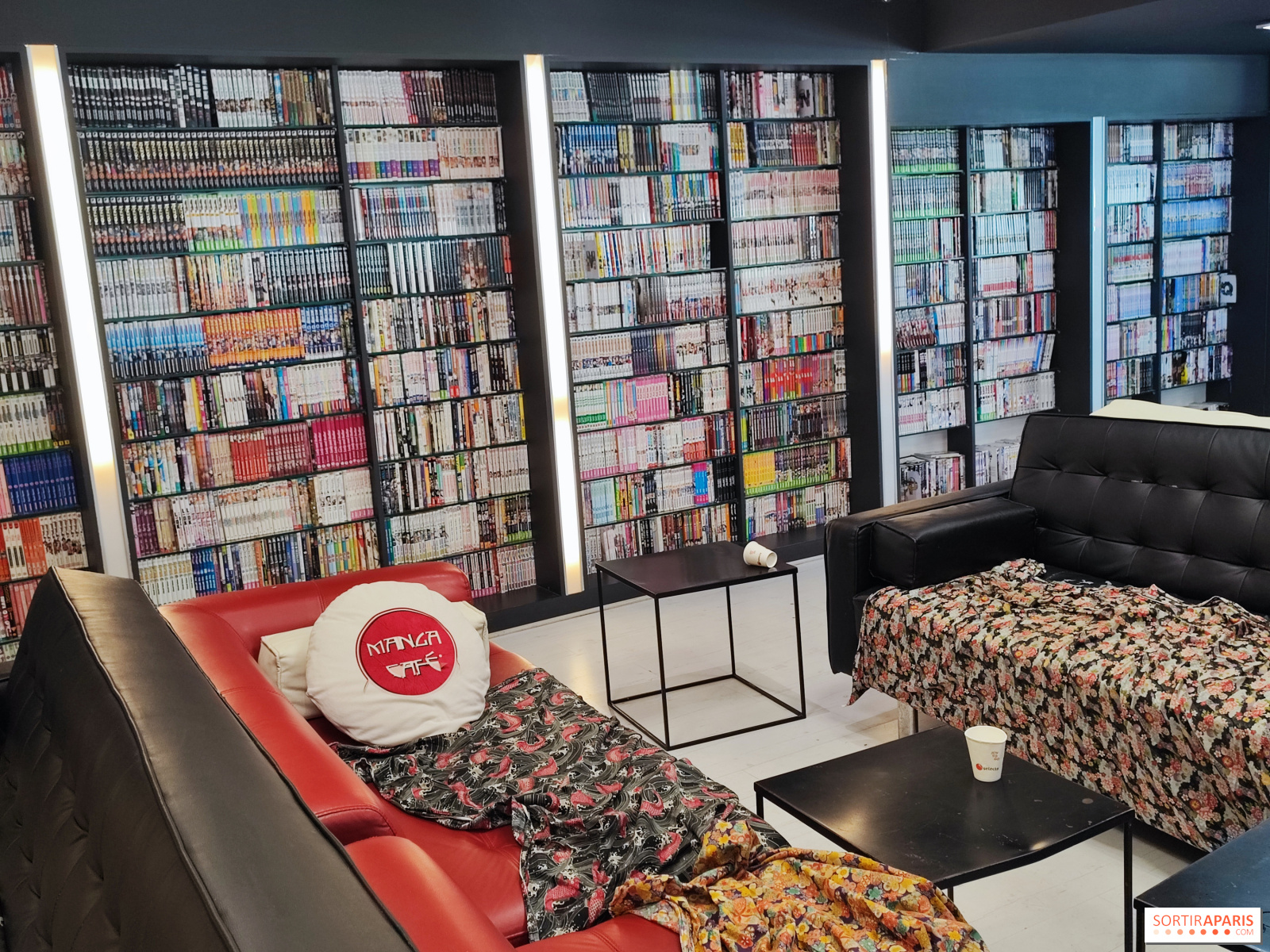
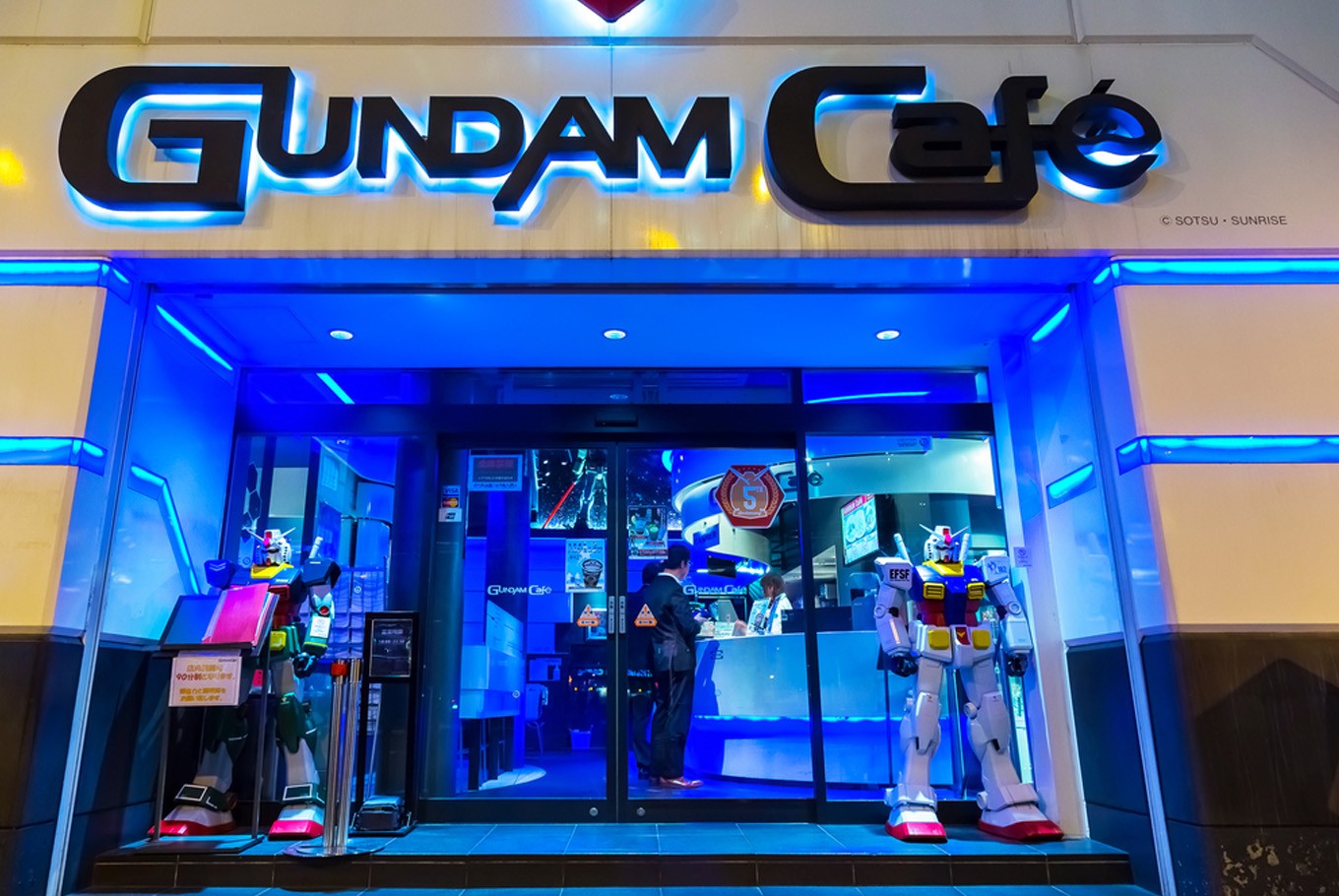
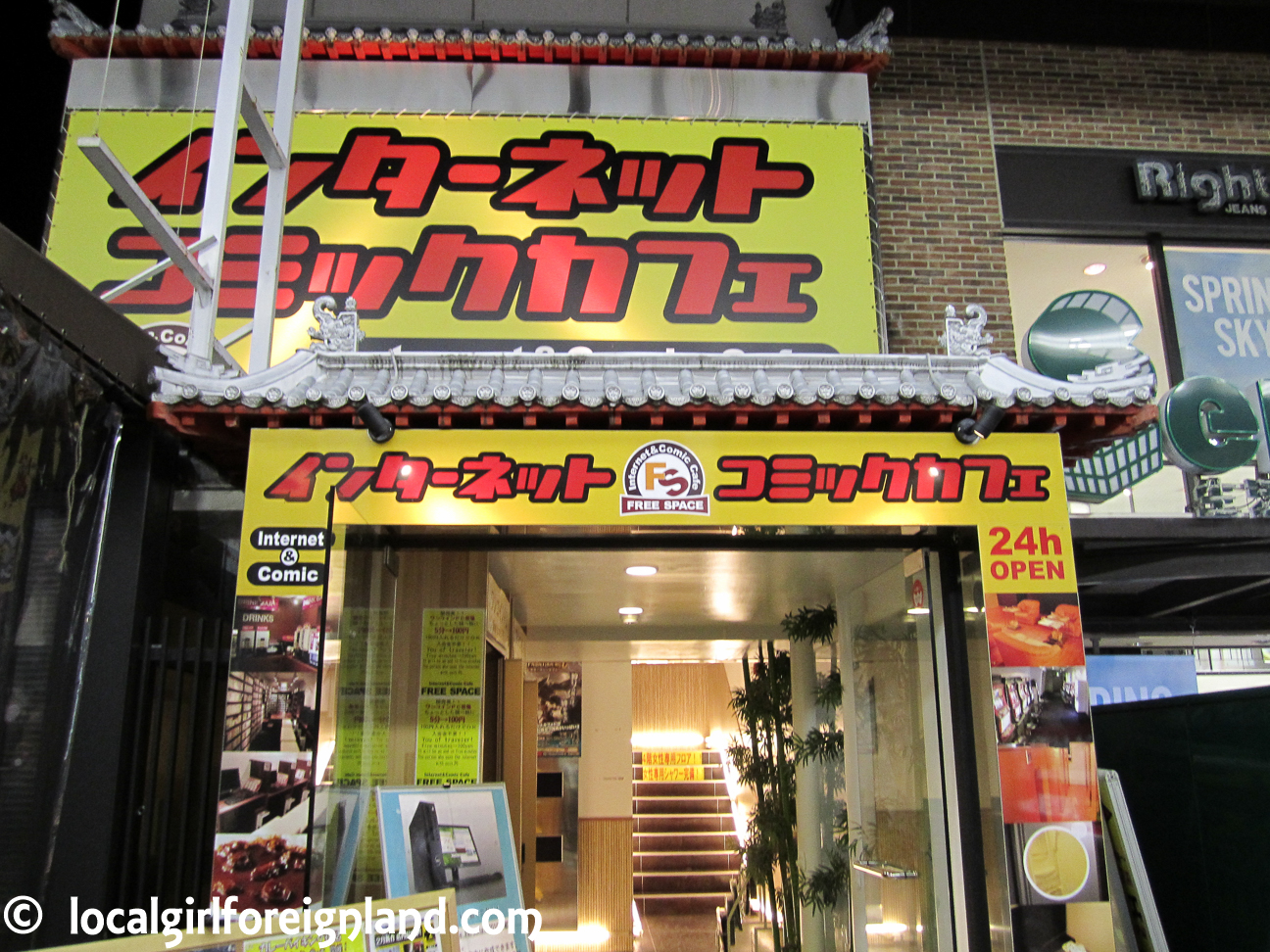
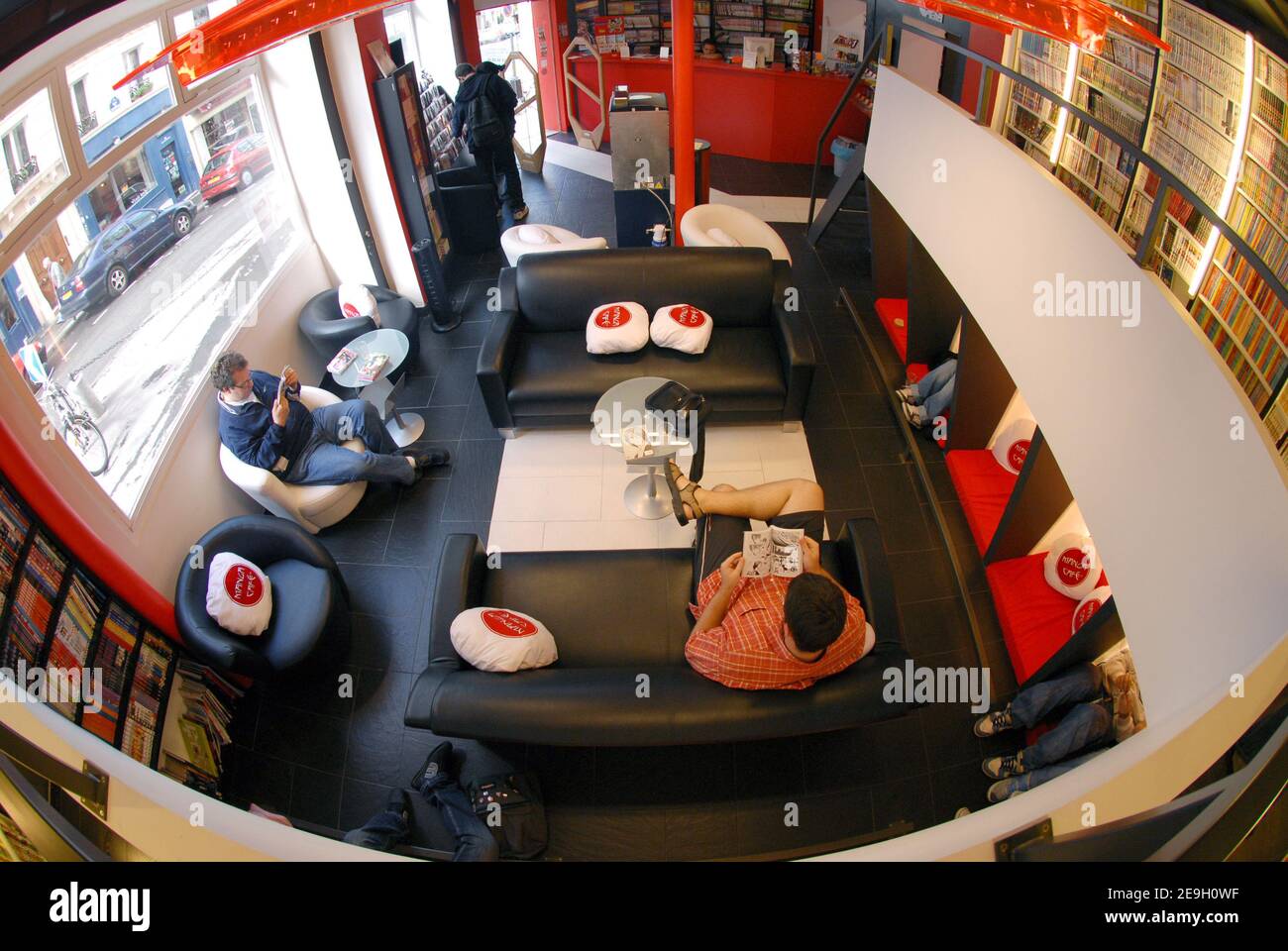
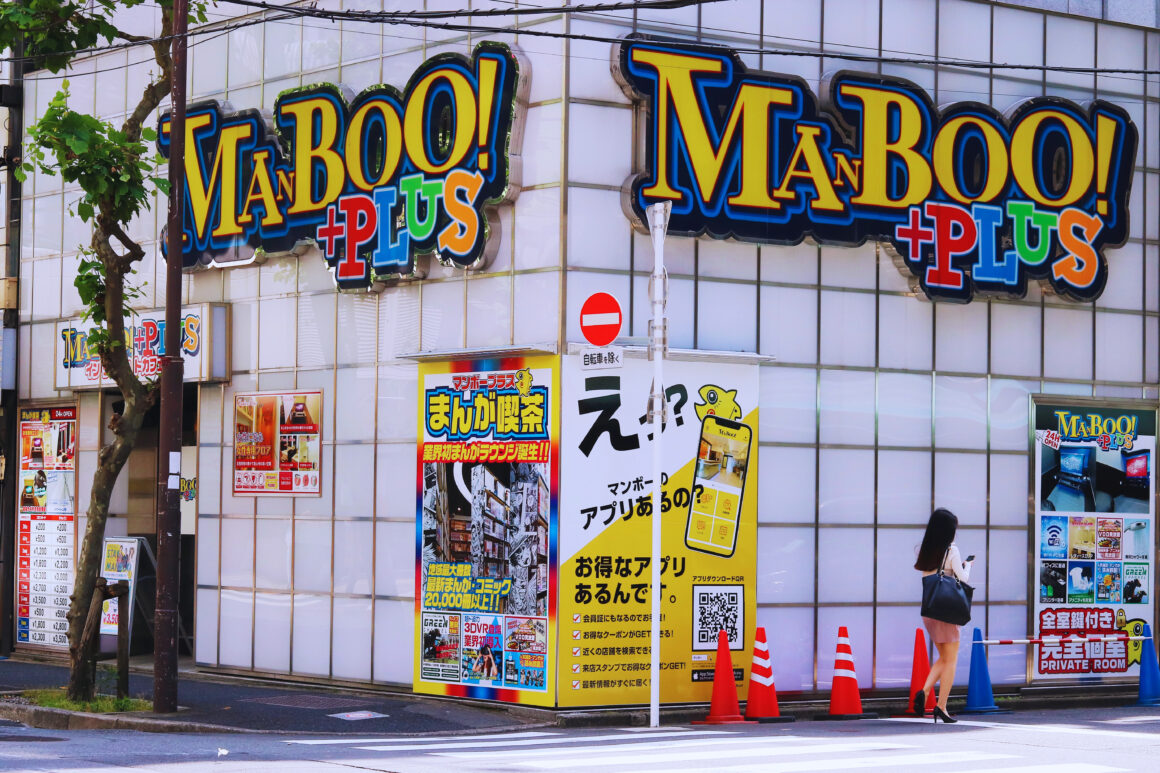
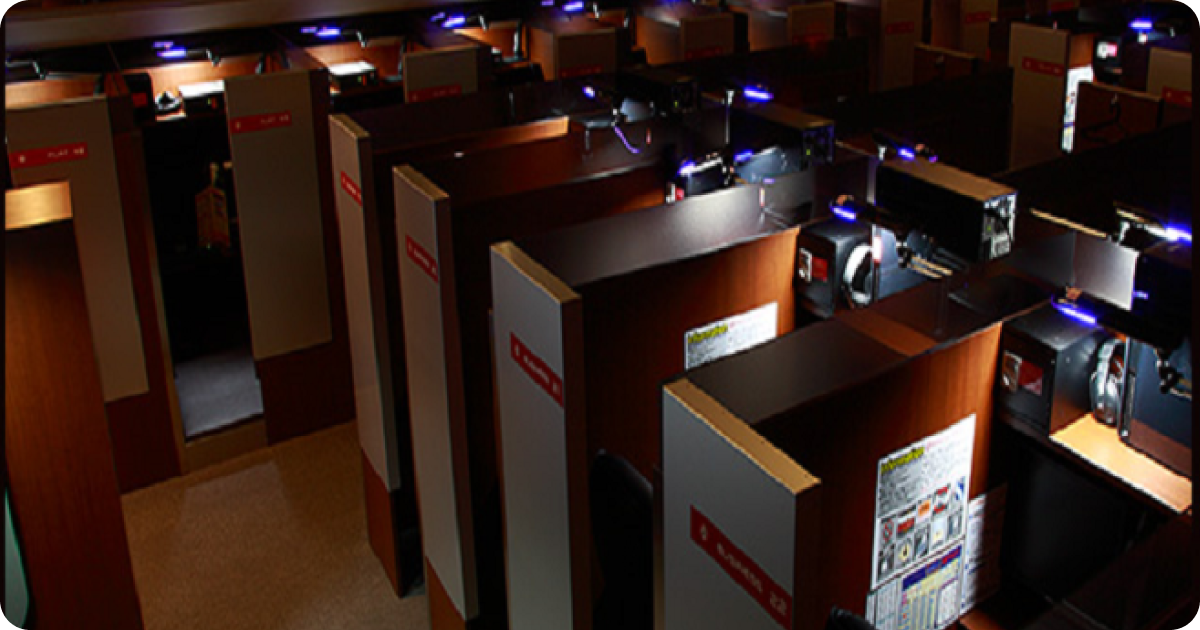
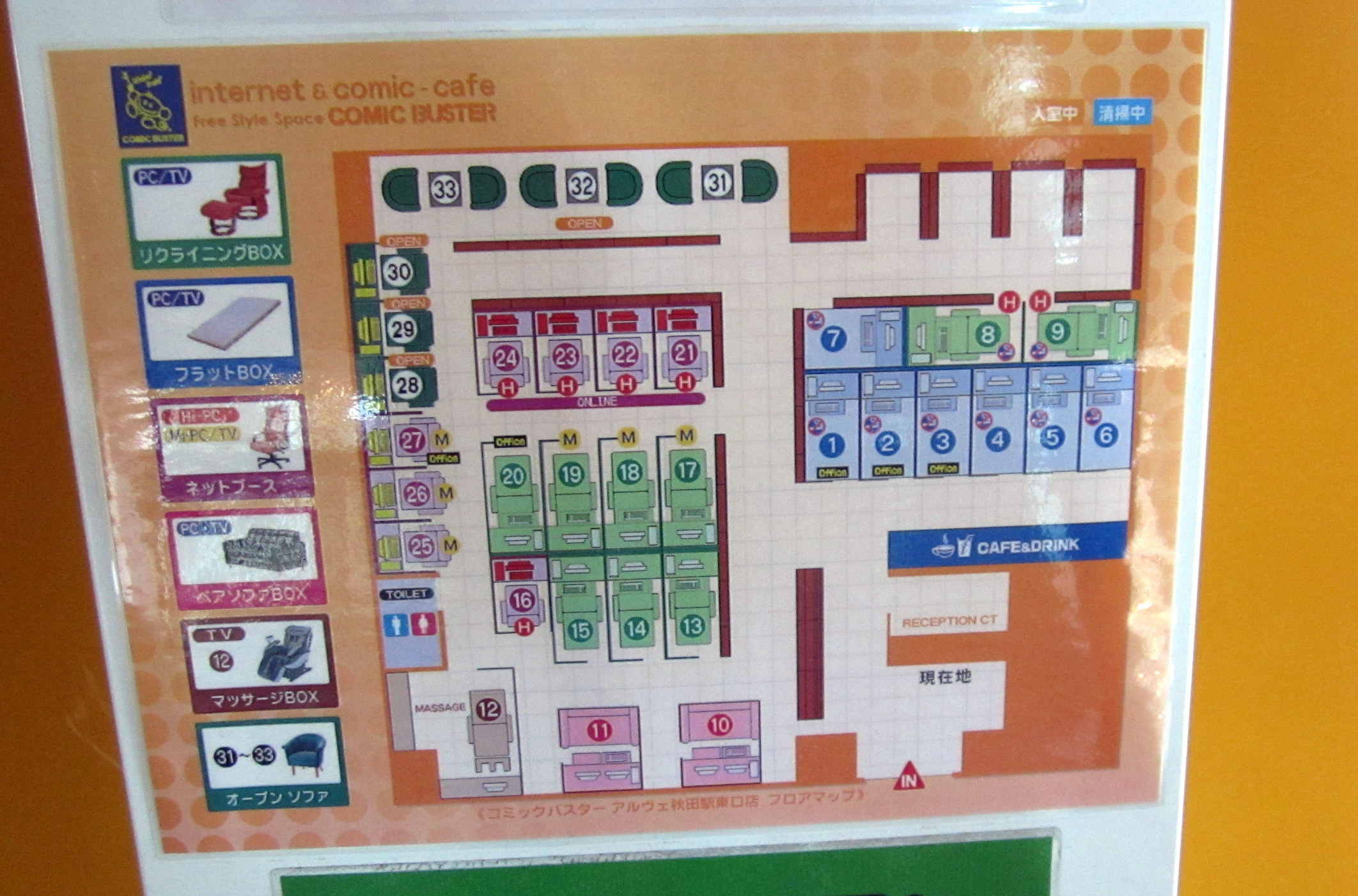
Whatever story you want to read will have it at your fingertips in a manga cafe. This makes it the preferred spot for reading manga in Japan. In addition to saving money and space at home (the latter being limited in most Japanese residences), you can also find mangas that have been out of print for a long time and are no longer sold in bookstores.
Keep in mind that rooms are small and most of the manga is only available in Japanese. Sleeping in a manga cafe for several days in a row can be hard and tiring since there are no proper beds or normal pillows.
Staying in a manga kissa is a complete immersion to a different kind of Japanese popular culture. It is where visitors become nomads when the trains stop running, and the neon lights go out. Surrounded by manga, magazines, computers, and coffee machines, you can enjoy a moment of peace before the sun illuminates the streets and the city goes back to its chaotic rhythm. A manga cafe is not only an affordable place to sleep, but a unique element of the country’s culture that will make you feel like a real local during your stay in Japan.
In Japan, where the world’s best animes often trace their roots back to the pages of manga, it’s no surprise that there are entire spaces dedicated to this form of storytelling. Manga cafes, also known as manga kissa (short for manga kissaten), are cozy, internet cafe-style establishments where visitors can relax and read from an extensive library of Japanese manga. With many open 24 hours a day, these spots are more than just reading rooms as they offer a full immersion into Japanese manga culture, complete with private booths, soft reclining chairs, unlimited drinks, and even meals and showers in some locations. Whether a long-time fan or just discovering the magic of Japanese comics, manga kissa offers the perfect spot to read, relax, and lose one’s self in another world.
The history of manga kissa dates back to the 1970s, with the first manga cafe said to have originated in Nagoya. In an effort to attract more customers, a local cafe owner began offering free manga alongside his regular menu. While this move successfully brought in more visitors, many customers would only order a single drink and stay for hours reading, which wasn’t great for business. Learning from this, other cafe owners refined the model by introducing time limits and charging by the hour, transforming these casual reading loungers into a more sustainable business concept. Over the years, the simple reading lounges evolved into expansive manga cafe chains, offering a wide range of services such as high-speed internet, all-night access, and even nap spots. Today, these multi-functional spaces are popular not only for reading manga but also as budget-friendly alternatives to hotels, combining the enjoyment of Japanese comics with practical amenities.