Manga and
Gallery

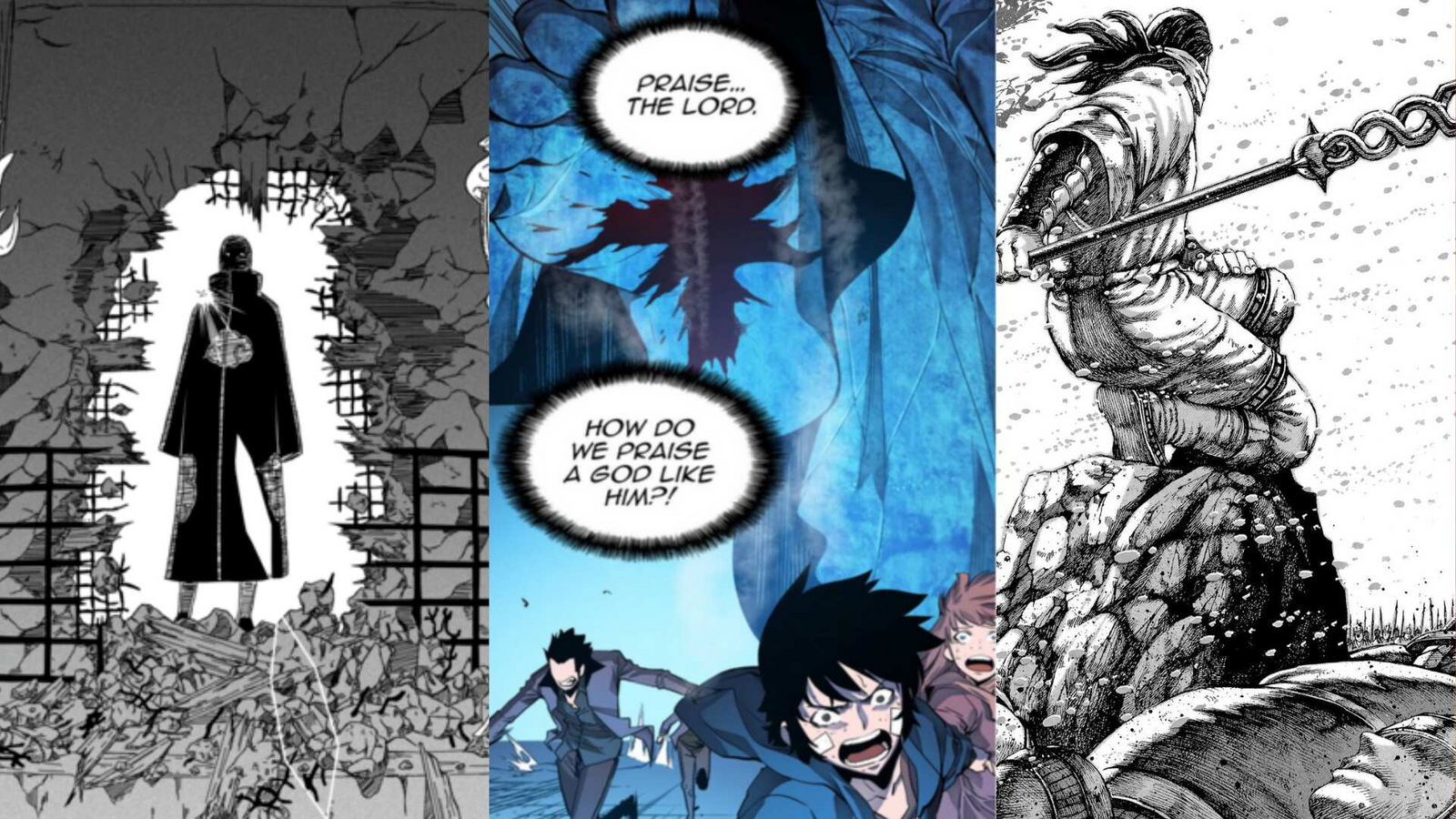

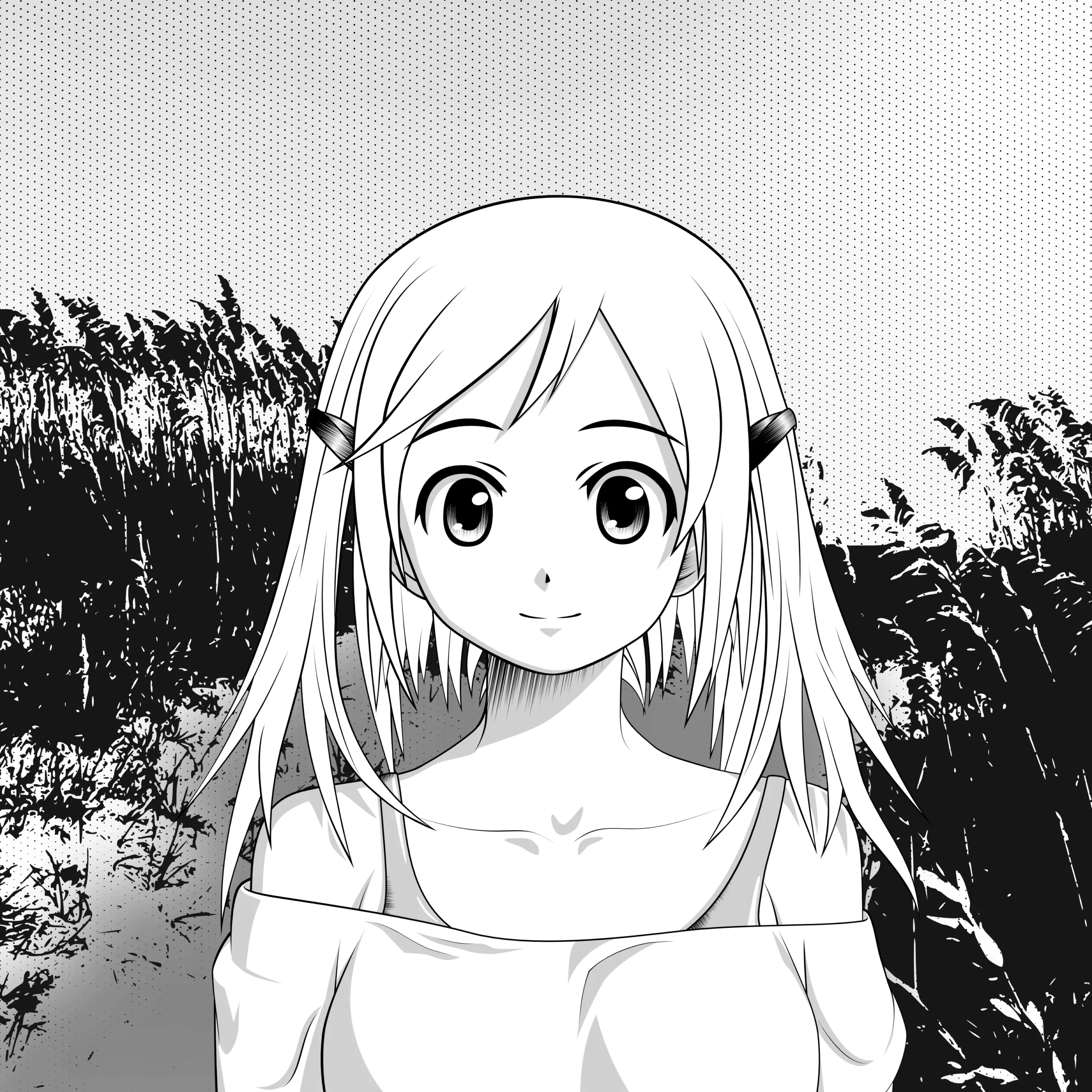
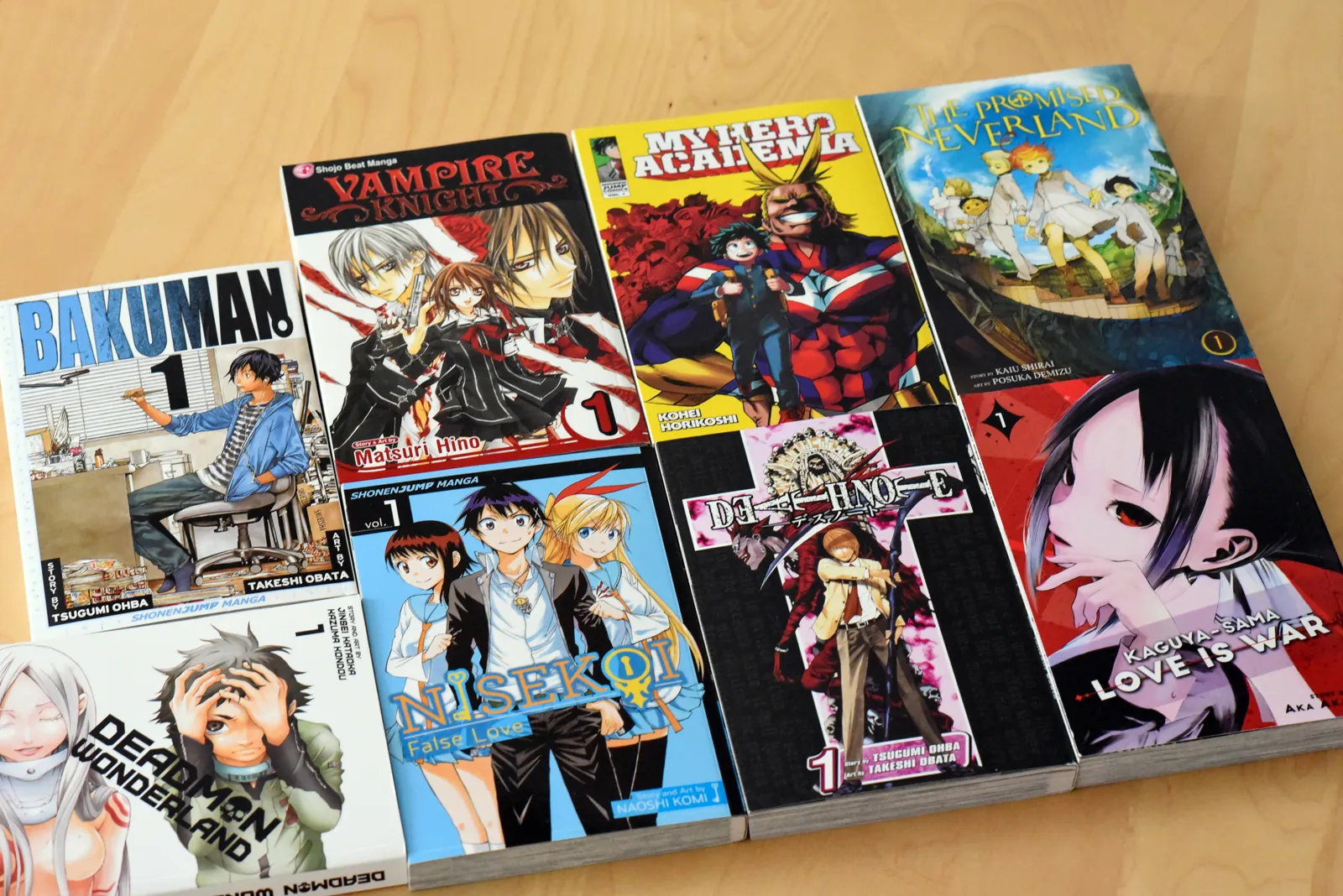

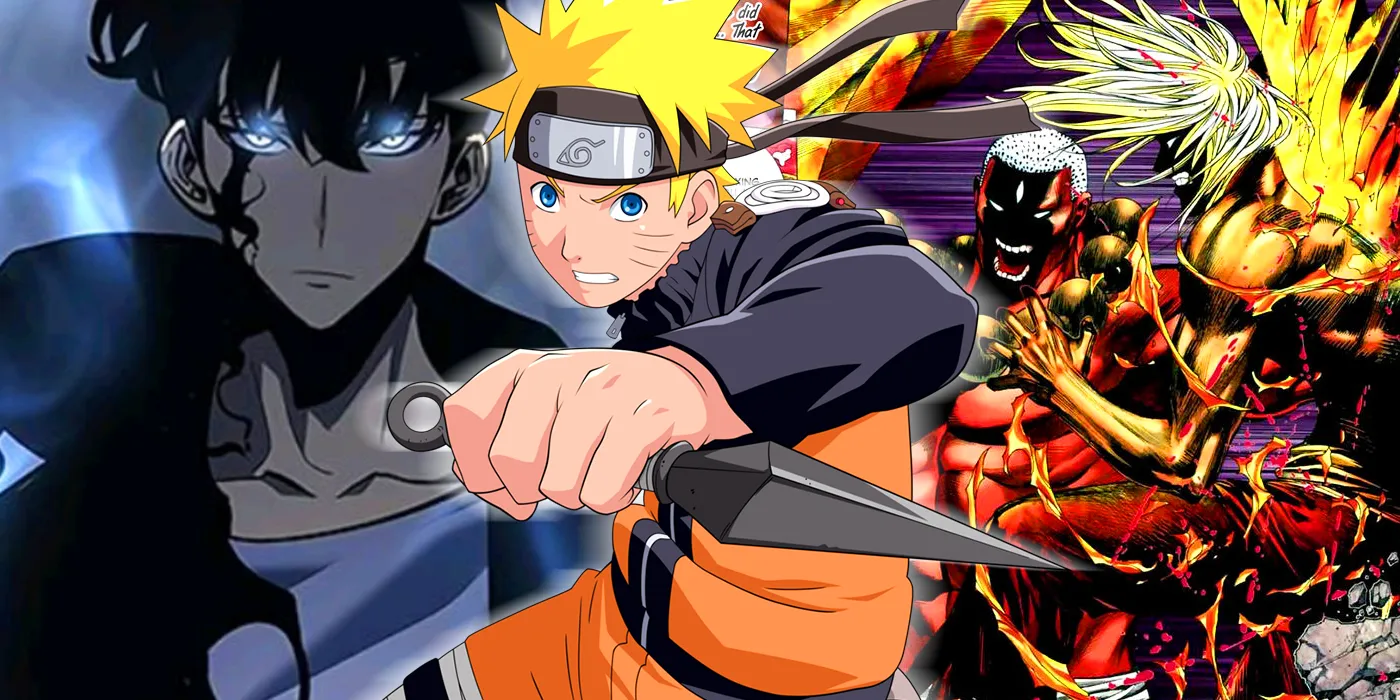
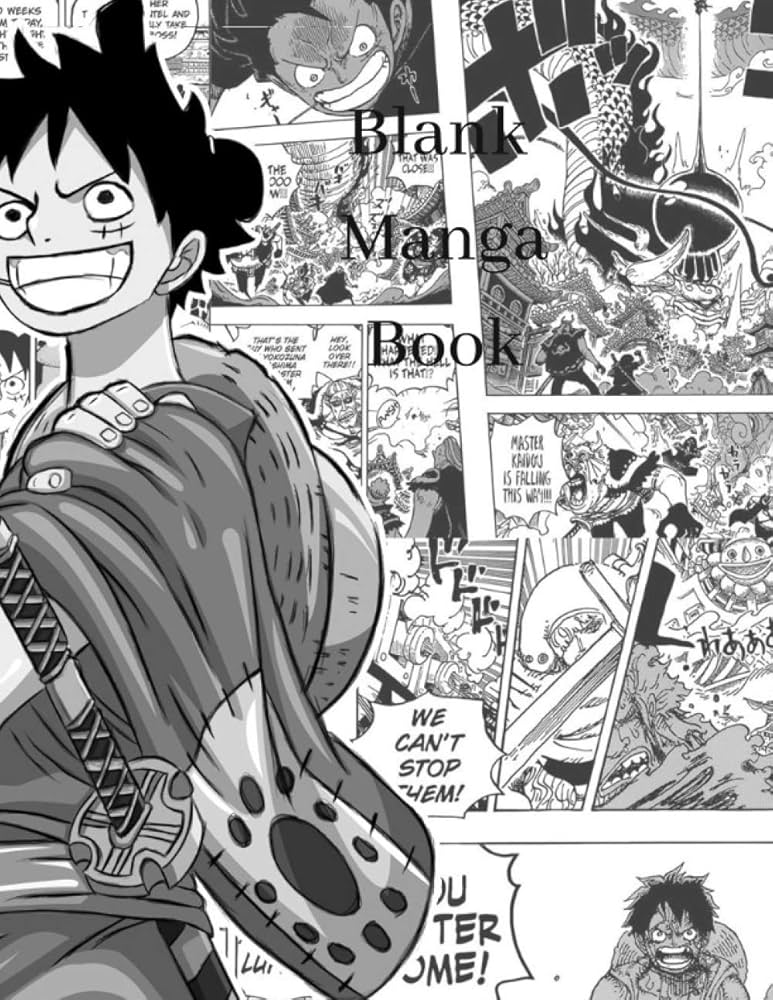
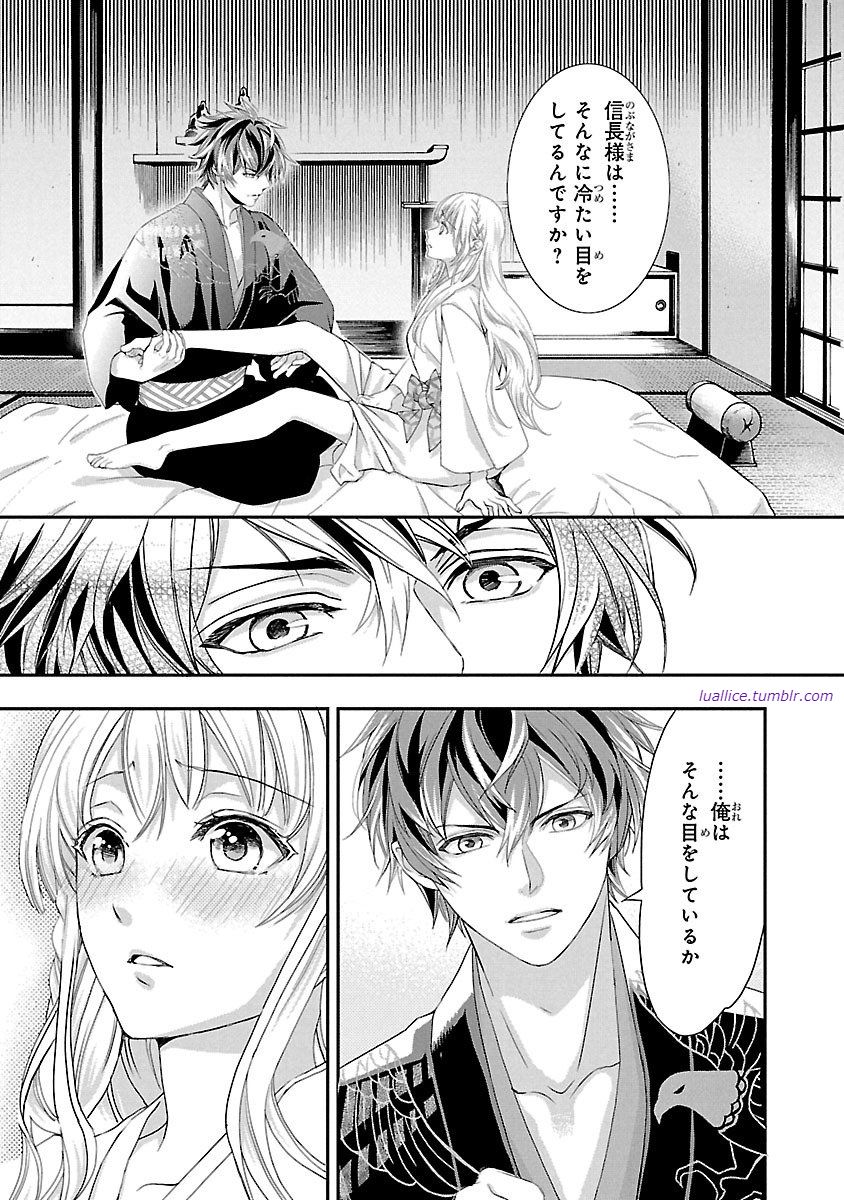
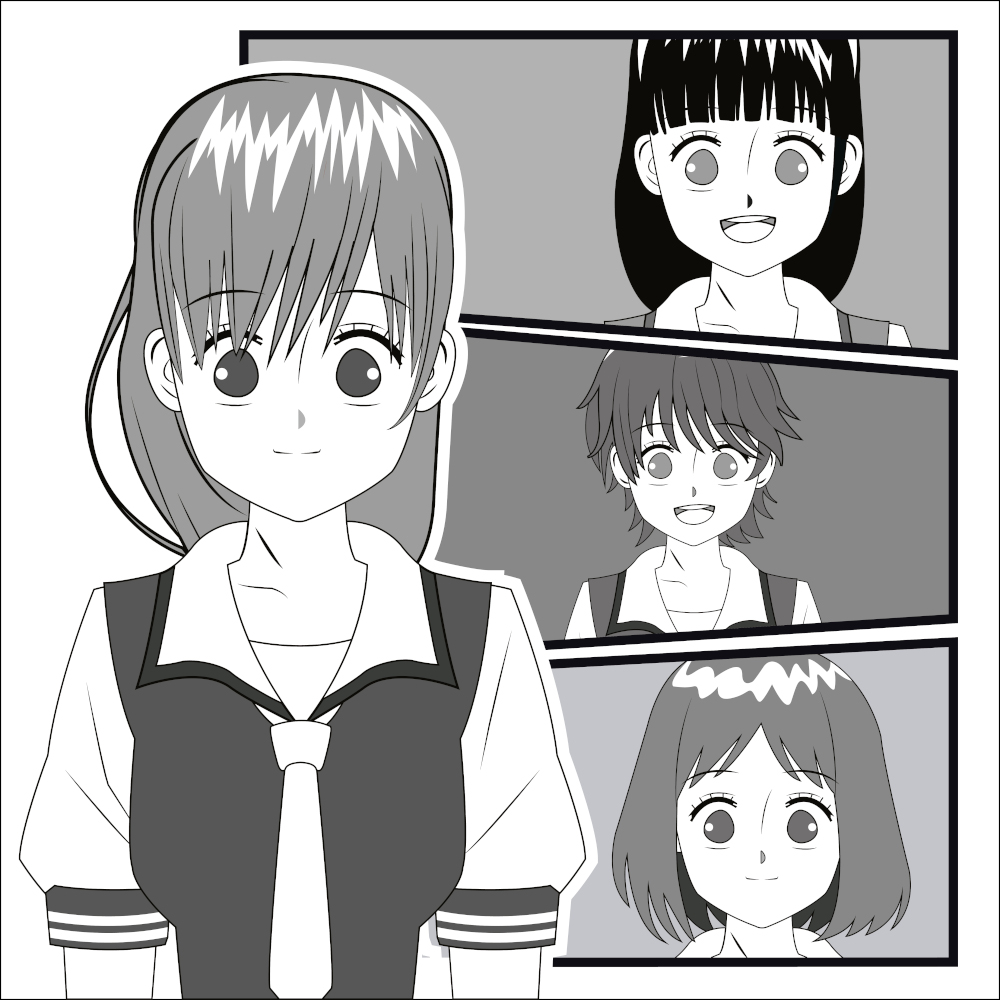
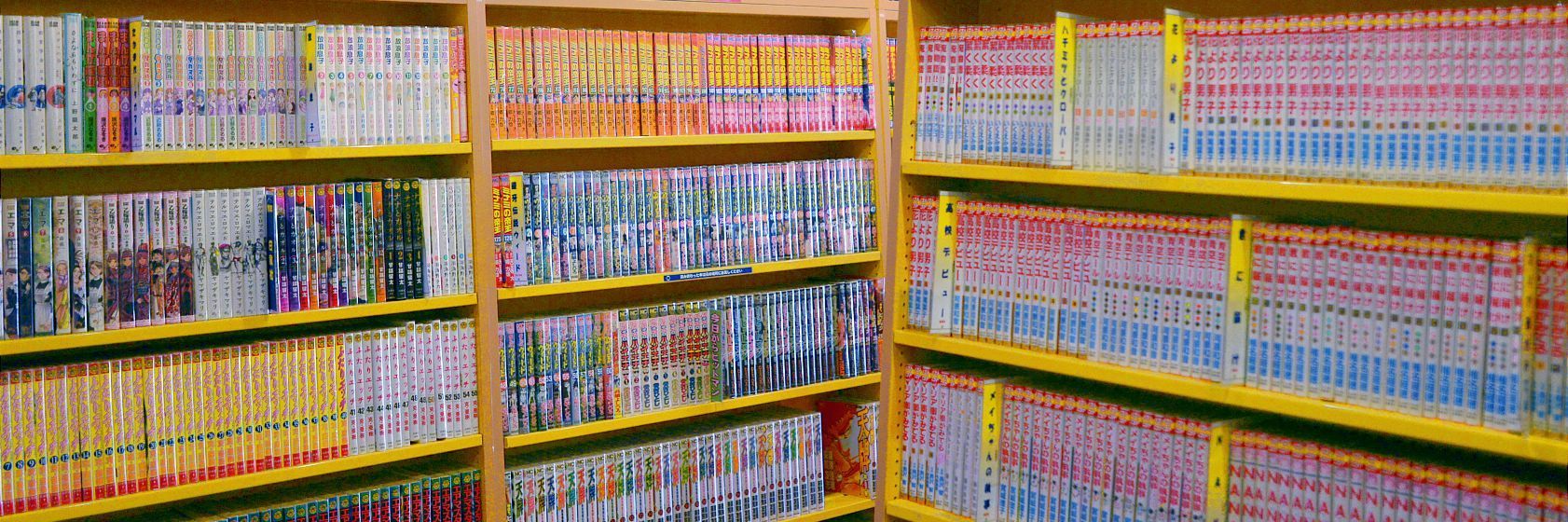
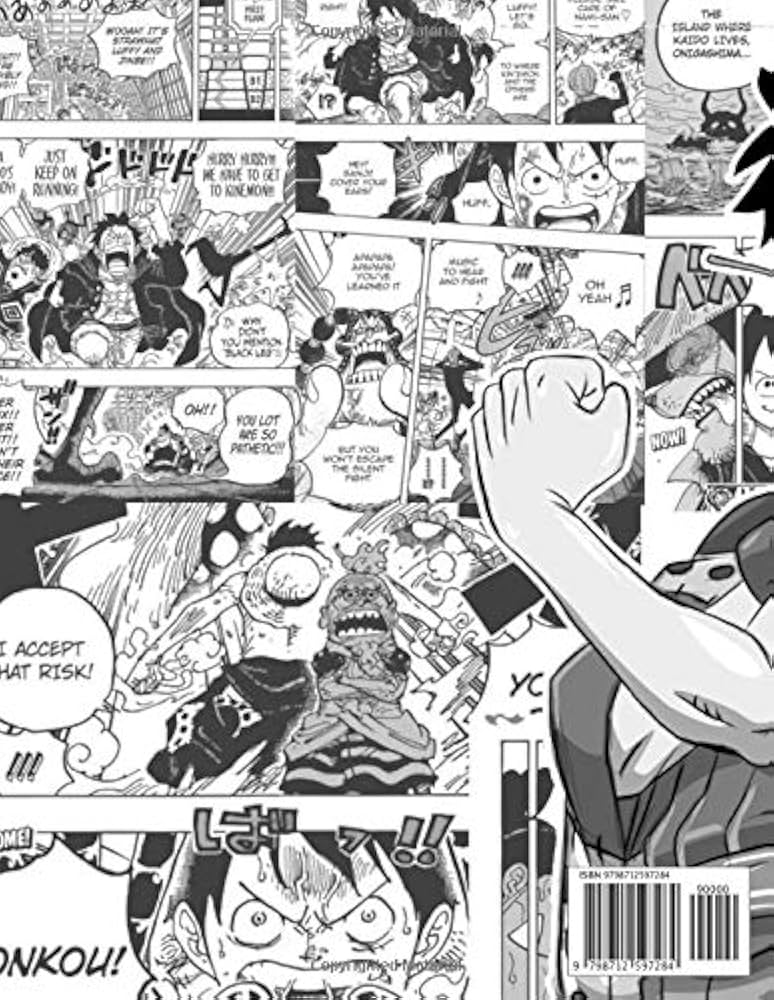
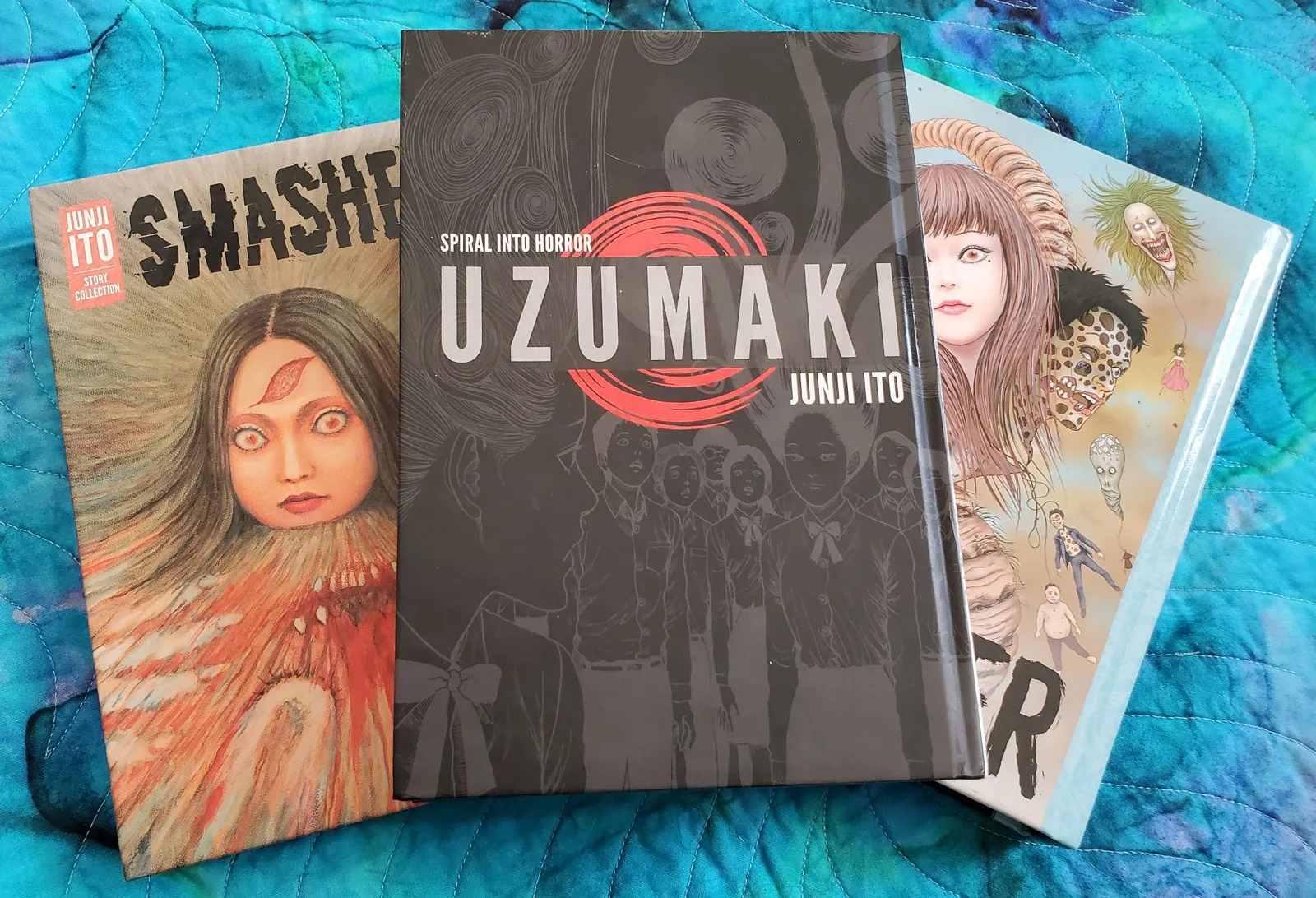

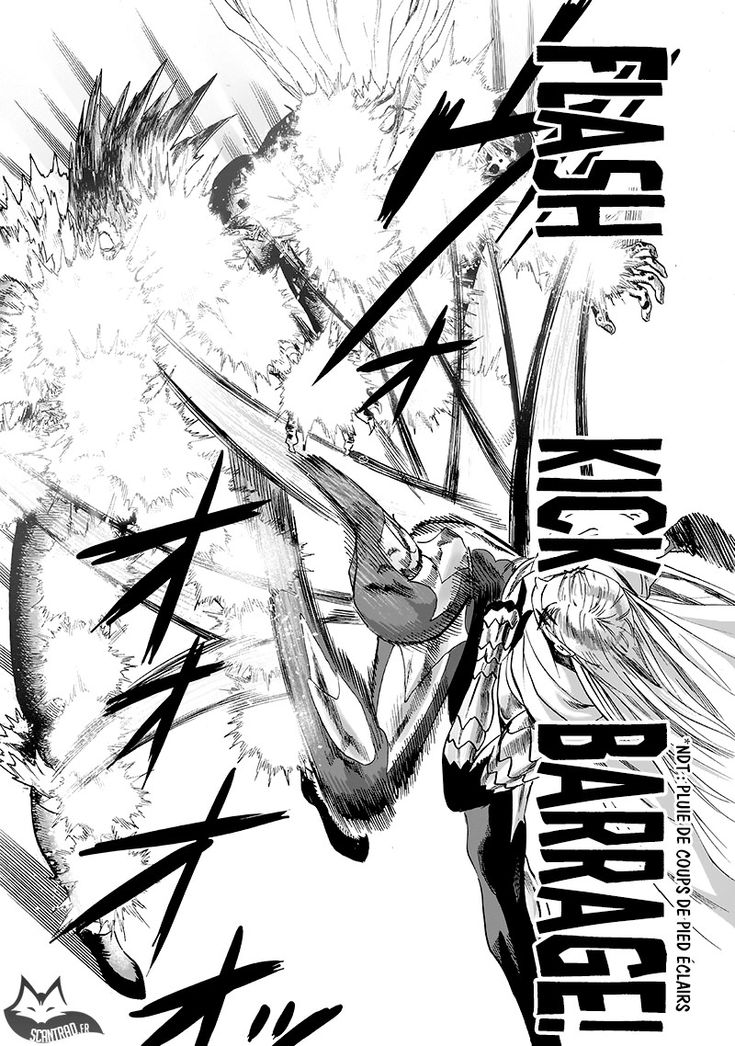

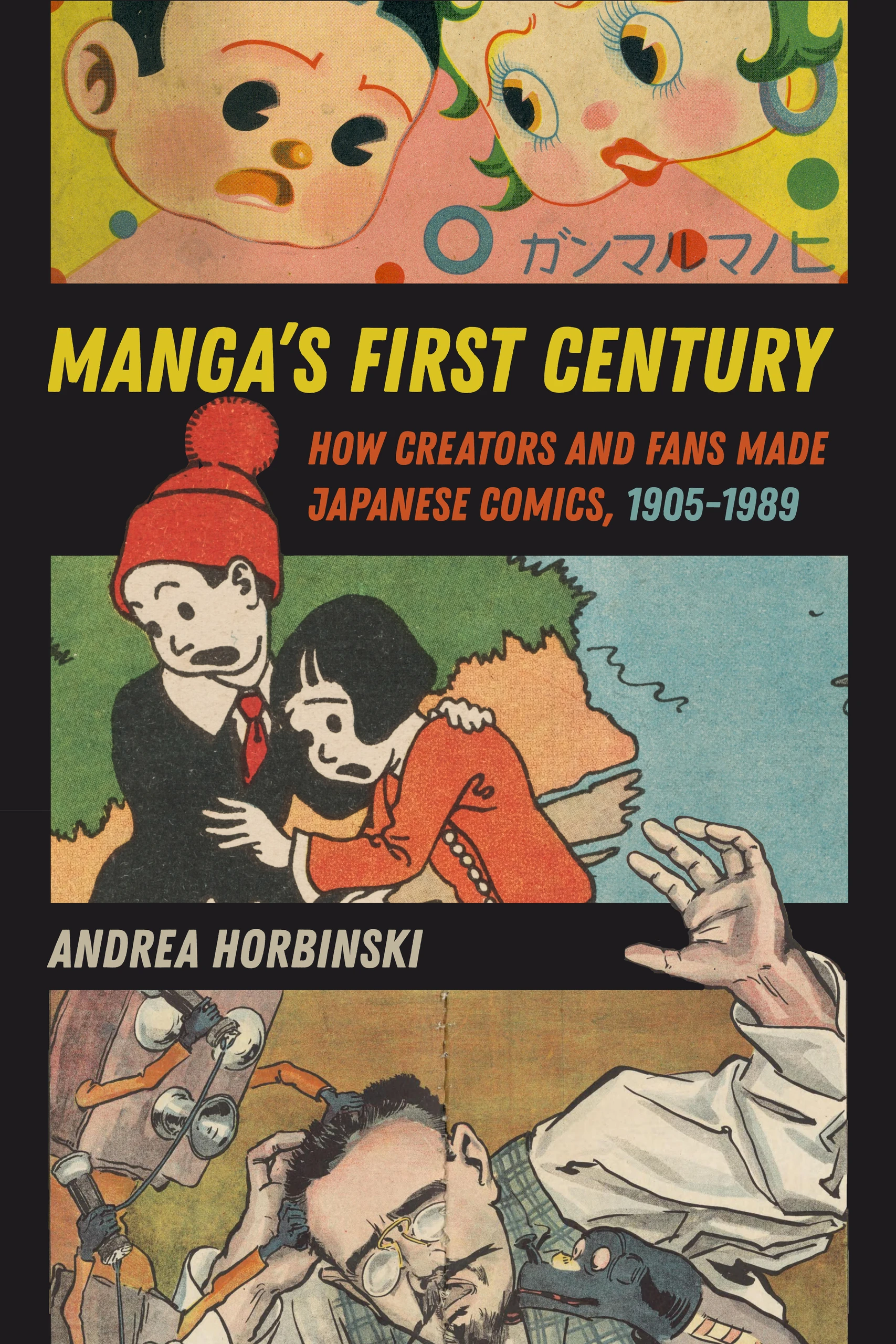
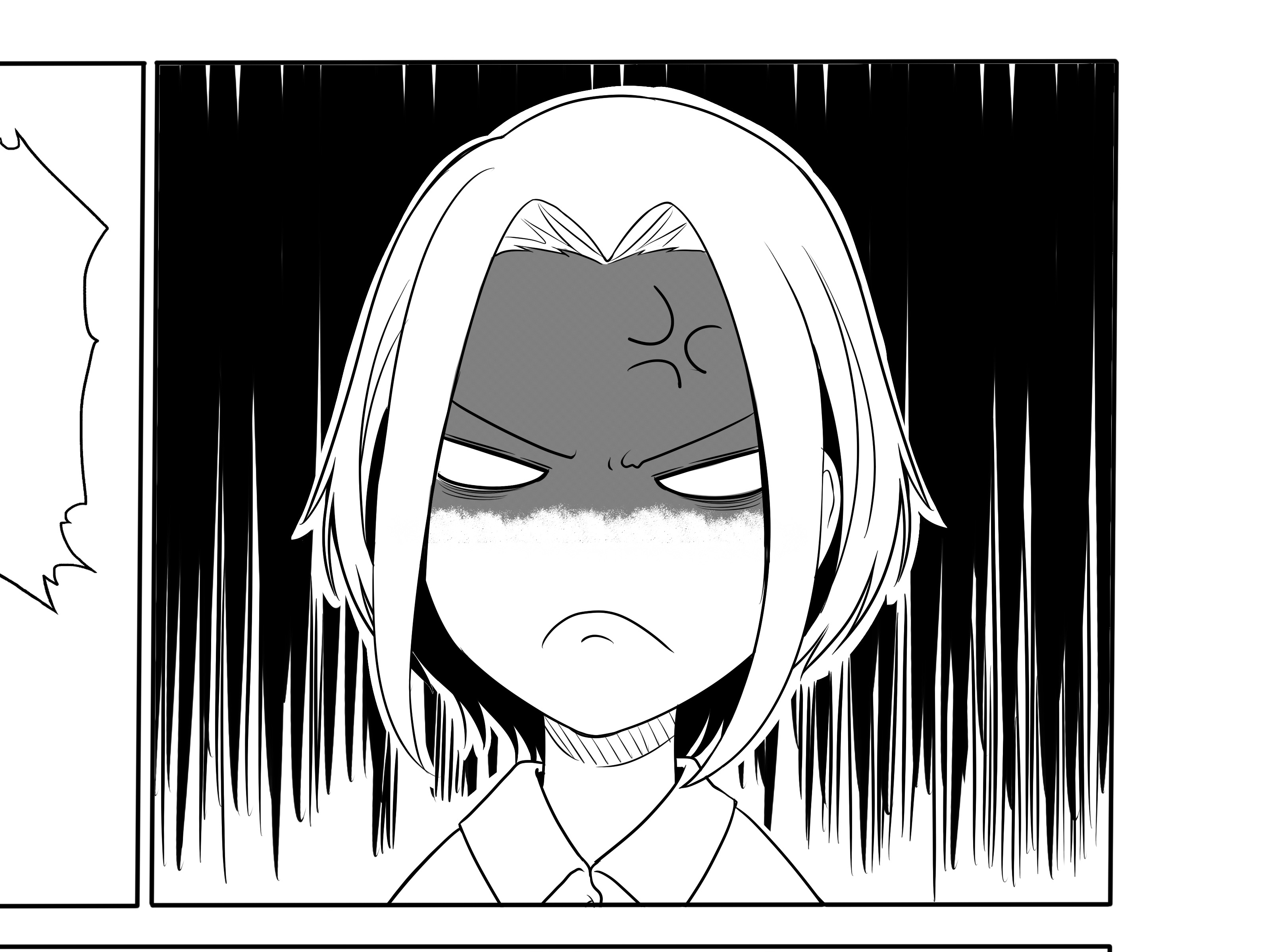
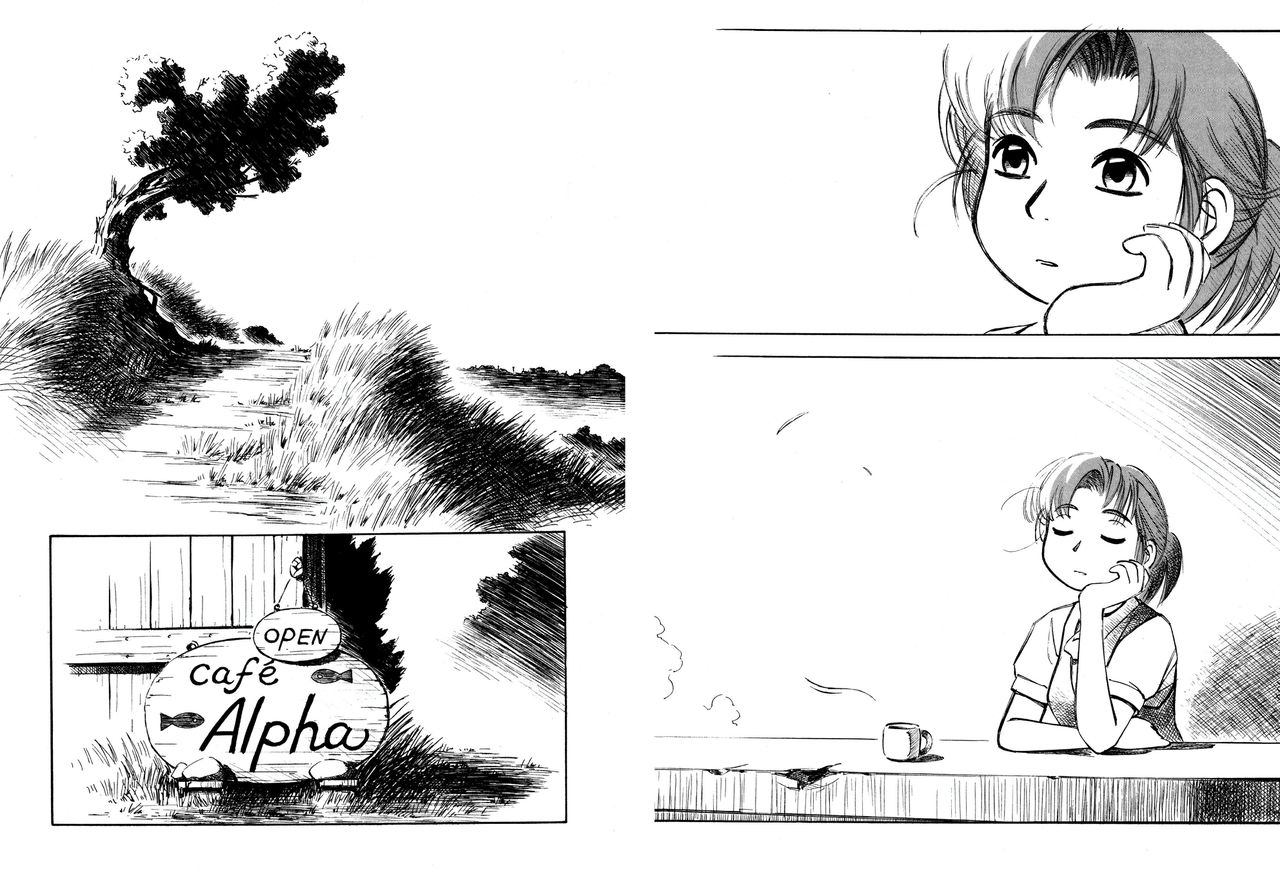
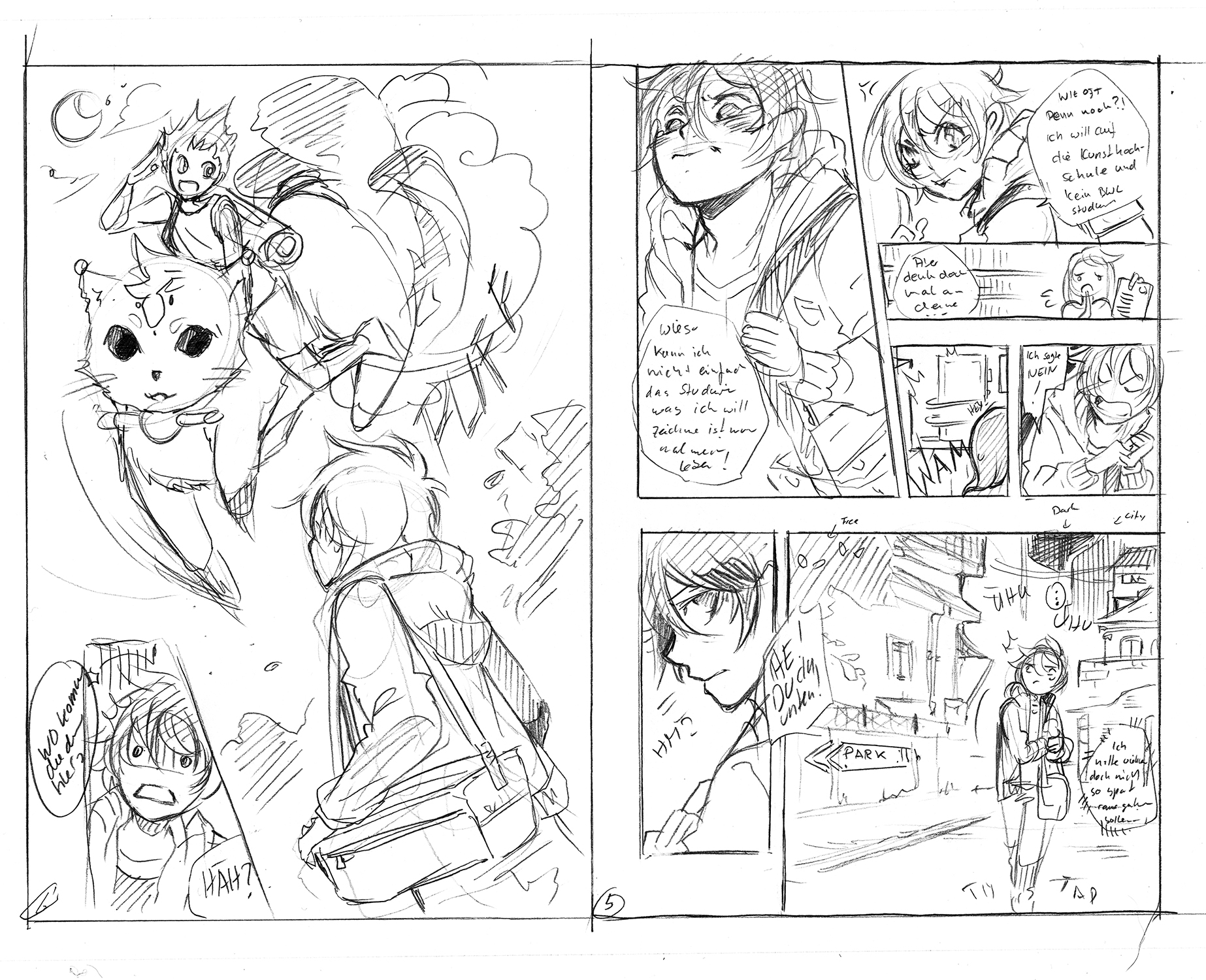
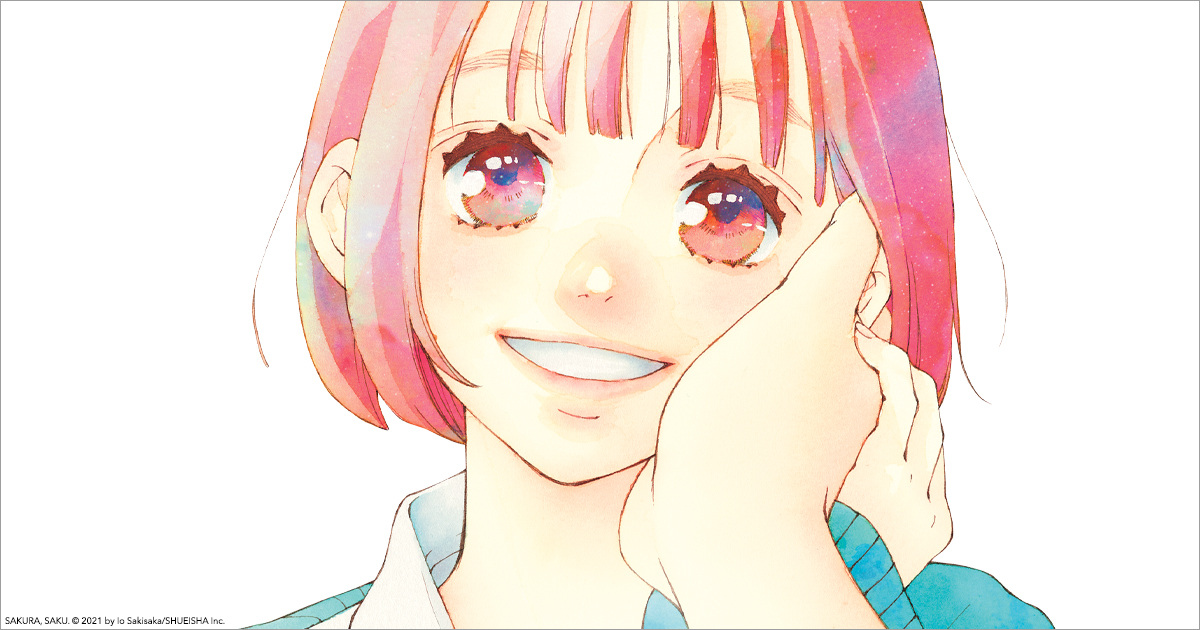
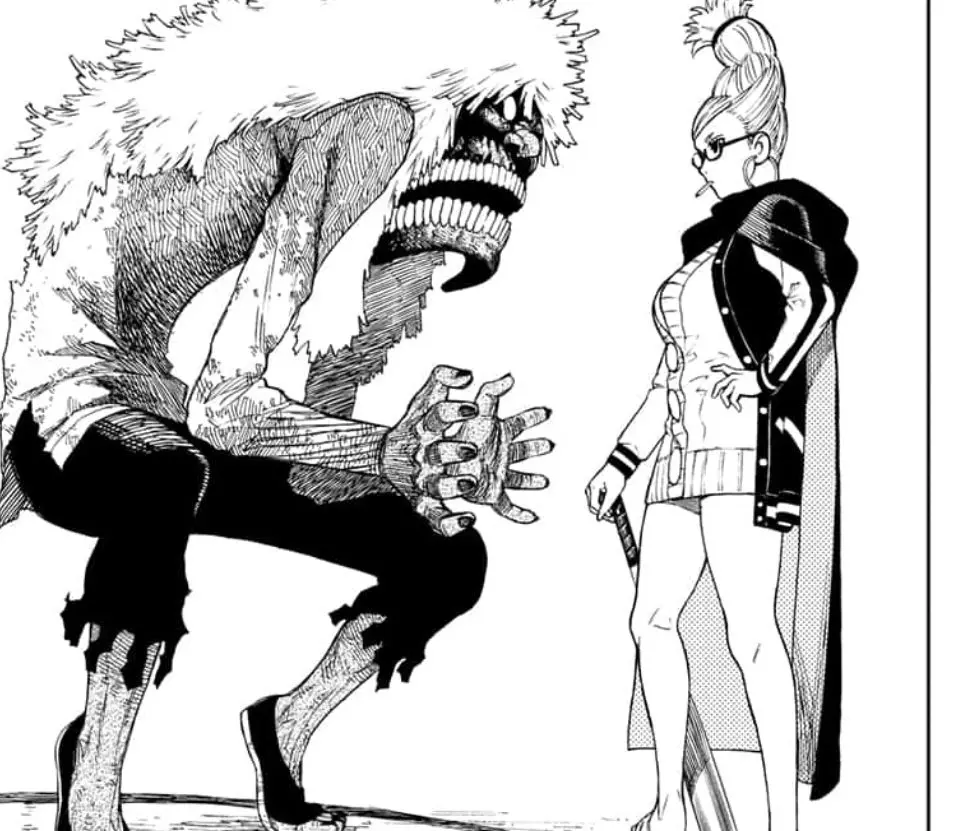
Manga, manhwa, and manhua are often grouped together, but each of these comic forms has its unique features. While manga originated in Japan, manhwa originated in Korea, and manhua originated in China. These comics share many similarities but also have differences in art styles, storytelling, and readership. In this article, we’ll take a closer look at the differences between manga, manhwa, and manhua.
Manga, manhwa, and manhua are terms derived from the term “manhua,” which means “impromptu drawings.” In , manga became popular in the mid-20th century, while manhwa saw its development during the Japanese Occupation of . Manhwa experienced a decline in the mid-1960s due to strict censorship laws. However, the popularity of manhwa soared in the 21st century with the advent of webtoons, digital manhwa that are published weekly on websites such as Daum Webtoon and Naver Webtoon. Manhua originated in China, Taiwan, and Hong Kong in the early 20th century, and like manhwa, it too had politically driven stories. (Also Read: )
Manga, manhwa, and manhua have distinct art styles and layouts. Manga is traditionally published in black and white, while manhwa is also black and white but is published horizontally, like American and European comics. Manhua, on the other hand, is published in colour. Manga and manhua are read in a right-to-left and top-to-bottom layout, whereas manhwa is read from top to bottom and left to right.
Digital manhwa and manhua are read in a vertical format, with infinite scrolling. This feature allows creators to depict movement and the passage of time, which are difficult to show in the printed manga. Moreover, the use of colour in digital manhwa adds a visual depth that is not present in printed manhwa and manga. (Also Read: )
While manga, manhwa, and manhua have many similarities, they have unique differences that set them apart. Whether you’re a manga, manhwa, or manhua fan, the evolution of these comics and the different techniques used to tell their stories make them a fascinating part of East Asian popular culture.