Mangaba
Gallery
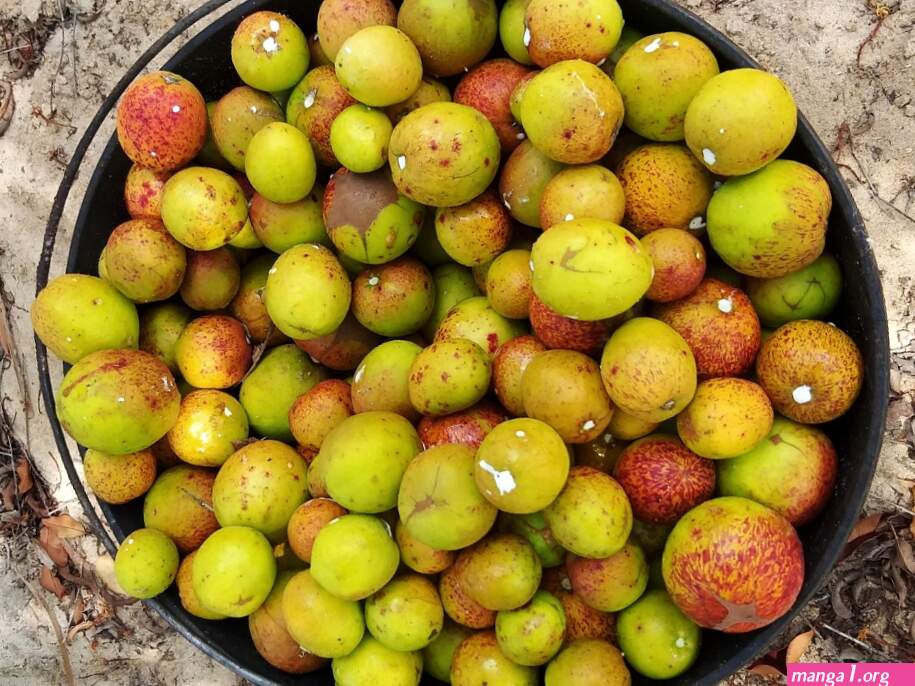
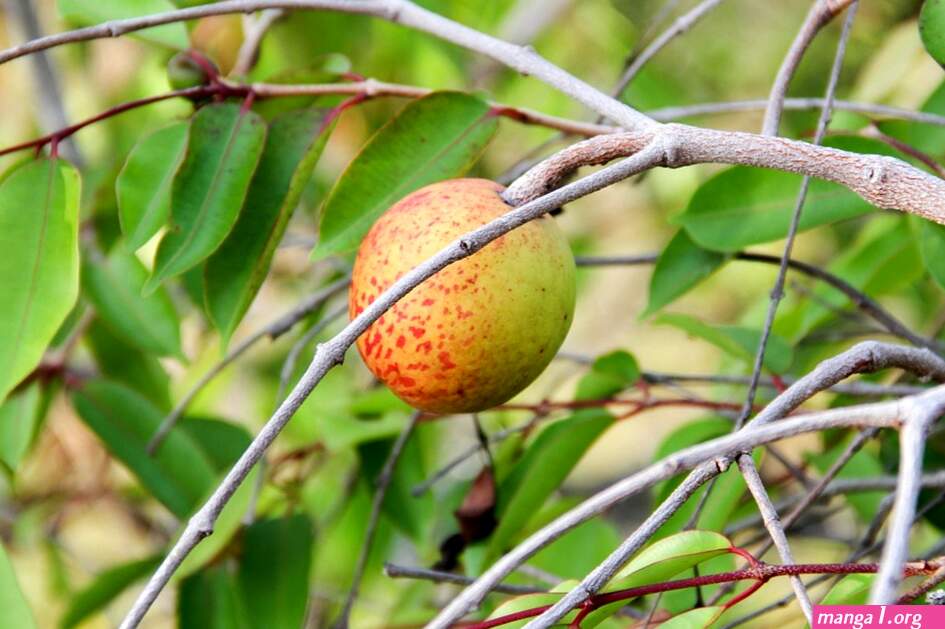
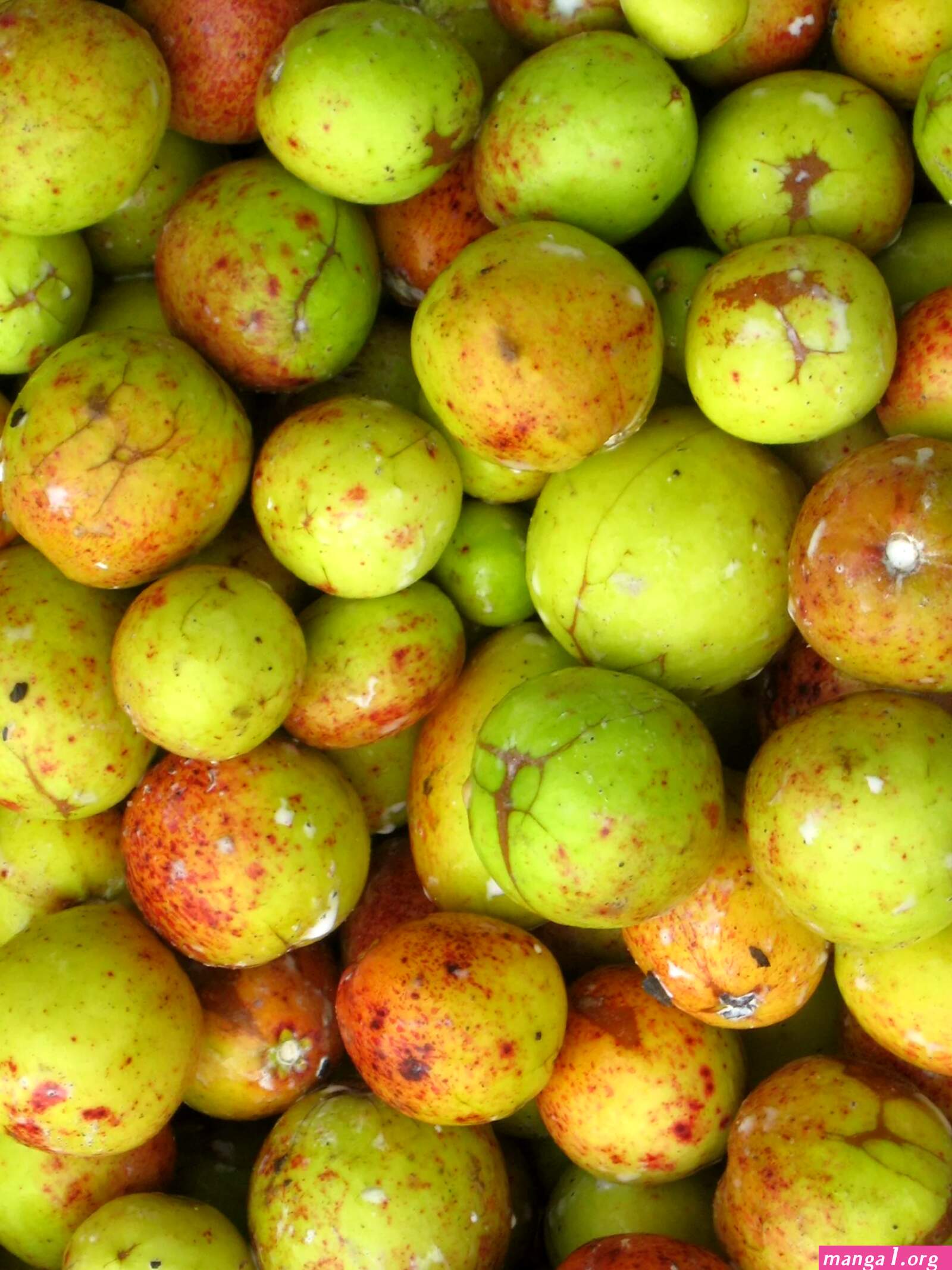
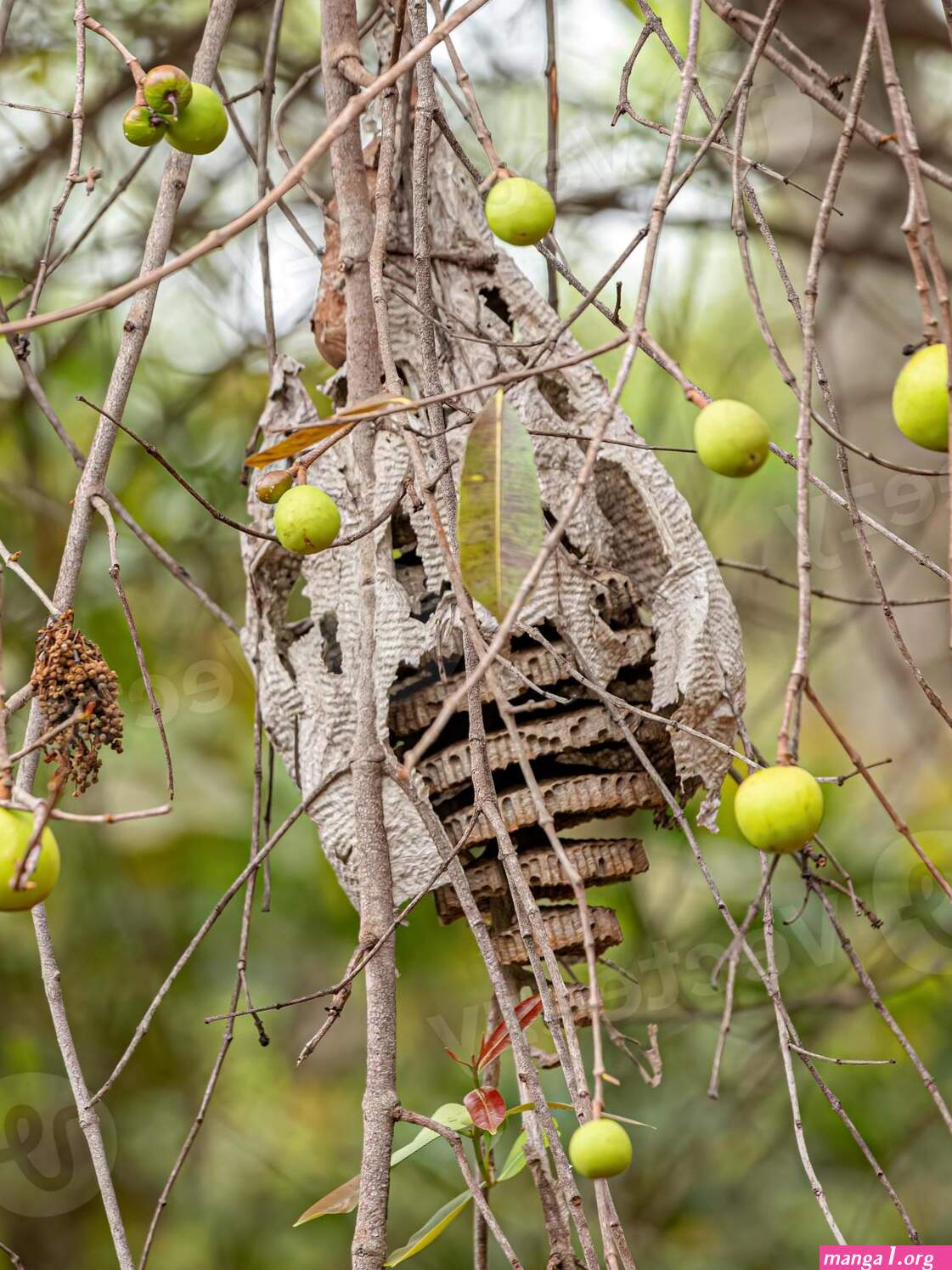
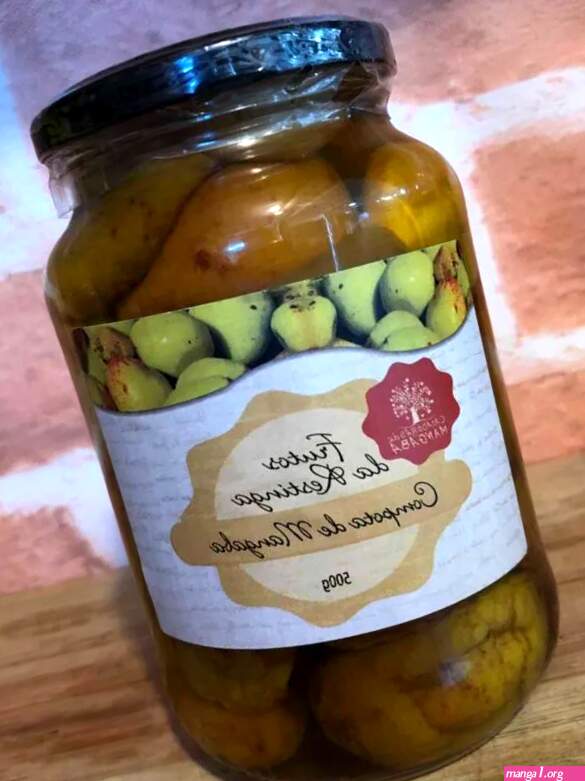
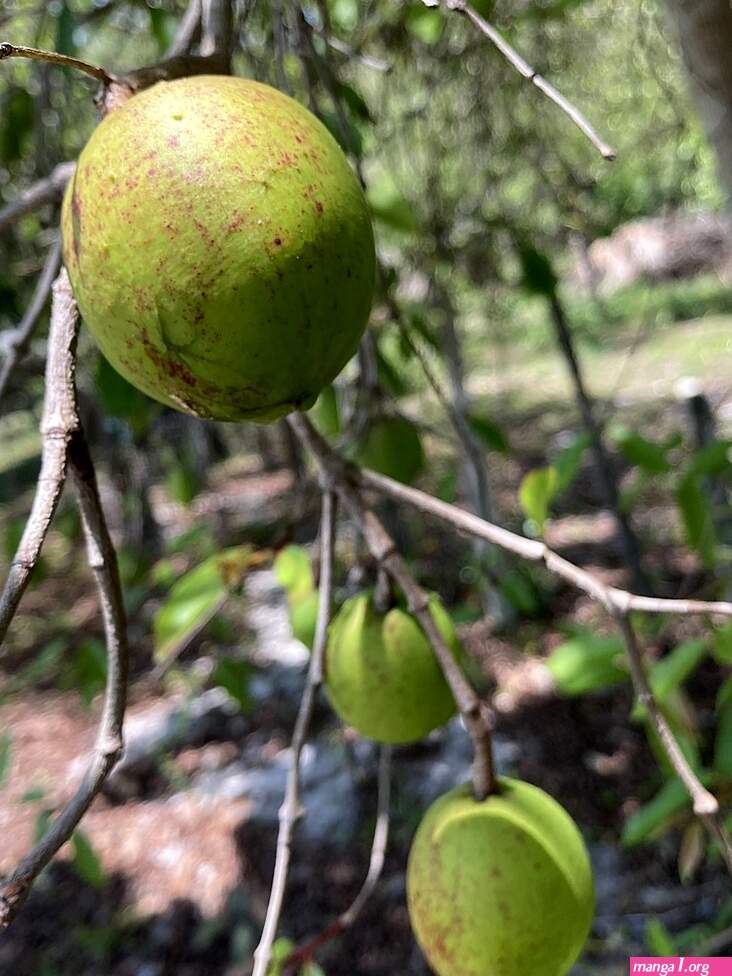
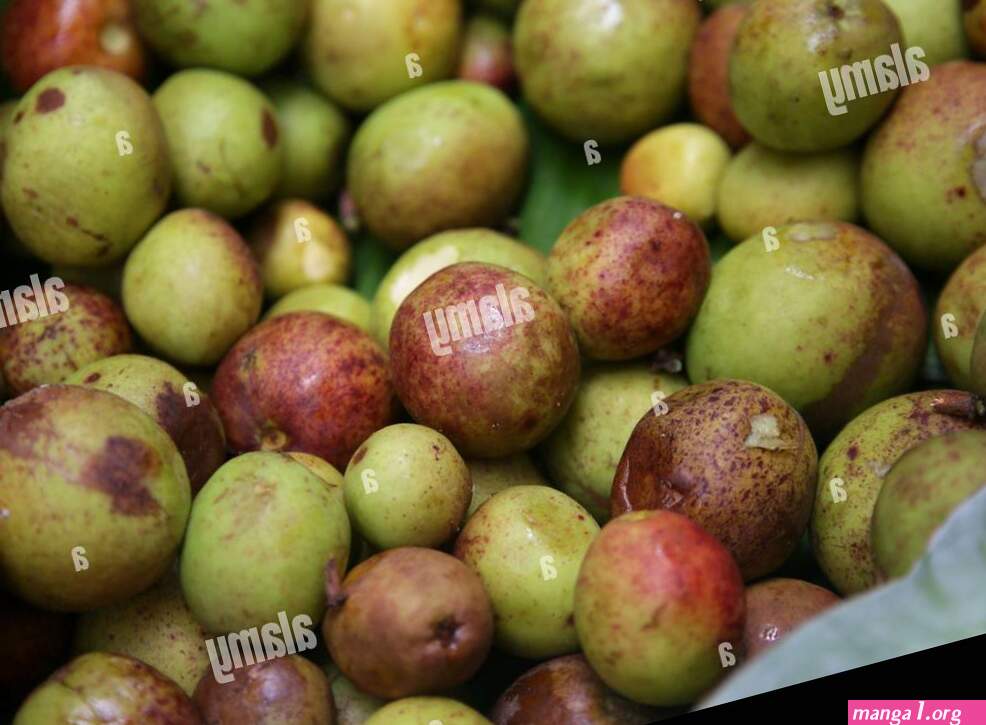
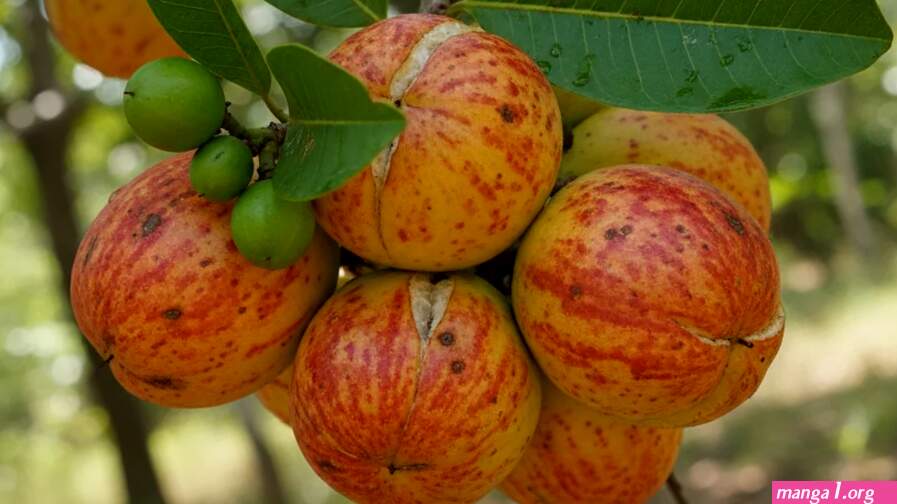
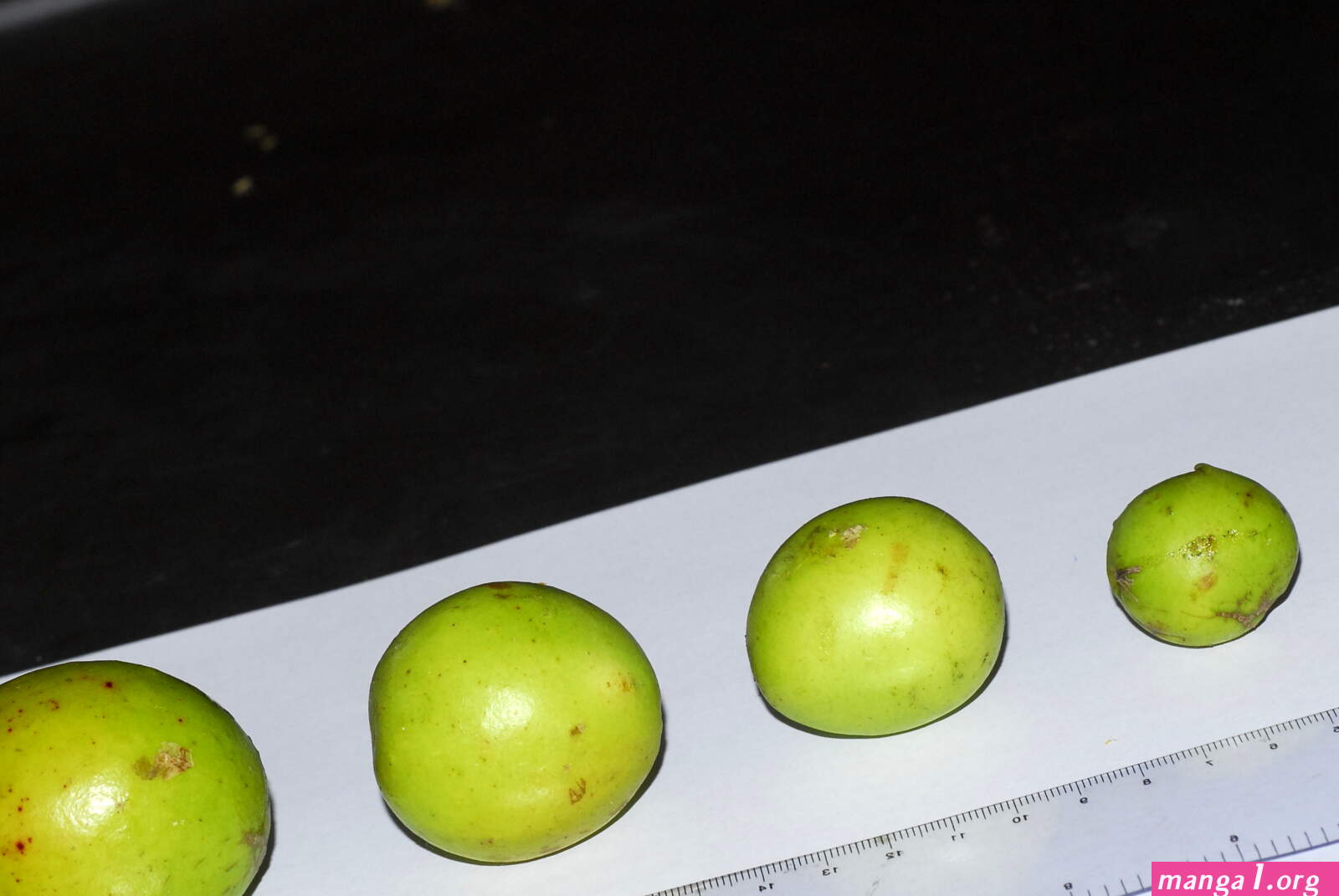
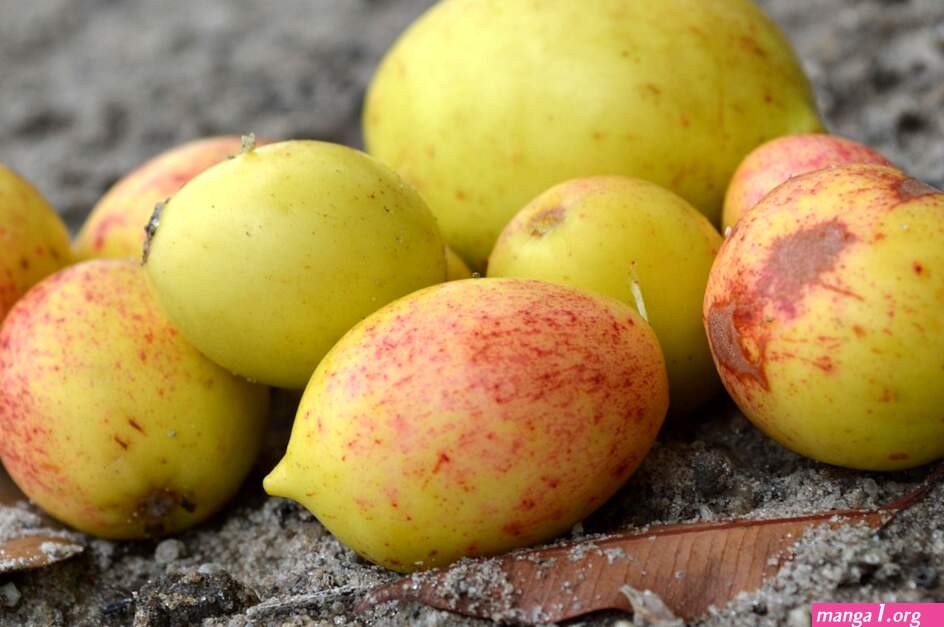
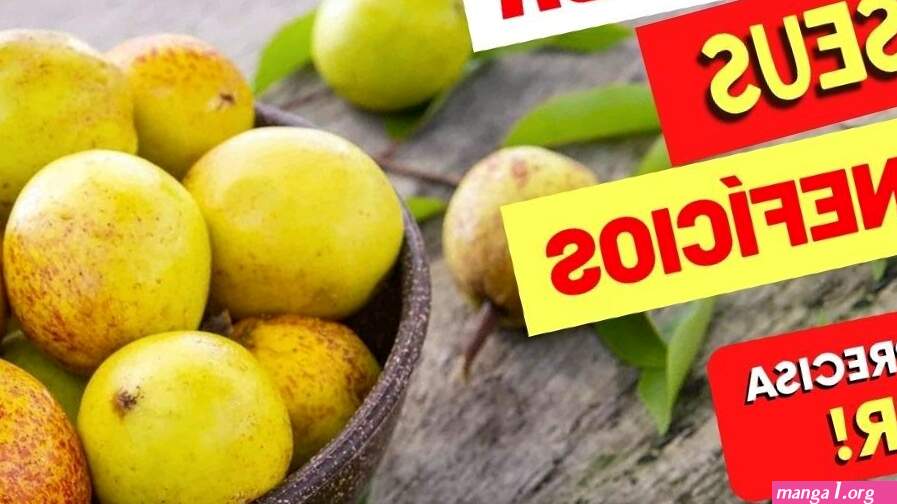
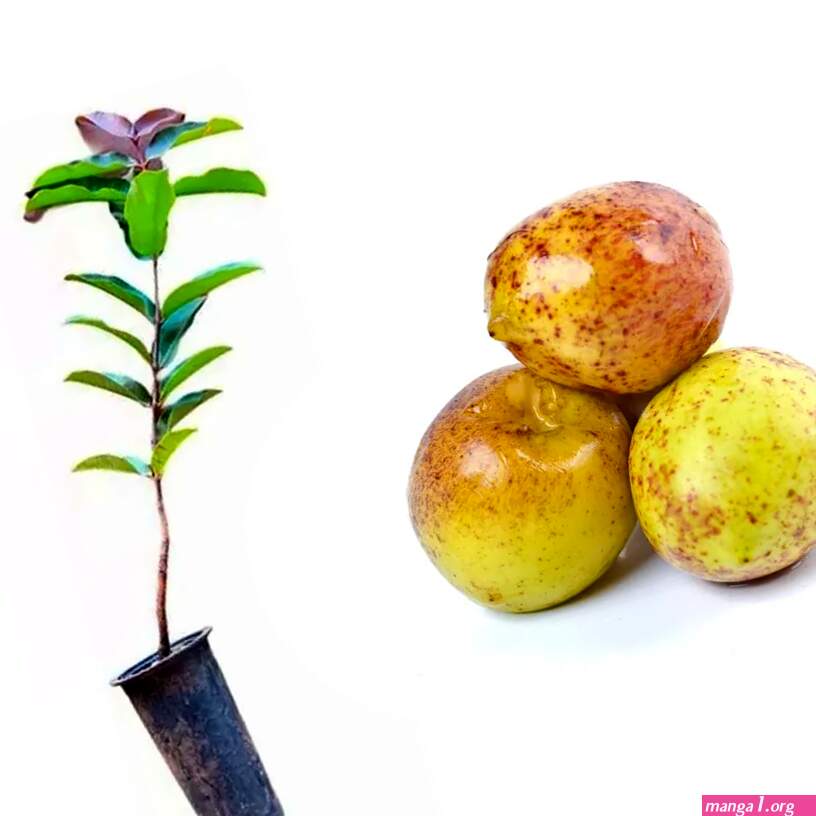
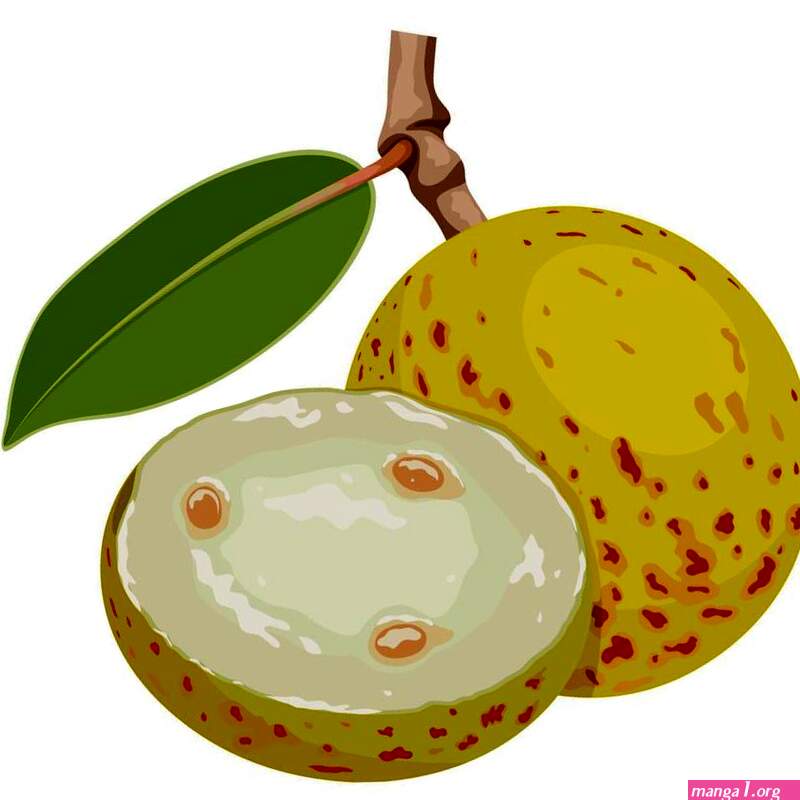
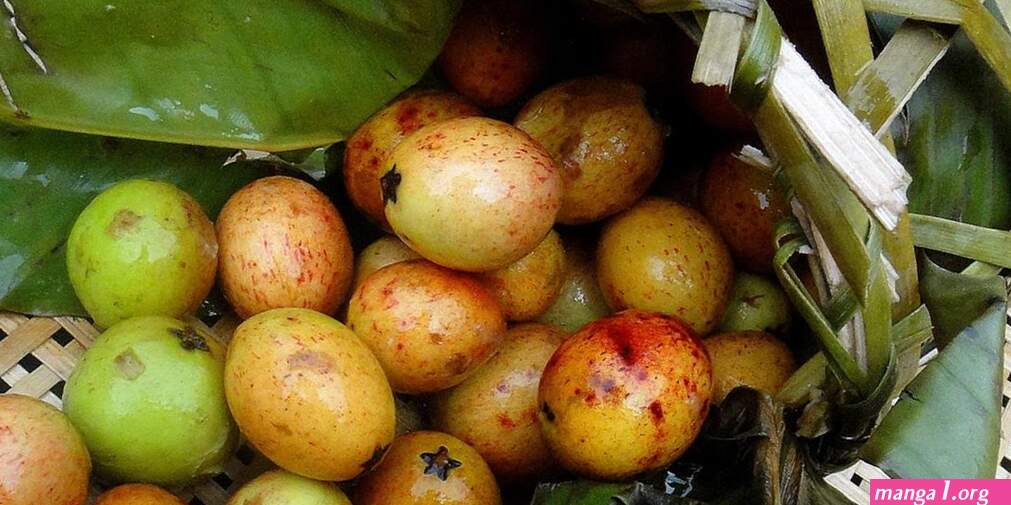
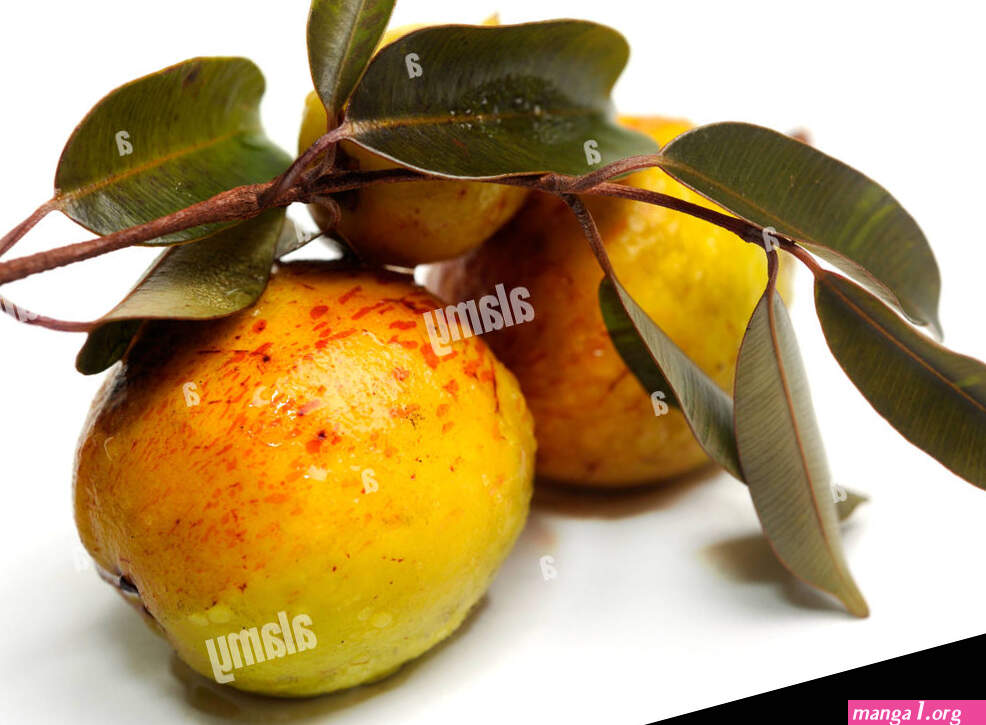
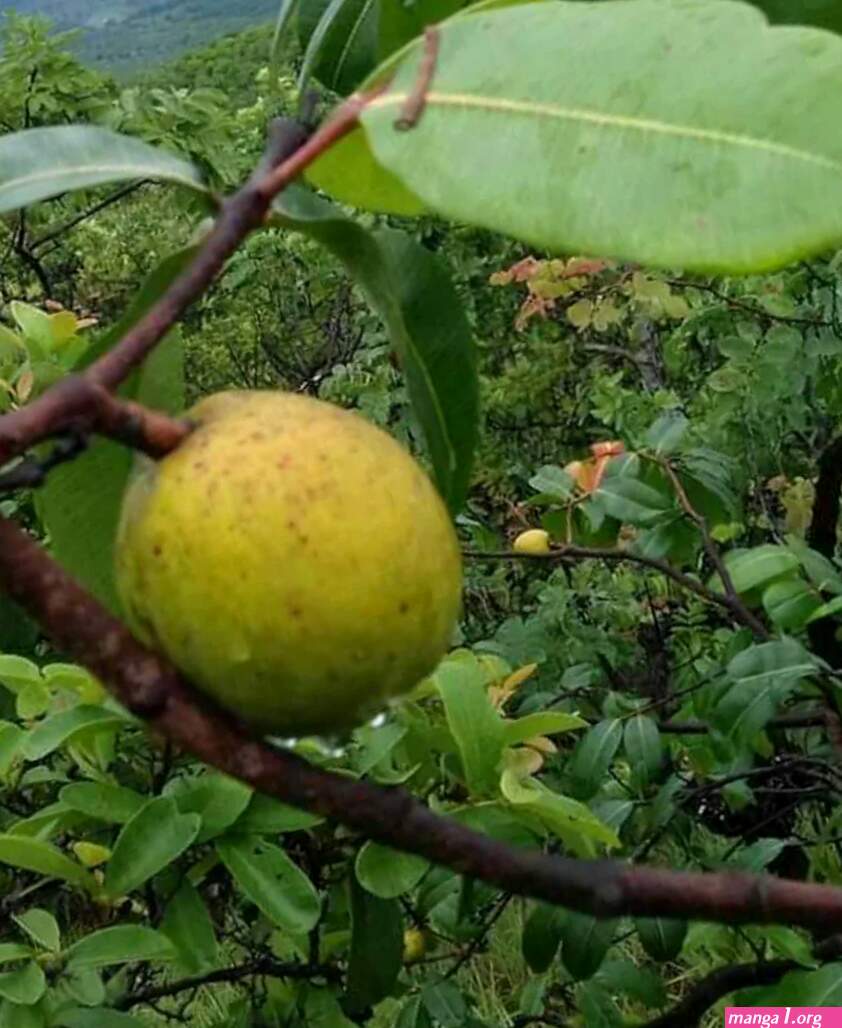
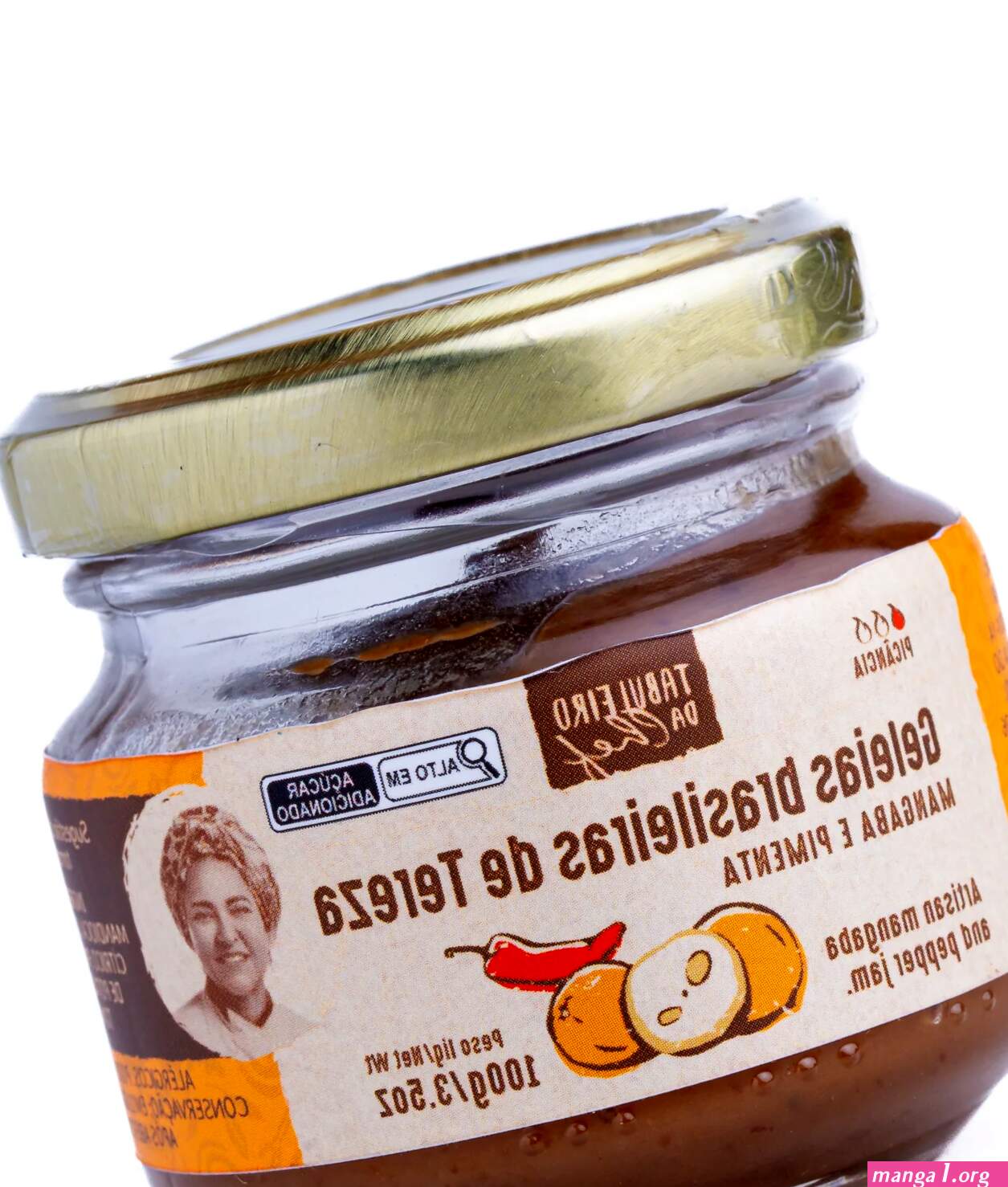
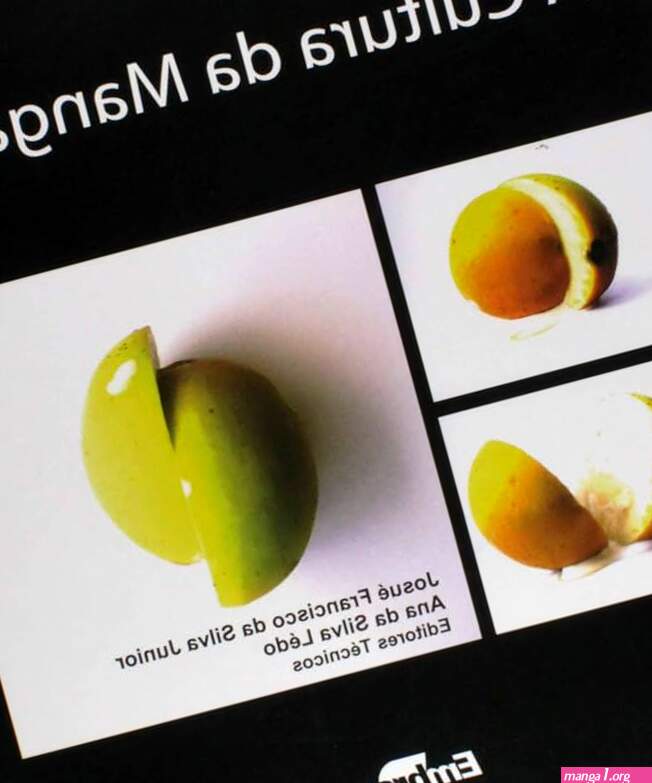
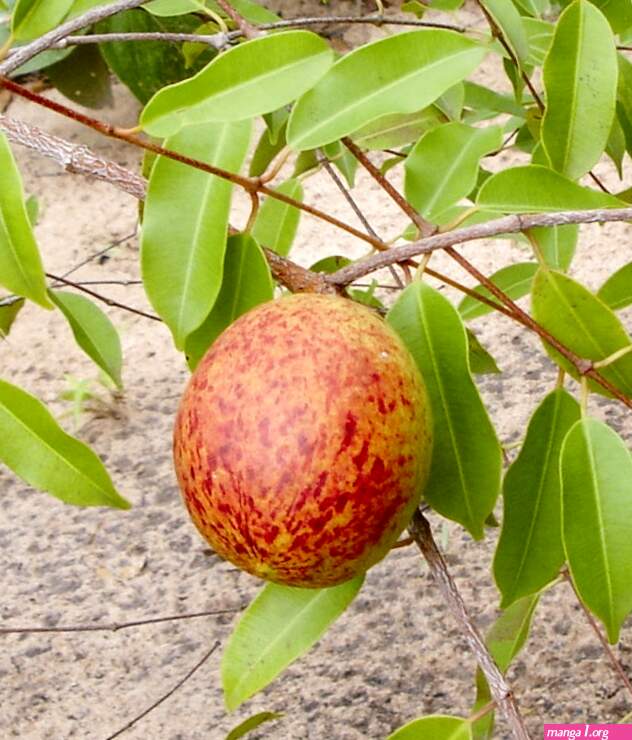
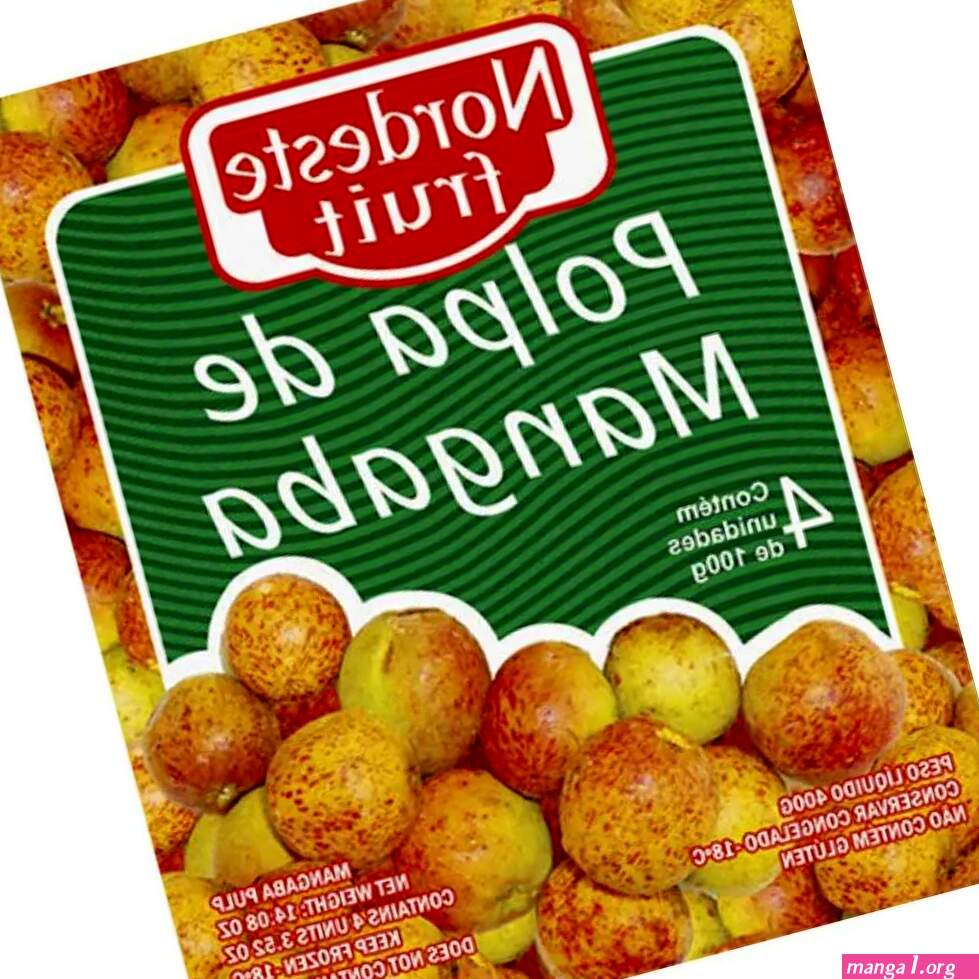
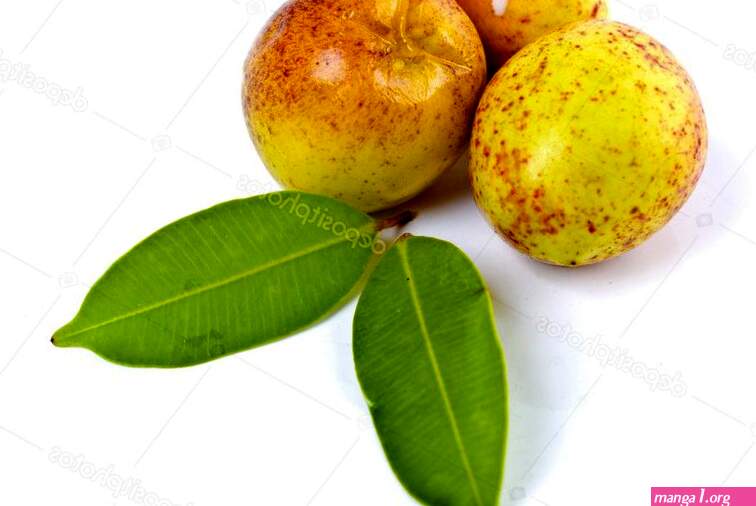
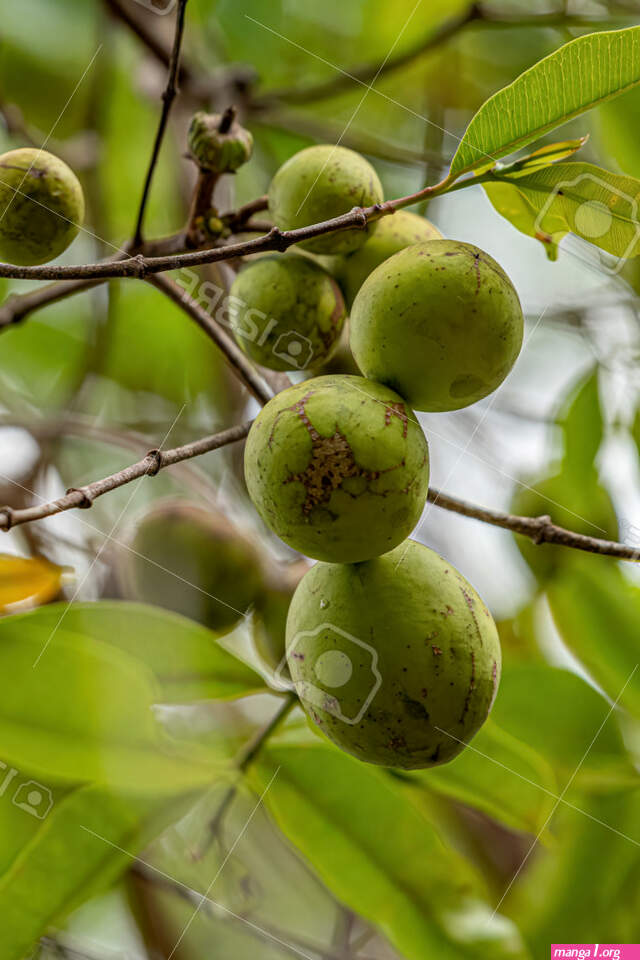
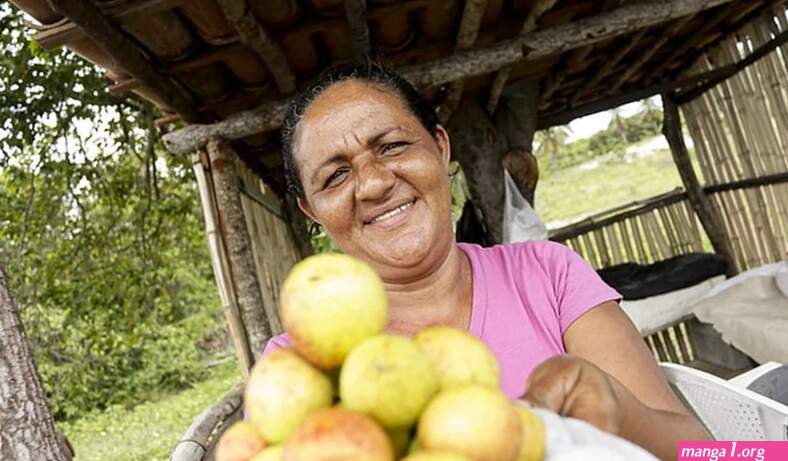
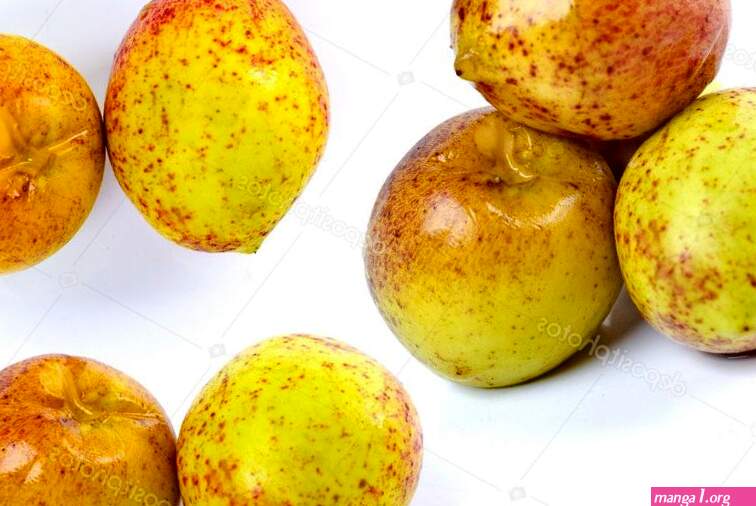
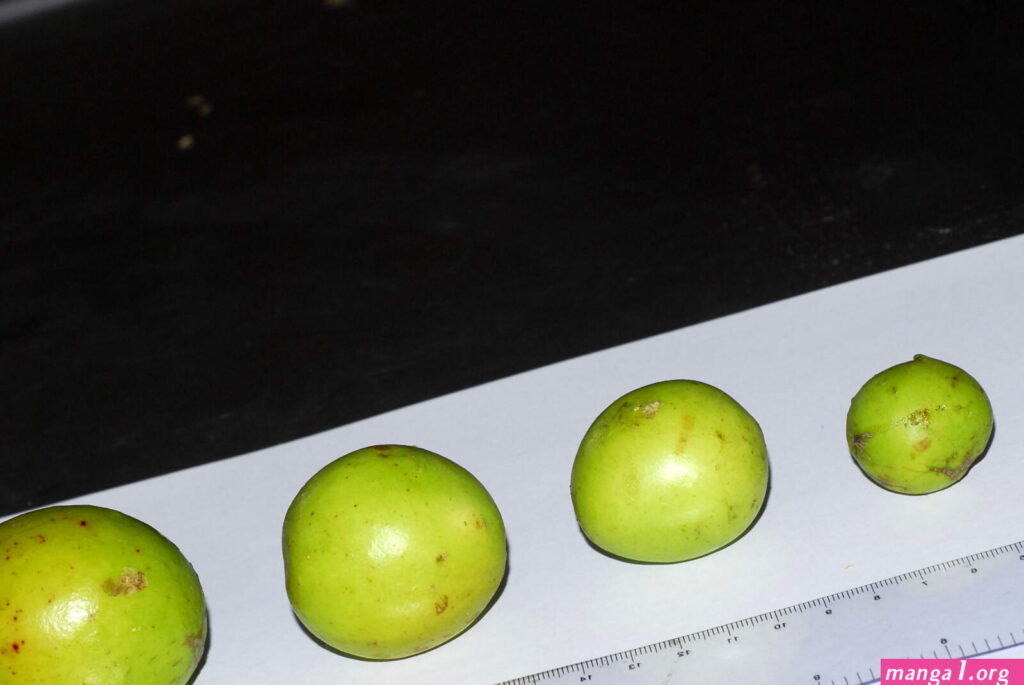
Description: Mangaba Fruit, scientifically known as Hancornia Speciosa Gomes (Apocynaceae), is a tree widely distributed in southern and western South America, specifically in Paraguay, Brazil, Bolivia, and Peru. The tree provides an edible fruit that is popular and commonly used locally, and it also produces latex that has been exported in the past as a source of rubber. The fruit is typically harvested from the wild but is also cultivated for its culinary uses. It is highly esteemed in parts of Brazil, especially as marmalade.
Nutrient Content: In addition to its sensory characteristics and high production potential (10–12 ton/ha), mangaba is rich in bioactive compounds, including phenolics and carotenoids. These compounds contribute to the fruit’s elevated potential for anti-inflammatory, anti-hypertensive, and antioxidant properties.
Like most fruits, mangaba is enjoyed fresh, and often eaten as a snack or as part of fruit salads. Its refreshing flavor makes it a great addition to dishes. In Brazil, mangaba is commonly made into refreshing juices and smoothies, often mixed with other tropical fruits, and considered a thirst-quenching and cooling drink. The pulp of the fruit is sometimes used in the preparation of sweets, ice creams, and jams. Its creamy texture lends itself well to dessert-making. In addition to desserts, mangaba is sometimes used in sauces or syrups, particularly in regional Brazilian cooking.
Helps In Digestive Process: The fiber content in mangaba aids in digestion and helps promote gut health
Mangaba: Health Benefits, Uses And Side Effects Of This Fruit