Difference between comics and manga
Gallery
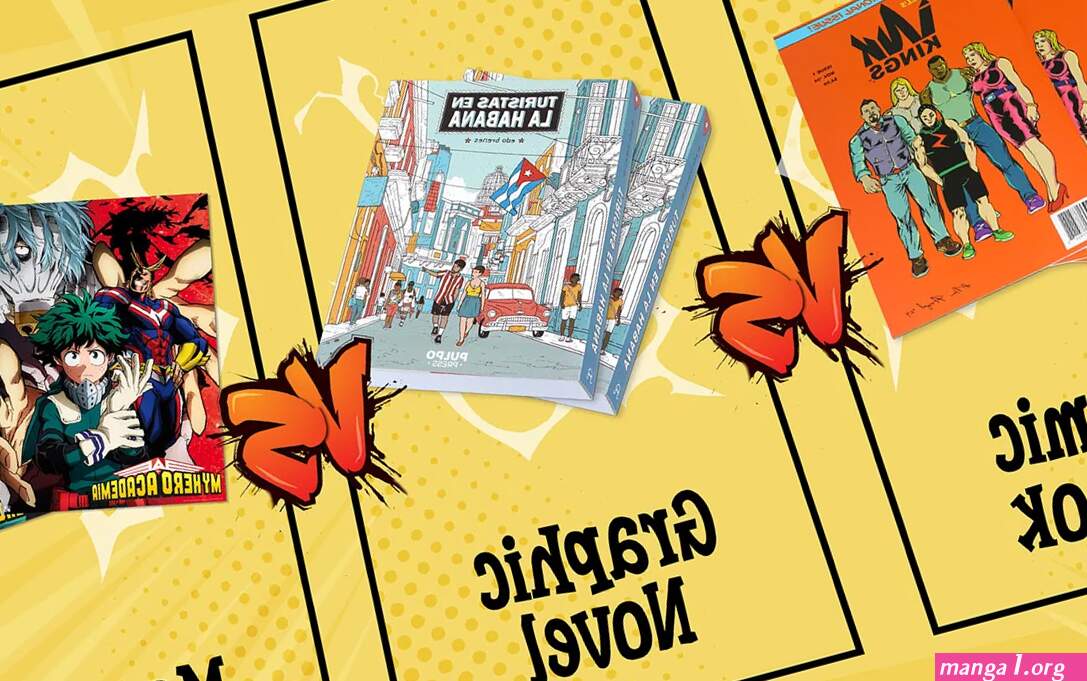
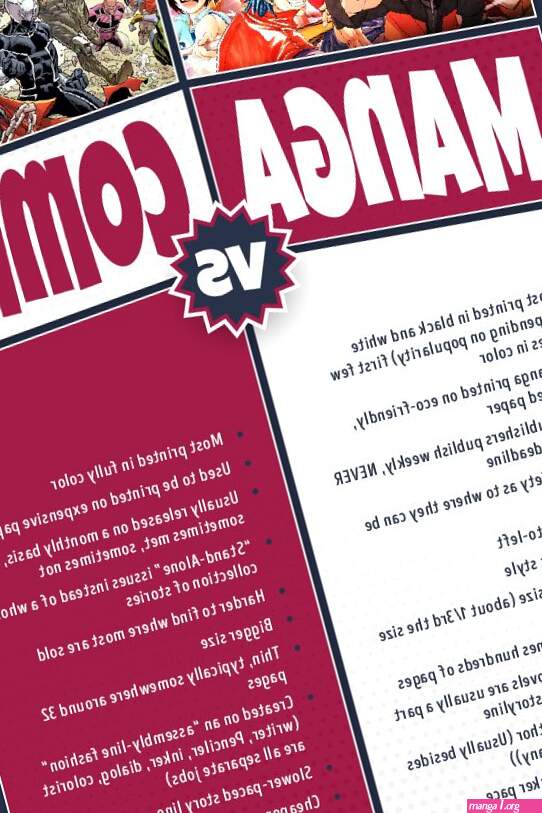
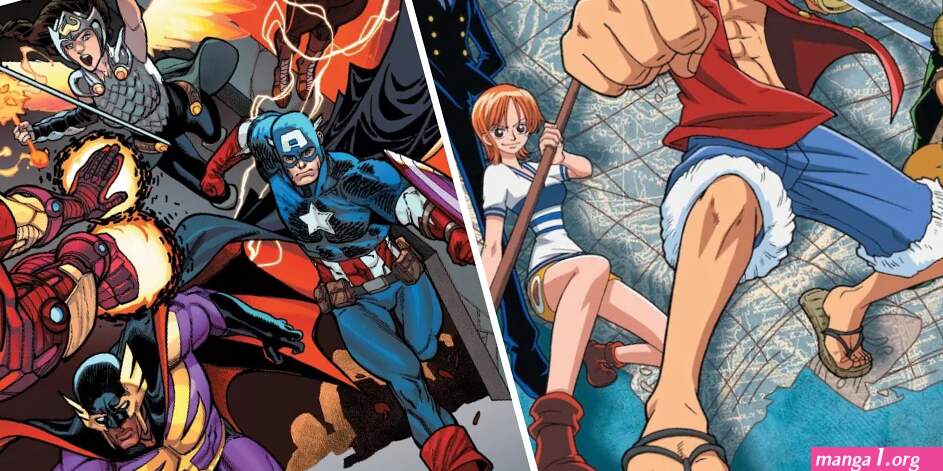
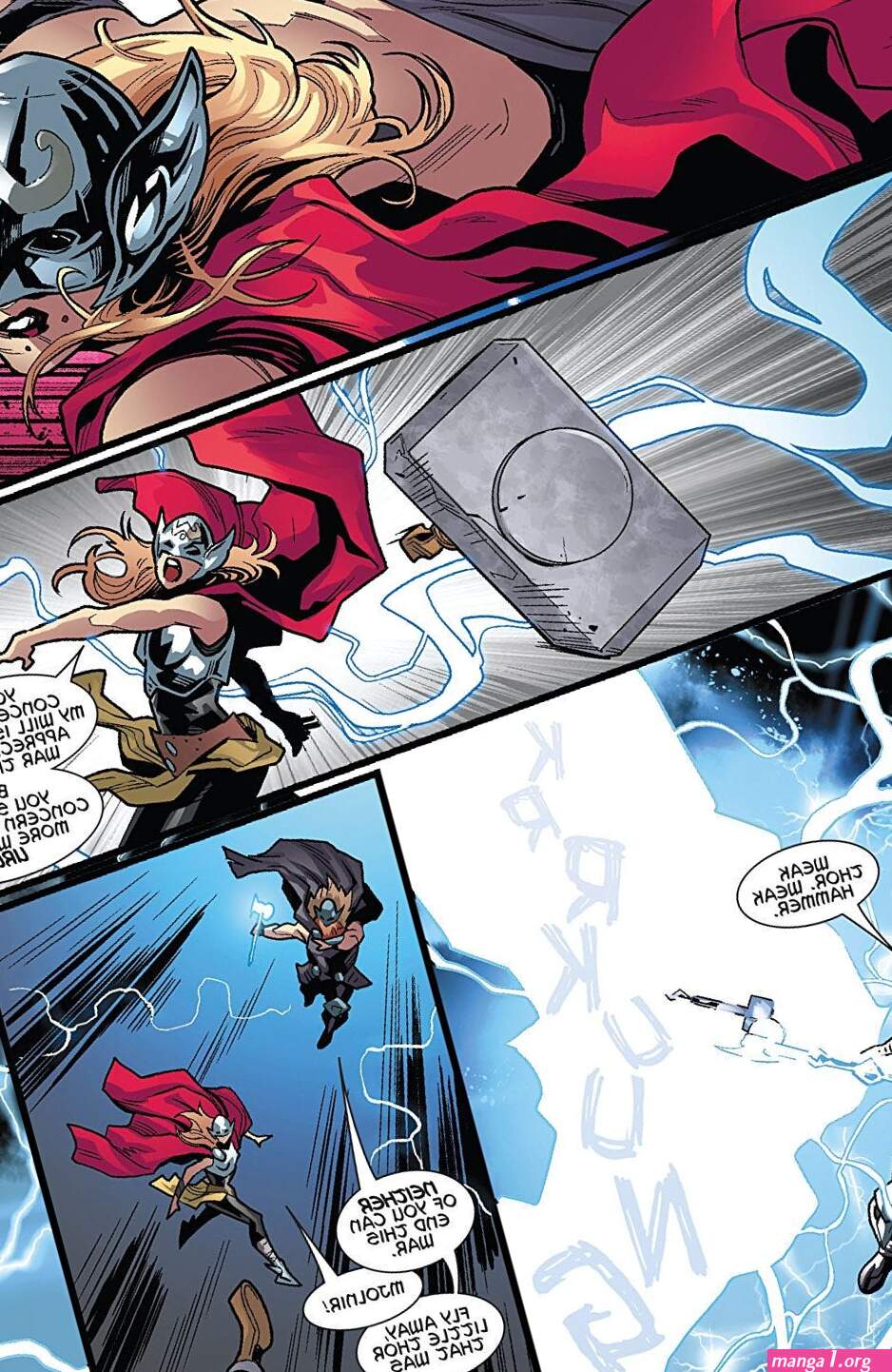
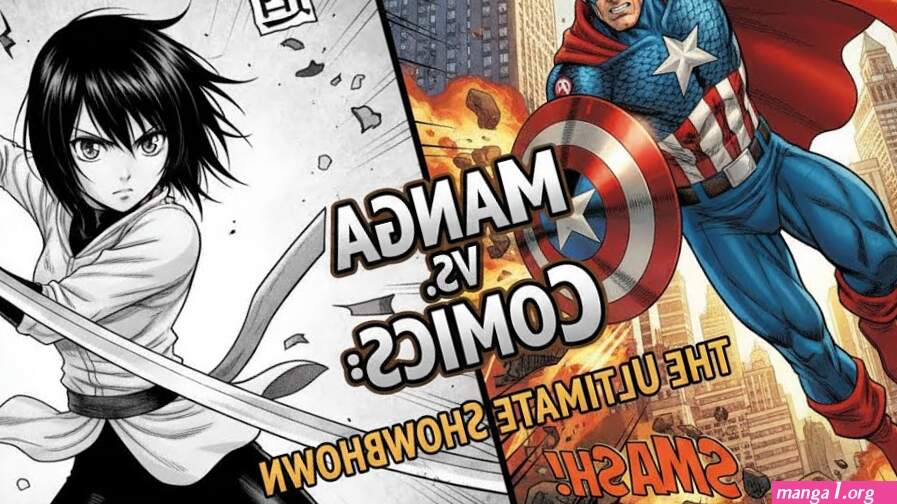
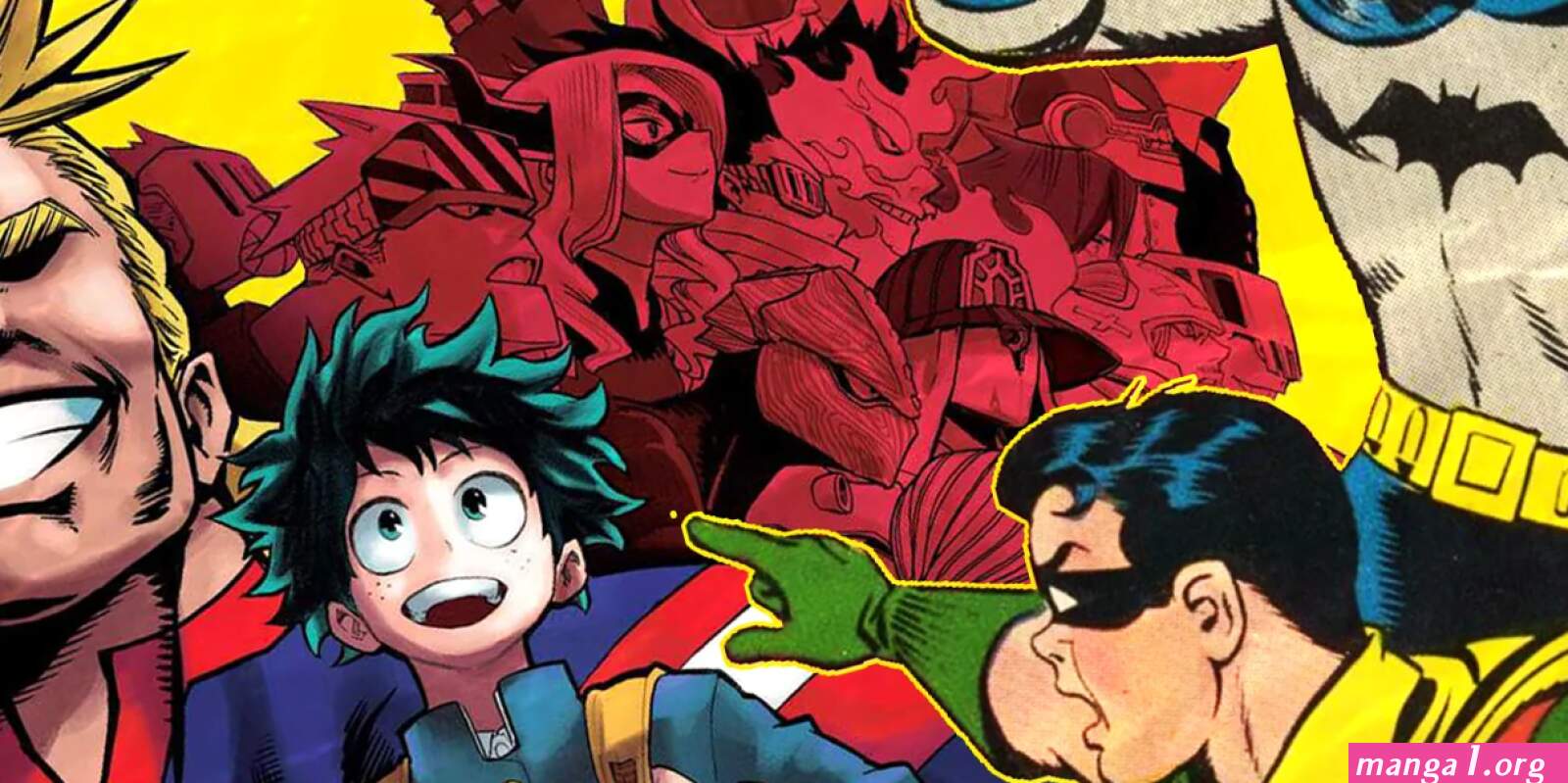
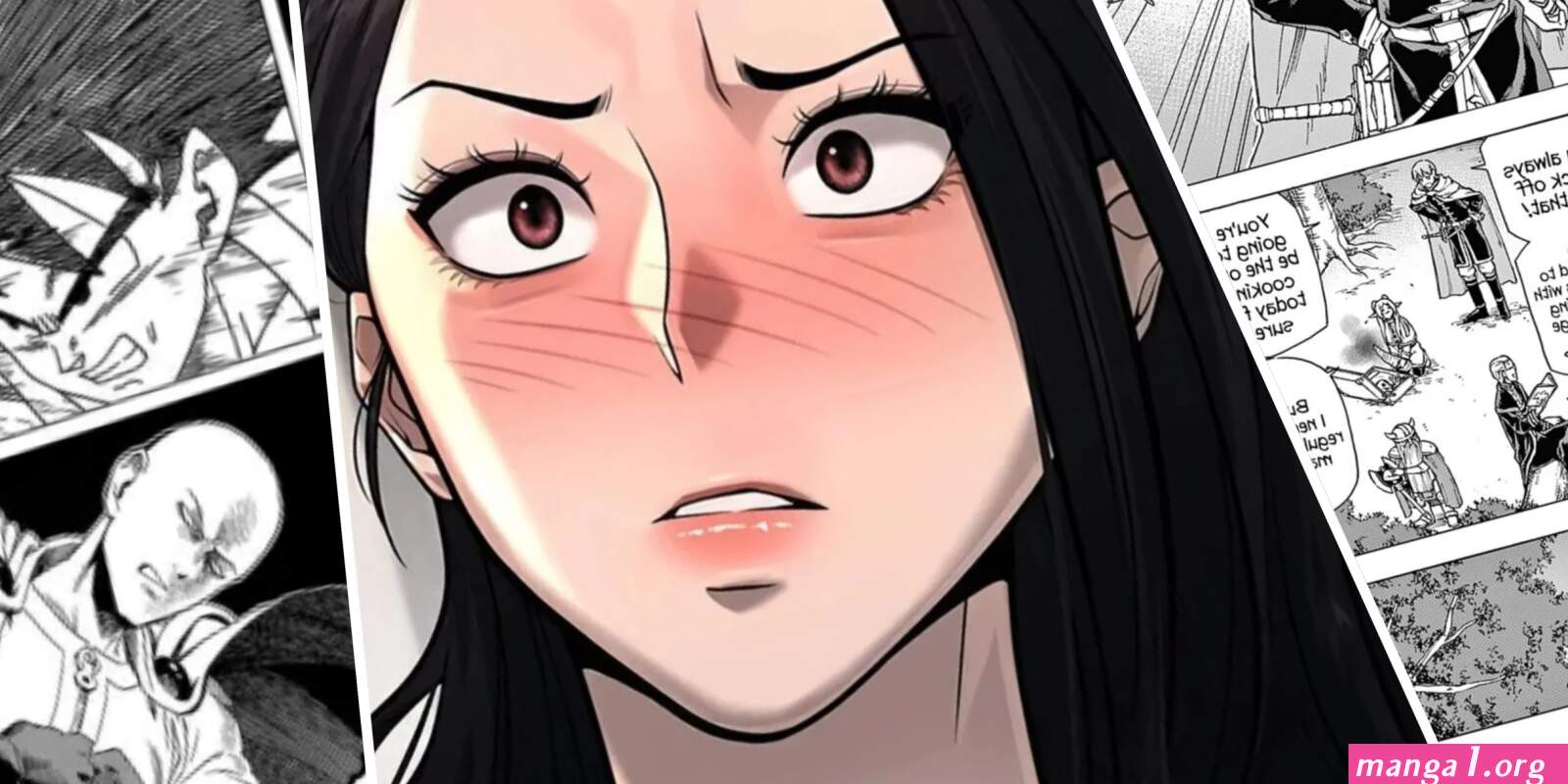
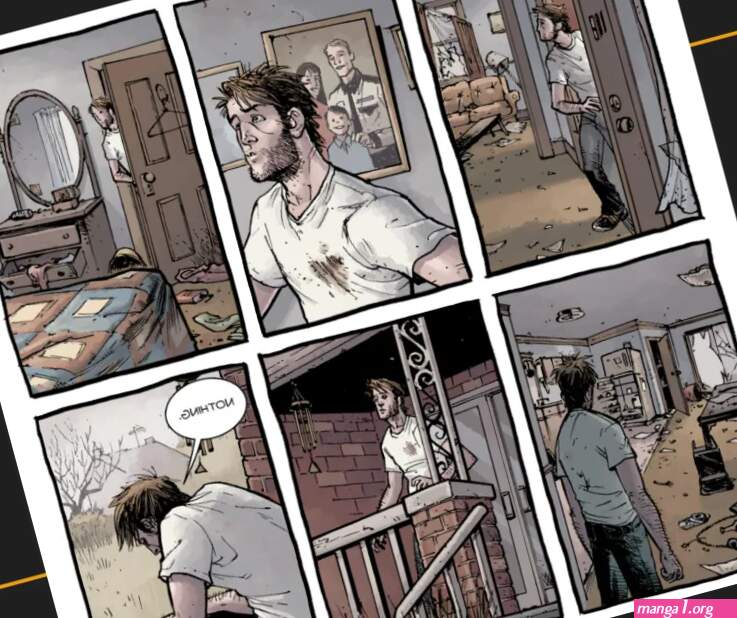
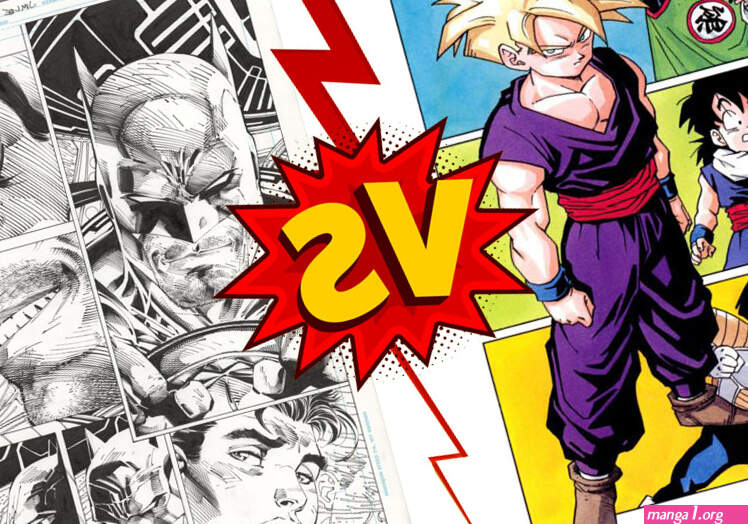
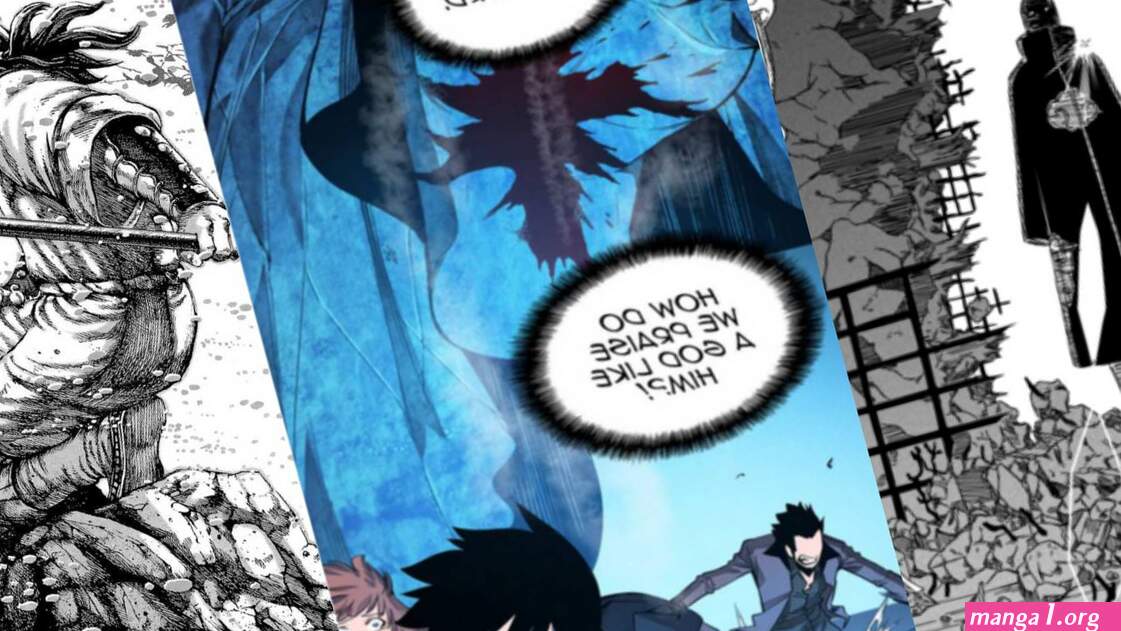
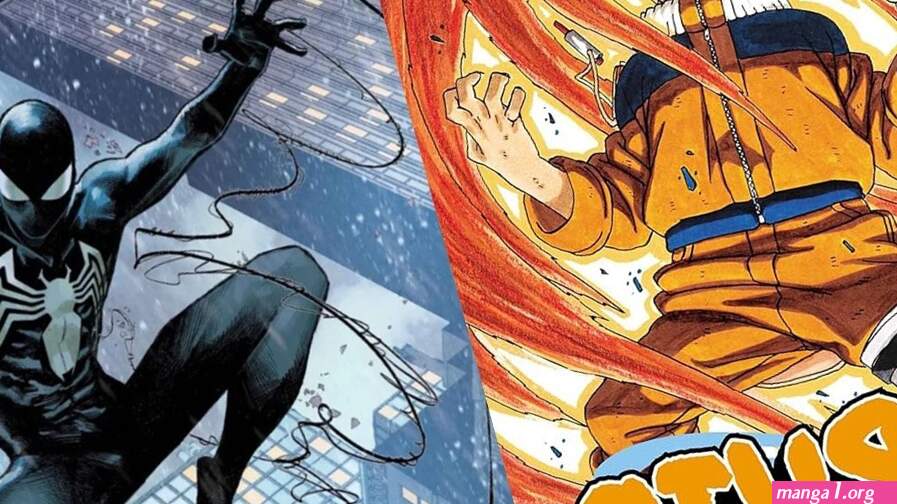
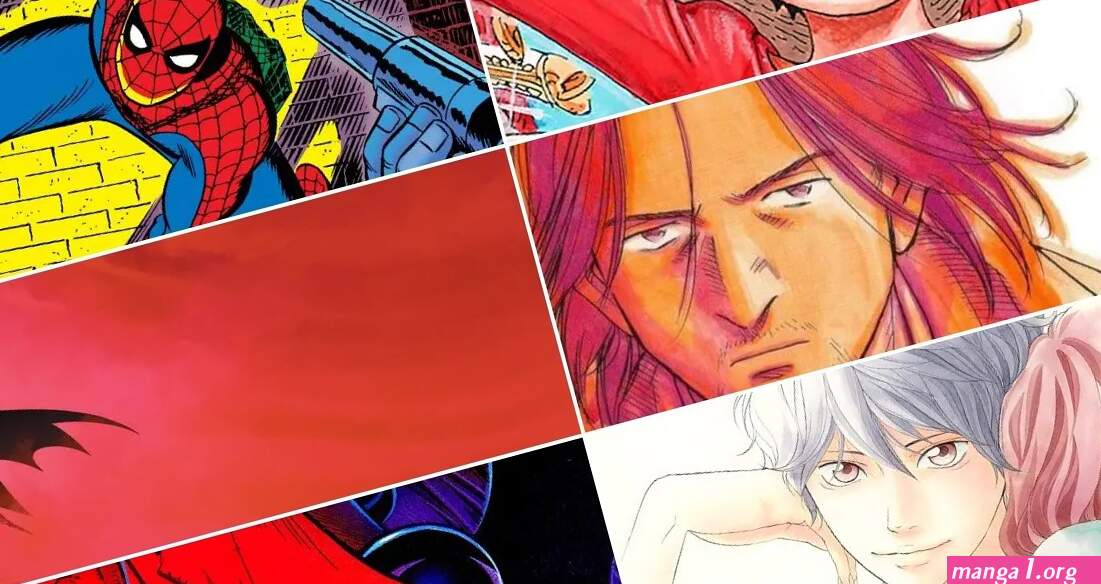
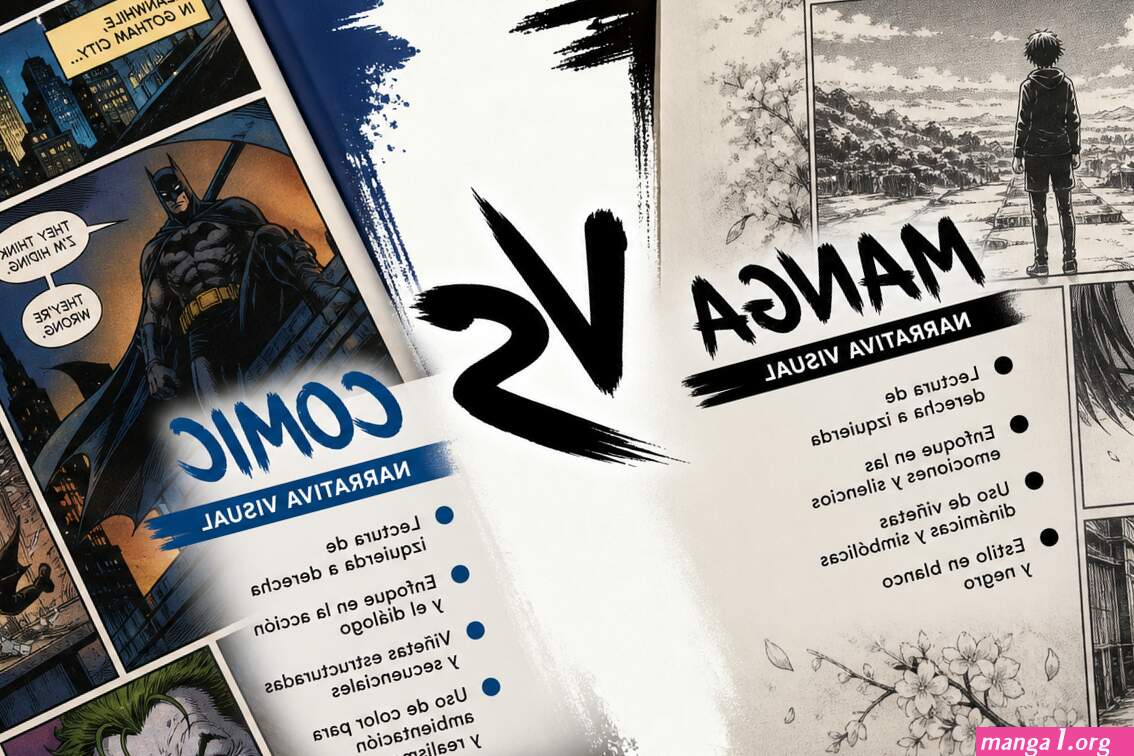
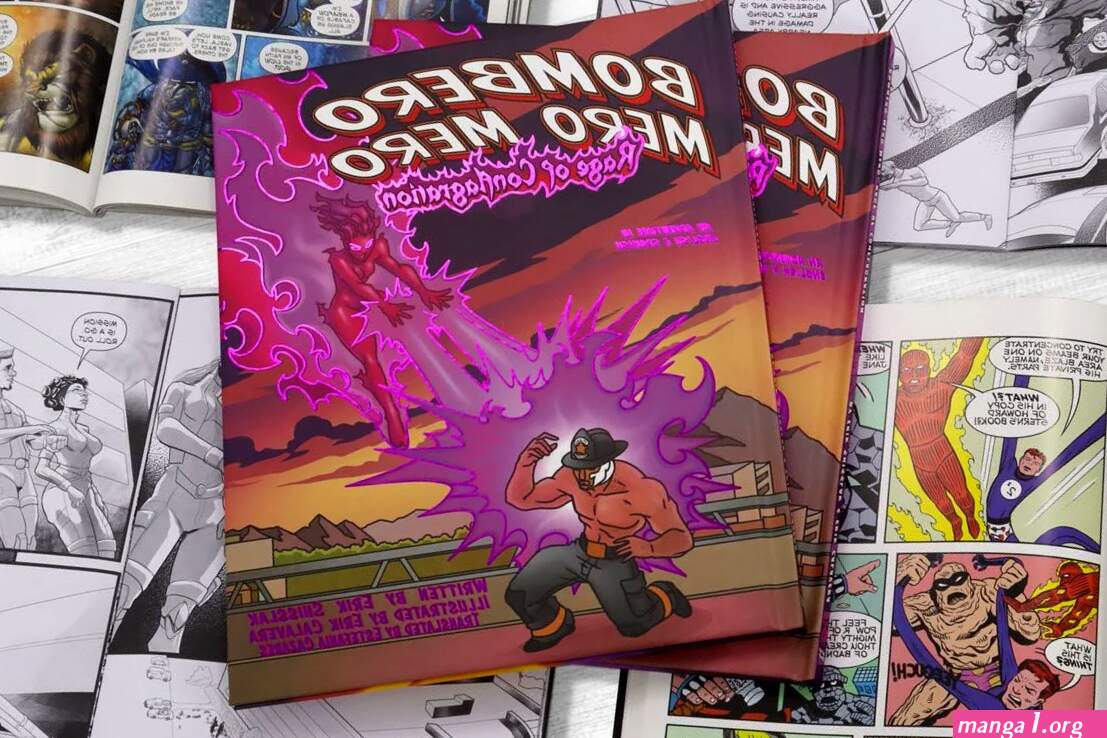
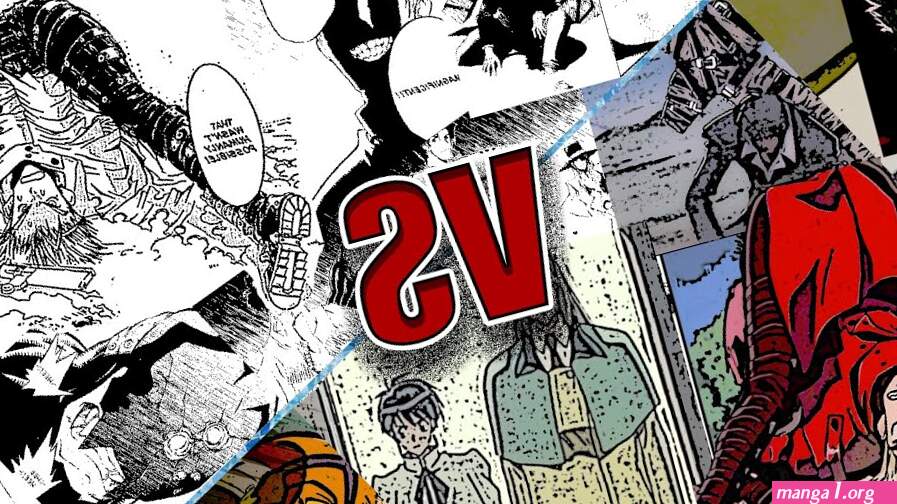
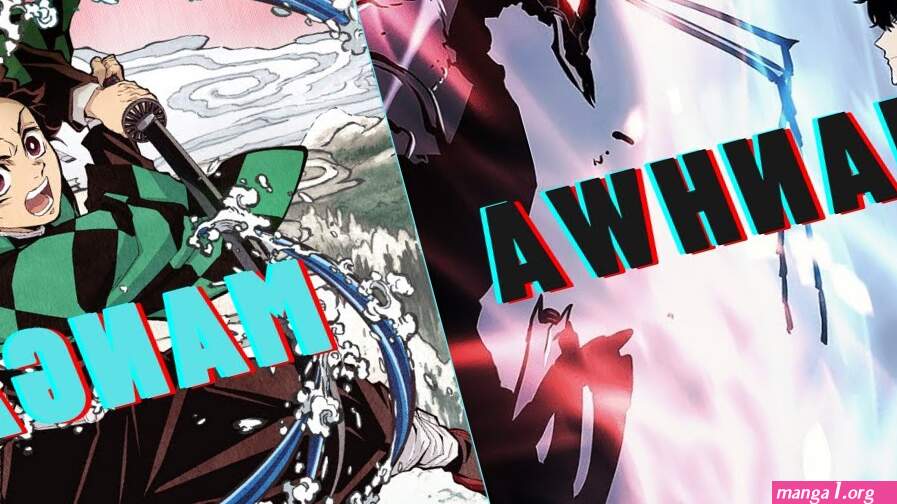
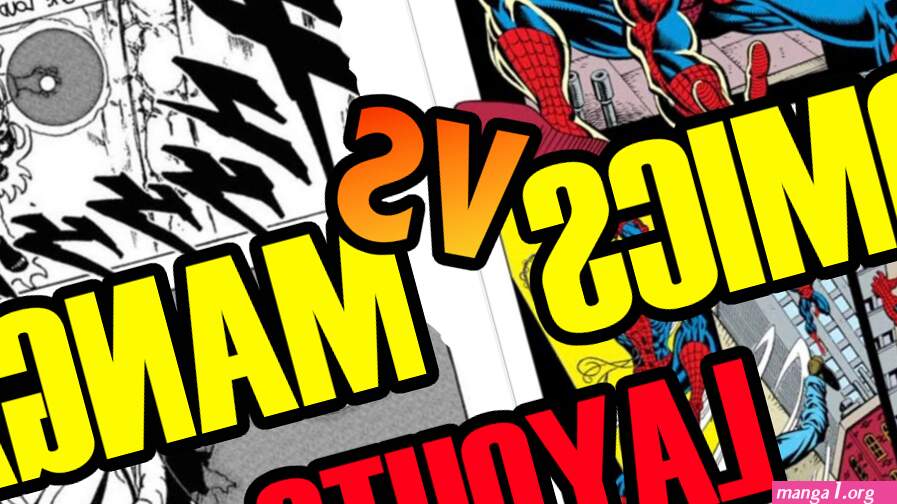
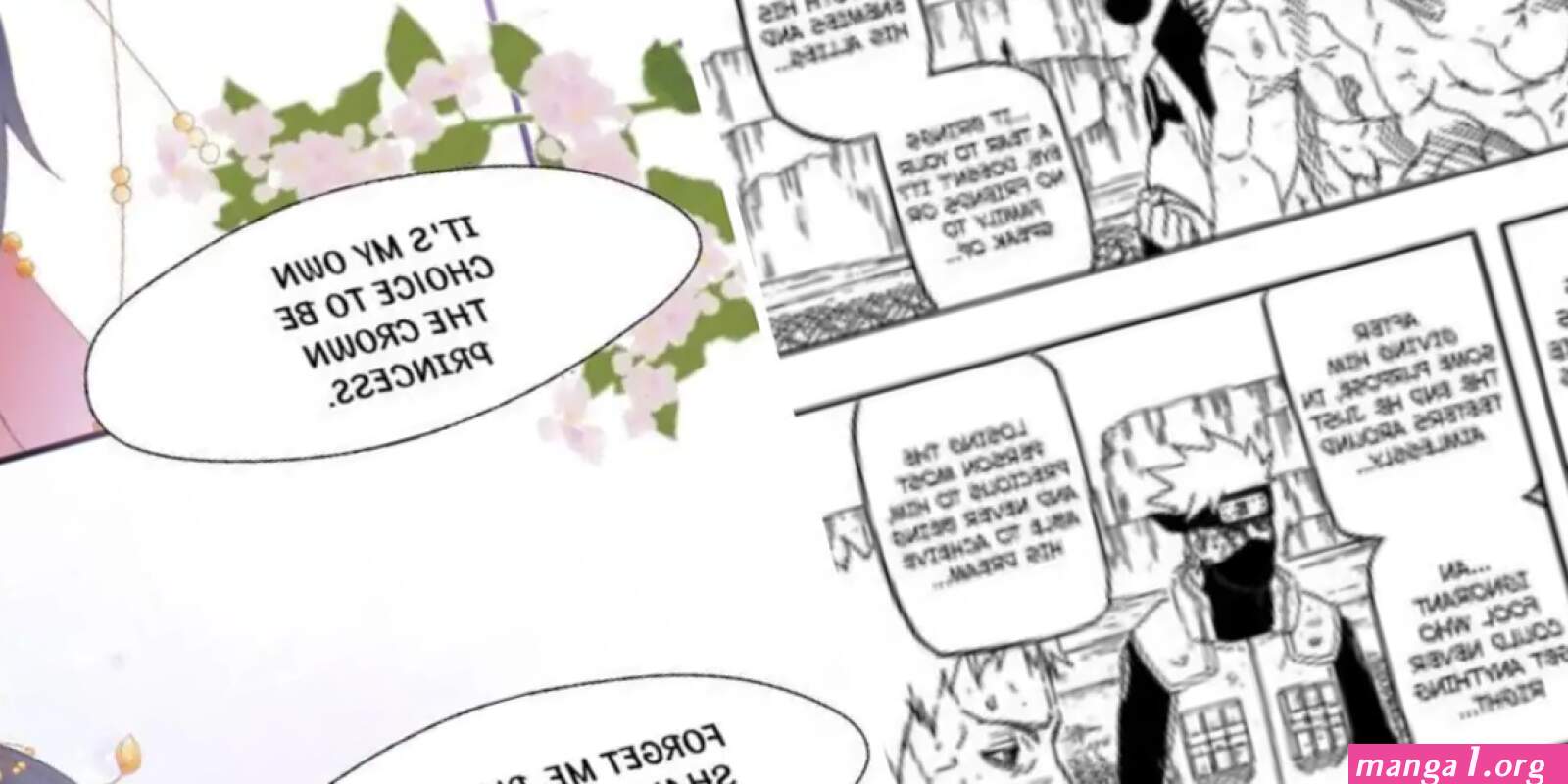
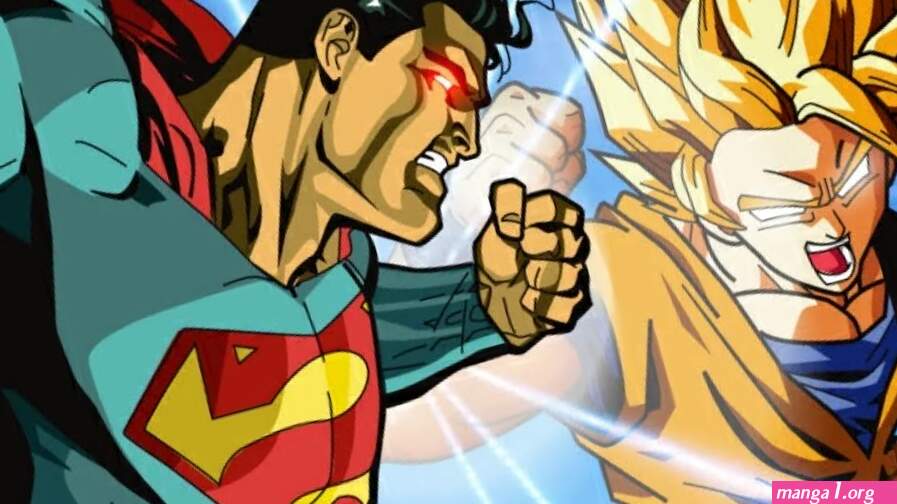
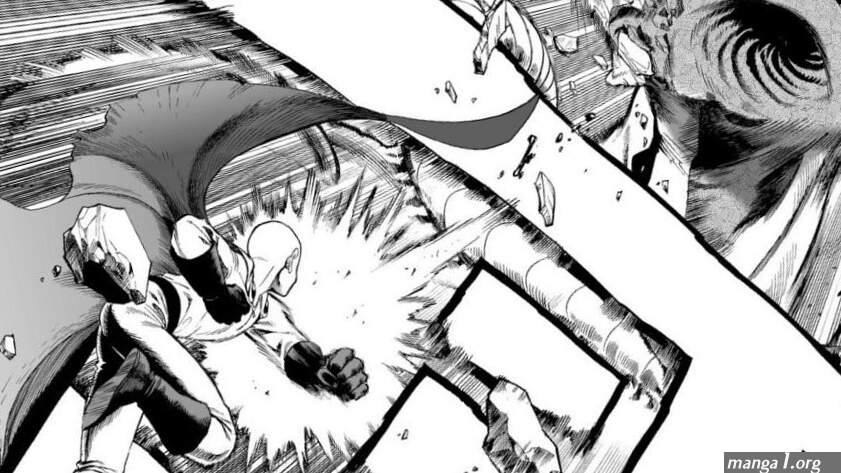
The processes of creation and presentation are also things that represent the difference between manga and comics. As it was just mentioned, manga is published in black and white. But what is also remarkable is that manga is printed on cheap paper like the kind that is used for newsprint. On the contrary, American comics are usually published in full color. There are also some comic books that deserve a nice treatment, which cannot be said about manga.
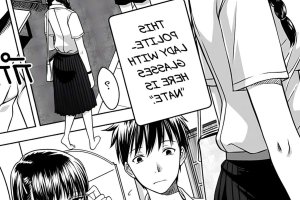
For American comics, it is typical to center the establishing shot with an aim to occupy the first scene in the comic. In manga, on the contrary, the establishing shot is placed at the bottom of the page. Besides, in manga you can see more of a cinematic style that portrays heroes in dramatic angles more in synchronization with a film than comics. In manga, all the scenes are structured frame-by-frame and represent snapshots of the actions and in synchronization with dialogues. In American comics, stories and visuals do not necessarily synchronize with dialogues and visual actions. This is one more difference that should be noted between comics vs manga.
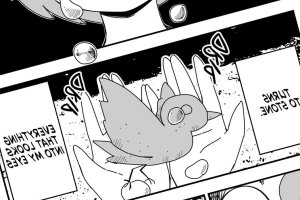
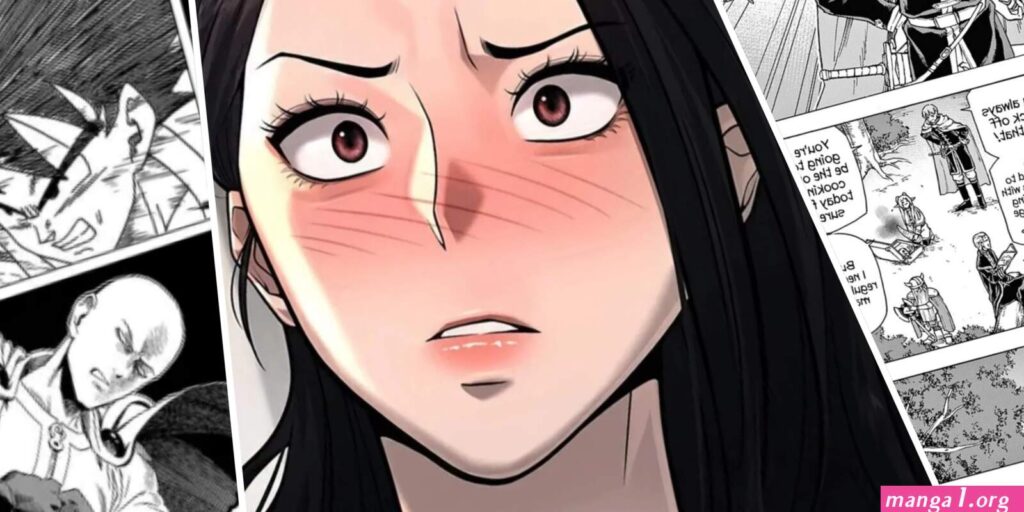
When one asks the biggest difference between manga and western comics’ art styles, it would be the faces. Western comics try to make the human faces look as close to reality as possible, while Manga go for a more rounded appearance, with heavy emphasis on the eyes, which can be a lot fore expressive than in their western counterparts.
A big difference between Manga and western comics is their use of lines to convey actions. I wasn’t able to find a proper image from the blue beetle comic, but most western comics tend to just put a few lines behind the character while they move, while a manga can but several lines all across their character to emphasize their movement.
And the obvious difference between western comics and Manga is the use of color. While in the west you’ll find every panel of a western comic full of vibrant colors to convey the setting, Manga will instead try to get its point across through inking and shadows to give an impression of color.