Dash dunk manga
Gallery
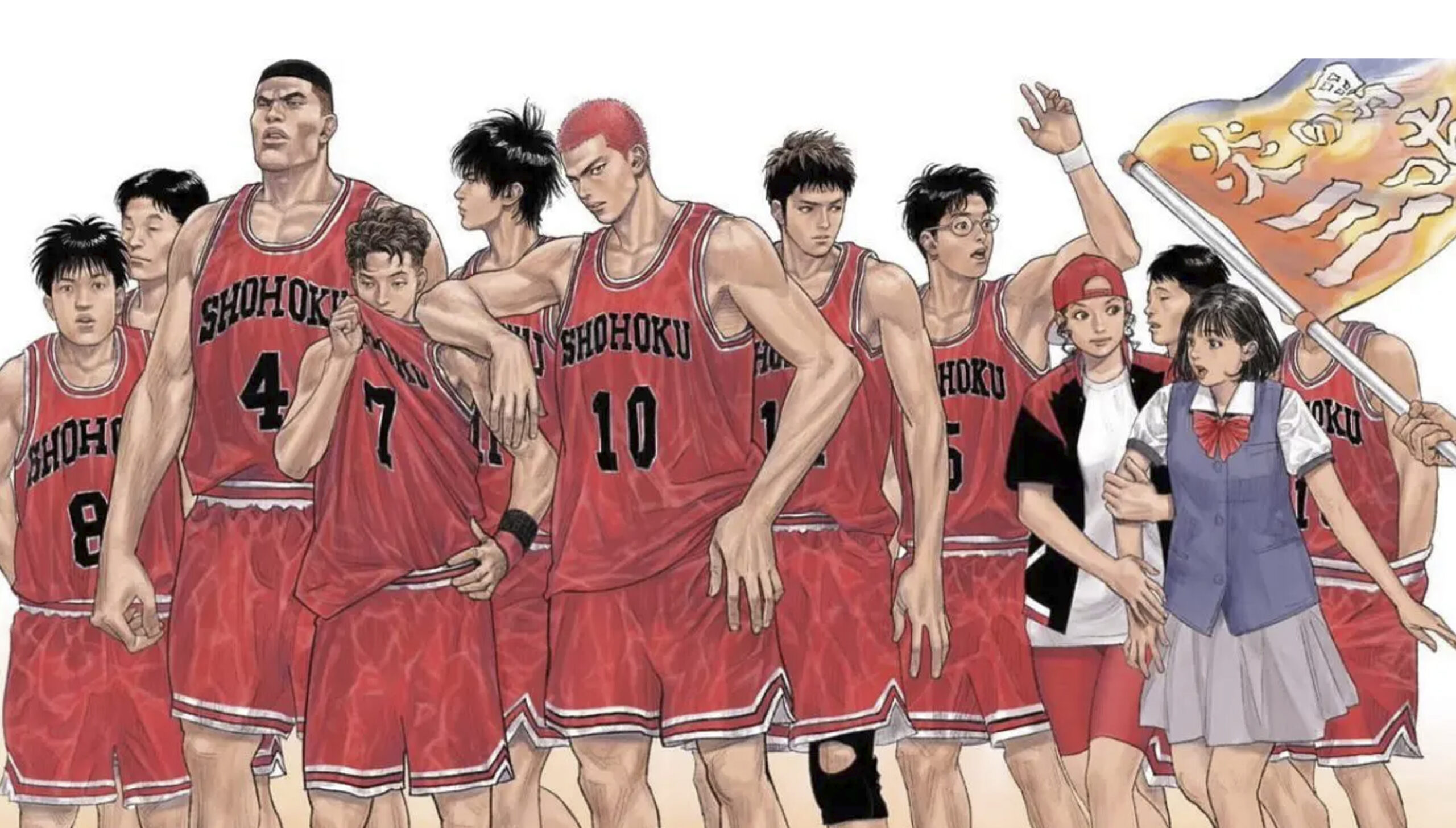
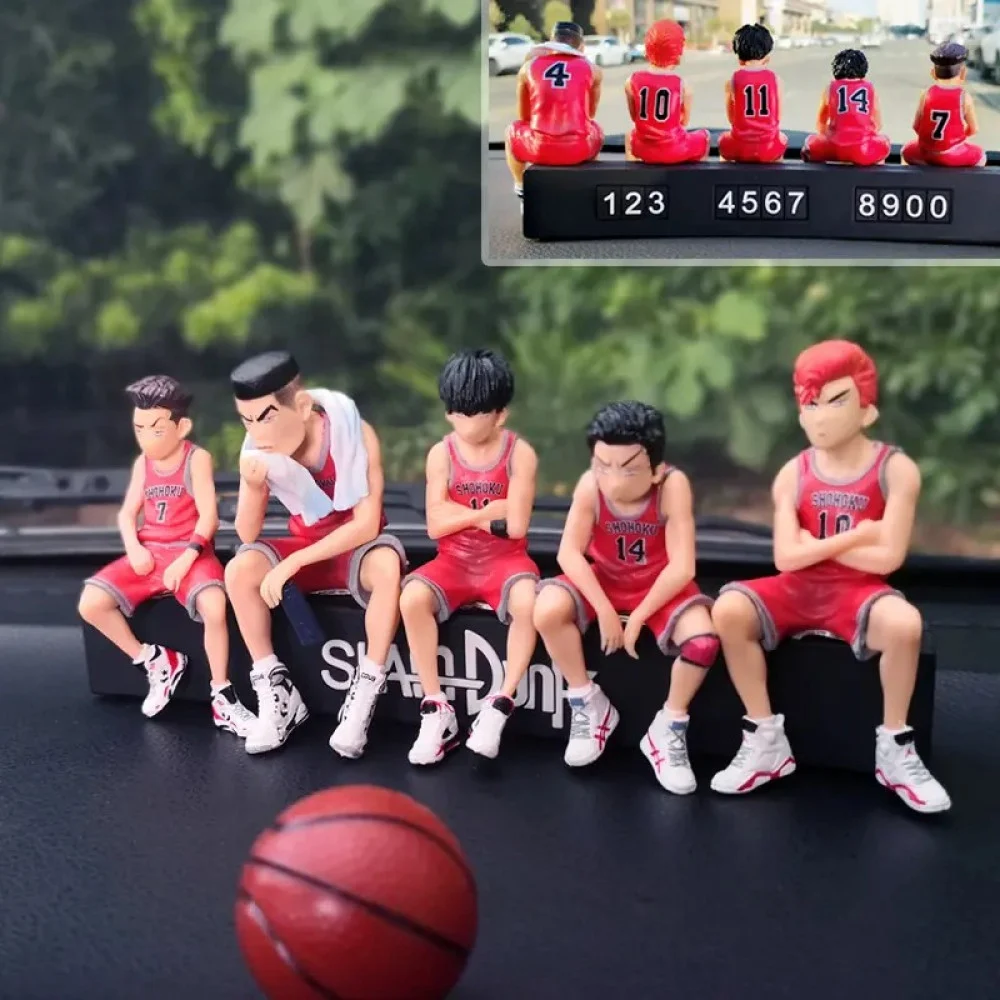
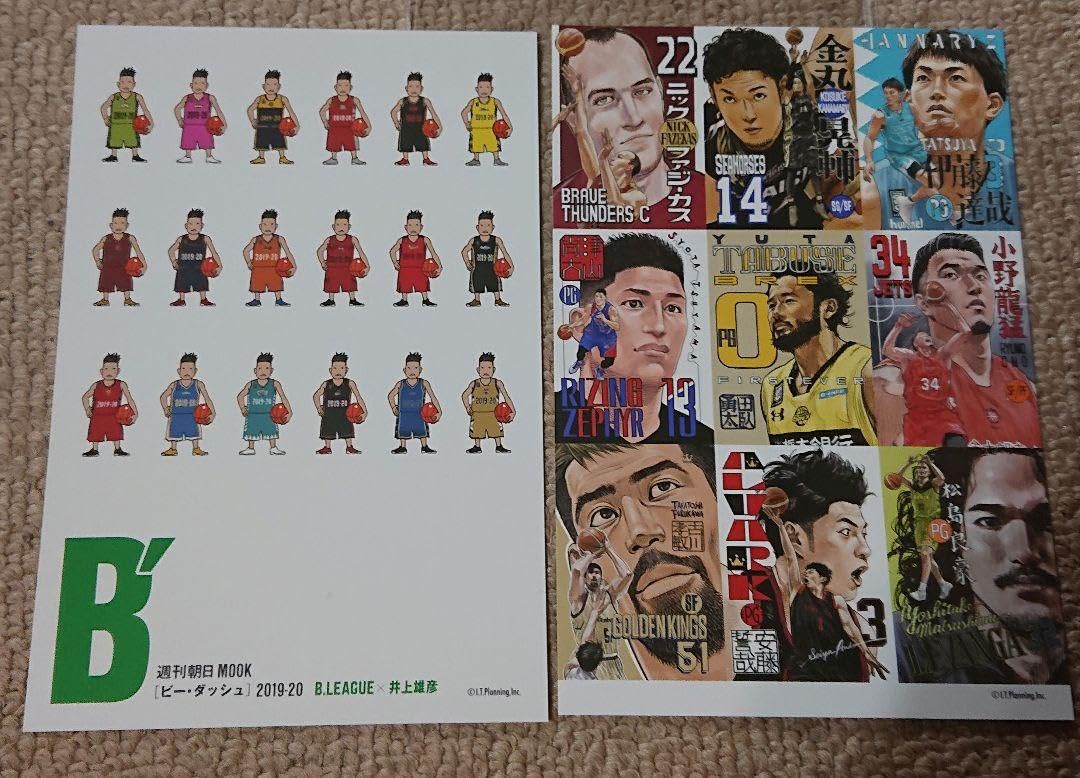
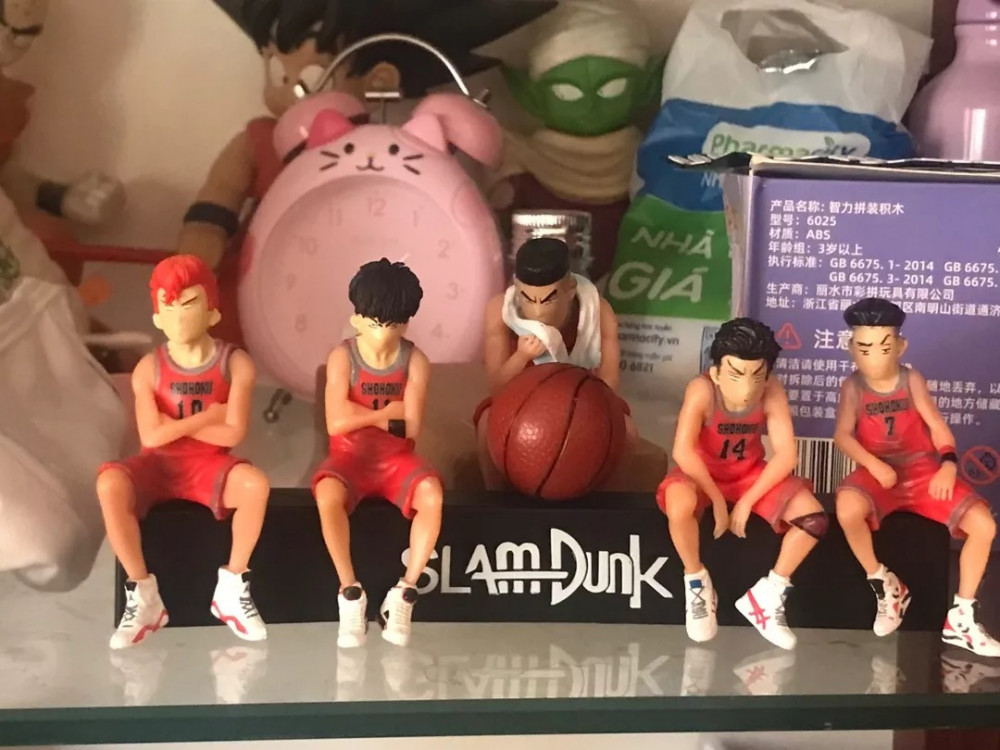
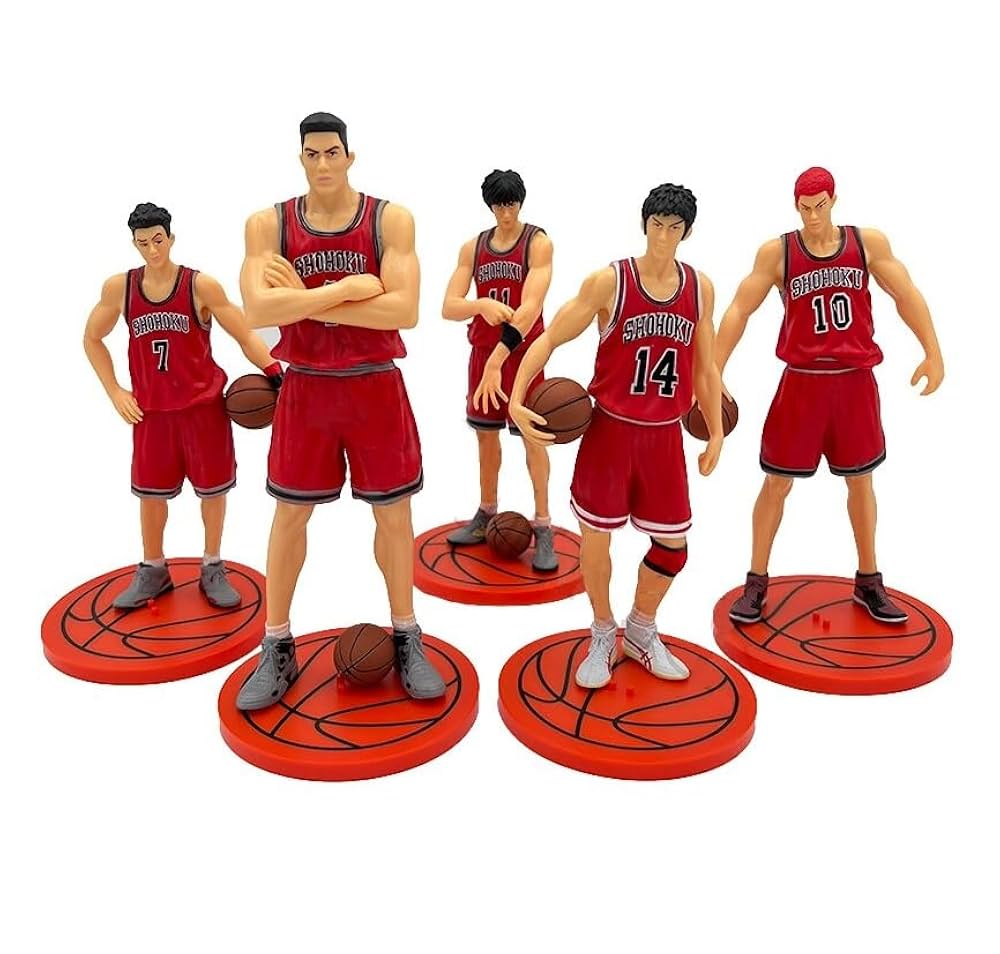
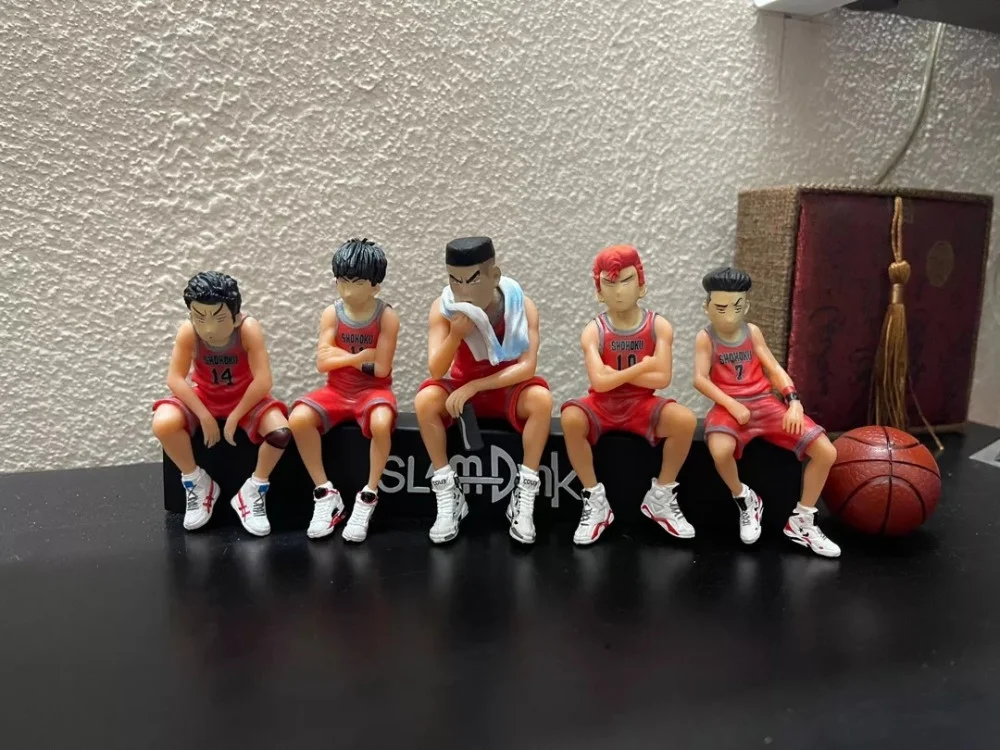
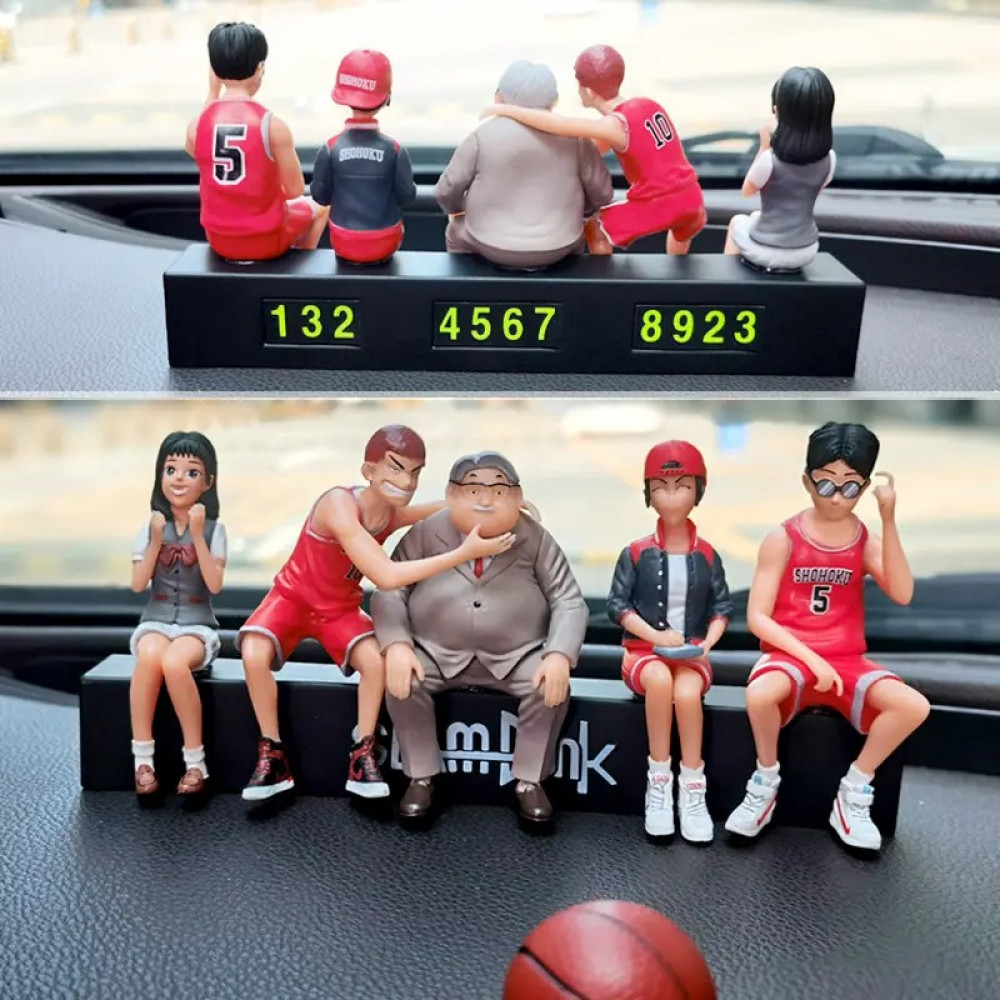
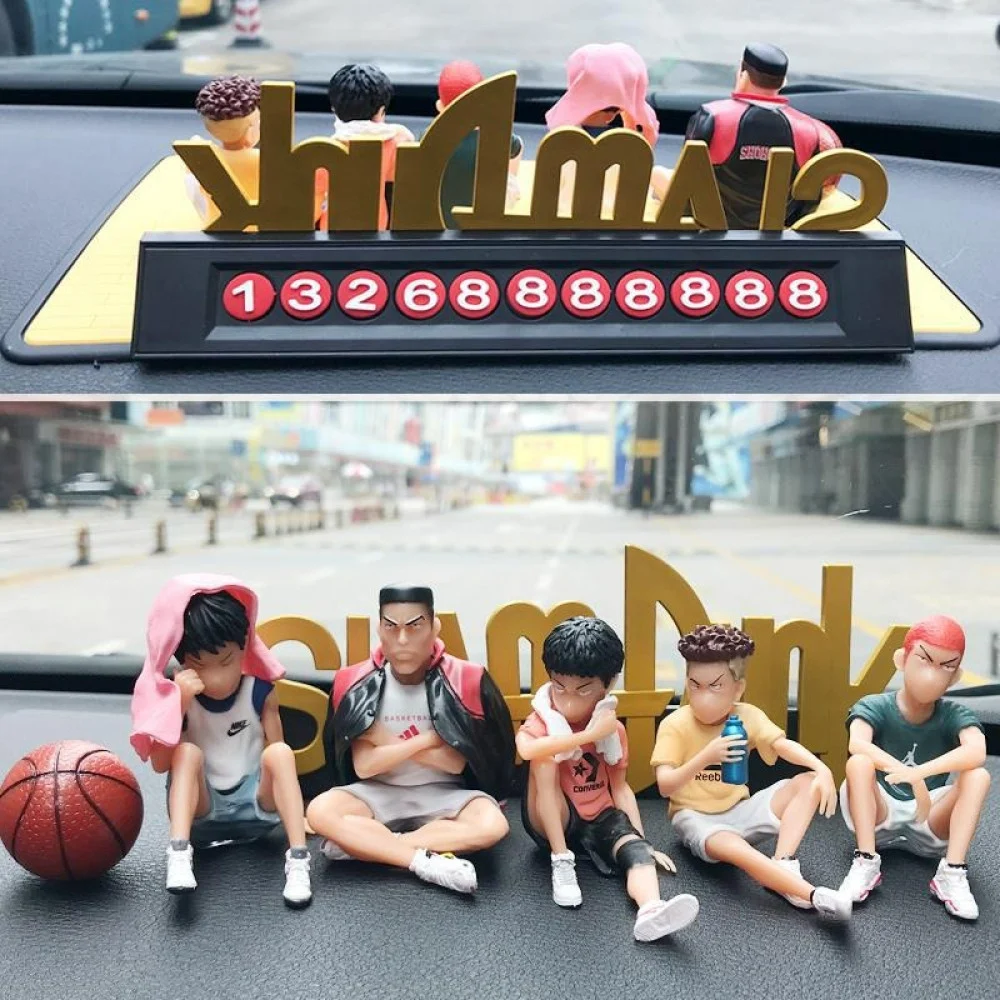
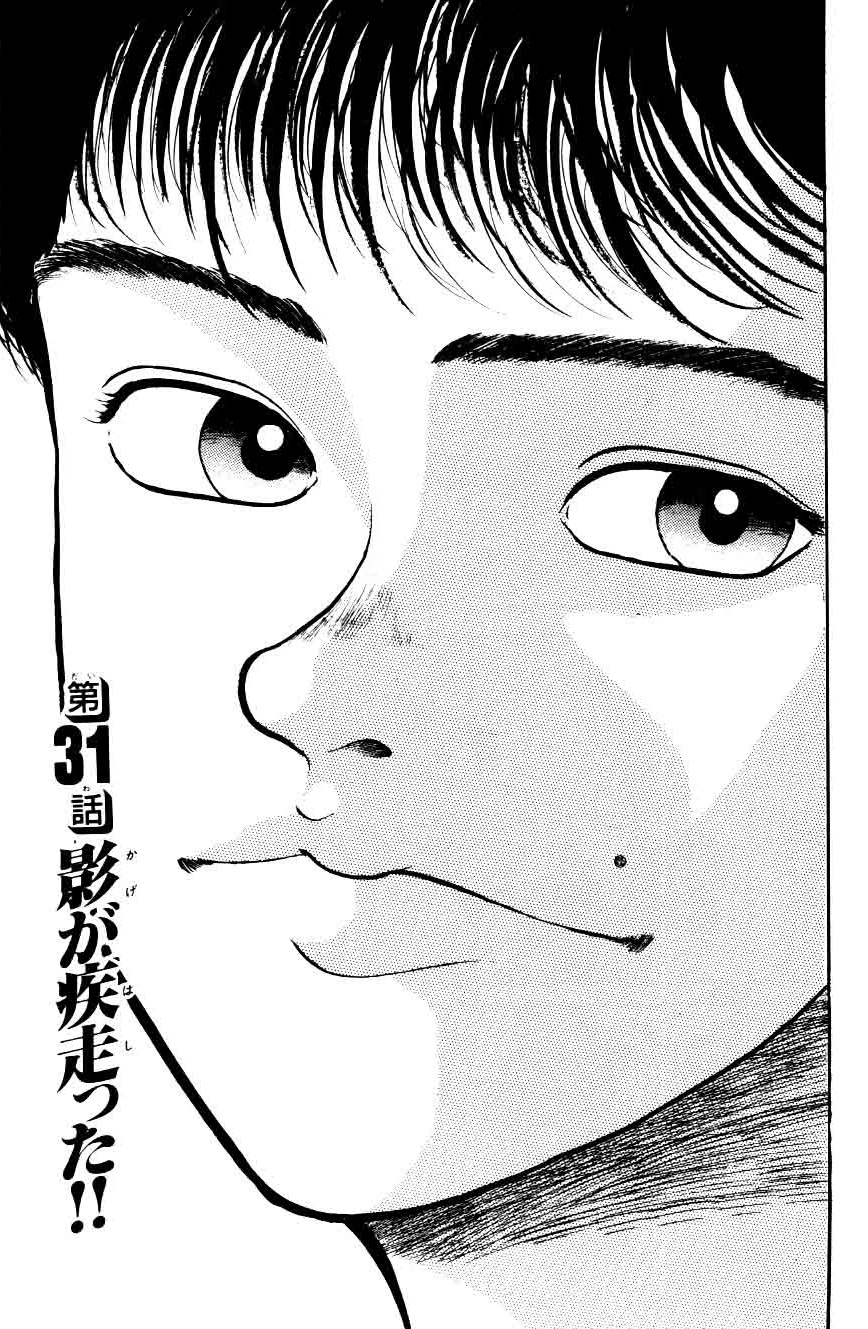
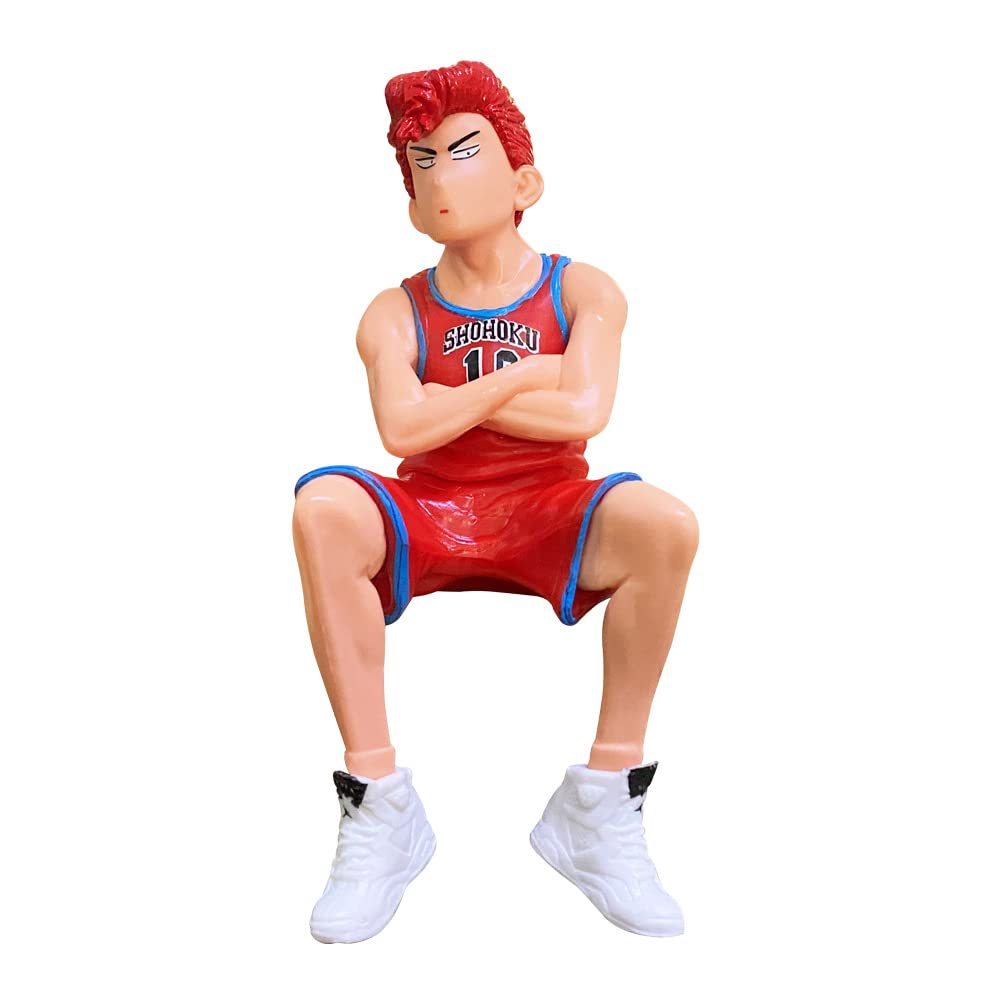
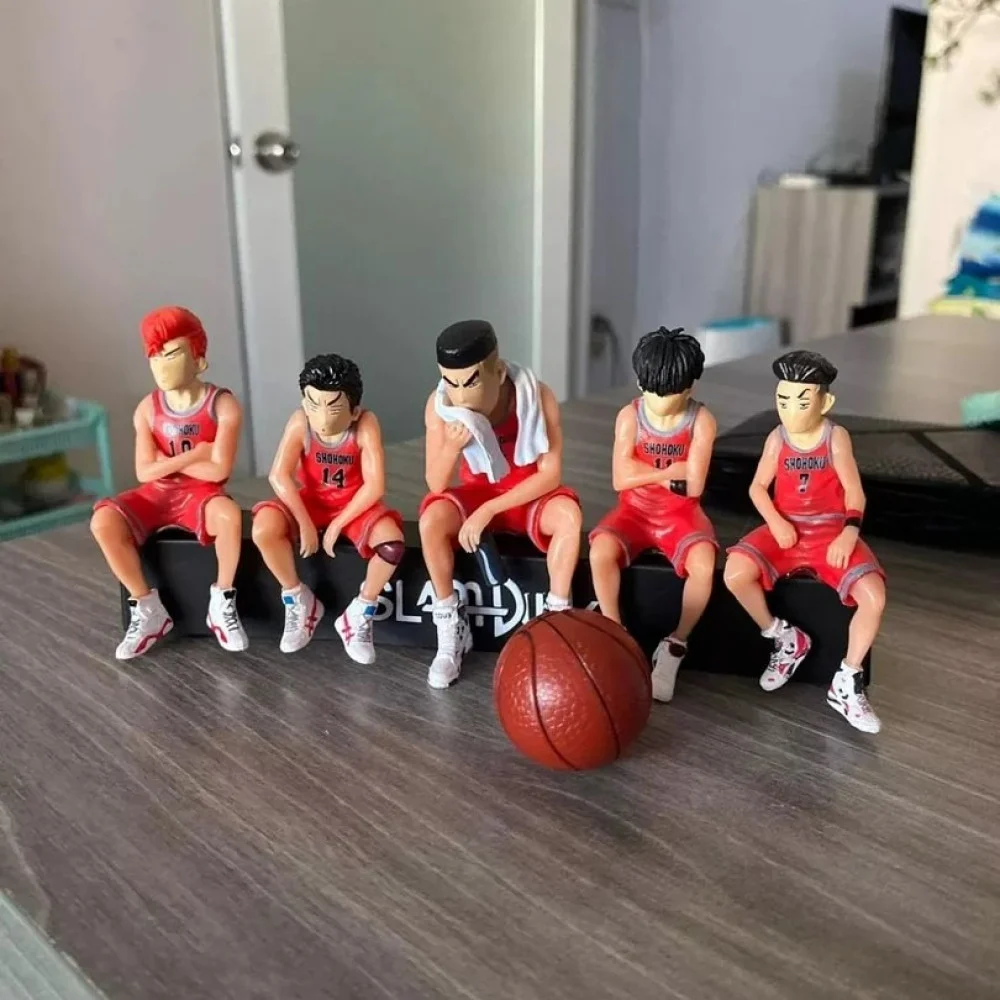
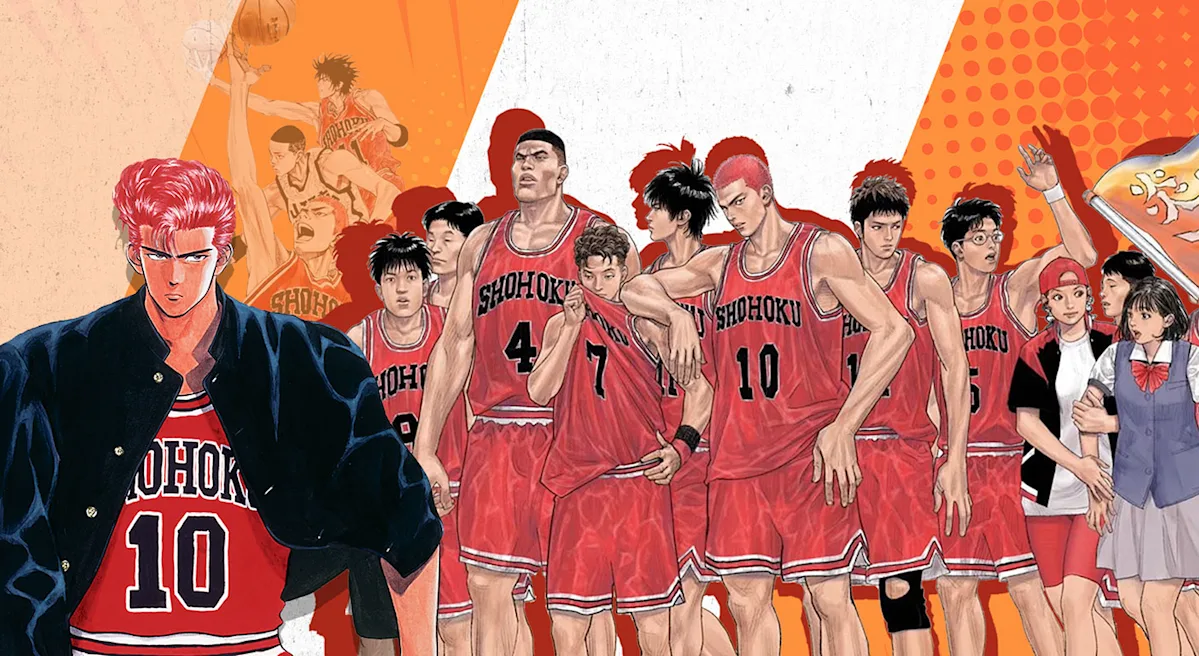
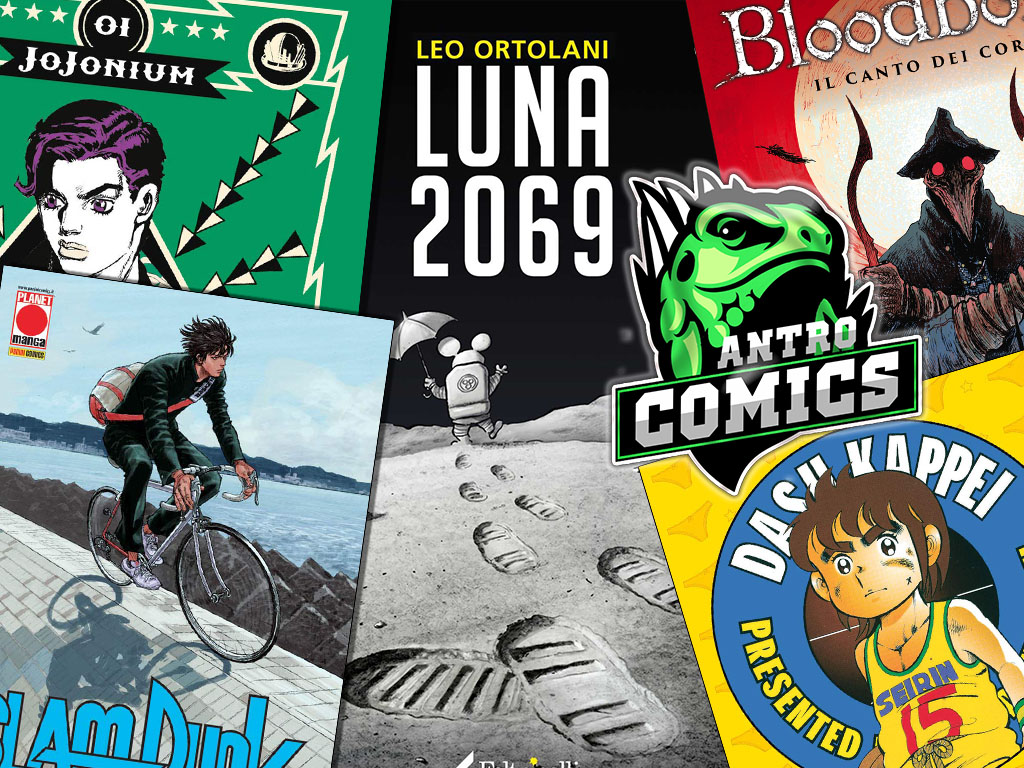
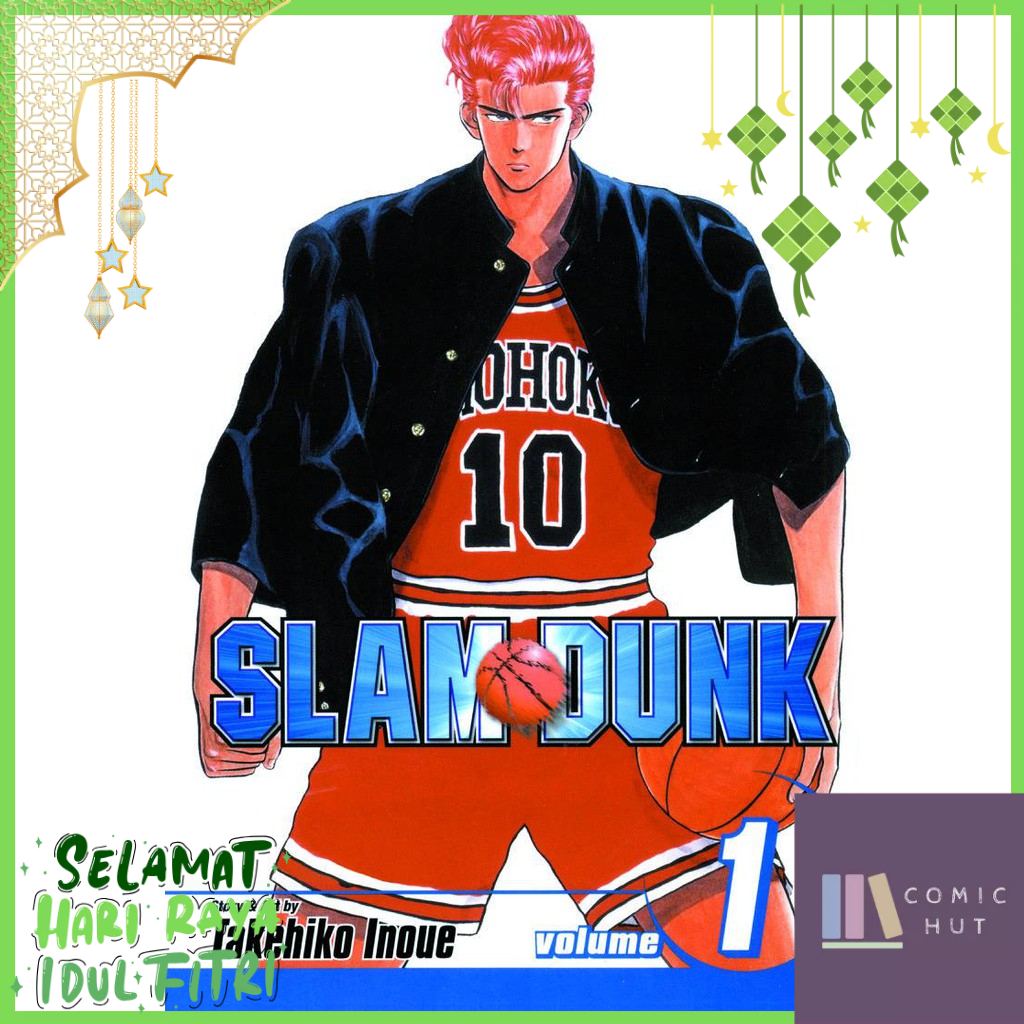
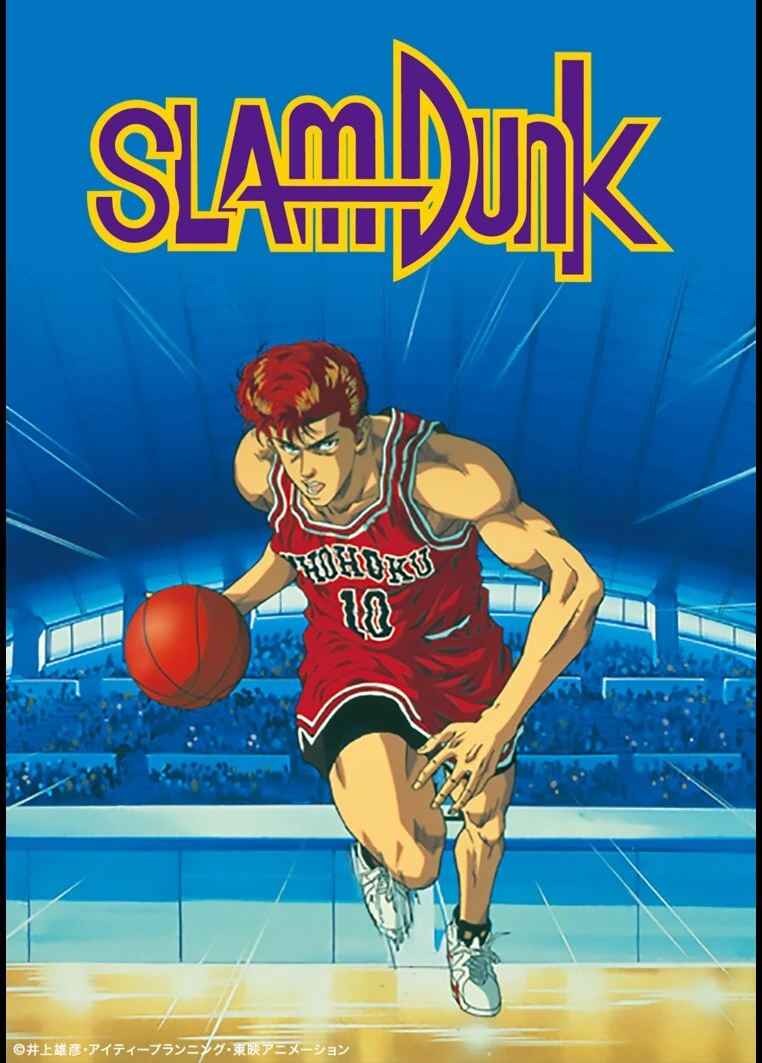
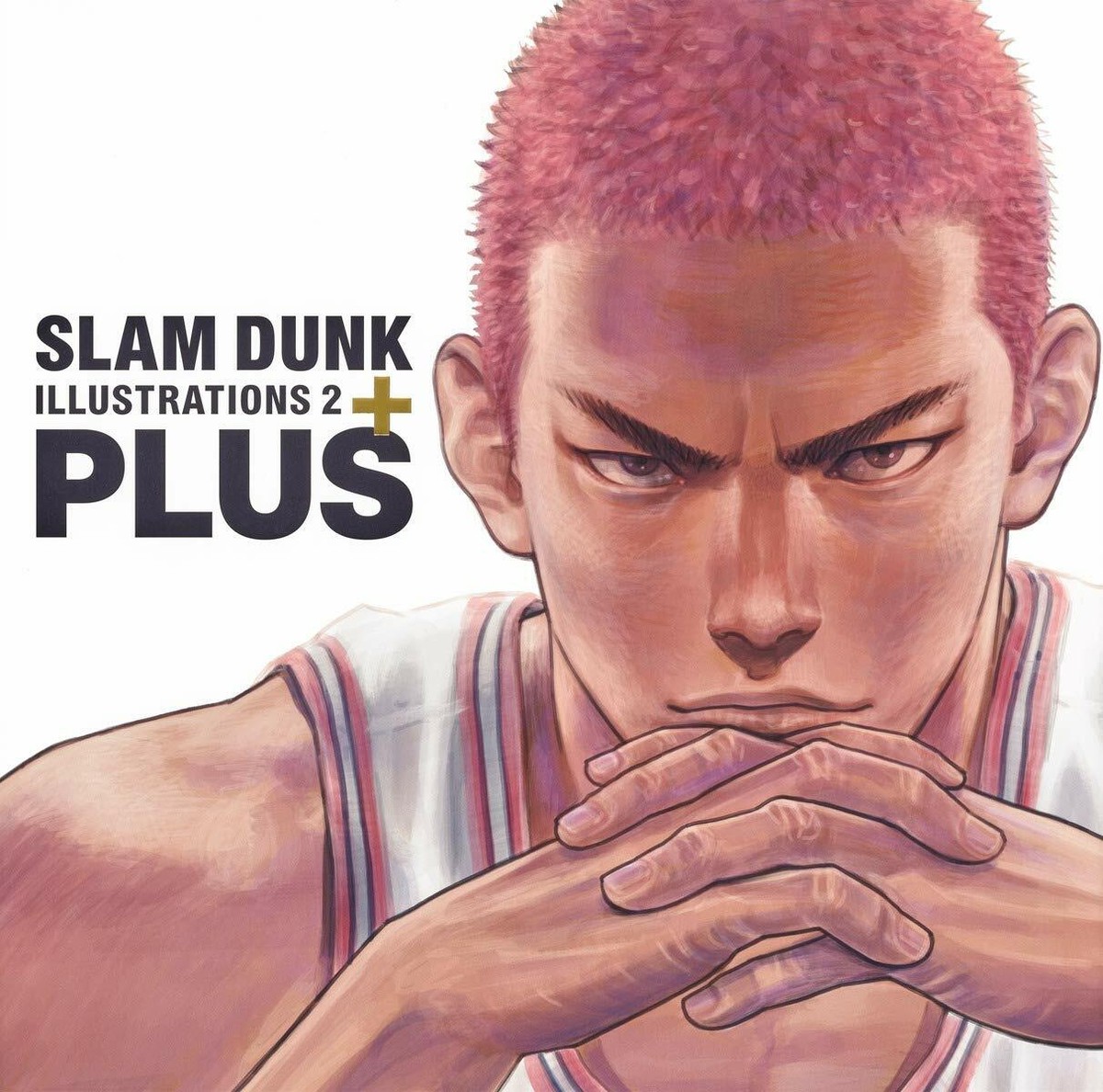
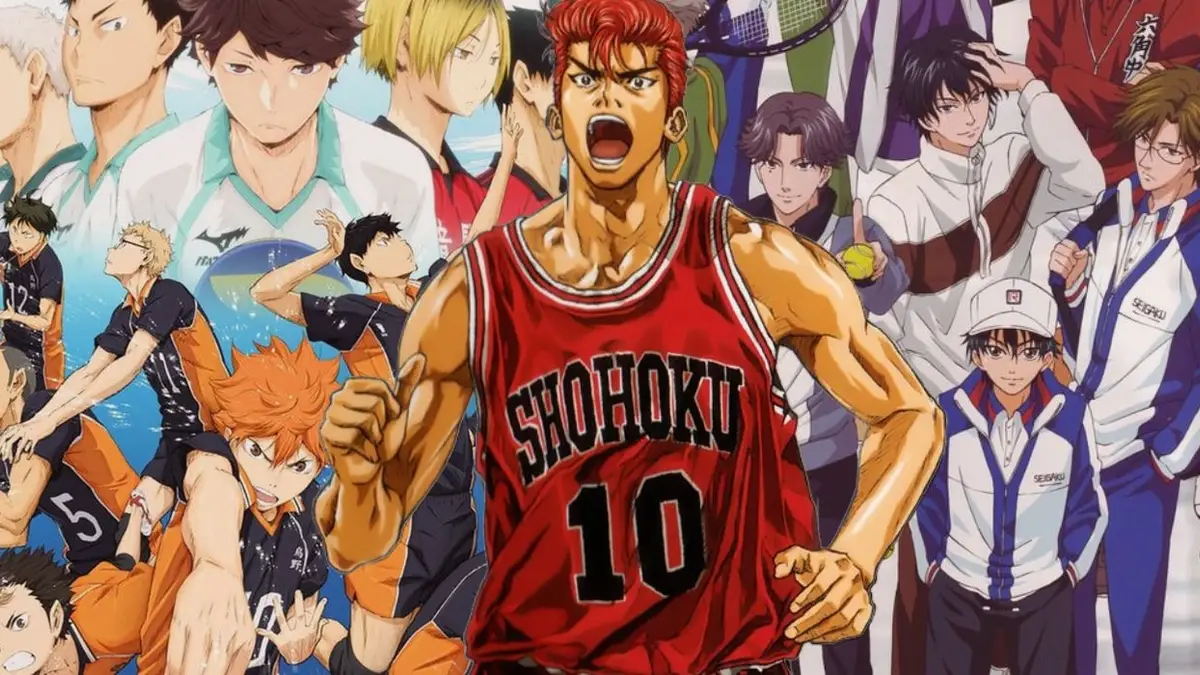
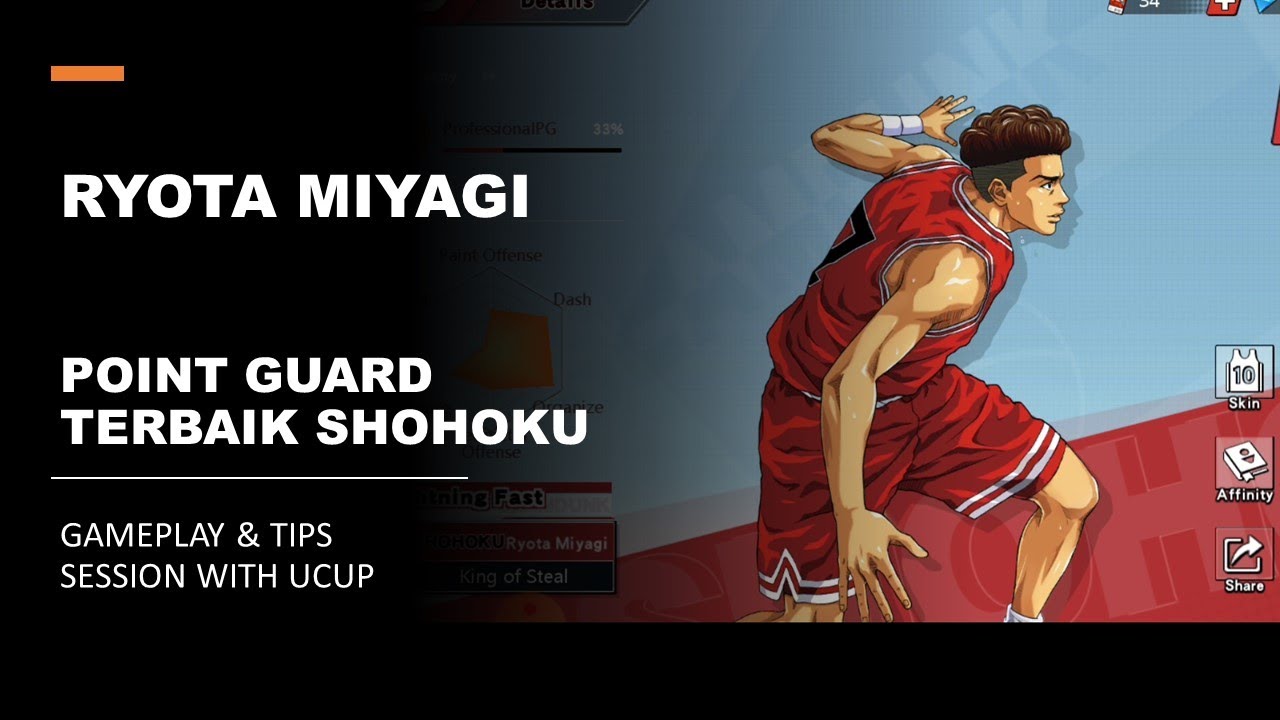
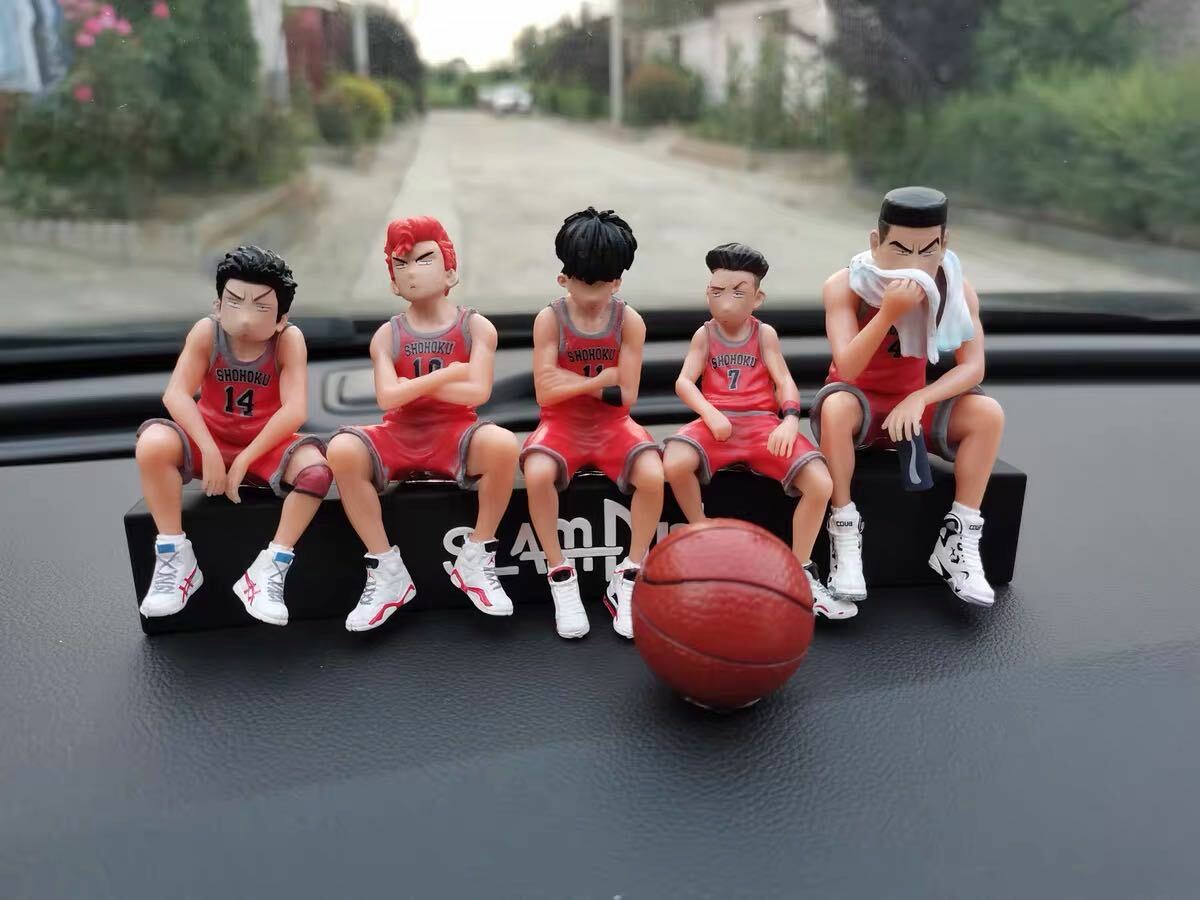
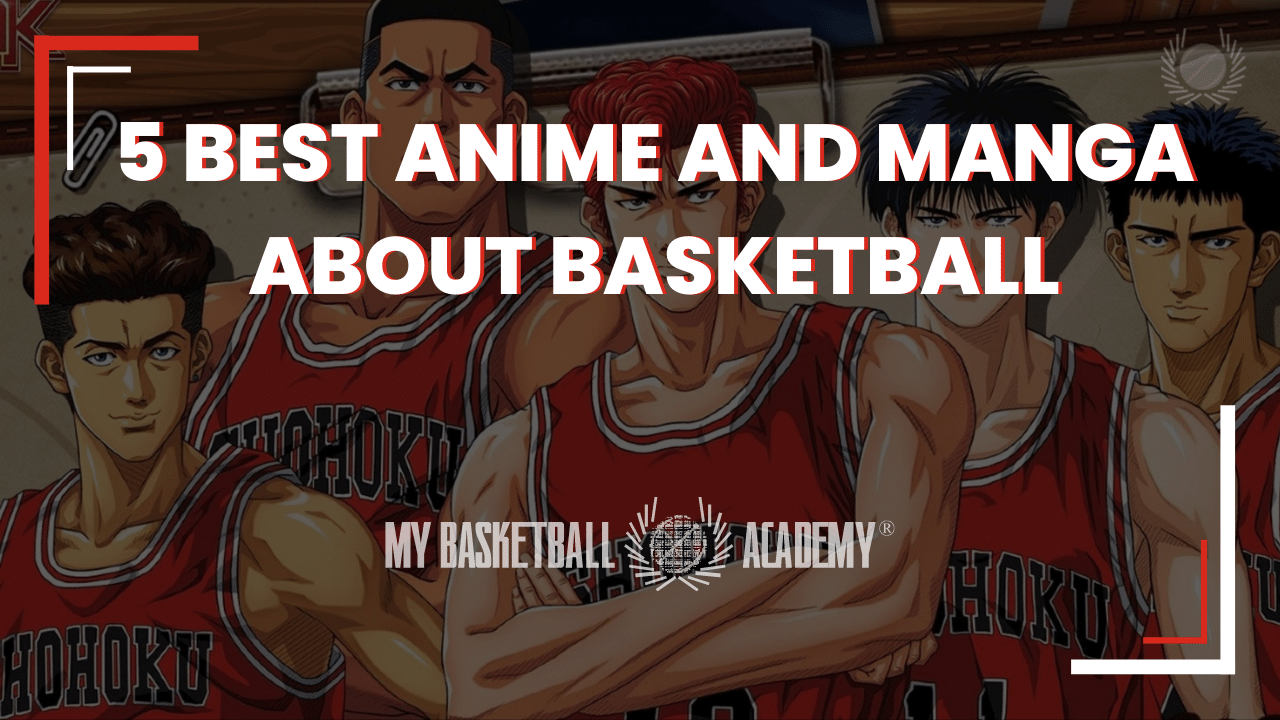
Realism in Slam Dunk is not limited to the narrative, but finds its main expression in the art style. Inoue avoided the cartoonish sport depictions of manga like Dash Kappei – whose approach to basketball was only comedic. Instead he took inspiration from real-life games and players of American basketball. For example, Sakuragi’s position as power forward and his fiery red hair are a direct nod to Dennis Rodman. Even the Shohoku red and white jerseys take after those of the Chicago Bulls. As a consequence, his art style evolved as well: going from a simpler to a hyper-realistic style that encapsulates the physical effort and motion of its characters. Much like in Miyazaki’s series , the rendering and detail improve in each chapter. And so does the storytelling, with ever-more complex and engaging games.
Takehiko Inoue himself started playing basketball in school, soon becoming an avid fan. When he began creating Slam Dunk, his editor at Shonen Jump tried to discourage him. The consensus was that the subject would not appeal to young Japanese readers – yet Inoue’s approach proved successful. By opening his story with an inexperienced protagonist learning the basics of the game, so does the reader. The manga keeps on introducing rules and techniques throughout the story, allowing the audience to appreciate its intricacies. A beginner-friendly approach that won over the public, sparking a wave of newfound interest towards the sport.
In a manga about sport, narrative rhythm is as crucial as art in portraying the action. Slam Dunk’s fast pace is a testament to it. Moving from dribble to pass and to shoot to dunk, the panel structure recreates the feeling of a real game. Moreover, it does so while keeping the action clear and easy-to-follow, never losing the flow.
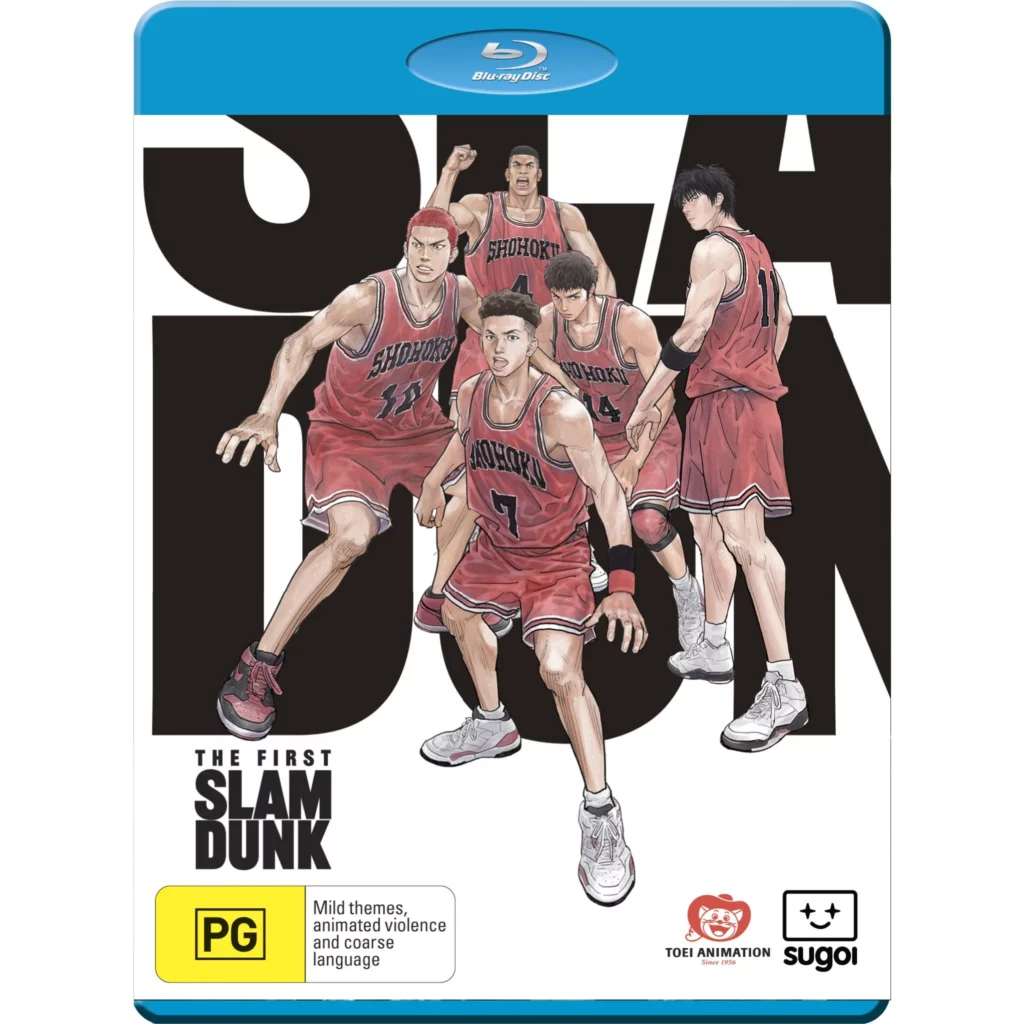
Slam Dunk not only set the bar for sport manga to come, but also popularized basketball in Japan. In fact, Inoue promoted a scholarship to allow Japanese students to go to the US, a chance to become professional players. The series received an anime adaptation and five animated films by Toei Animation. In particular, , was a global success and won the Nihon Academy Award for best animated movie.
Through Sakuragi’s lens, the manga explores his journey from basketball novice to someone who eventually falls in love with the sport. Through 276 chapters collected over 31 volumes, Slam Dunk introduced some of the most iconic characters and storylines I’ve ever read in manga form.