Mangalore
Gallery
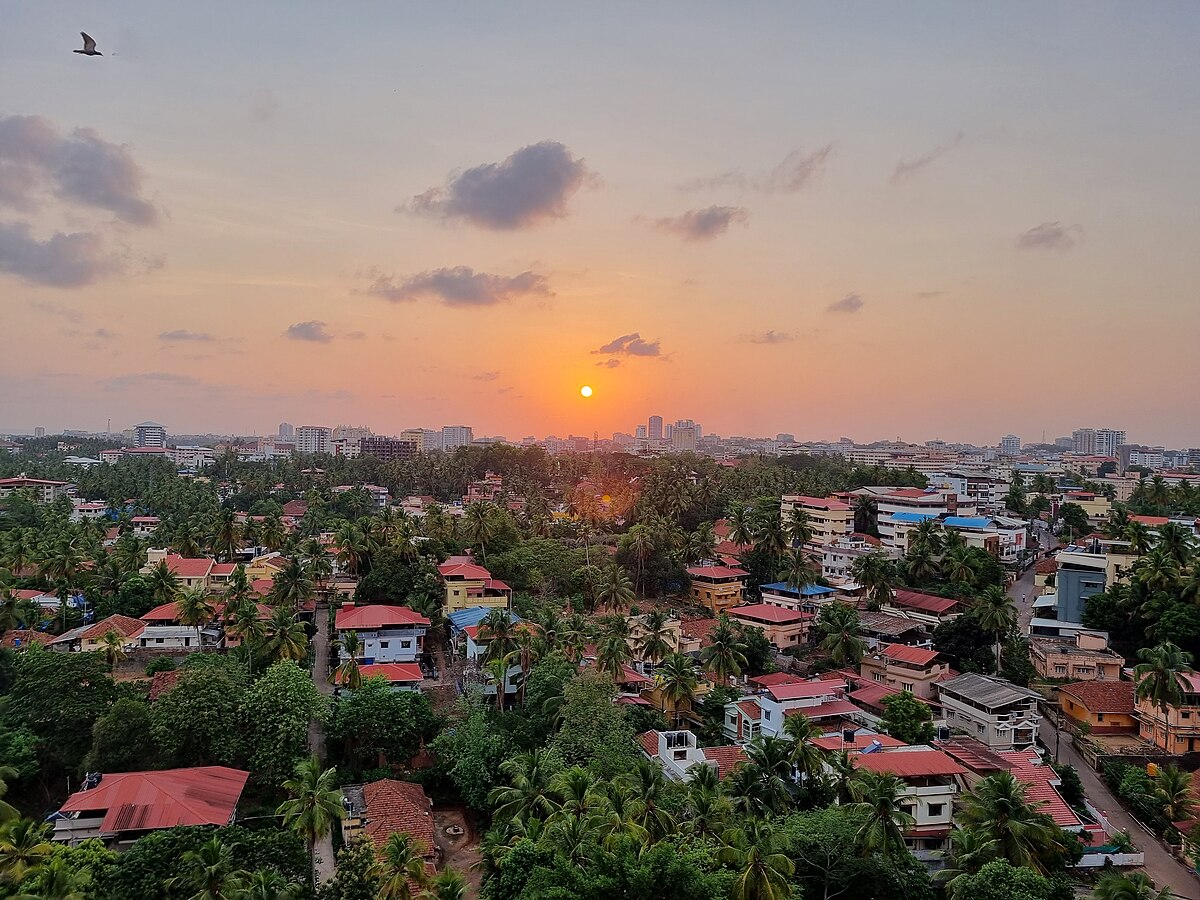
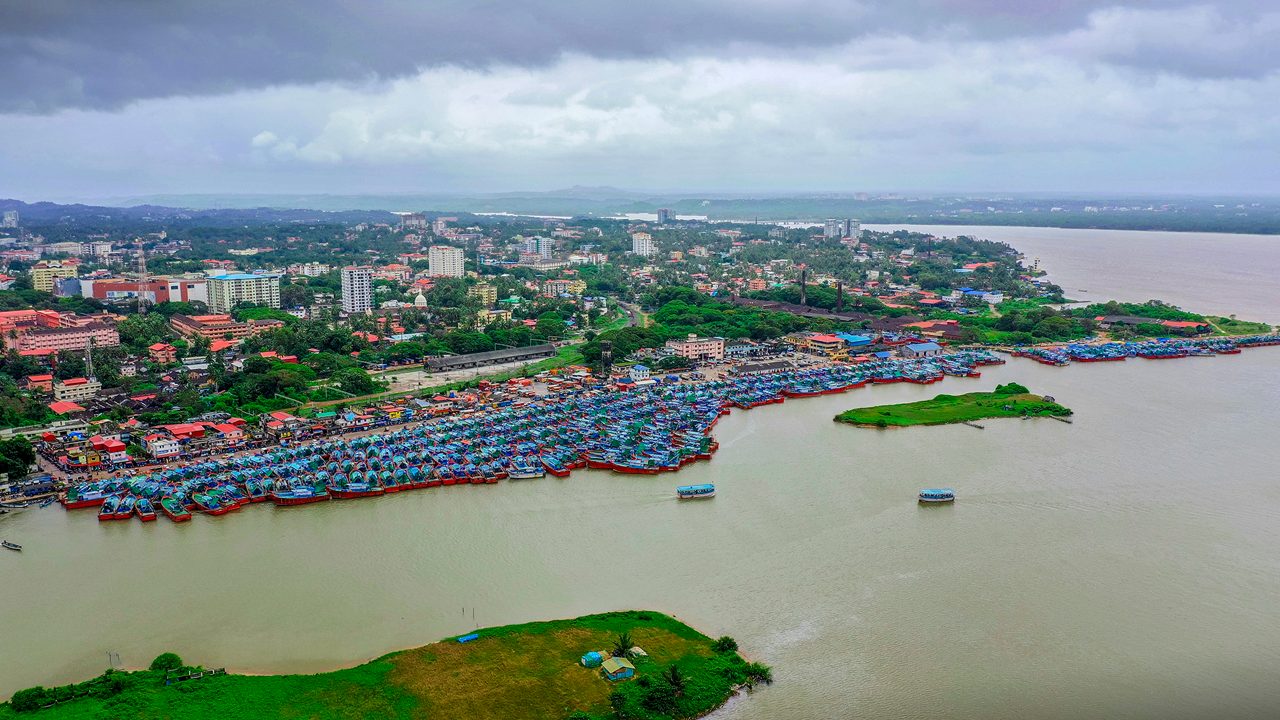
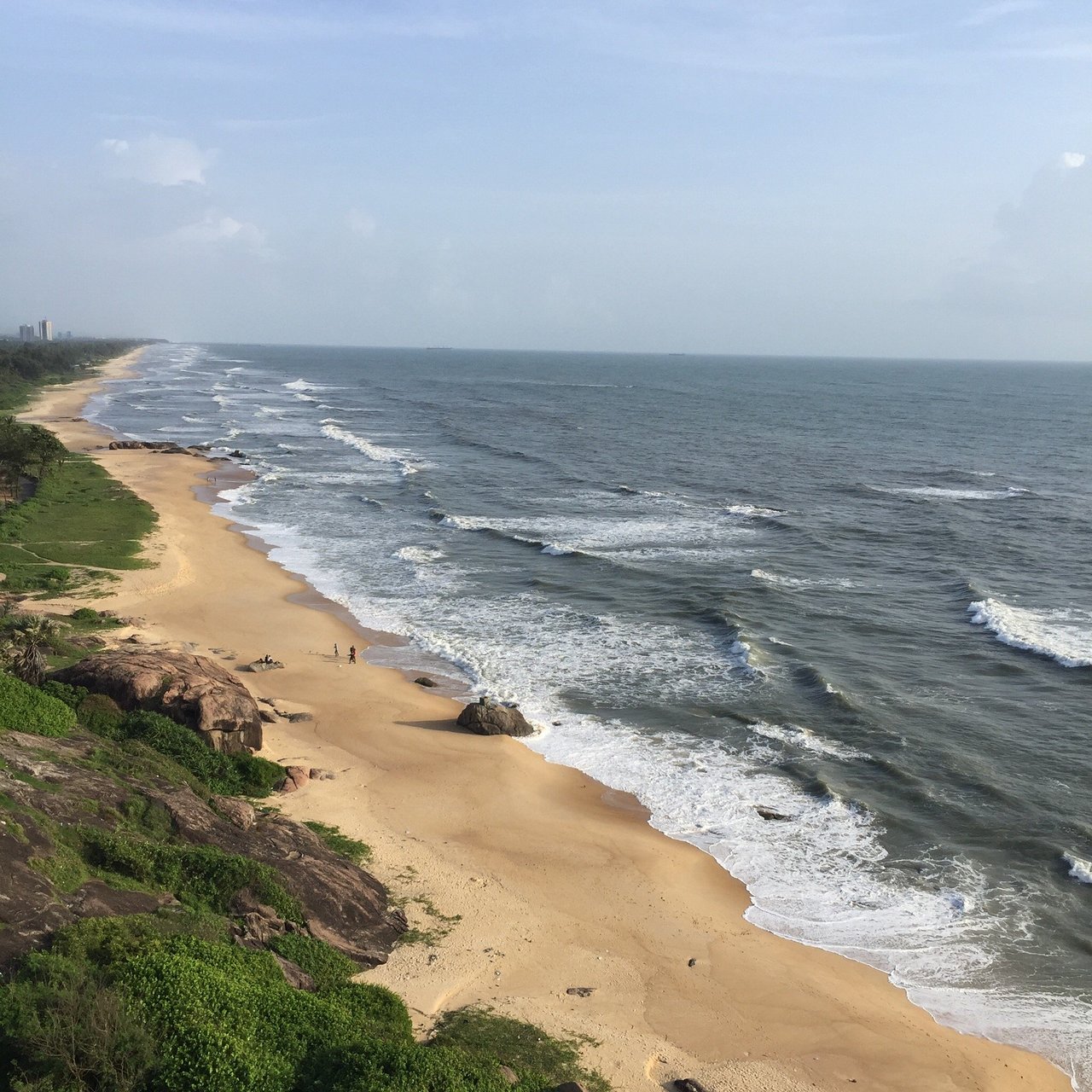
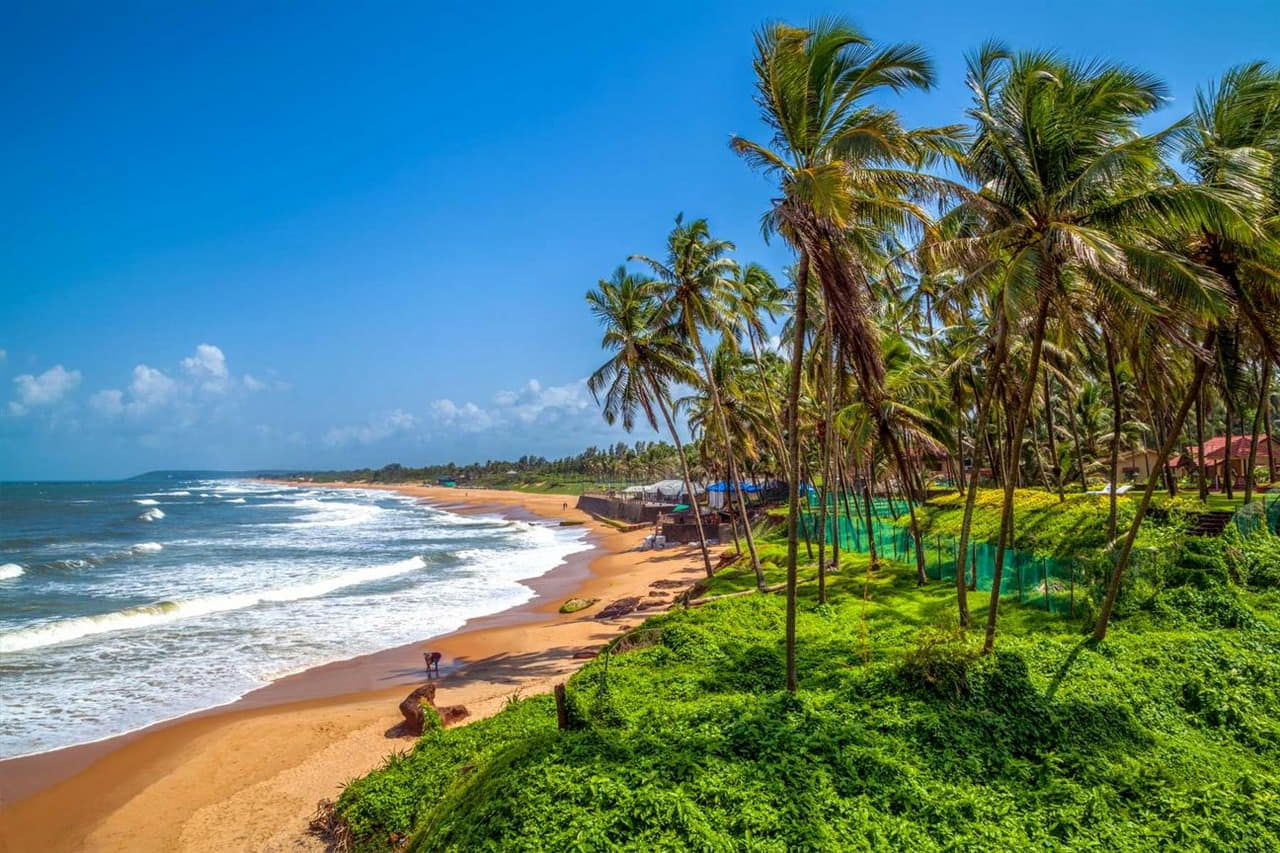
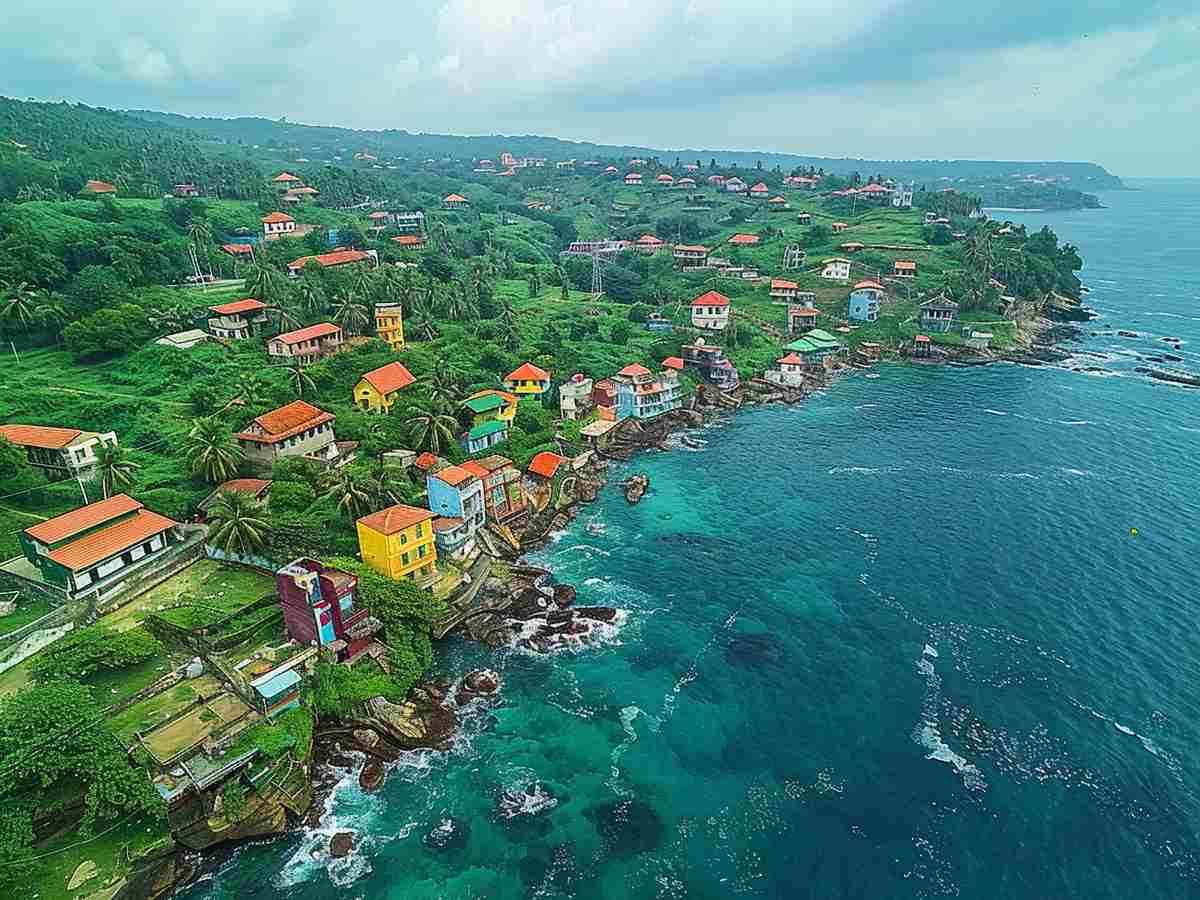
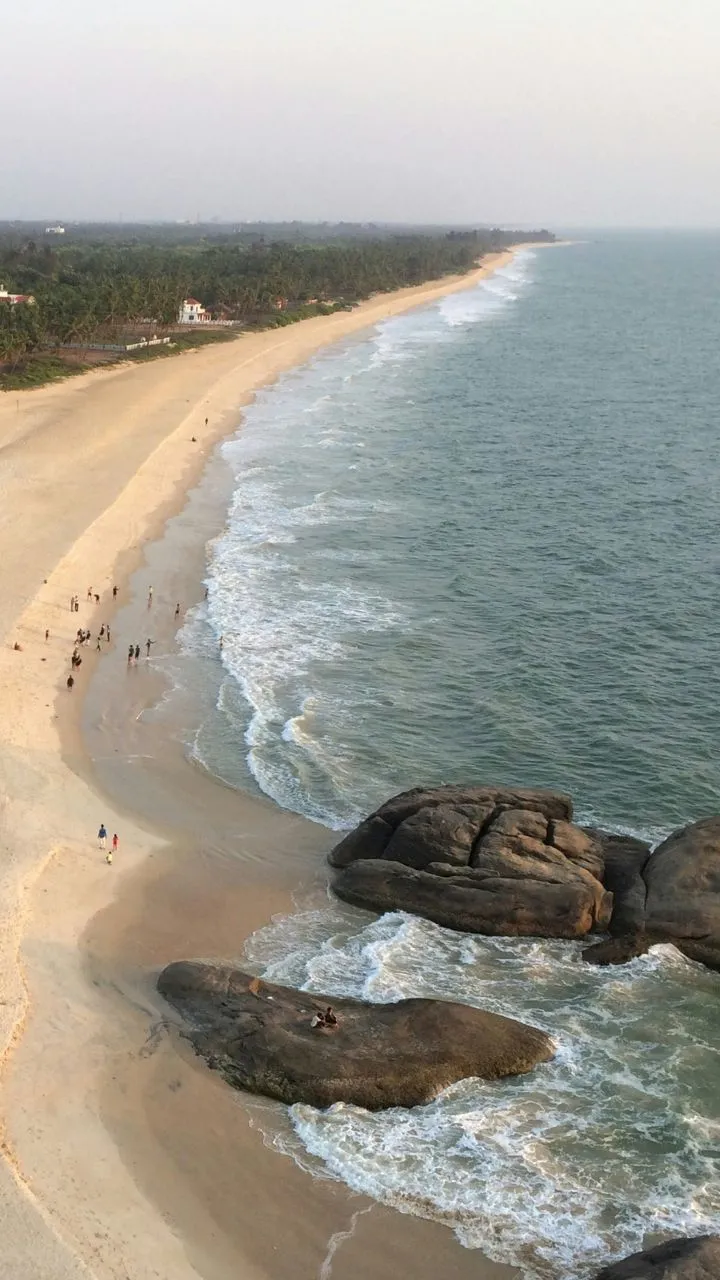
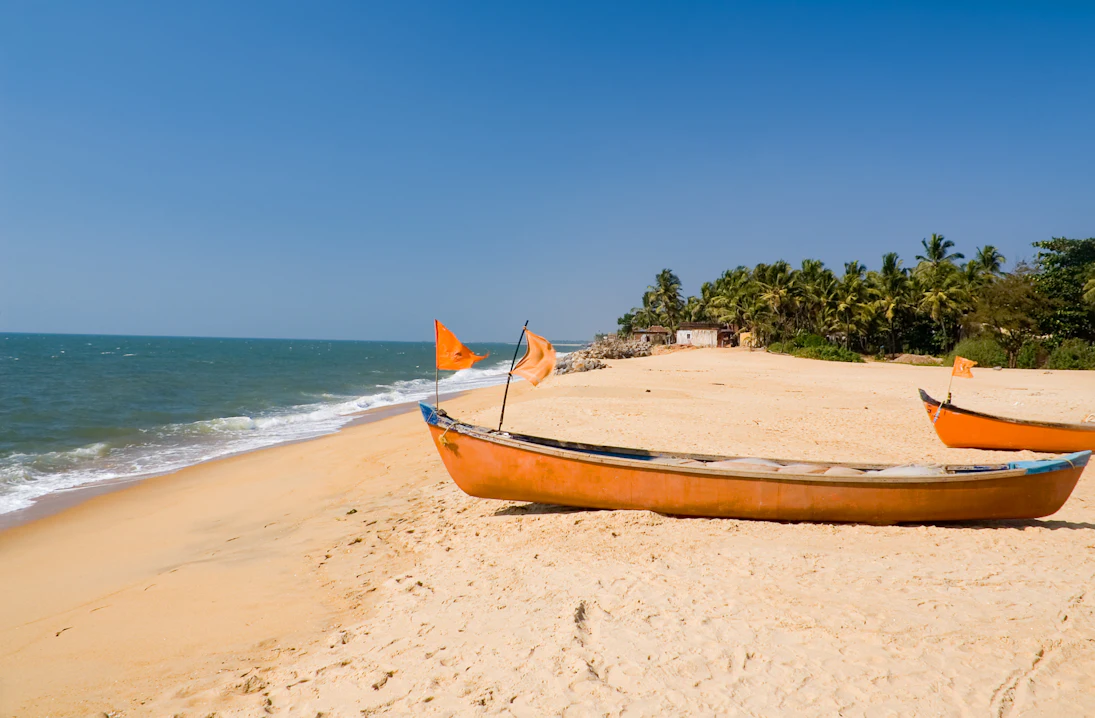
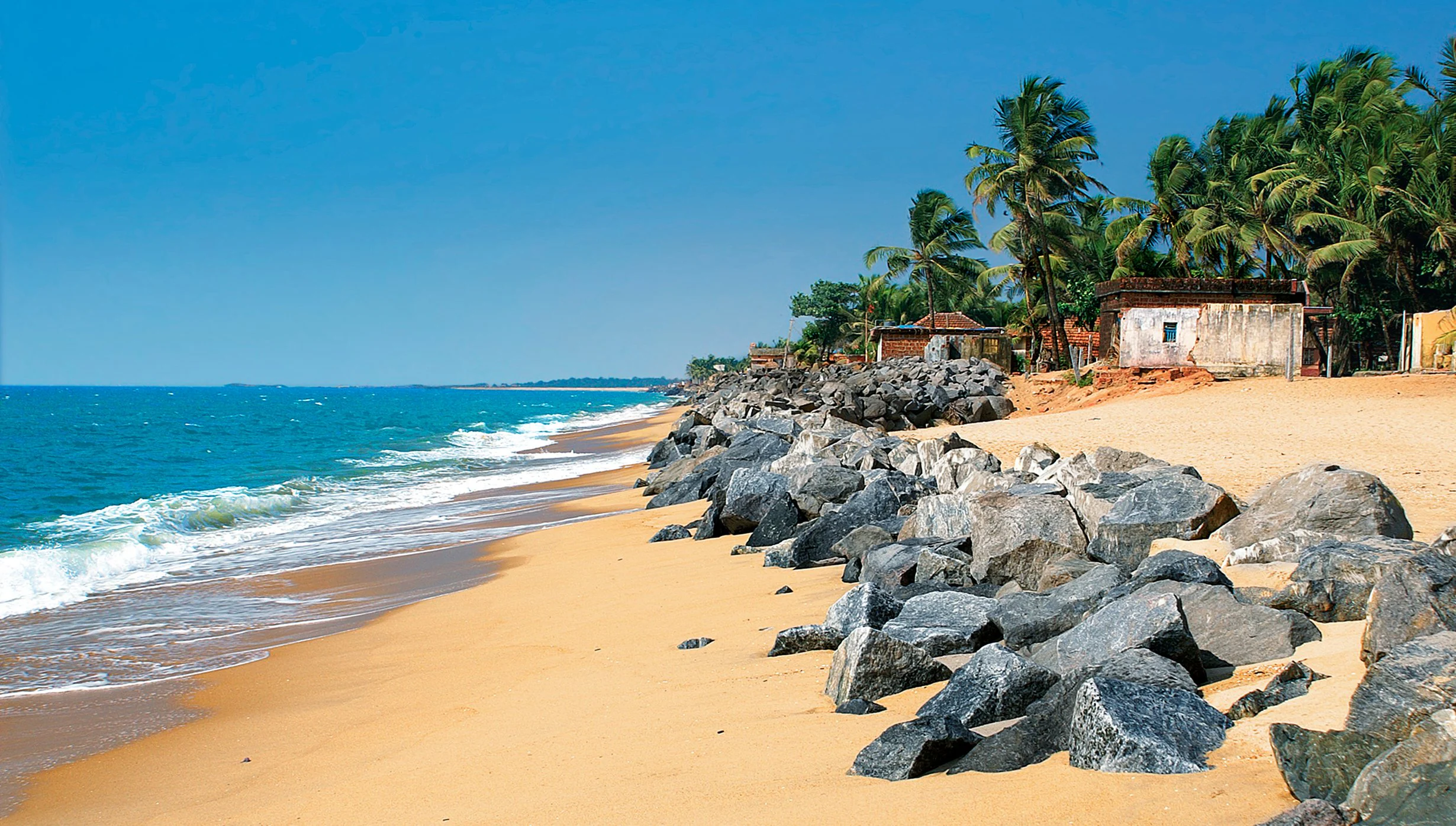
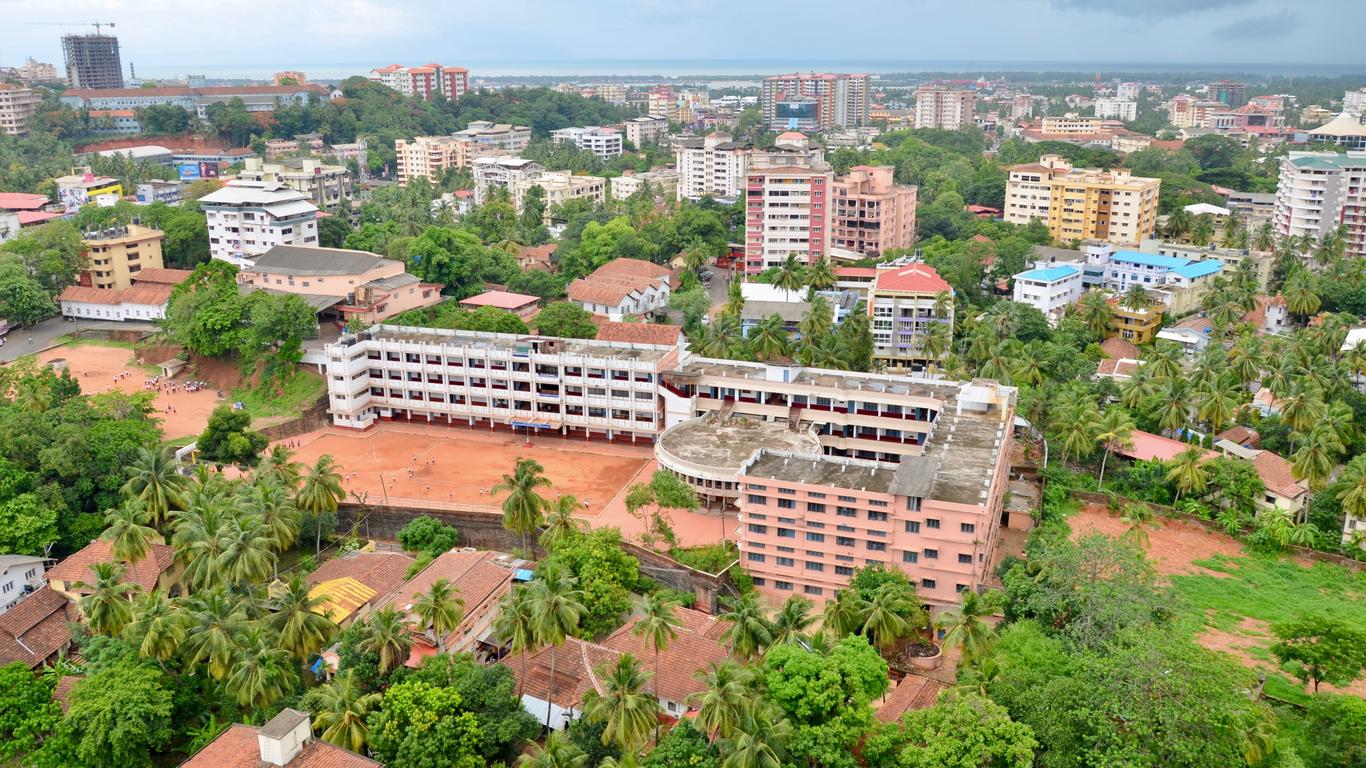
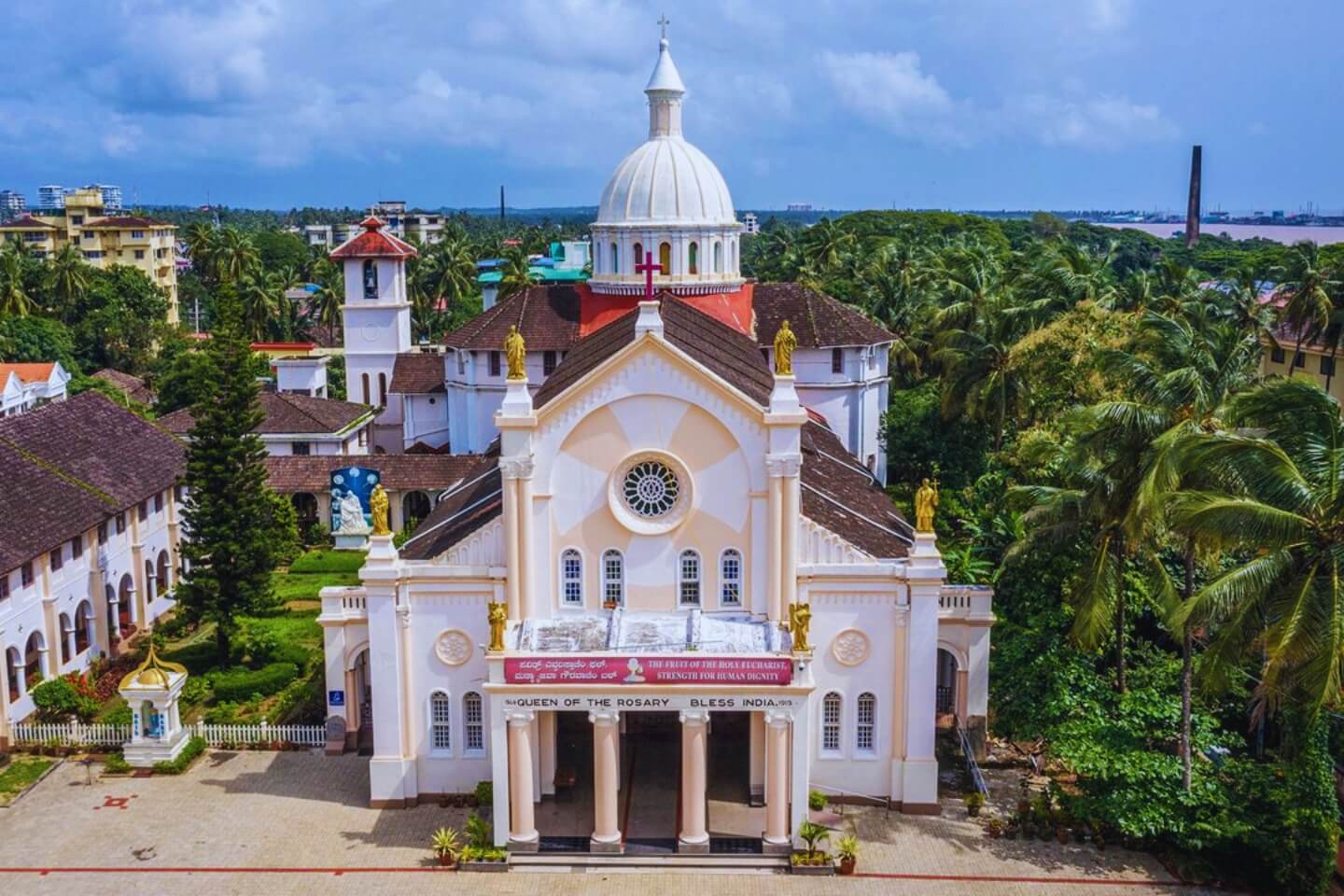
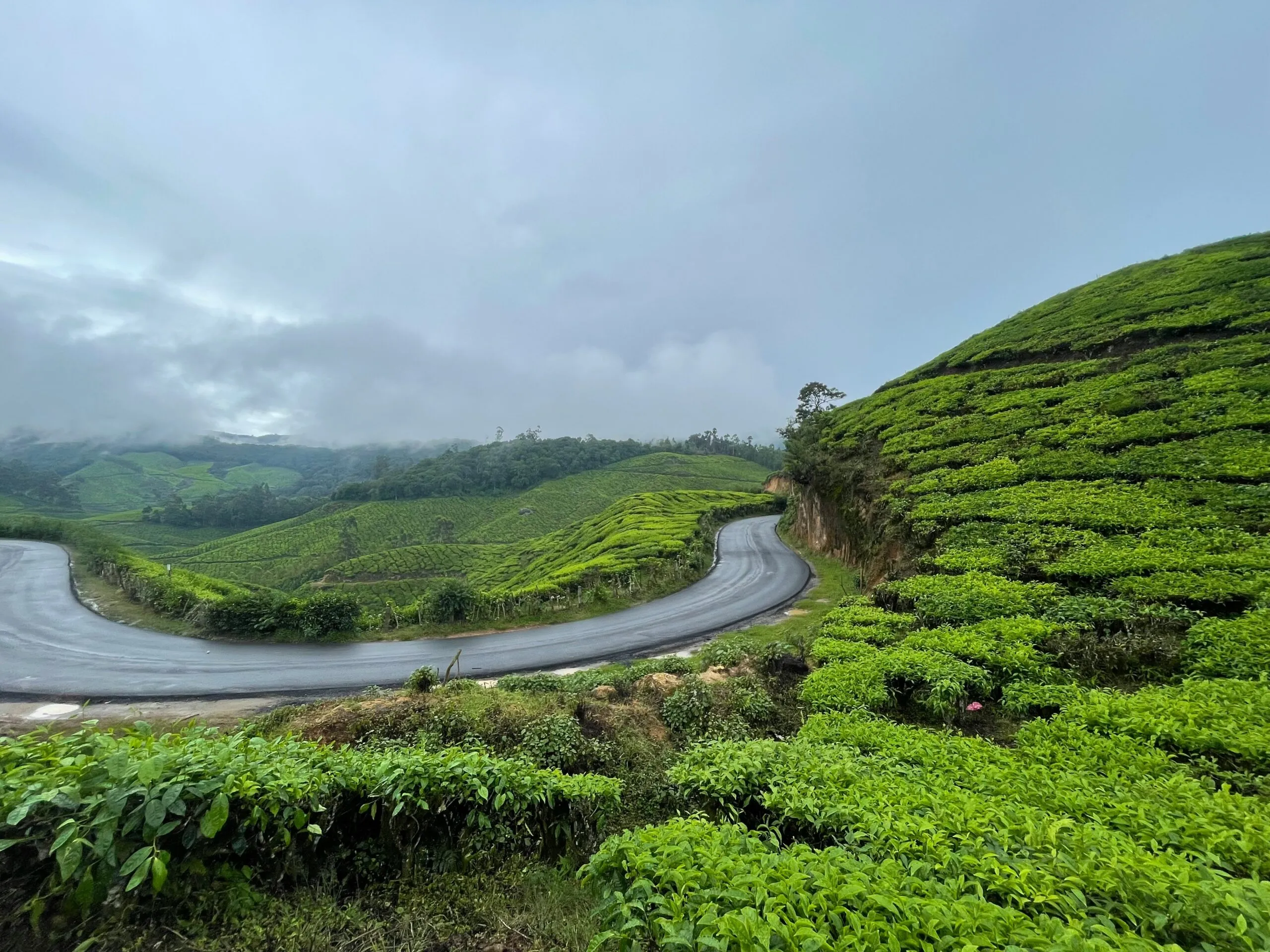
Mangaluru’s historical importance is highlighted by the many references to the city by foreign travellers. During the first century CE, the Roman historian referred to a place called “Nitrias” and said it was an undesirable place for disembarkation because of the pirates who frequented its vicinity, while Greek second-century historian referenced a place named “Nitra”. These references were probably about an area with the which flows through Mangalore. In his sixth-century work , (a Greek monk) mentions Malabar as being the chief seat of the pepper trade and (port of Mangaluru) as one of the five pepper markets which exported pepper.
According to tradition, the in Mangalore is one of the in the . According to the , the first Indian mosque was built in 624 AD in with the mandate of the last ruler (the Cheraman Perumal) of , who left from to and converted to during the lifetime of (c. 570–632). According to , the at , , , , Mangaluru, , , , Panthalayani (), and , were built during the era of ; they are among the oldest s in the Subcontinent. It is believed that Malik Dinar died at in town. Three of the cities, Mangaluru, , and , are in .
During the Vijayanagara period (1345–1550), South Canara was divided into Mangaluru and Barkur (provinces), and two governors were appointed to look after each of them from Mangalore and . Often a single governor ruled over both Mangaluru and Barkur rajyas; when the authority passed to the Keladi rulers (1550–1763), they only had a governor at Barkur. In 1448, who was the ambassador of of , visited Mangaluru to the Vijayanagara court. The Italian traveller , who visited India in 1506, said he saw nearly sixty ships laden with rice ready to sail from the port of Mangalore.
After the disintegration of the Vijaynagara Empire in 1565, the rulers of Keladi attained greater power in dealing with the coastal Canara region. They continued the Vijayanagara administrative system and the provinces of Mangalore and Barkur continued to exist. The governor of Mangaluru also acted as the governor of the Keladi army in his province. The Italian traveller visited here in 1623–1624. In 1695, Arabs burnt the town in retaliation to Portuguese restrictions on Arab trade.
, a Scottish physician who visited Mangalore in 1801, said the city was a prosperous port with plentiful trade. The main commodity of export was rice; it went to , , , and . () was exported to Bombay, , and . and were exported to Bombay.