Mangalaram
Gallery
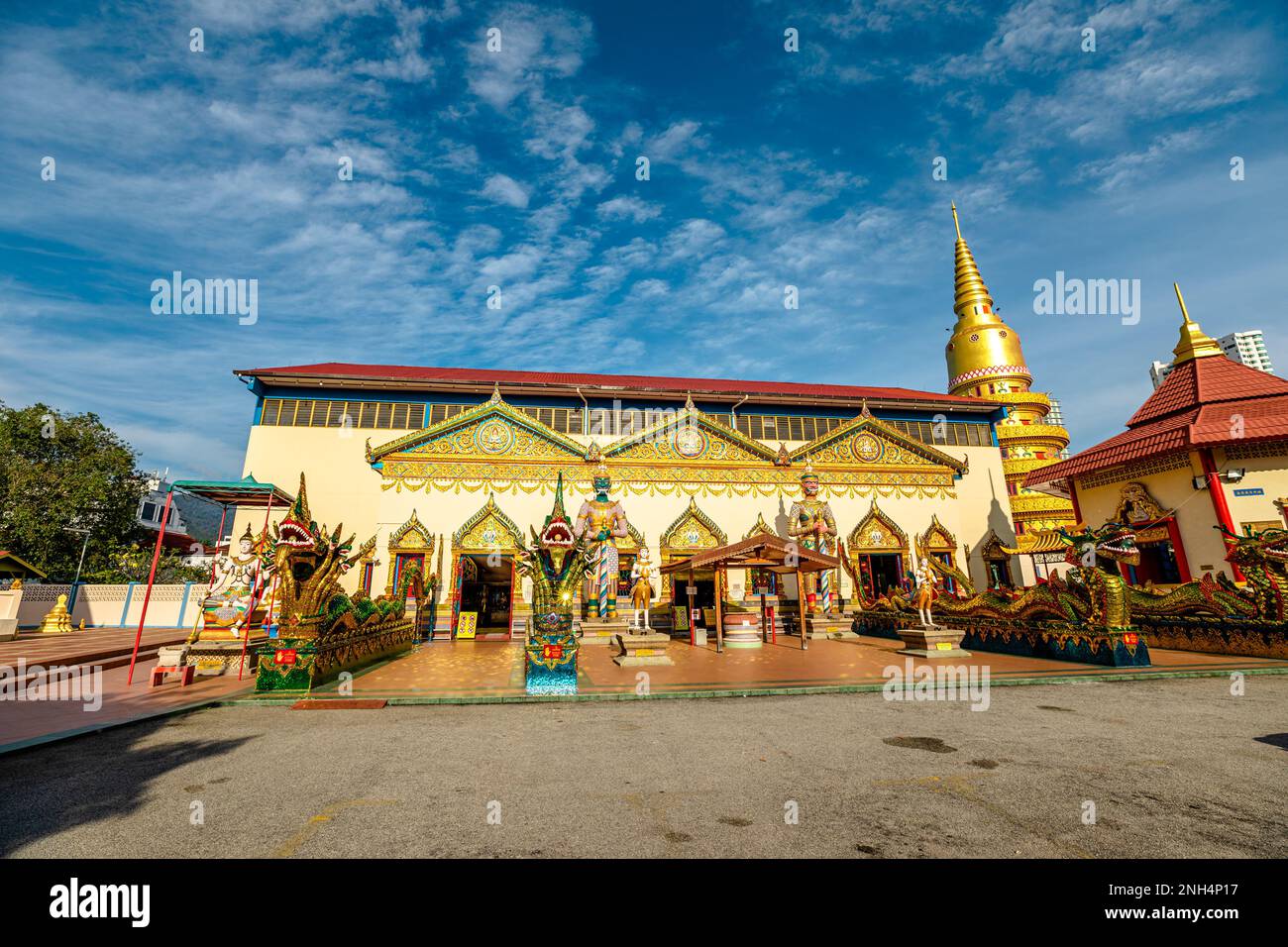
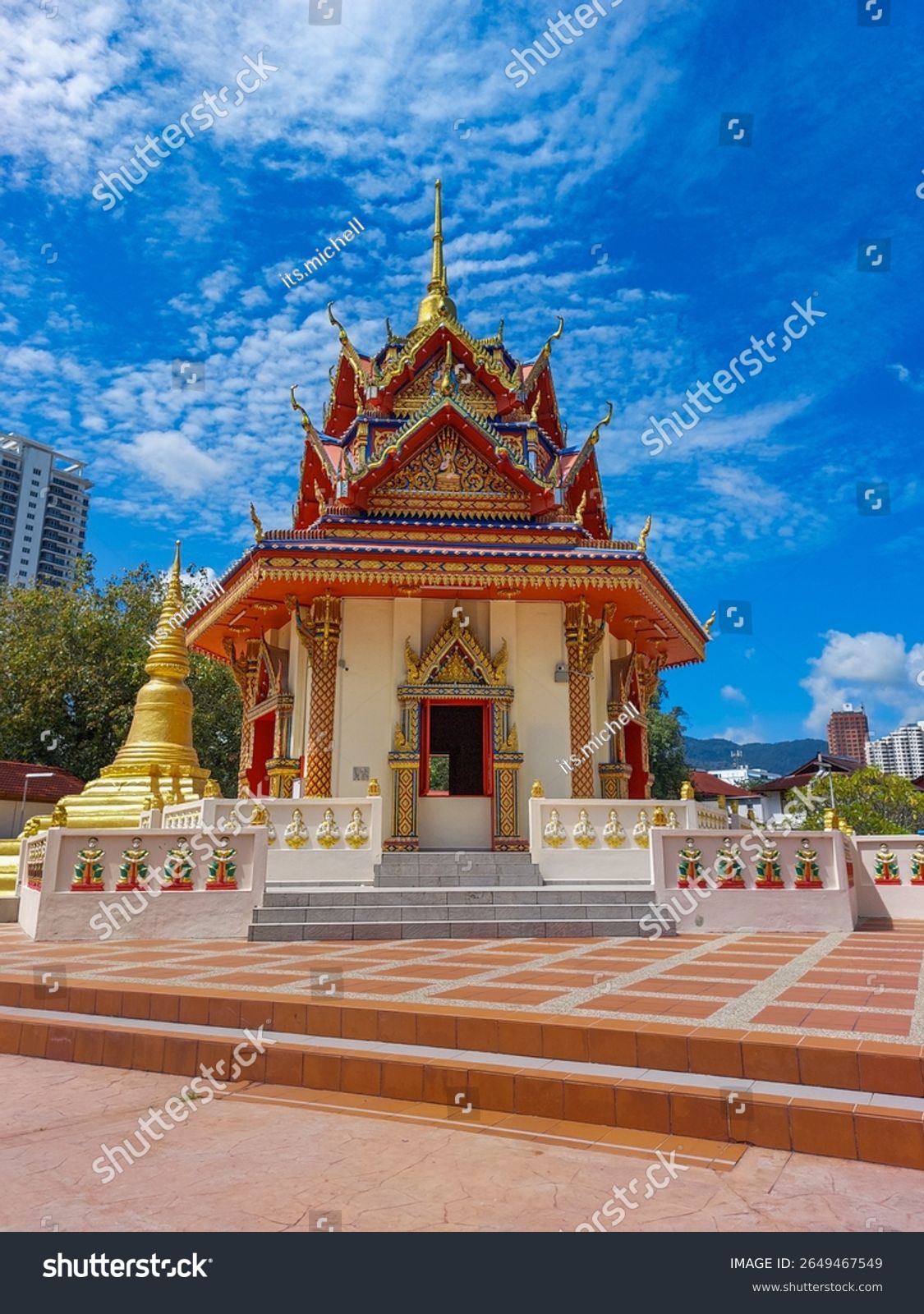
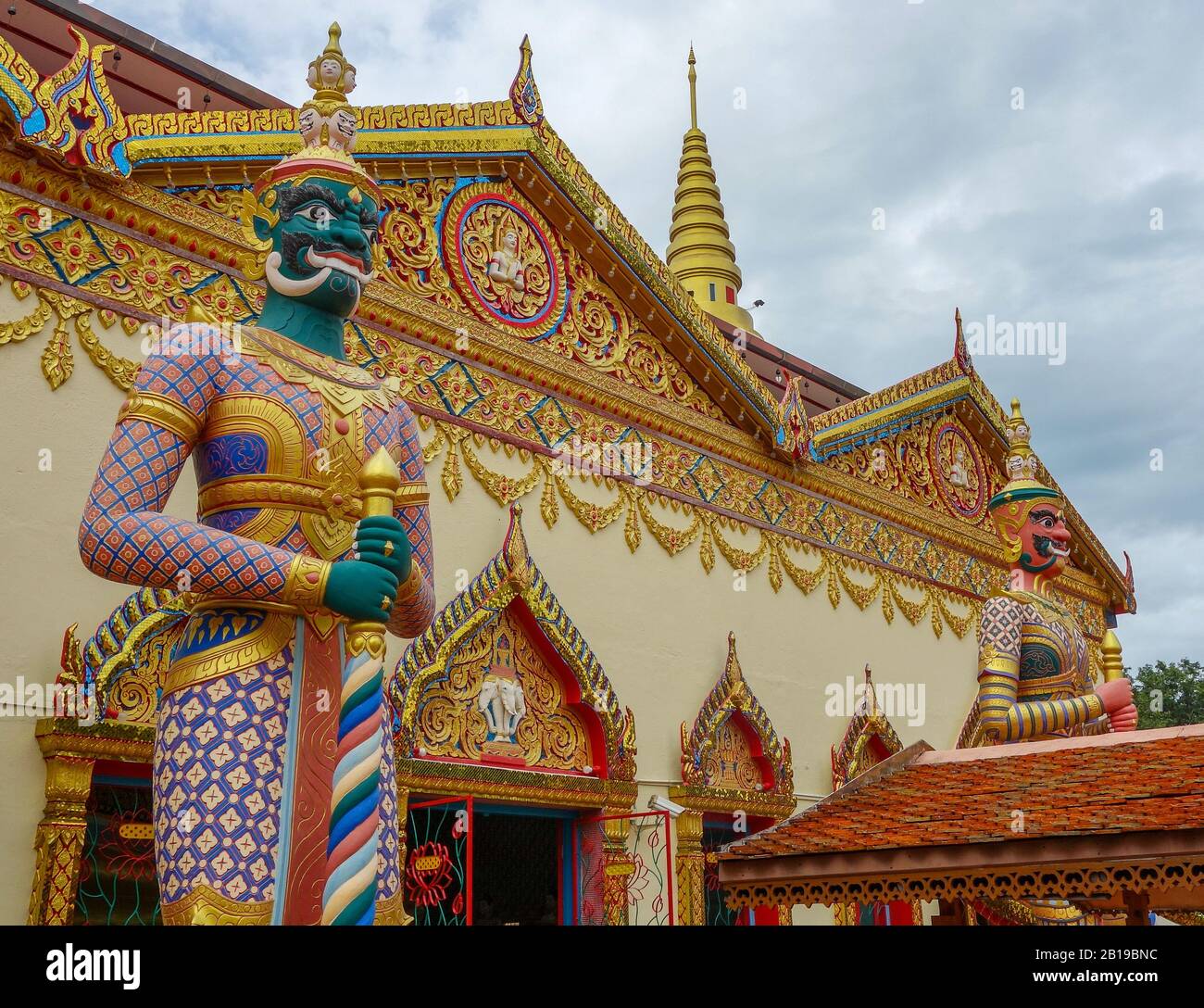

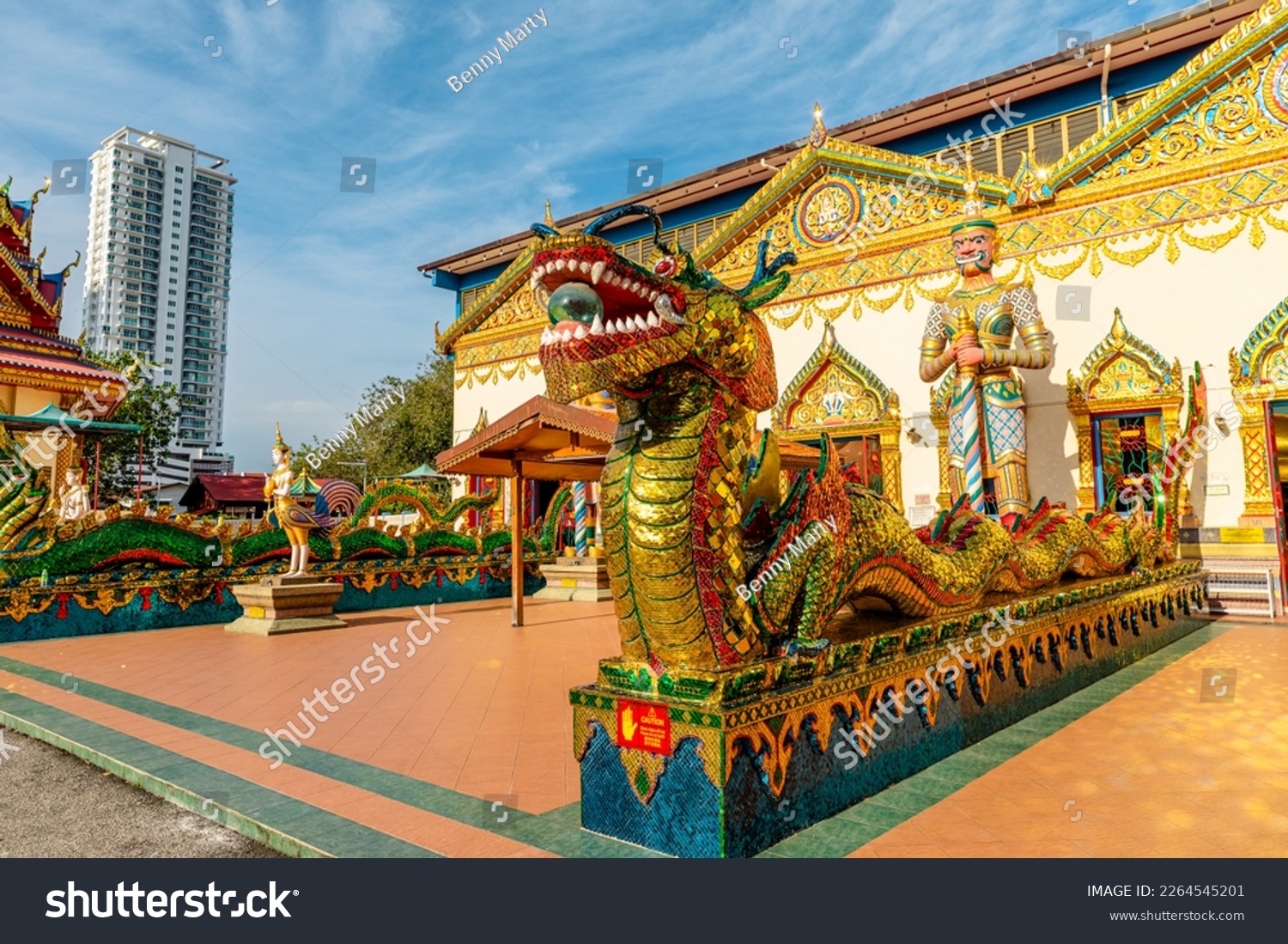
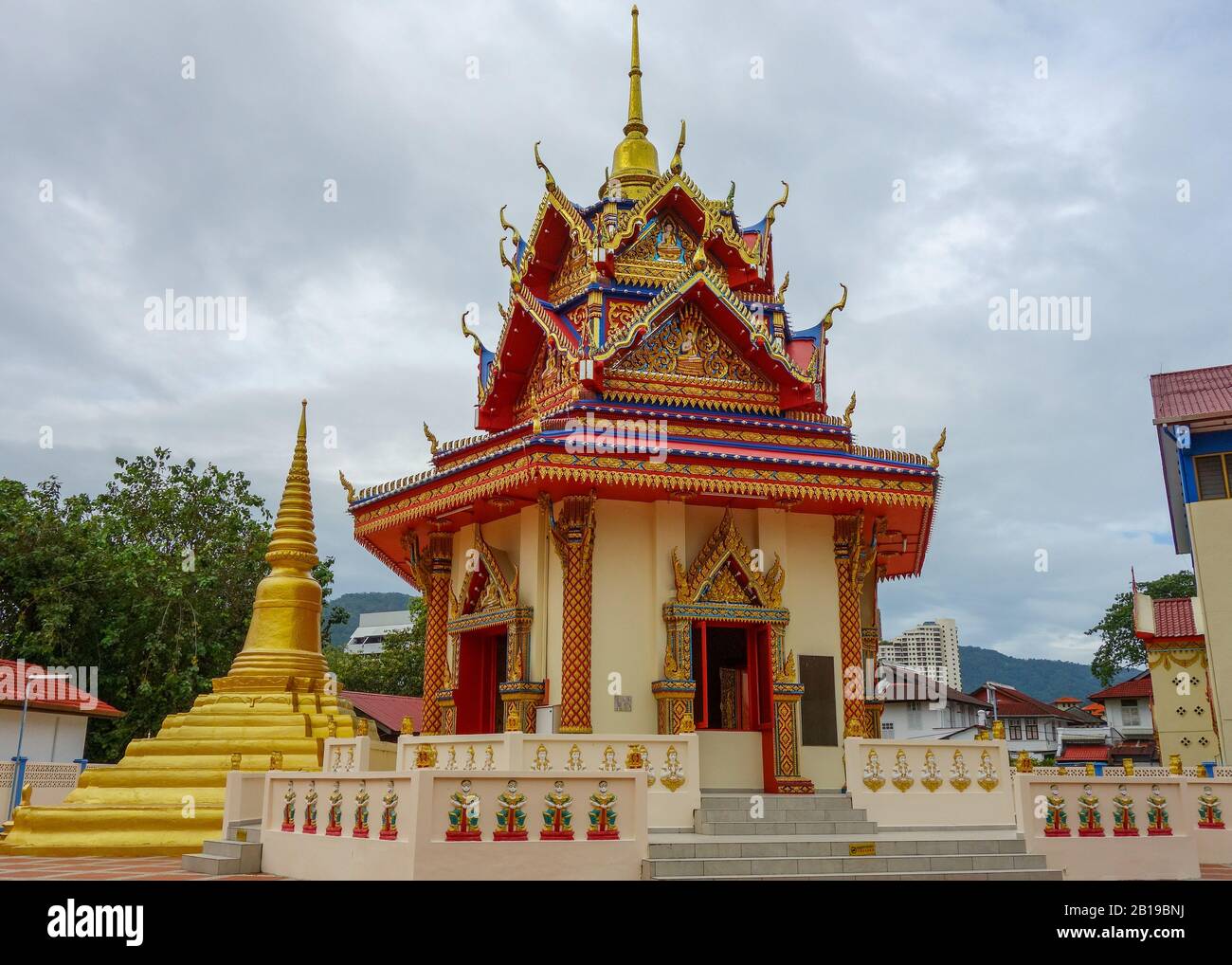
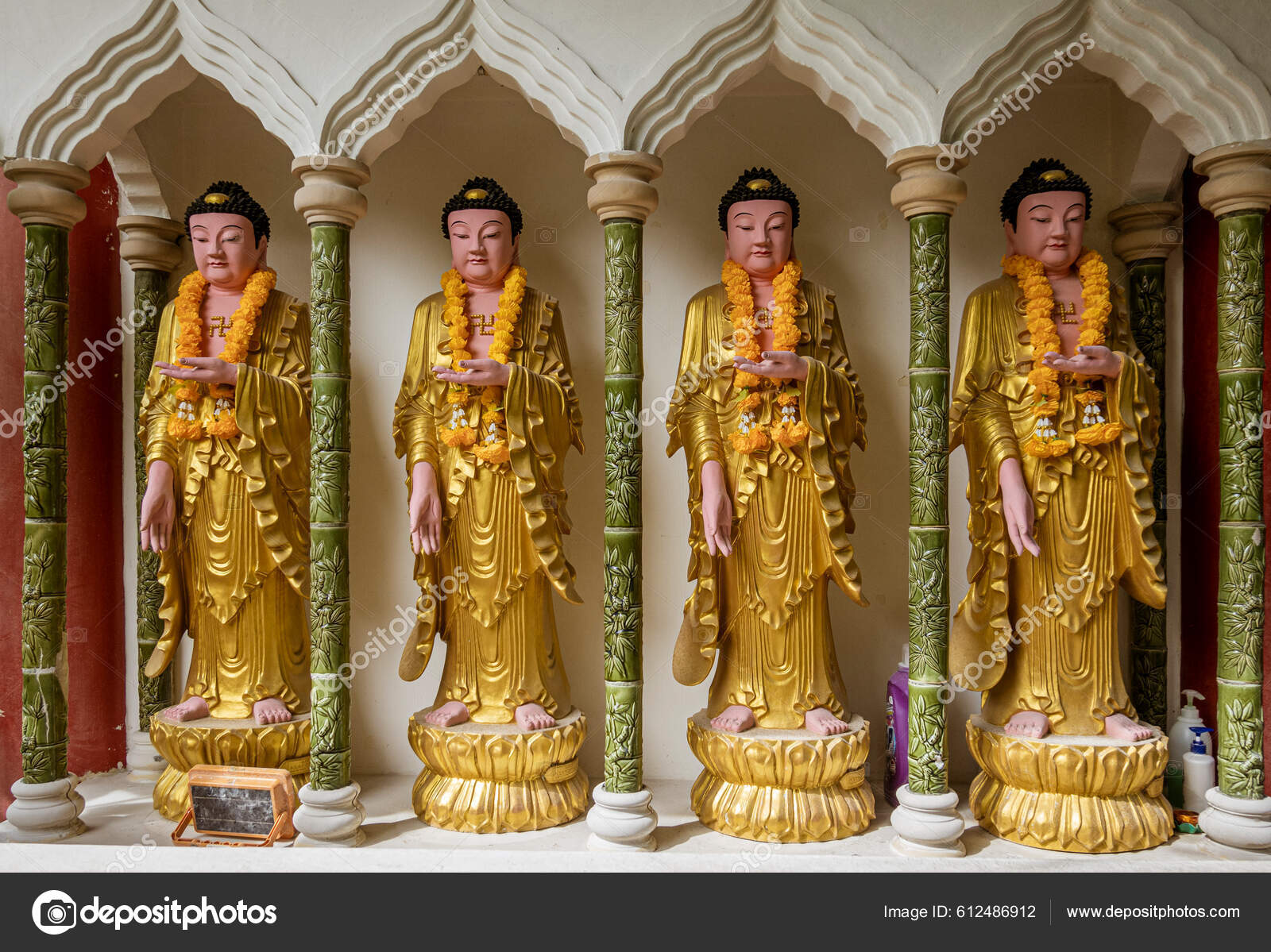
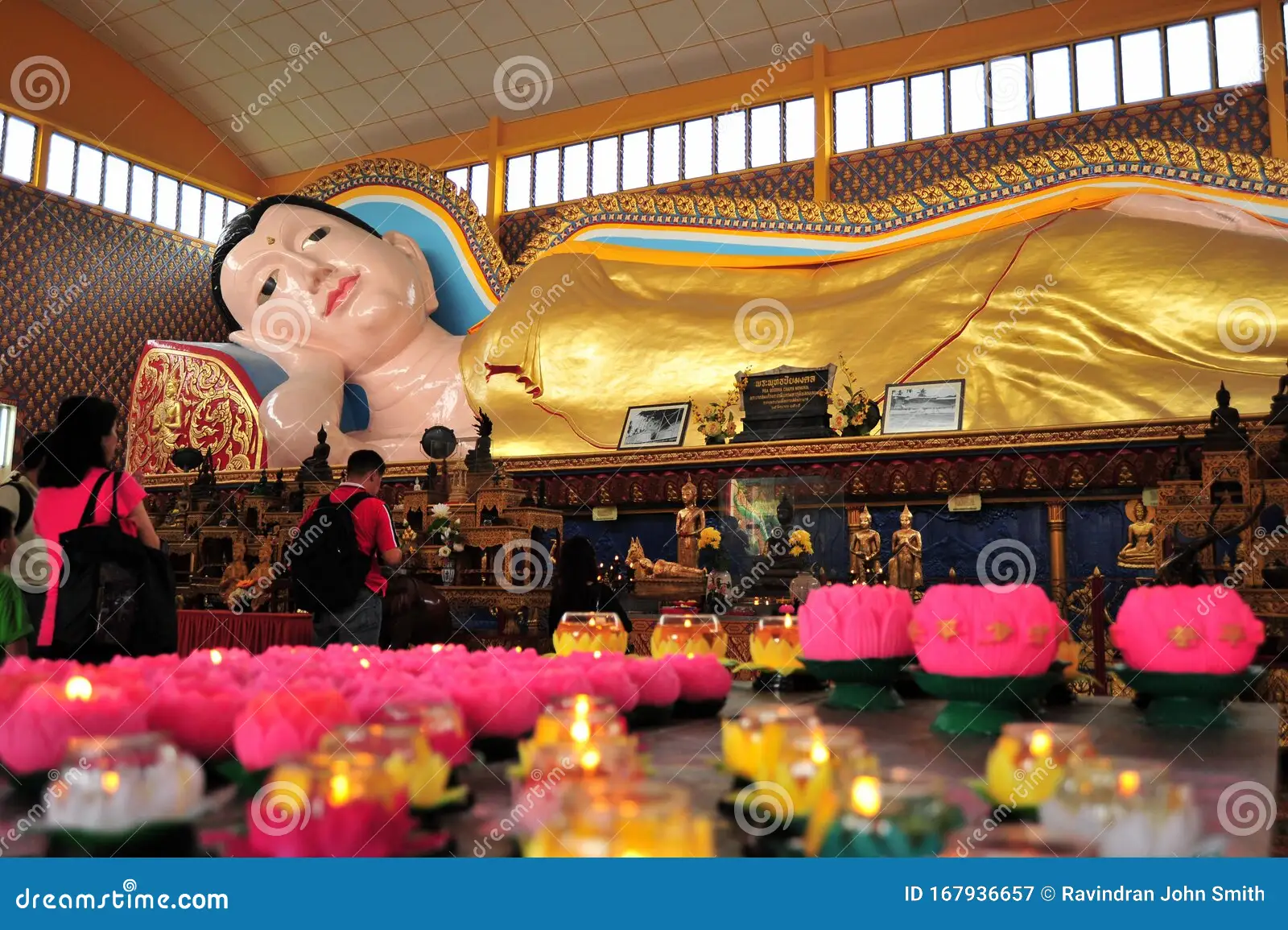
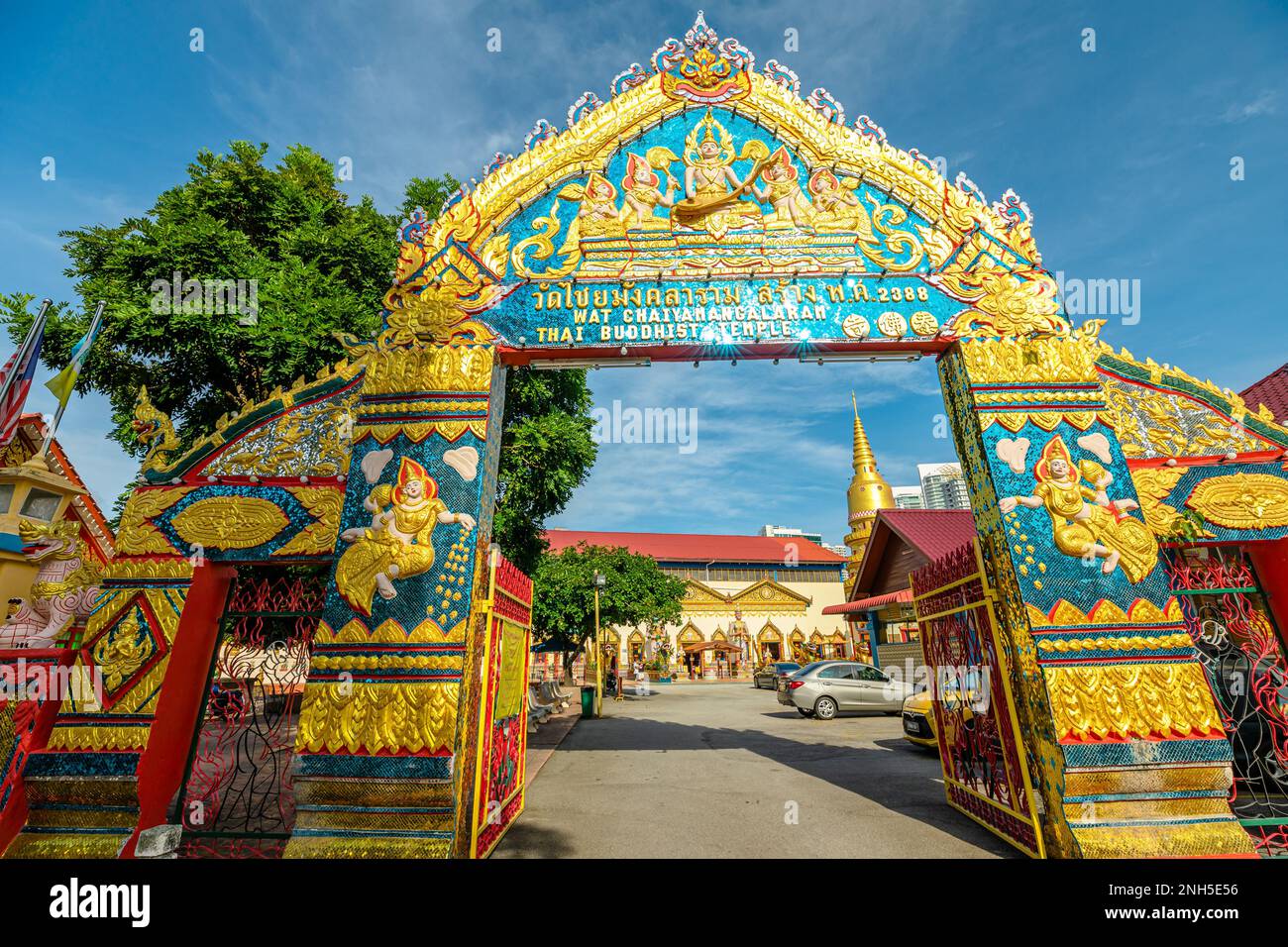
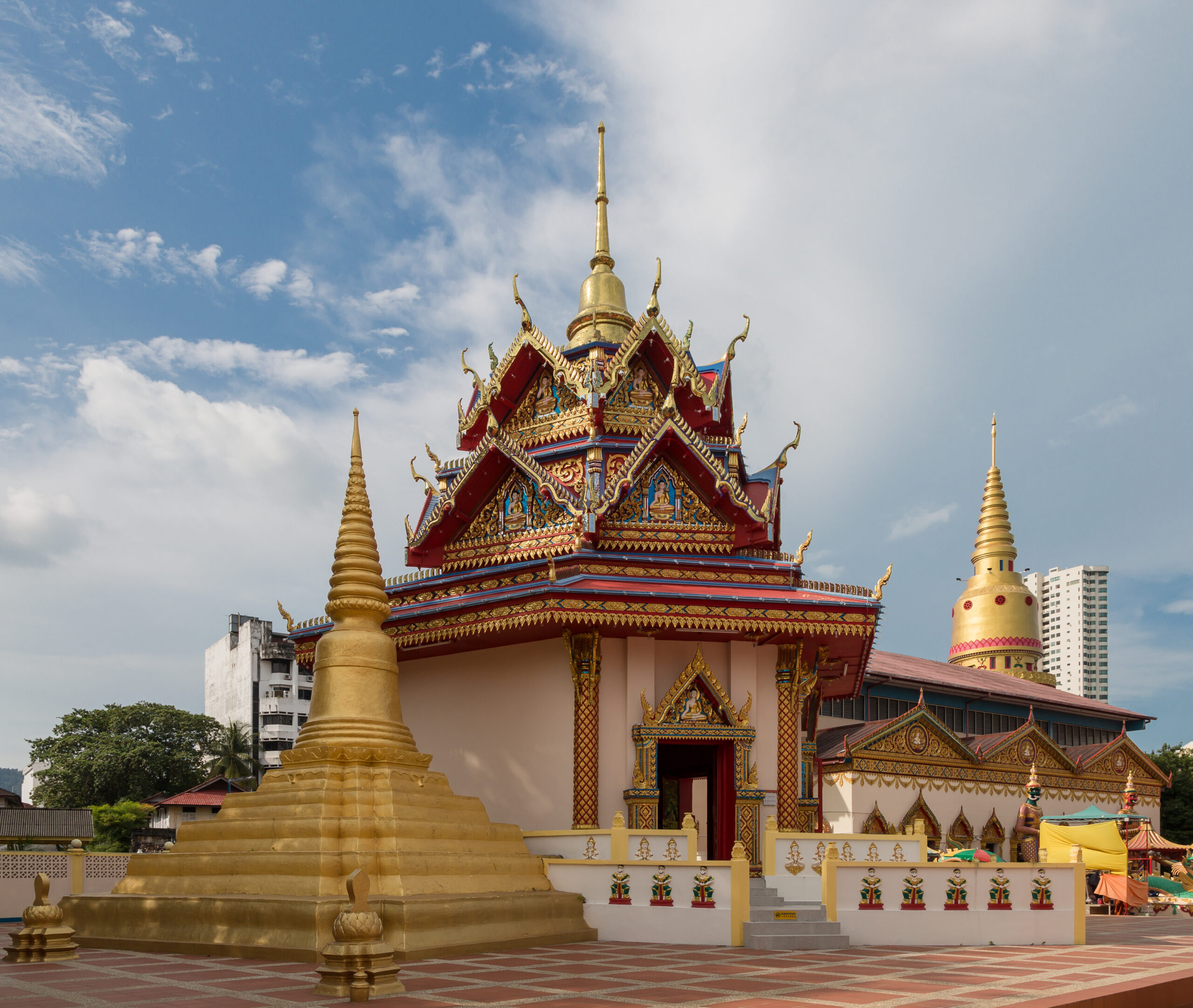
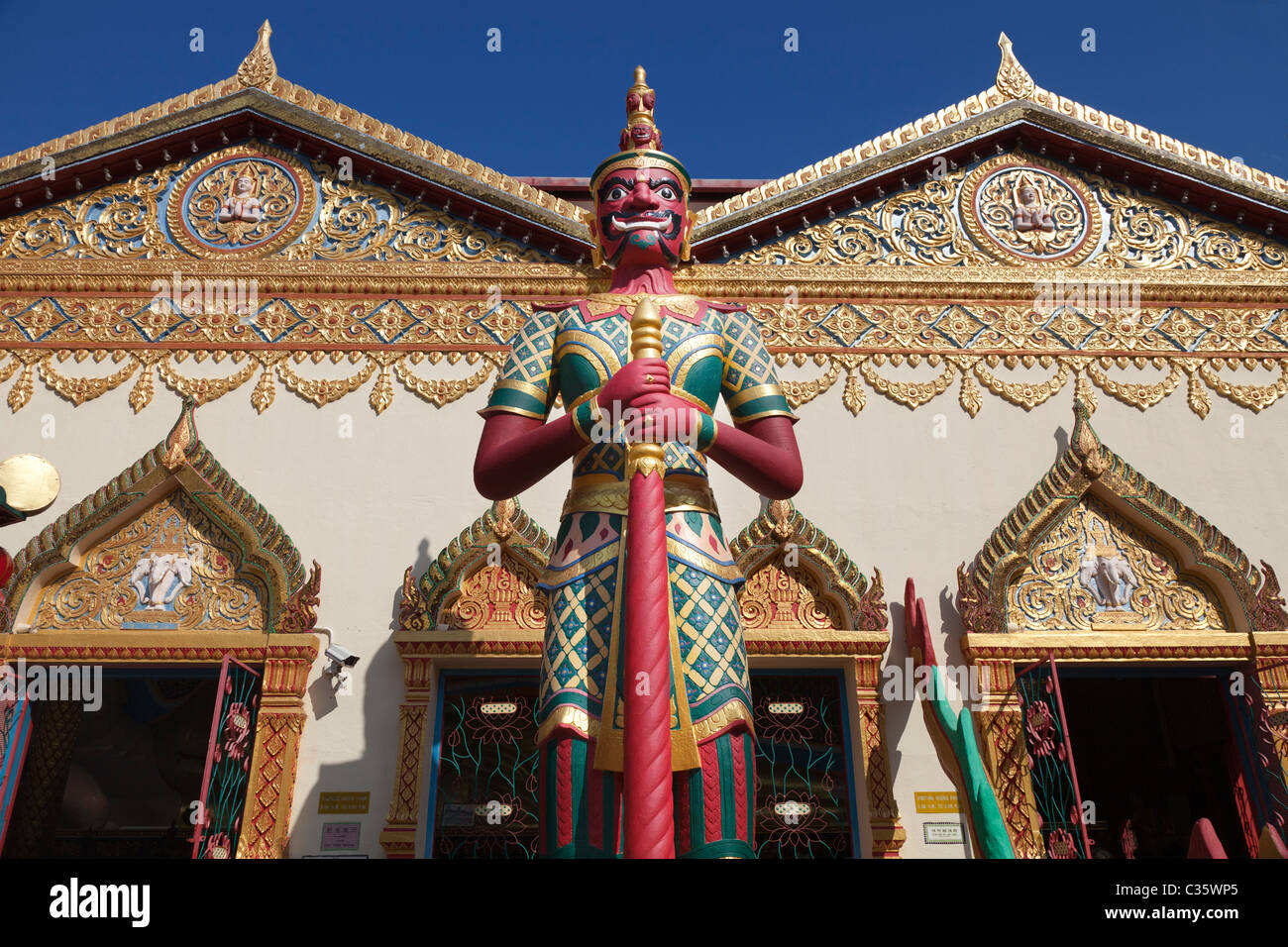

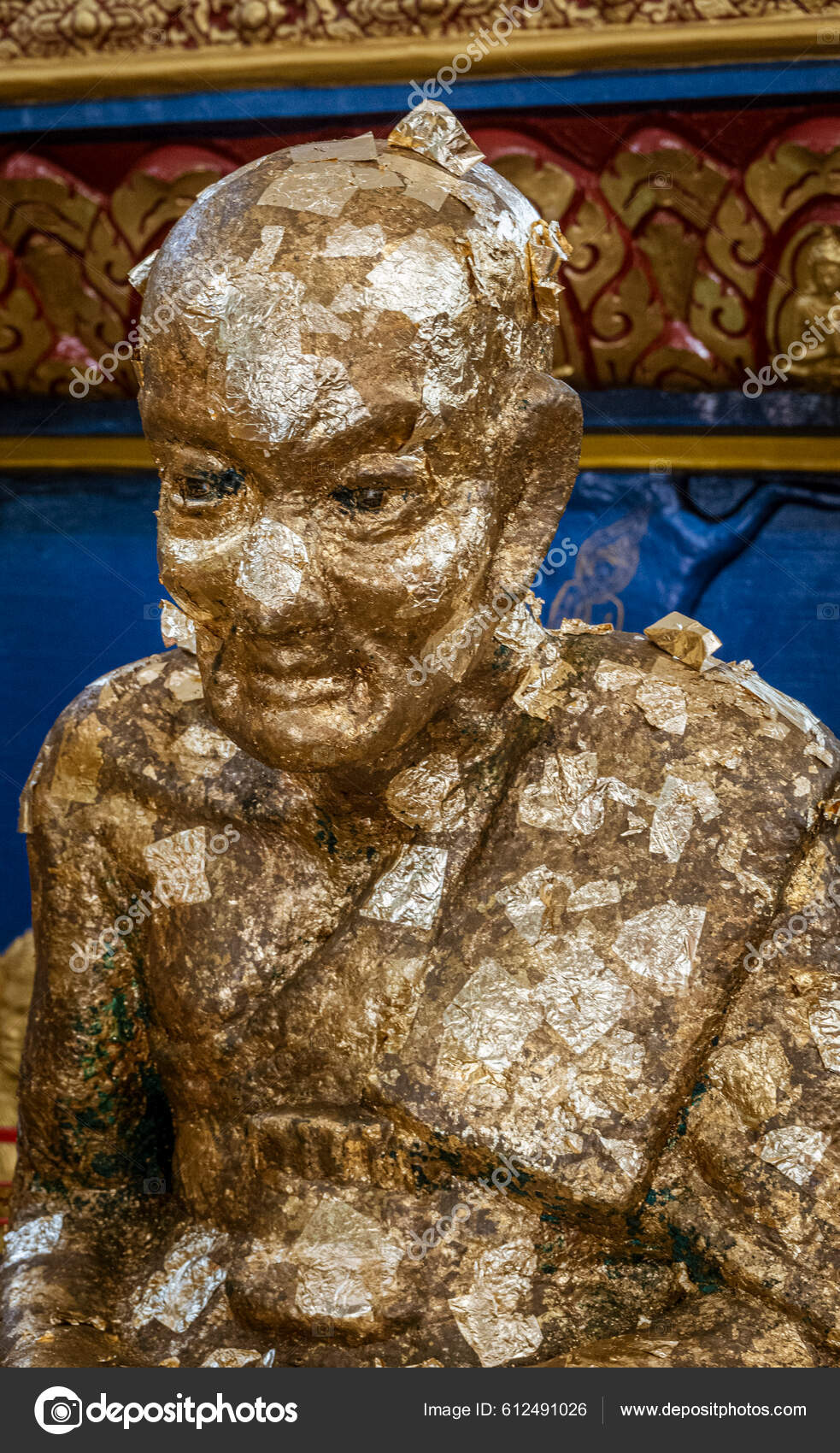

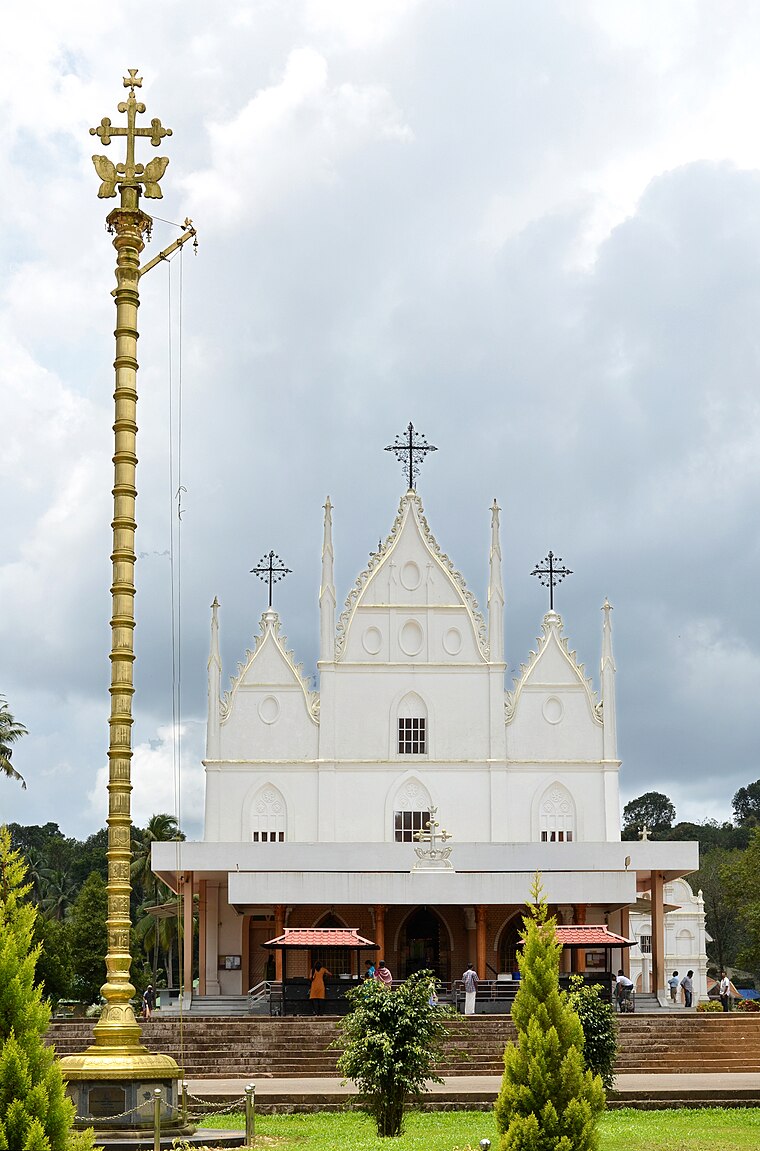
“Visit Chaiya Mangalaram Buddhist Temple in the late afternoon when the crowds have thinned and you’ll find a more peaceful atmosphere to appreciate the intricate details of the architecture and murals. Don’t forget to walk around the back of the temple grounds, where you can often find local vendors selling handmade incense and crafts—items that are not commonly found at the usual tourist shops.”
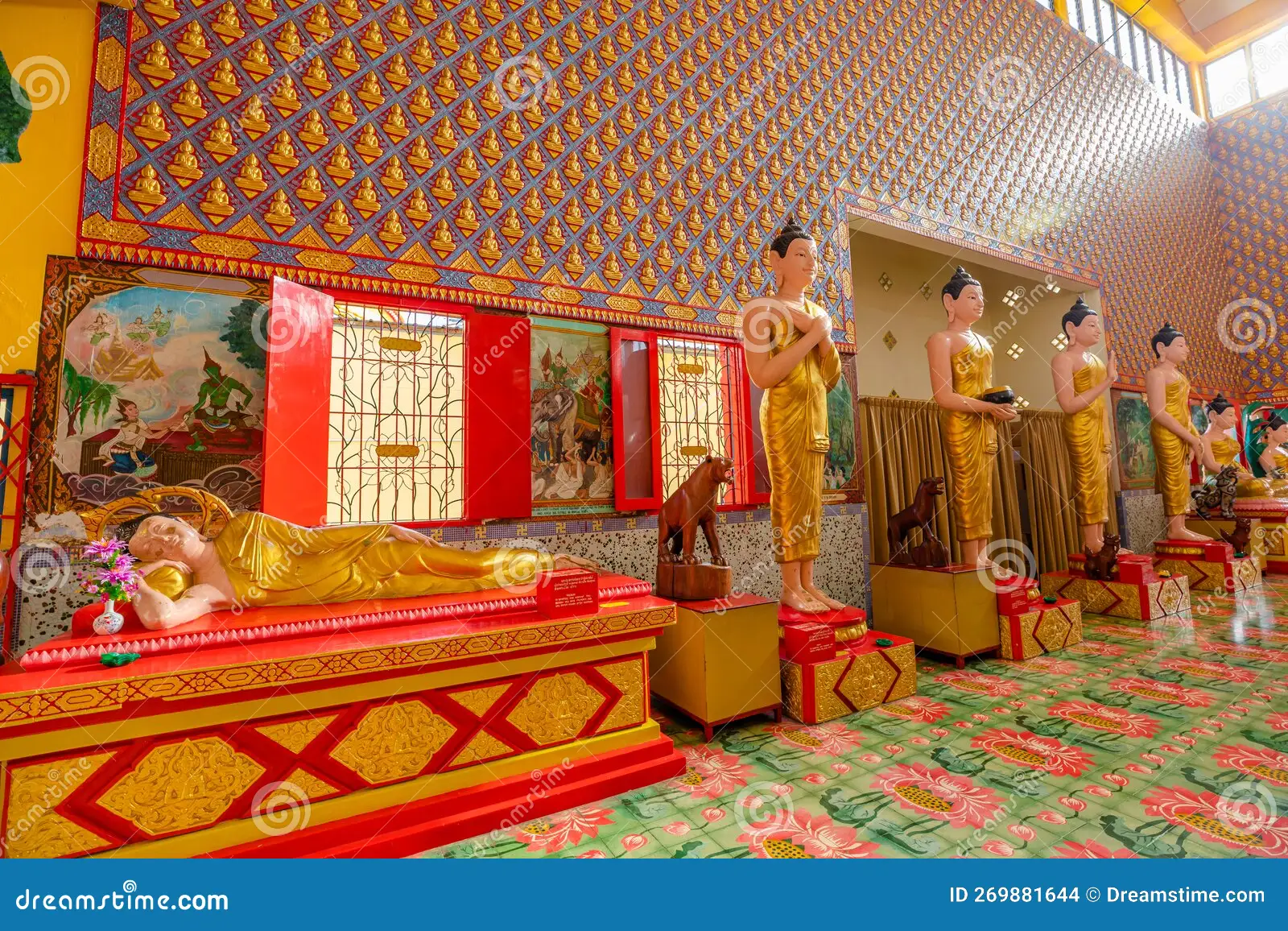
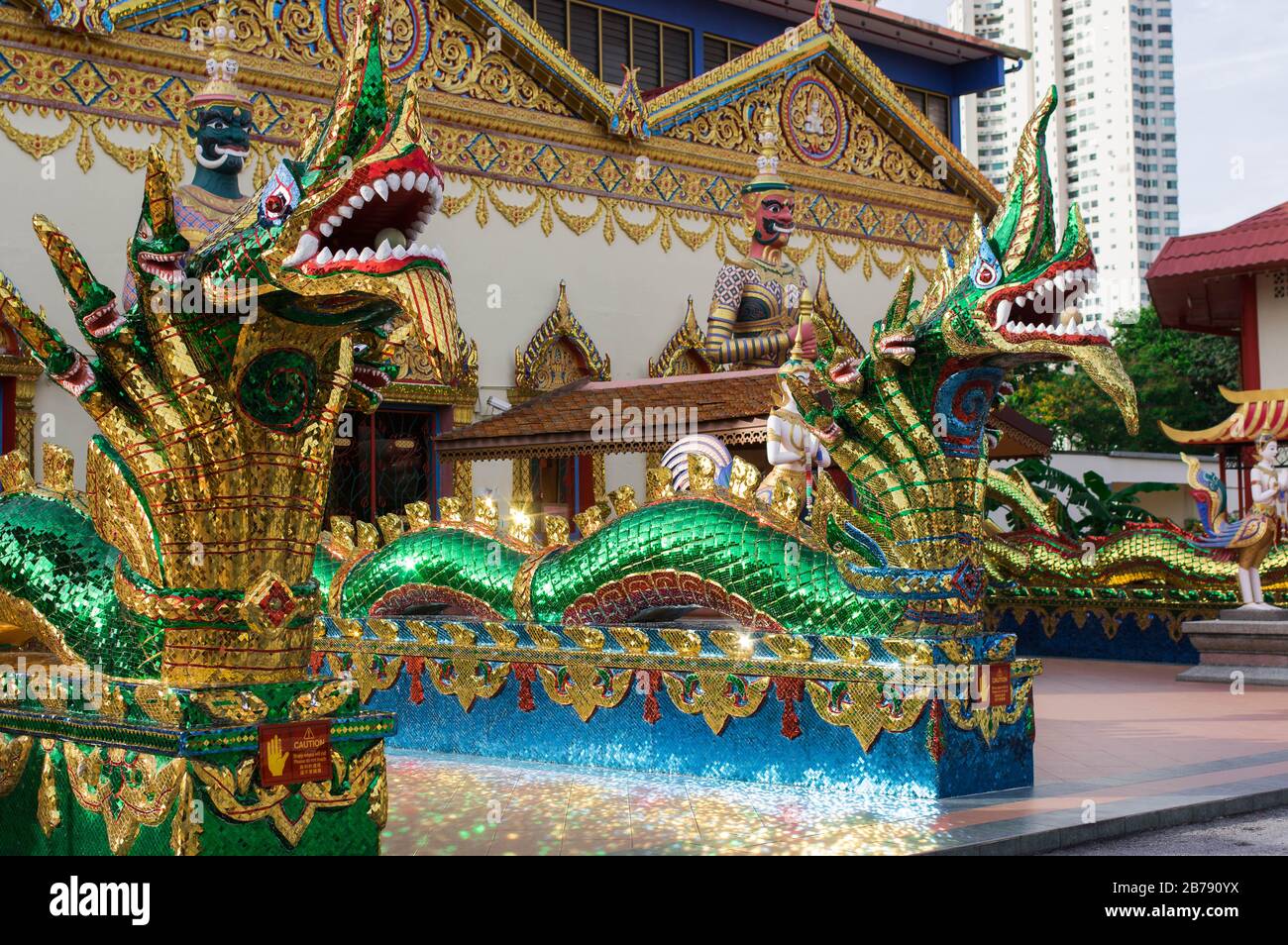
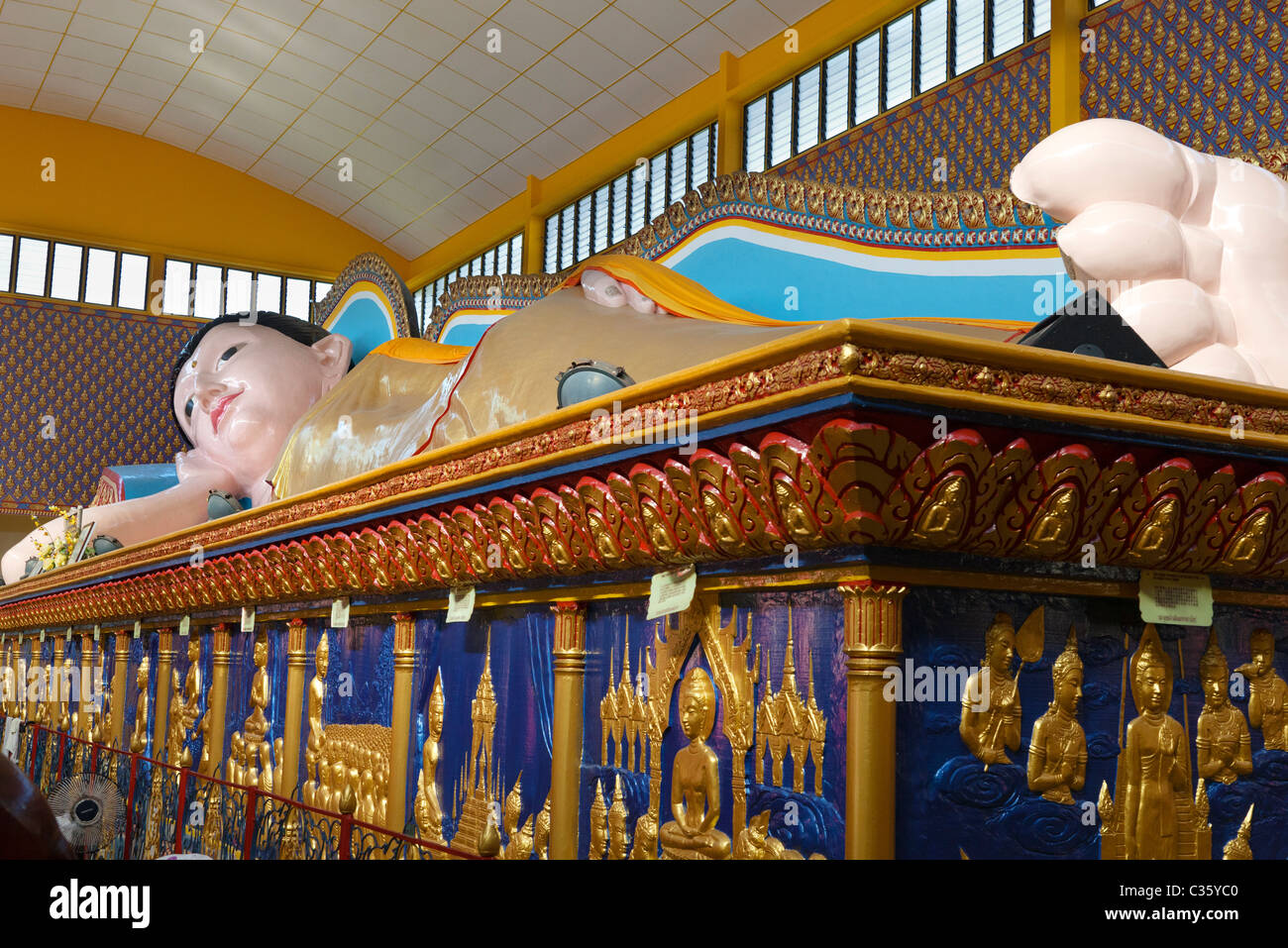
Nestled within the heart of George Town, Penang, lies Chaiya Mangalaram Thai Buddhist Temple, renowned for its Thai architectural design and spiritual ambiance. It exists as a cornerstone of the Thai Buddhist community in Penang, and its iconic reclining Buddha statue is a testament to the artistic and religious influences that traverse the region. Despite its serenity, this temple is more than just a place of worship; it acts as a cultural nexus, drawing visitors from near and far who seek to immerse themselves in its rich heritage.
Have you ever stood beneath a mural and felt as though you were part of its story? The intricate murals within Chaiya Mangalaram are not just decorations; they narrate tales from the life of Buddha, and their vivid portrayal captivates both the eyes and the soul. As you walk through the temple, the air seems to hum with the soft chants of devotees, and the aroma of jasmine mixed with incense becomes a backdrop for contemplation and peace.
The Chaiya Mangalaram Buddhist Temple bears a history as rich and ornate as its architecture. Officially founded in 1845, it was granted by Queen Victoria to the Thai community as a gesture of goodwill that fortified the relationship between Thailand and Britain. The temple showcases the cross-cultural exchanges that occurred during the colonial era in Penang and has since been a beacon of Thai culture in Malaysia.
To simply state that Chaiya Mangalaram Buddhist Temple holds importance as a place of worship would be to overlook the essence of its significance. The temple is a living museum, capturing not just the faith, but also the art, culture, and history of the Thai Buddhist diaspora. It represents Penang’s melting pot of cultures, wherein Thai traditions have withstood the test of time and coexist with Chinese, Malay, and Indian heritages.